
Germs are tiny, stubborn, and completely uninterested in respecting your personal space. They hitch rides on hands, settle onto countertops, hide in damp towels, and occasionally turn the family remote control into a microscopic convention center.
Fortunately, you do not need to turn your home into a sterile laboratory. You simply need to understand what kills germs, which surfaces deserve attention, and how to use disinfectants without accidentally creating toxic fumes or ruining your favorite furniture.
Coronavirus cleaning also requires perspective. The virus that causes COVID-19, SARS-CoV-2, spreads primarily through the air and close contact with infected people. Contaminated surfaces can play a role, but they are not usually the main source of transmission. That means opening windows, improving filtration, washing hands, and keeping sick household members away from others can be just as important as wiping down a doorknob.
What Actually Kills Germs?
“Germs” is a convenient umbrella term for bacteria, viruses, fungi, and certain other microorganisms. Because these organisms are built differently, no single product works equally well against every germ.
Some viruses are relatively easy to deactivate. SARS-CoV-2 is an enveloped virus, meaning it has a fatty outer membrane. Soap, alcohol, bleach, hydrogen peroxide, and several EPA-registered disinfectant ingredients can damage that outer structure when used correctly.
Other germs are considerably tougher. Norovirus, bacterial spores, and some fungi may require products carrying specific claims on their labels. A bottle that works against coronavirus is not automatically the right choice for every stomach bug, mold problem, or bacterial infection.
Cleaning, Sanitizing, and Disinfecting Are Not the Same
These words often appear together, but they describe different jobs:
- Cleaning uses soap or detergent, water, and physical action to remove dirt, grease, allergens, and many germs from a surface.
- Sanitizing reduces the number of germs to a level considered acceptable under public-health standards.
- Disinfecting uses chemicals to kill or deactivate germs listed on the product label.
- Sterilizing destroys nearly all forms of microbial life and is generally reserved for medical or specialized environments.
In an ordinary home, regular cleaning is often enough. Disinfection becomes more useful when someone is sick, a surface has been contaminated with bodily fluids, or a frequently touched object is shared by several people.
Products That Can Kill Coronavirus on Surfaces
1. EPA-Registered Disinfectants
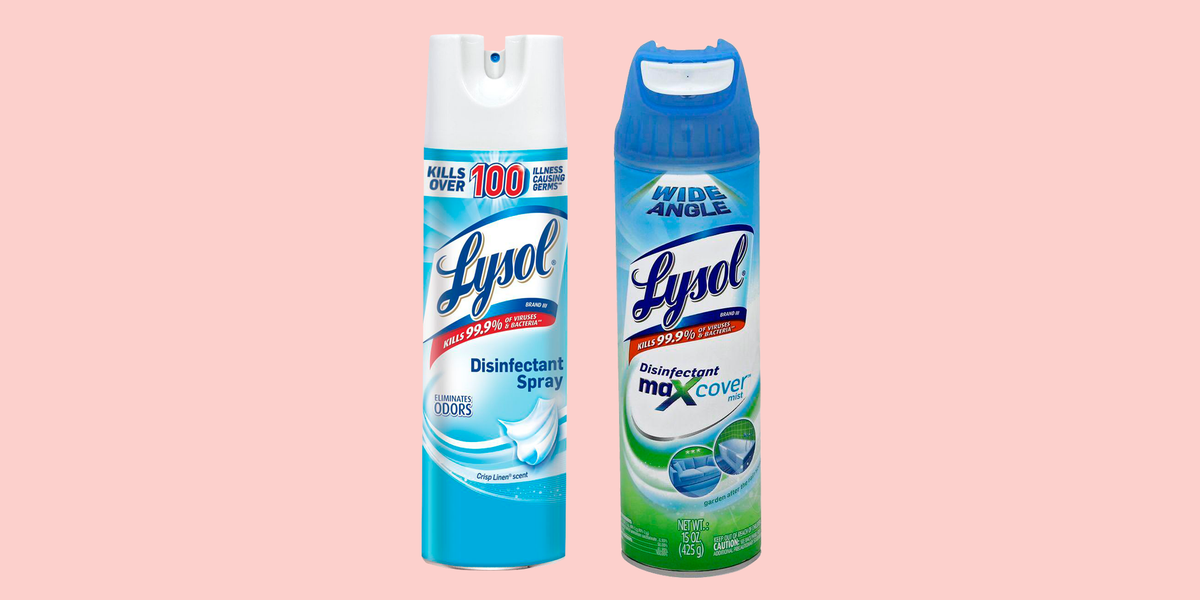
The most reliable choice is an EPA-registered disinfectant whose label states that it is effective against SARS-CoV-2 or appears on the EPA’s List N. These products may contain alcohol, sodium hypochlorite, hydrogen peroxide, citric acid, quaternary ammonium compounds, or other active ingredients.
Find the EPA registration number on the label and follow every direction. More product is not better, and a dramatic cloud of spray does not prove that the germs are surrendering.
2. Household Bleach
Bleach containing sodium hypochlorite can inactivate coronavirus and many other pathogens on compatible hard, nonporous surfaces. It is powerful, inexpensive, and also capable of discoloring fabric, damaging some metals, irritating skin, and producing hazardous gas when mixed with other chemicals.
Use a diluted bleach solution only when the product label permits it. Bleach concentrations vary, so follow the dilution directions printed on the container rather than relying on a recipe copied from an old social media post.
Prepare only as much diluted solution as needed, provide plenty of ventilation, wear any protective equipment specified on the label, and keep the product away from children and pets.
3. Alcohol
Alcohol can damage the outer membrane of enveloped viruses and disrupt proteins. Hand sanitizer should contain at least 60% alcohol when soap and running water are unavailable. Apply enough to cover every part of the hands, including fingertips, thumbs, backs of hands, and spaces between the fingers. Continue rubbing until dry.
For surfaces, use an alcohol-based product specifically labeled for that purpose. Do not assume that every bottle of liquor, perfume, or homemade alcohol mixture is an effective disinfectant. Your countertop does not need a cocktail.
4. Hydrogen Peroxide
Hydrogen peroxide is an active ingredient in many registered disinfectants. Properly formulated products can work against bacteria and viruses on hard surfaces. However, effectiveness depends on concentration, formulation, surface compatibility, and contact time.
Use a registered product according to its label. Avoid mixing hydrogen peroxide with vinegar or other cleaning chemicals.
5. Soap and Detergent
Soap is not merely a consolation prize when disinfectant is unavailable. Soap molecules loosen oils, dirt, and microorganisms so they can be rinsed away. They can also disrupt the fatty outer membrane of enveloped viruses.
For hands, plain soap and water work well. Antibacterial soap is not necessary for routine household handwashing. Scrub for at least 20 seconds, rinse thoroughly, and dry with a clean towel or air dryer.
For household surfaces, detergent and friction remove a large amount of contamination. Cleaning first also allows a disinfectant to reach the surface instead of getting trapped in layers of grease, crumbs, toothpaste, and whatever mysterious substance has occupied the kitchen counter since Tuesday.
Products That Do Not Reliably Kill Coronavirus
Vinegar
Vinegar can dissolve mineral deposits and remove certain odors, but ordinary household vinegar is not an EPA-registered coronavirus disinfectant. It should not be treated as a replacement for a product with a proven virus-killing claim.
Baking Soda
Baking soda is useful for scrubbing and deodorizing. It is not a dependable stand-alone disinfectant against SARS-CoV-2.
Essential Oils
Some essential oils show antimicrobial activity under laboratory conditions. That does not mean a homemade spray containing a few fragrant drops can reliably disinfect household surfaces. Laboratory concentrations, exposure times, and testing procedures are very different from misting lavender oil around the bathroom.
Hot Water Alone
Water from a household faucet is generally not hot enough to disinfect surfaces safely. Very high heat can kill microorganisms, but using near-boiling water around the home creates a burn risk and may damage materials. For laundry, detergent, the warmest appropriate water setting, and complete drying are the practical combination.
How to Disinfect Your Home Correctly
Step 1: Improve Ventilation
Open windows or doors when weather and outdoor air quality permit. Run an exhaust fan or another fan that moves indoor air outdoors. Ventilation reduces airborne virus particles and lowers exposure to cleaning fumes.
A correctly sized portable air cleaner with a high-efficiency filter can also help reduce airborne particles. Air cleaning does not replace other precautions, but it contributes to a layered prevention plan.
Step 2: Read the Label Before Opening the Bottle
Check which organisms the product kills, which surfaces it can be used on, whether dilution is required, and what safety precautions apply. Look for warnings concerning gloves, ventilation, rinsing, flammability, or storage.
Step 3: Clean Visible Dirt First
Remove crumbs, dust, grease, and other material with soap or detergent. A disinfectant works more predictably on a clean surface.
Step 4: Apply the Correct Amount
Cover the surface evenly. Avoid spraying more chemical into the air than necessary. When appropriate, apply the product to a cloth rather than creating a large airborne mist.
Step 5: Respect the Contact Time
Contact time is the period during which the surface must remain visibly wet. Depending on the product, it may range from seconds to several minutes. Wiping the product away immediately can prevent it from working as tested.
If the surface starts drying too soon, reapply enough product to maintain the required wetness. The contact time is not decorative fine print. It is the part where the disinfectant does its job.
Step 6: Rinse When Required
Some products require a water rinse after use on food-contact surfaces, toys, cutting boards, or objects children may place in their mouths. Follow the label rather than guessing.
Step 7: Wash Your Hands
Remove gloves carefully and wash your hands with soap and water for at least 20 seconds. Reusable gloves used for disinfection should be reserved for that task and stored safely.
Which Areas Should You Clean Most Often?
Instead of trying to disinfect every square inch of the house, focus on high-touch surfaces:
- Doorknobs and cabinet handles
- Light switches
- Faucet handles
- Toilet flush handles
- Kitchen counters and dining tables
- Refrigerator and microwave handles
- Phones, tablets, keyboards, and remote controls
- Stair rails
- Shared desks and armrests
The right frequency depends on how many people use the area, whether anyone is sick, and whether household members face a higher risk of serious illness. A bathroom shared with a sick person deserves more attention than a decorative shelf nobody has touched since the previous presidential administration.
How to Clean Specific Household Items
Phones and Electronics
Turn the device off and follow the manufacturer’s cleaning instructions. Do not soak ports, speakers, or openings. Use only compatible wipes or solutions. A wipeable cover can make repeated cleaning easier.
Laundry and Bedding
Wash clothing, towels, and bedding with detergent using the warmest water appropriate for the fabric. Dry everything completely. Laundry from a sick person can generally be washed with other household laundry.
Avoid shaking dirty linens because this may scatter dust and particles. Wash your hands after handling the laundry, and clean the hamper when appropriate.
Carpets, Rugs, and Upholstery
Use a cleaner designed for the material. Wash removable covers according to their care labels and dry them fully. Avoid saturating upholstered furniture unless the manufacturer specifically allows it.
Kitchen Surfaces
Clean grease and food residue before disinfecting. Pay attention to handles, faucet controls, cabinet pulls, and appliance buttons. Use only products suitable for food-contact areas, and rinse afterward when instructed.
Do not spray disinfectant directly onto food. Wash produce under clean running water rather than coating it with soap, bleach, or surface disinfectant.
Children’s Toys
Follow the toy manufacturer’s instructions. Some hard toys can be cleaned in a dishwasher, while others require handwashing or a properly diluted sanitizing product. Rinse objects that may go into a child’s mouth when the disinfectant label requires it.
What to Do When Someone at Home Has COVID-19
Cleaning is only one part of reducing household transmission. Because COVID-19 spreads mainly through respiratory particles, begin by limiting close contact.
- Have the sick person stay in a separate room when practical.
- Improve airflow by opening windows, using exhaust fans, or operating suitable air filtration.
- Consider well-fitting masks when the sick person must share indoor space with others.
- Do not share drinking glasses, utensils, towels, or personal items before they are washed.
- Clean high-touch surfaces regularly and disinfect when needed.
- Wash hands after handling tissues, dishes, laundry, or waste from the sick person.
People at higher risk of severe illness may need additional precautions and should contact a healthcare professional promptly if they develop symptoms. Trouble breathing, persistent chest pain, confusion, or other emergency warning signs require immediate medical attention.
Critical Disinfectant Safety Rules
Never Mix Cleaning Products
Never mix bleach with ammonia, vinegar, toilet bowl cleaner, acids, glass cleaner, or another household chemical. These combinations can release chlorine or chloramine gases, which may cause burning eyes, coughing, wheezing, breathing difficulty, lung injury, or worse.
Mixing products does not create a “super cleaner.” It creates a chemistry emergency.
Never Put Disinfectant in or on Your Body
Do not swallow, inhale, inject, gargle, or bathe in household disinfectants. Do not wipe skin, pets, or food with products intended for hard surfaces. Hand sanitizer belongs on hands only and should be kept away from the eyes and mouth.
Store Products Safely
Keep cleaning products in their original labeled containers. Store them out of the reach and sight of children and pets. Never transfer bleach or disinfectant into a beverage bottle, food container, or unlabeled spray bottle.
Be Careful Around Asthma and Lung Disease
Strong fragrances, aerosols, bleach, and other chemicals may irritate airways or trigger asthma symptoms. Use the least hazardous product that can perform the required job, provide ventilation, and avoid unnecessary spraying.
Experience Notes: What Real-World Home Disinfection Teaches You
The first practical lesson is that an effective cleaning routine does not need to feel like a military operation. During the most anxious stages of the COVID-19 pandemic, many households tried to disinfect groceries, mail, shoes, packages, floors, walls, and objects that had barely been touched. The result was often exhaustion, irritated hands, damaged finishes, and a home that smelled like an overworked swimming pool.
A more sustainable approach begins with priorities. I have found that a simple high-touch checklist works better than wandering through the house with a disinfectant wipe and an expression of suspicion. Door handles, faucet controls, light switches, shared electronics, bathroom fixtures, and kitchen work areas receive attention first. Low-touch walls and decorative objects can continue living their quiet, largely germ-untroubled lives.
The second lesson is that reading the label changes everything. Many people spray a surface, wipe it instantly, and assume the job is complete. When you finally notice the required contact time, you realize the surface was supposed to remain wet. Adjusting the routine is easy: clean several high-touch objects first, apply the disinfectant, set a timer, and allow the product to work before wiping or rinsing as directed.
The third lesson involves product overload. A crowded cabinet filled with specialty sprays can make cleaning harder, not easier. One suitable detergent, one EPA-registered disinfectant, clean microfiber cloths, disposable towels for highly contaminated messes, and a dependable pair of gloves cover most household situations. Every extra bottle introduces another label to interpret, chemical to store, and opportunity to use the wrong product on wood, stone, fabric, or electronics.
Ventilation is another habit that becomes obvious only after experiencing a headache or coughing fit during a bathroom-cleaning session. Opening a window and running the exhaust fan before using strong chemicals makes the work noticeably more comfortable. For anyone with asthma, allergies, or sensitive lungs, reducing aerosols and choosing fragrance-free alternatives can make an even larger difference.
Households with children also learn that routines beat lectures. A child is unlikely to remember an elaborate microbiology lesson before lunch, but a predictable sequencewash hands, place the backpack in its spot, put the bottle in the sink, and avoid sharing cupsquickly becomes automatic. The same principle applies to adults, although adults occasionally require more reminders and are less impressed by sticker charts.
Finally, experience teaches that not every illness requires chemical warfare. When nobody is sick, ordinary cleaning, handwashing, ventilation, and sensible food hygiene handle much of the daily risk. When illness enters the home, disinfection can be added strategically. This flexible approach is safer, less wasteful, and much easier to maintain than treating every surface as though it recently returned from a biological research facility.
Conclusion
What kills germs depends on the germ, the product, the surface, and the way the product is used. Soap and detergent remove germs effectively during routine cleaning. EPA-registered disinfectants containing ingredients such as alcohol, bleach, hydrogen peroxide, or quaternary ammonium compounds can kill or deactivate SARS-CoV-2 when their labels are followed.
The winning strategy is not endless spraying. Clean visible dirt first, use an appropriate disinfectant only where it adds value, keep the surface wet for the full contact time, improve ventilation, and never mix chemicals. Combine those habits with handwashing, cleaner indoor air, and reasonable precautions around sick household members, and you will have a home that is healthier without lookingor smellinglike a hospital supply closet.
Editorial note: This article provides general household hygiene information and does not replace product labels, medical advice, poison-control guidance, or instructions from local public-health authorities.












