
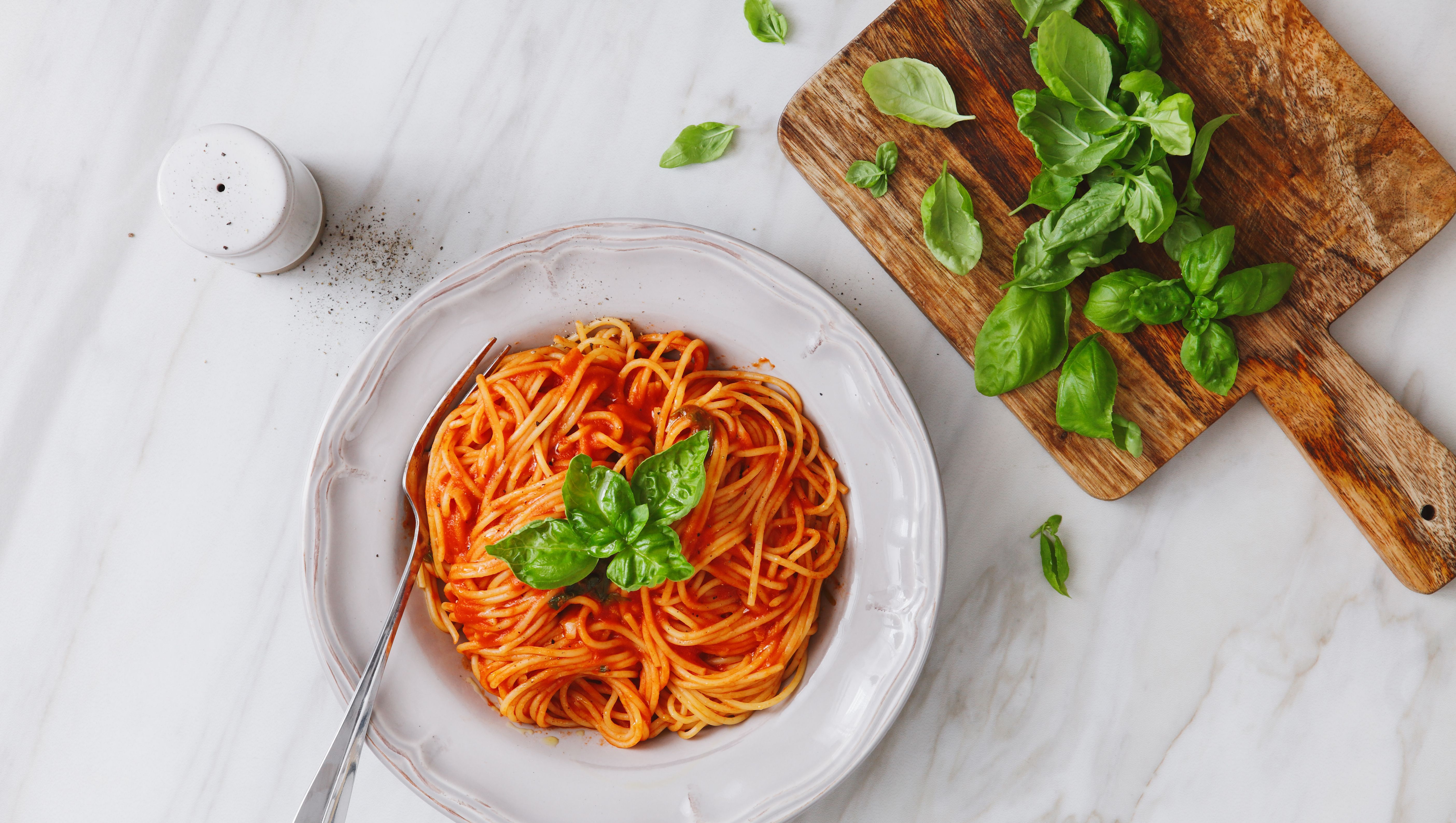
If you have ever opened a jar of pasta sauce, sniffed it like a detective in a kitchen crime show, and wondered, “Can this actually make me sick?” the answer is: yes, it canbut not because pasta sauce is automatically a villain in a glass jar. The real issue is contamination, spoilage, unsafe storage, or unsafe handling. In other words, the sauce is usually not the criminal mastermind. It is more like the getaway car.
Gastroenteritis is a general term for inflammation of the stomach and intestines. People often use it interchangeably with “stomach bug,” “stomach flu,” or food poisoning, even though those are not exactly the same thing. Viral gastroenteritis is commonly caused by viruses such as norovirus, while foodborne illness can come from bacteria, viruses, parasites, or toxins in contaminated food. Pasta sauce can be involved in either situation if it becomes contaminated before you eat it.
So, can you get gastroenteritis from pasta sauce? Absolutelyif the sauce was contaminated, left out too long, handled with dirty utensils, mixed with risky ingredients like meat or cream, or prepared incorrectly at home. Plain tomato sauce is acidic, which helps limit some bacterial growth, but “helps” is not the same thing as “guarantees safety forever.” A tomato-based sauce that has been opened, warmed, re-cooled, and forgotten on the stove overnight is not a culinary adventure. It is a gamble.
What Makes Pasta Sauce a Possible Cause of Gastroenteritis?
Pasta sauce can become a problem in several ways. The sauce itself is not born dangerous, but it can become unsafe if something goes wrong along the food-safety chain.
1. It Was Left Out Too Long
One of the most common ways people get sick from prepared foods is simple: the food sat out at room temperature too long. Once cooked sauceor opened jarred saucehangs out in the “danger zone” between cold and hot temperatures, bacteria can multiply fast. That matters even more if the sauce contains meat, sausage, ground beef, chicken, seafood, cheese, cream, or butter.
A very normal disaster looks like this: dinner ends, everyone says they will “put it away in a minute,” somebody starts watching videos, somebody else falls asleep on the couch, and six hours later the pot of sauce is still on the stove looking suspiciously relaxed. At that point, refrigeration is no longer a magic reset button. Reheating may not make it safe, especially if bacteria have produced toxins.
2. It Was Cross-Contaminated
Pasta sauce can pick up harmful germs if it comes into contact with raw meat, unwashed produce, dirty hands, contaminated cutting boards, or used tasting spoons. A spoon that touched raw ground beef should not also stir the marinara. That should not be a controversial kitchen opinion, and yet here we are.
Cross-contamination is especially important in homemade sauces. If you brown meat, chop onions, open a jar, rinse herbs, and taste as you go, it is easy to spread bacteria from one surface to another without realizing it.
3. It Contains High-Risk Ingredients
A simple tomato sauce is not the same as a meat sauce, vodka sauce, Alfredo-tomato blend, or creamy baked pasta sauce. Once you add meat, dairy, seafood, or eggs, the food becomes more perishable. Richer sauces may taste better, but they also demand stricter temperature control.
For example, a plain tomato basil sauce may be less risky than a bolognese that sat in a warm kitchen for hours. The meat changes the food-safety equation. Cream-based sauces are even more fragile and should not be treated like shelf-stable decorations.
4. It Spoiled After Opening
Commercial jarred pasta sauce is shelf-stable before opening, but once opened, the rules change. After that, it belongs in the refrigerator, not on the counter next to the olive oil pretending nothing happened. Opened spaghetti sauce only stays fresh for a limited number of days, and each dip into the jar with a used spoon raises the contamination risk.
If the sauce develops mold, an off smell, bubbling unrelated to heating, discoloration, a swollen lid, or a strange taste, do not “just heat it and see.” That is not bravery. That is a gastrointestinal plot twist.
5. It Was Improperly Home-Canned
Homemade pasta sauce can be delicious, but home canning has rules for a reason. Improperly canned tomato sauce can pose a serious food-safety risk, including botulism. That is especially true when people use outdated methods, skip acidification steps, improvise ingredients, or assume that boiling the jar later will fix everything.
Tomatoes are acidic, but the acidity level can vary. When you make home-canned sauce with onions, peppers, mushrooms, garlic, meat, or low-acid ingredients, safety becomes more complicated. If a home-canned jar is leaking, bulging, cracked, or spurts liquid when opened, it should be discarded immediately.
Can Pasta Sauce Cause Viral Gastroenteritis or Food Poisoning?
Technically, pasta sauce is more often linked with food poisoning than with viral gastroenteritis itself. Viral gastroenteritis is usually caused by viruses that spread from person to person, contaminated surfaces, water, or food. Norovirus, for example, can spread through food handled by someone who is infected. So yes, a pasta dish could transmit a virus if a sick person prepared it or handled it without proper handwashing.
But many people use “gastroenteritis” as a general umbrella term for vomiting-and-diarrhea misery. In everyday language, if bad pasta sauce leaves you glued to the bathroom floor while rethinking your life choices, most people will simply call it a stomach bug or gastroenteritis.
The most likely food-related culprits include bacteria such as Salmonella, Campylobacter, and certain strains of E. coli, as well as viruses like norovirus. The source may not even be the tomato base. It might be the undercooked meat in the sauce, contaminated cheese on top, unsafe leftovers, or contaminated hands that prepared the meal.
Symptoms to Watch For After Eating Suspicious Pasta Sauce
If pasta sauce or a pasta dish made you sick, symptoms can start within hours, but depending on the germ involved, they may also show up a day or more later. Timing alone does not always identify the culprit.
Common symptoms include:
- Nausea
- Vomiting
- Watery diarrhea
- Stomach cramps
- Abdominal pain
- Fever
- Loss of appetite
- Fatigue
- Headache
The biggest concern is dehydration. If you are losing fluids through vomiting or diarrhea, your body can get behind fast. Signs of dehydration may include dry mouth, dizziness, dark urine, urinating less often, unusual sleepiness, weakness, or confusion. For young children, older adults, and people with weakened immune systems, dehydration can become serious more quickly.
When It Is Probably the Sauceand When It Might Be Something Else
Not every upset stomach after pasta means the sauce was contaminated. Sometimes the real issue is something else entirely.
It may be the sauce if:
- The sauce tasted sour, metallic, fermented, or just “off”
- The jar or lid looked swollen or damaged
- The leftovers were left out too long
- Multiple people who ate the same dish got sick
- The sauce included meat, cream, or seafood that may have been mishandled
- It was homemade and canned without proper food-preservation methods
It may be something else if:
- You have a food intolerance, such as sensitivity to garlic, onion, dairy, or gluten
- The dish was extremely spicy or acidic and triggered reflux or stomach irritation
- You were already exposed to a stomach virus elsewhere
- The pasta topping, side salad, cheese, or meatball was the real problem
For example, someone might blame the marinara, but the actual cause was undercooked sausage mixed into the sauce. Or they might assume food poisoning when the problem was norovirus picked up from a sick family member two days earlier.
How Long Is Pasta Sauce Safe After Opening or Cooking?
Here is the practical rule most home cooks need: opened or cooked pasta sauce should be refrigerated promptly and generally used within a few days. The exact safe window depends on the ingredients, temperature, and storage method, but the best approach is simple: cool it quickly, store it in shallow containers, keep the refrigerator cold, and do not play refrigerator roulette.
If the sauce has been sitting out for more than two hours at room temperatureor more than one hour in very hot conditionsit should usually be discarded. Leftover dishes made with sauce are generally safest when eaten within three to four days. When reheating, get the sauce piping hot all the way through. Warm-ish is not a food-safety setting.
Freezing is a smart option if you will not eat the leftovers soon. Tomato-based sauces usually freeze well, which is nice because nothing says “future wisdom” like finding a labeled container of perfectly good marinara instead of a fuzzy mystery box in the back of the fridge.
How to Reduce the Risk of Getting Sick From Pasta Sauce
Wash Hands and Surfaces
Clean hands matter before cooking, during cooking, and after touching raw meat, eggs, or unwashed produce. Wash knives, cutting boards, counters, and utensils. If you are sick with vomiting or diarrhea, do not prepare food for others.
Keep Raw and Ready-to-Eat Foods Separate
Use separate plates, boards, and utensils for raw meat and cooked food. Do not return cooked meatballs to the plate that held them raw. That plate has already been through enough.
Cook Ingredients Thoroughly
If your sauce includes meat or seafood, cook it to safe temperatures. Do not assume simmering “for a while” is precise enough. Food thermometers exist so that dinner does not become an experiment.
Refrigerate Promptly
Transfer leftover sauce into shallow containers so it cools faster. Put it in the refrigerator soon after the meal. Large pots cool slowly, which gives bacteria more time to grow.
Use Clean Utensils When Serving
Do not repeatedly dip a used spoon into the sauce jar. A tasting spoon is not a boomerang.
Follow Safe Home-Canning Practices
If you make sauce for long-term storage, use tested canning methods from reputable food-preservation guidance. Guesswork is fine for extra basil. It is not fine for shelf-stable tomato sauce.
What to Do If You Think Pasta Sauce Made You Sick
Most mild cases improve with rest and fluid replacement. Sip water, oral rehydration solutions, or clear liquids. Eat bland foods once you can tolerate them. If you have severe vomiting, bloody diarrhea, signs of dehydration, high fever, symptoms lasting more than a few days, or you are caring for a young child, older adult, or medically vulnerable person, contact a healthcare professional.
If a jarred sauce seems contaminated, keep the container if needed for reporting or investigation, especially if several people became ill. If the product appears commercially defective, such as leaking or bulging, do not taste it.
The Bottom Line
Yes, you can get gastroenteritis from pasta saucebut usually not because pasta sauce is inherently unsafe. The danger comes from contamination, spoilage, poor storage, cross-contamination, risky ingredients, or improper home canning. In many cases, the tomato sauce is just the stage where the real problem performs.
The good news is that the risk is highly preventable. Refrigerate sauce promptly, keep leftovers only a few days, reheat thoroughly, avoid cross-contamination, and be careful with homemade canned products. If your sauce looks weird, smells wrong, or has been lounging on the counter since yesterday, let it go. Your digestive system deserves better than a suspense thriller.
Common Experiences Related to “Can You Get Gastroenteritis From Pasta Sauce?”
Many people do not realize pasta sauce can become risky because it feels familiar, affordable, and low drama. A casserole with mayonnaise gets suspicion. A red sauce gets trust. That is why so many real-life food-safety mistakes happen with pasta dishes. They seem harmless right up until someone spends the night memorizing the bathroom tile.
One common experience is the “late dinner leftover trap.” A family cooks spaghetti with meat sauce, eats at 8 p.m., leaves the pot on the stove while cleaning up, and forgets it until midnight. The sauce gets refrigerated eventually, then reheated the next day. Sometimes nothing happens. Sometimes one or two people end up with stomach cramps, diarrhea, or vomiting and cannot figure out why. The problem was not pasta night itself. It was the long room-temperature delay before refrigeration.
Another frequent scenario happens with opened jarred sauce. Someone uses half the jar, puts the lid back on, and stores it in the refrigerator. So far, so good. But then the same jar gets opened repeatedly over the next week with whatever spoon is nearby. A clean spoon one day, a tasting spoon the next, maybe even a spoon that already touched cooked pasta or cheese. By the end of the week, the sauce may still look usable, but the handling has become sloppy. People are often surprised to learn that opened sauce has a relatively short refrigerator life.
Homemade sauce also creates a false sense of security because it smells amazing and feels wholesome. But food safety does not care whether the recipe came from your grandmother, a food blog, or a neighbor named Tony with strong opinions about oregano. If raw meat juices touched the counter, if the sauce did not cool fast enough, or if a home-canned batch was processed incorrectly, the risk is real even when the meal tastes fantastic.
There are also cases where people blame the wrong part of the meal. Someone says, “The tomato sauce made me sick,” but the actual issue may have been undercooked sausage, contaminated salad, old ricotta, or a stomach virus passed around at home. That is a very common experience. Because pasta sauce is the most memorable part of the dish, it gets blamed first. Meanwhile, the true troublemaker may be hiding in the meatballs.
Then there is the classic college-apartment experience: leftover pasta on the counter, questionable refrigerator temperature, shared utensils, mystery containers with no labels, and one brave person saying, “I think it’s still good.” That sentence has launched many regrettable mornings. The lesson people usually learn after one bad episode is simple and lasting: label leftovers, refrigerate them quickly, and never confuse optimism with food safety.
In everyday life, the most useful takeaway is not panic. It is awareness. Pasta sauce can absolutely be part of a foodborne illness story, but most of the risk comes from preventable mistakes. People who get burned by one bad jar or one neglected pot often become much better at storing, reheating, and handling leftovers. Sometimes the stomach teaches what the recipe card forgot to mention.












