
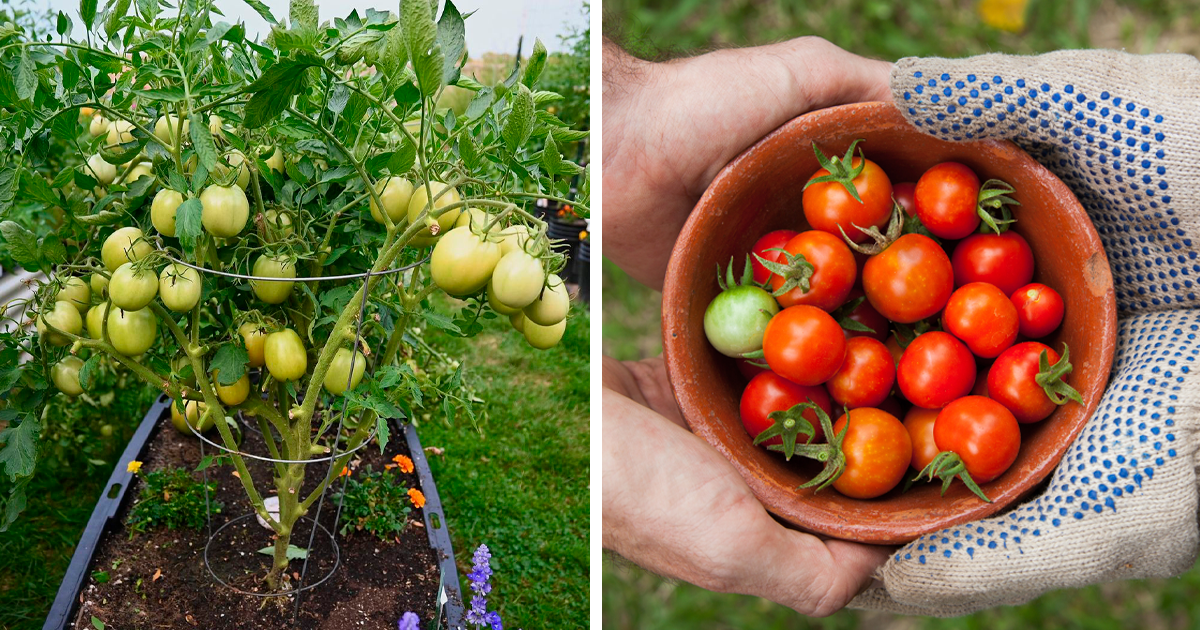
Tomatoes are the overachievers of the summer garden. Give them sunshine, decent soil, and a little consistency, and they will reward you with glossy red slicers, sweet cherry tomatoes, or enough sauce tomatoes to make you feel wildly prepared for winter. Ignore their basic needs, however, and they will respond like tiny leafy drama queens. Yellow leaves. Split fruit. Blossom-end rot. General disappointment.
The good news is that growing tomatoes is not mysterious. It is mostly about timing, sunlight, watering, and choosing the right plant for your space. This beginner tomato guide walks you through the whole process, from selecting varieties to harvesting fruit, so you can grow tomatoes with more confidence and fewer “why is this plant judging me?” moments.
Why Tomatoes Are So Popular With New Gardeners
Tomatoes are one of the best crops for beginners because they are productive, versatile, and available in a huge range of sizes and flavors. You can grow them in the ground, in raised beds, or in containers. You can start from seed if you love a project, or buy sturdy transplants if you prefer a head start. And unlike some vegetables that produce one modest harvest and call it a season, tomatoes can keep going for weeks or even months.
They are also a great teacher crop. Once you learn how to grow tomatoes, you start to understand broader gardening basics like soil health, spacing, pruning, and disease prevention. In other words, tomatoes are not just dinner. They are an education with sandwiches at the end.
Choose the Right Tomato Before You Plant Anything
Determinate vs. indeterminate tomatoes
One of the first things beginners should know is that tomatoes grow in two main habits: determinate and indeterminate.
Determinate tomatoes stay more compact, reach a certain size, and produce most of their fruit over a shorter period. They are great for containers, smaller gardens, and gardeners who want a big harvest for canning or sauce.
Indeterminate tomatoes keep growing, flowering, and producing until frost or disease shuts them down. They usually need stronger support and more pruning, but they reward you with a longer harvest window. If your summer dream includes picking tomatoes every few days for salads and sandwiches, indeterminate varieties are excellent choices.
Pick varieties that fit your goals
Think about how you actually eat tomatoes. If you love caprese salad, grow a slicer or beefsteak type. If you snack straight from the garden like a tomato raccoon, cherry tomatoes are your best friend. If you want to cook sauce, paste tomatoes are the efficient workhorses.
Also pay attention to disease resistance. Many tomato labels include letters such as V, F, or N, which indicate resistance to common problems like verticillium wilt, fusarium wilt, and nematodes. For beginners, disease-resistant varieties are often the smartest choice. They do not make your plants invincible, but they can stack the odds in your favor.
Give Tomatoes What They Want Most
Sunlight
If you remember only one thing from this article, make it this: tomatoes love sun. They grow and produce best with at least 6 to 8 hours of direct sunlight a day, and more is often better. A plant tucked into polite partial shade may survive, but it probably will not become the fruit-producing legend you hoped for.
Warmth
Tomatoes are warm-season plants. They hate frost, sulk in cold soil, and slow down when the weather is too chilly. Wait until the danger of frost has passed and the soil has warmed before transplanting outdoors. If nights are still cold, your tomatoes may just sit there, reconsidering every life choice that led them to your backyard.
Soil
Tomatoes perform best in fertile, well-drained soil with plenty of organic matter. A slightly acidic soil pH, generally around 6.0 to 6.8, is ideal. Mix in compost before planting to improve soil structure and water retention. If your soil is heavy clay or drains poorly, raised beds can make life much easier.
Air circulation
Good spacing is not just a polite suggestion. Crowded tomatoes trap humidity, encourage disease, and make harvesting feel like a small wilderness expedition. Depending on the variety and support system, space plants roughly 2 to 3 feet apart. That may look generous at planting time, but by midsummer you will understand.
Start From Seed or Buy Transplants?
Starting tomatoes from seed
Starting seeds indoors is satisfying, budget-friendly, and gives you access to many more varieties than you will usually find at a garden center. Sow tomato seeds about 6 to 8 weeks before your last expected frost. Use a sterile seed-starting mix, give the seedlings bright light, and avoid sowing too early. Oversized, stretched-out seedlings are not a badge of honor. They are just awkward teenagers in plant form.
Buying healthy transplants
If you are new to gardening, buying transplants is often the easiest route. Look for stocky, healthy plants with thick stems and green leaves. Avoid seedlings that are yellowing, floppy, root-bound, or already covered in flowers and fruit. Bigger is not always better. A compact young transplant usually adjusts more easily than an overgrown one that has already decided it deserves a greenhouse career.
How to Plant Tomatoes the Right Way
Harden off first
If your seedlings were raised indoors, do not toss them outside in full sun and wind on day one. Harden them off over about a week by gradually exposing them to outdoor conditions. This helps prevent shock and gives them time to adjust.
Plant deeply
Tomatoes are wonderfully weird in the best possible way: they can form roots along buried stems. Remove the lower leaves and plant the seedling deeper than it was growing in its pot, leaving only the top few sets of leaves above the soil. This helps build a stronger root system and a sturdier plant.
Add support at planting time
Put cages, stakes, or trellises in place when you plant. Doing it later is possible, but it often turns into an accidental root-stabbing event. Early support keeps plants upright, improves air circulation, and makes fruit easier to find before it becomes a snack for something with more legs than you.
Tomato Plant Care Through the Season
Watering tomatoes
The secret to good tomato watering is not fancy. It is deep, steady, and consistent. Most gardens need roughly 1 to 2 inches of water per week, though the exact amount depends on heat, soil type, rainfall, and whether you are growing in containers.
Do not water lightly every day just to make yourself feel helpful. Deep watering encourages stronger roots. Let the top layer of soil dry slightly, but do not let plants swing from drought to flood. Inconsistent moisture is one of the fastest ways to end up with split fruit, blossom-end rot, or tomatoes that look like they lost an argument with the weather.
Mulching
Once the soil has warmed, add a 2- to 3-inch layer of mulch around the plants. Straw, shredded leaves, or other organic mulch helps conserve moisture, suppress weeds, and reduce soil splash that can spread disease onto leaves. Think of mulch as a combination blanket, bodyguard, and unpaid intern.
Feeding tomatoes
Tomatoes appreciate fertile soil, but more fertilizer is not always better. Too much nitrogen can give you enormous leafy plants with very little fruit. In gardening terms, that is the equivalent of buying a bakery and discovering it only sells napkins.
Start with compost or a balanced fertilizer at planting time. Later, if plants need a boost, side-dress lightly according to product directions. Fertilizer should support fruiting, not turn your tomato bed into a jungle of leaves.
Pruning and suckers
Pruning depends on how you grow your tomatoes and how much maintenance you want. Indeterminate tomatoes often benefit from some pruning, especially when staked, because it can improve airflow and make plants easier to manage. Determinate tomatoes usually need less pruning.
Do not assume every sucker must be removed. In some climates and setups, leaving more foliage can help protect fruit from sunscald. A simple beginner rule is this: remove damaged lower leaves, avoid overcrowding, and do not obsess. Tomatoes are plants, not topiary.
Common Tomato Problems and What to Do
Blossom-end rot
This looks like a dark, sunken patch on the bottom of the fruit. Many gardeners assume it means the soil has no calcium, but the more common issue is inconsistent watering that prevents the plant from moving calcium properly into developing fruit. Keep moisture even, mulch well, and avoid overdoing nitrogen. One ugly tomato does not mean the season is ruined.
Cracked fruit
Cracking often happens when very dry soil is followed by heavy watering or rain. The fruit swells quickly and the skin splits. The fix is boring but effective: consistent moisture and mulching.
Yellow lower leaves
Some lower leaf yellowing is normal as plants age, especially if the leaves are shaded. But widespread yellowing can also suggest watering problems, nutrient imbalance, or disease. Remove unhealthy lower leaves and observe the pattern before panicking and declaring your tomato plant haunted.
Leaf spots and disease
Tomatoes are prone to fungal and bacterial diseases, especially in humid weather. The best prevention is good spacing, crop rotation, mulching, watering at the base rather than overhead, and choosing resistant varieties. If tomatoes, peppers, potatoes, or eggplants have been in the same spot recently, rotate to a new area when possible.
No fruit set
If your plants flower but do not set fruit, temperature is often the culprit. Tomatoes can struggle when nights are too cool or when daytime heat becomes excessive. Overfertilizing with nitrogen can also reduce fruiting. Healthy foliage is nice, but it is not the same as dinner.
When and How to Harvest Tomatoes
Beginners often wait for every tomato to become perfectly vine-red before picking. That works, but it is not the only option. Tomatoes can be harvested at the breaker stage, when color first begins to show, and allowed to finish ripening indoors. This can reduce cracking, pest damage, and weather-related losses without hurting quality.
To harvest, hold the fruit gently and twist or clip it from the vine. Do not yank unless you enjoy snapping branches and feeling instantly regretful. Store ripe tomatoes at room temperature for best flavor. Refrigeration can dull taste and texture unless the fruit is extremely ripe and you are trying to buy a little time.
Best Beginner Tips for Bigger Success
- Start with two or three reliable varieties instead of twelve wildly experimental ones.
- Choose a sunny spot first and buy plants second.
- Install support when planting, not after the tomato jungle forms.
- Mulch after the soil warms to reduce disease splash and moisture swings.
- Water deeply and consistently instead of randomly and emotionally.
- Read plant tags for size, days to maturity, and disease resistance.
- Accept that a few imperfect leaves or fruit are normal and not a personal attack.
Real-World Experience: What Growing Tomatoes Actually Feels Like
If you have never grown tomatoes before, the first season can feel like equal parts science experiment, optimism festival, and mild confusion. You start in spring with neat little seedlings that look innocent enough. You imagine a tidy row of plants, each one behaving politely and producing just the right number of tomatoes for salad night. Then summer arrives, and suddenly those cute little plants are six feet tall, leaning into the walkway, tangling themselves in their cages, and acting as though your garden is now their kingdom.
One of the first real lessons beginners learn is that tomatoes reward consistency more than intensity. New gardeners often try to “make up” for missed care by overwatering, overfeeding, or aggressively pruning. Tomatoes rarely appreciate these dramatic gestures. They do much better with a calm routine: check the soil, water deeply when needed, tie up loose stems, remove a few tired lower leaves, and let the plant keep doing its thing. The garden version of “less chaos, more consistency” is surprisingly powerful.
Another common experience is realizing that tomato plants are much larger and more vigorous than expected. A tiny transplant in May can become a leafy beast by July. This is where spacing and support stop being abstract advice and become deeply personal. The cage that looked comically oversized in spring may look laughably inadequate by midsummer. Most gardeners have at least one moment of standing in the yard with twine in hand, trying to negotiate with a tomato vine that clearly has its own plans.
There is also the emotional roller coaster of the first fruit. You wait for flowers. Then tiny green tomatoes appear, and you become irrationally proud. Then one gets blossom-end rot, another gets pecked by a bird, and another splits after rain. Welcome to tomato growing. The important thing is not to treat every blemish as a catastrophe. Healthy tomato plants usually keep producing, and later fruit often looks much better once your watering becomes steadier and the season settles in.
Container growers have their own version of this adventure. Tomatoes in pots can be incredibly productive, but they dry out faster than plants in the ground and need more frequent feeding. The upside is flexibility. You can move containers to chase sunlight, protect them from rough weather, or keep a cherry tomato close to the kitchen door where “I’m just grabbing one” somehow turns into eating twelve.
Perhaps the most memorable part of growing tomatoes is how quickly they go from scarcity to abundance. For weeks, you wait. Then suddenly you have five ripe tomatoes. Then fifteen. Then a bowl on the counter, another on the table, and a growing willingness to discuss salsa, soup, pasta sauce, and whether neighbors are home. This flood of fruit is part of the fun. It makes the whole season feel generous.
Most experienced gardeners will tell you the same thing: your first tomato season does not need to be flawless to be successful. You will probably plant one variety you do not love, forget to tie up a stem, water late at least once, and lose a fruit or two to bugs, weather, or bad timing. That is normal. The real success is learning how your garden behaves and noticing what your plants are trying to tell you. Once you do that, each season gets easier, smarter, and tastier.
Conclusion
Growing tomatoes is part planning, part observation, and part accepting that summer vegetables have strong opinions. Start with a sunny site, warm soil, healthy plants, and the right support. Keep the watering consistent, avoid overfeeding, watch for common problems early, and choose disease-resistant varieties whenever possible. Do those basics well, and even a first-time gardener can harvest an impressive crop.
The beauty of tomatoes is that they are generous teachers. Every season shows you something new, whether it is which variety tastes best, how much sun your yard really gets, or why mulching is less optional than it seems. Begin simply, pay attention, and enjoy the process. Soon enough, you will be handing tomatoes to friends with the deeply satisfied look of someone who has seen a seedling become lunch.












