
Some home upgrades shout for attention. Others quietly make every room look sharper, cleaner, and more intentional. Custom metal vent covers with a linear pattern belong to that second category. They are the design equivalent of a well-tailored jacket: not loud, not fussy, but suddenly everything around them looks more polished.
For decades, air vents were treated like tiny metal apologies in the floor, wall, or ceiling. Builders installed whatever fit, homeowners ignored them, and guests politely pretended not to notice the bent beige grille hiding under the sofa. But today, decorative HVAC details are getting their moment. Linear metal vent covers offer a sleek, architectural look while still doing the serious work of moving heated and cooled air through a home.
Whether you are renovating a modern farmhouse, upgrading a luxury condo, finishing a basement, or simply tired of looking at rusty old registers, a linear pattern can bring order, symmetry, and style to your HVAC openings. Even better, custom sizing means the vent cover can fit the opening you actually havenot the “close enough” size that makes your floor look like it lost a small argument.
What Are Custom Metal Vent Covers with a Linear Pattern?
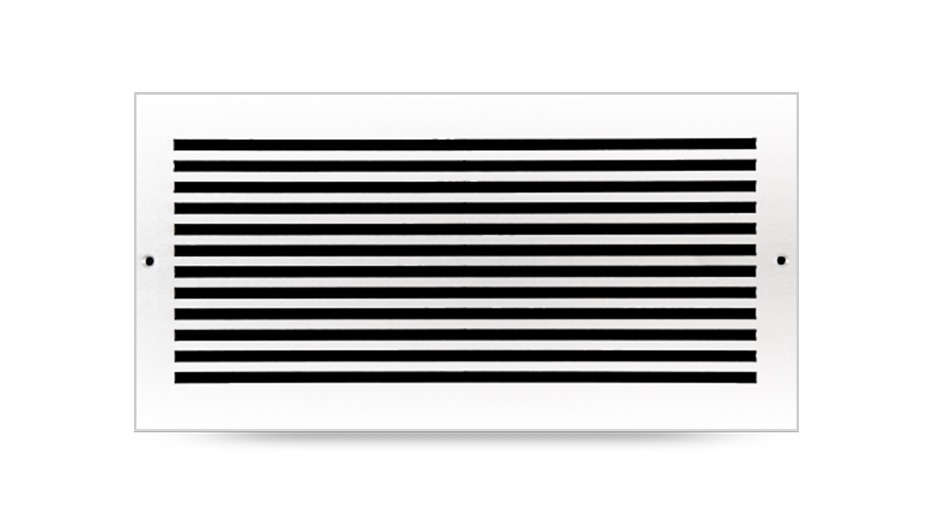
A custom metal vent cover is a grille, register, or return cover made to specific dimensions, materials, finishes, and design preferences. The linear pattern refers to a layout of long, straight slots or bars arranged in clean parallel lines. This design is popular in contemporary interiors because it feels simple, balanced, and architectural without trying too hard.
Linear vent covers are commonly used for floor registers, wall vents, ceiling vents, air returns, toe-kick vents, and even long slot-style HVAC openings. Depending on the design, they may be made from aluminum, steel, stainless steel, brass, bronze, or cast metal. Some include dampers for airflow control, while others are fixed grilles used mainly for return air or decorative coverage.
The result is a vent cover that looks intentional instead of accidental. It turns an everyday mechanical necessity into a design detailbecause yes, even your ductwork deserves a little dignity.
Why the Linear Pattern Works So Well in Modern Homes
The linear pattern is loved by designers because it speaks the language of clean lines. It pairs naturally with hardwood flooring, wide-format tile, minimalist cabinetry, modern stair rails, black window frames, and open-concept layouts. Instead of interrupting a room, linear vents tend to visually align with the architecture around them.
In a room with plank flooring, a linear floor register can echo the direction of the boards. On a wall, it can blend with baseboards, paneling, or trim. On a ceiling, it feels more refined than a bulky stamped grille. The pattern is simple, but the effect is surprisingly powerful. It says, “This room has a plan,” even if the laundry basket in the corner strongly disagrees.
Best Interior Styles for Linear Metal Vent Covers
Linear metal vent covers are especially effective in modern, transitional, industrial, Scandinavian, contemporary, and mid-century-inspired interiors. They also work beautifully in high-end traditional spaces when finished in brass, bronze, antique nickel, or oil-rubbed tones.
For industrial interiors, black powder-coated steel or raw metal finishes create a bold, structural look. For warm modern homes, brushed brass or bronze can add softness. For coastal or minimalist spaces, white, silver, or satin aluminum provides a subtle finish that does not compete with the rest of the room.
Metal Matters: Choosing the Right Material
Not all metal vent covers are created equal. Material affects durability, appearance, price, weight, corrosion resistance, and where the cover should be installed. Choosing the right one is not difficult, but it does require thinking beyond “that one looks shiny.”
Aluminum Vent Covers
Aluminum is lightweight, corrosion-resistant, and popular for both residential and commercial applications. It is a strong choice for wall, ceiling, and floor vents where moisture may be a concern. Aluminum linear bar grilles are often used in modern HVAC designs because the material can be fabricated into clean, precise shapes.
For bathrooms, laundry rooms, coastal homes, or humid climates, aluminum is often a practical option. It does not rust like untreated steel, and it accepts powder-coated finishes well. If you want a crisp linear look without adding unnecessary weight, aluminum is a strong candidate.
Steel Vent Covers
Steel is strong, sturdy, and commonly used for floor registers and decorative metal grilles. It can handle foot traffic well when properly fabricated and installed. Steel vent covers are often available in several thicknesses, which matters for durability and feel underfoot.
The tradeoff is that steel needs a protective finish to resist corrosion. Powder coating, plating, or painted finishes help protect the surface while giving the vent cover its final color. For high-traffic areas, steel offers a reassuring sense of toughness. It is the “I do leg day” option of vent cover materials.
Stainless Steel Vent Covers
Stainless steel is sleek, durable, and resistant to corrosion. It works especially well in kitchens, bathrooms, commercial spaces, and modern interiors where a clean metallic finish is desired. Stainless steel can look crisp and professional, but it may show fingerprints or smudges depending on the finish.
Brass and Bronze Vent Covers
Brass and bronze bring warmth, character, and a premium appearance. They are often selected for luxury homes, historic renovations, boutique hospitality spaces, and interiors with high-end hardware. A linear pattern in brass can feel both modern and timelessa rare design combination, like comfortable dress shoes or a salad that actually tastes exciting.
These materials may develop patina over time unless sealed. Some homeowners love that aged character, while others prefer a protected finish to maintain a consistent look.
Grille, Register, or Diffuser: What Are You Actually Buying?
Before ordering a custom metal vent cover, it helps to understand the basic HVAC terms. A grille usually has fixed openings and does not include a damper. It is often used for return air, where air is pulled back into the HVAC system. A register typically includes a damper or adjustable component that controls airflow. A diffuser is designed to distribute air in a specific pattern, often used in ceilings or specialized supply applications.
For homeowners shopping online, these terms are sometimes used loosely. That is why function matters more than the product name. If the opening supplies heated or cooled air into the room and you want to adjust the airflow, look for a linear register with a damper. If the opening is a return air vent, a fixed linear grille may be appropriate.
When in doubt, match the replacement cover to the function of the existing vent. Replacing a supply register with a cover that blocks too much airflow can reduce comfort and may increase system noise. Your HVAC system is not a fan of drama. It prefers balance.
Airflow Performance: Beauty Should Not Block the Breeze
A vent cover is decorative, but it is not only decorative. It is part of the air distribution system. Supply registers deliver conditioned air into rooms, while return vents help pull air back to the HVAC equipment. The U.S. Department of Energy explains that central HVAC systems rely on supply and return ducts and registers to circulate air through the home.
That means a custom linear vent cover should be designed with adequate open area. If the slots are too narrow, too few, or poorly arranged, airflow may be restricted. Restricted airflow can cause uneven temperatures, extra noise, and added strain on the HVAC system. A pretty vent that makes the room uncomfortable is just expensive wall jewelry.
What Is Open Area?
Open area refers to the amount of free space in the vent cover through which air can pass. A vent cover with a larger open area generally allows better airflow. Linear designs can perform well because long slots or bars create continuous pathways for air movement, but the exact performance depends on slot width, spacing, thickness, and backing components.
For large returns, high-output supply vents, or unusual duct sizes, it is wise to consult the vent cover manufacturer or an HVAC professional. Custom design should balance appearance with performance. The goal is not merely to cover the hole; the goal is to help the system breathe properly.
Where Linear Metal Vent Covers Look Best
Linear vent covers are versatile, but certain locations really let them shine. Floor installations are common because the linear pattern pairs well with wood planks, tile layouts, and long room sightlines. Wall vents benefit from the clean geometry, especially when matched to trim or painted to blend into the wall.
Ceiling vents can also look more refined with linear covers, especially in modern kitchens, hallways, offices, and finished basements. Long linear grilles are often used in commercial interiors, but they are becoming more popular in residential design because they create a custom architectural feel.
Floor Vents
Floor vents need strength. If people, pets, furniture, or one extremely determined toddler will be stepping on them, choose a material and thickness suitable for traffic. Flush-mount linear vent covers are especially popular in new construction or floor replacement projects because they sit level with the surrounding surface.
Wall Vents
Wall vents are easier to customize visually because they do not need to support foot traffic. A linear wall grille can be powder coated to match the wall color or finished in black for contrast. In modern homes, black linear wall vents often pair beautifully with black fixtures, door hardware, and window frames.
Ceiling Vents
Ceiling vents should look neat and distribute air effectively. Linear ceiling covers can help reduce visual clutter, especially when aligned with lighting, beams, or ceiling panels. For supply air, confirm whether the cover needs directional airflow control or a diffuser-style design.
Custom Sizing: Measure Twice, Order Once, Avoid Regret
Custom metal vent covers are especially useful when standard sizes do not fit. Older homes, remodels, hand-cut openings, unusual ductwork, and designer floors often require nonstandard dimensions. The key is measuring correctly.
Most vent covers are ordered based on the duct opening size, not the overall faceplate size. That means you usually remove the existing cover and measure the width and length of the actual opening. If you only measure the outside of the old cover, you may order the wrong size. This is how a five-minute project becomes a three-week emotional journey.
Basic Measuring Tips
Remove the old cover, measure the inside duct opening, and note whether the vent is installed in a floor, wall, or ceiling. Check the direction of the airflow, the depth available for any damper, and whether screw holes are needed. For floor registers, consider whether the cover should drop into the opening, overlap the surface, or sit flush with the finished floor.
If the floor is being replaced, wait until the final flooring thickness is known before ordering flush-mount covers. Many manufacturers recommend using the actual grille as a template for precise floor cuts during installation.
Finish Options: The Style Is in the Surface
The finish can completely change the personality of a linear metal vent cover. Matte black feels bold and architectural. White feels quiet and clean. Brushed nickel leans contemporary. Brass feels warm and elevated. Bronze adds depth and classic character.
Powder coating is a common finish for aluminum and steel because it creates a durable, even surface in many color options. Painted finishes may be suitable for low-traffic wall or ceiling vents, while plated or natural metal finishes are often chosen for premium decorative results.
When choosing a finish, consider nearby hardware, lighting, flooring, cabinet pulls, plumbing fixtures, and door handles. The vent cover does not have to match everything, but it should feel like it was invited to the party.
Linear Pattern vs. Decorative Scroll or Lattice Patterns
Decorative vent covers come in many styles, including scrollwork, basketweave, clover, geometric, egg crate, perforated, and lattice patterns. So why choose linear?
The linear pattern is less ornamental and more architectural. It works best when you want the vent to feel clean, modern, and timeless. Scroll patterns may suit traditional interiors, while lattice designs can add texture. Linear covers are ideal when the design goal is simplicity, order, and subtle sophistication.
Another benefit is visual direction. Linear bars can emphasize the length of a hallway, align with flooring, or create a calmer look in rooms that already have strong design elements. In other words, linear vents know how to behave. They do not show up wearing sequins to a quiet dinner.
Installation Considerations
Many drop-in floor registers are simple to install: remove the old cover and place the new one into the opening. Wall and ceiling vents may require screws or mounting hardware. Flush-mount installations are more complex and usually work best during new flooring installation or renovation.
For supply vents, make sure any damper is accessible and functional. For return vents, ensure the cover is easy to remove if filters or duct access are behind it. ENERGY STAR guidance also emphasizes sealing gaps where ducts meet floors, walls, or ceilings, because leaks at registers and grilles can waste conditioned air.
If a new custom cover causes whistling, rattling, reduced airflow, or uneven heating and cooling, the issue may involve airflow restriction, poor fit, duct leakage, or an improperly sized opening. Do not ignore those signs. Your HVAC system may be politely coughing for attention.
Maintenance: Keep the Lines Looking Sharp
Linear metal vent covers are generally easy to maintain. Dust can collect between bars or slots, so vacuuming with a brush attachment helps keep air moving and surfaces clean. For deeper cleaning, remove the cover and wipe it with a soft cloth and mild cleaner appropriate for the finish.
Avoid abrasive pads on powder-coated, plated, or polished finishes. Harsh scrubbing can damage the surface and make a premium vent cover look like it survived a tiny kitchen battle. In busy homes with pets, kids, or heavy foot traffic, floor vents may need more frequent cleaning.
For HVAC performance, keep vents clear of rugs, furniture, curtains, and storage boxes. Blocking vents can interfere with airflow and room comfort. Yes, that means the beautiful new linear register should not live under a giant dog bed, no matter how strongly the dog disagrees.
Are Custom Metal Vent Covers Worth It?
Custom metal vent covers cost more than basic stamped steel registers from a hardware store. But the value comes from fit, durability, finish quality, design consistency, and long-term visual impact. If you are investing in new flooring, custom cabinetry, fresh paint, designer lighting, or a full remodel, cheap vent covers can quietly weaken the finished look.
In high-visibility areas such as living rooms, kitchens, entryways, dining rooms, offices, and primary bedrooms, upgrading the vent covers can make the entire space feel more complete. It is a small detail, but small details are often what separate “nice room” from “who designed this, and can they come fix my house?”
Specific Examples: How to Use Linear Vent Covers Well
Example 1: White Oak Floors with Black Linear Registers
In a modern home with white oak floors, matte black linear floor registers can create a crisp contrast. The black lines echo cabinet hardware, lighting fixtures, and window frames. The result feels intentional and contemporary without being overly decorative.
Example 2: Kitchen Toe-Kick Linear Vents
Toe-kick vents under cabinets often look awkward with standard plastic or stamped covers. A custom linear metal grille in a matching cabinet or hardware finish can make the vent nearly disappear while still allowing airflow. This is especially useful in kitchens where every visible detail matters.
Example 3: Long Wall Return in a Hallway
A large return grille in a hallway can be an eyesore if the cover is bulky or outdated. A custom linear wall grille painted to match the wall can make the return look cleaner and less intrusive. The opening still performs its HVAC function, but visually it becomes part of the architecture.
Experience-Based Insights: What Homeowners Notice After Upgrading
After working with design-focused home upgrades, one thing becomes clear: people rarely think about vent covers until the old ones start ruining the view. A homeowner may spend weeks choosing flooring, paint, lighting, and cabinet pulls, then suddenly notice that the old vent covers look like they were borrowed from a tired office building in 1987. Once you see them, you cannot unsee them.
The first experience many homeowners have with custom linear metal vent covers is surprise. They expect the room to look slightly better. Instead, the space often feels more finished. The clean lines create a sense of order, especially in open rooms where small visual interruptions add up. A standard vent cover can break the flow of a floor or wall, while a linear cover often works with the surrounding design.
Another common observation is that custom sizing solves problems people assumed were permanent. Older homes frequently have odd openings, uneven cuts, or vents placed in inconvenient spots. Standard covers may overlap strangely, sit crooked, or leave gaps. A made-to-size cover can correct the visual problem without requiring major ductwork changes. That is a practical win wrapped in a stylish little metal package.
Homeowners also notice the difference in feel. A well-made metal vent cover has weight, structure, and stability. It does not flex dramatically underfoot, rattle every time the system turns on, or slide around like it is training for a hallway marathon. In high-traffic areas, that sturdiness matters. A solid linear floor register can make the home feel better built, even if the upgrade itself is relatively small.
Finish selection is where experience really counts. Matte black is popular because it looks sharp and hides shadows well, but it may show dust in bright rooms. White covers can blend beautifully into walls and ceilings, but they may need more frequent cleaning near floors. Brass and bronze finishes create a high-end look, but they should coordinate with nearby hardware so the room does not feel like a metal sample board escaped from a showroom.
One practical lesson: airflow should always stay part of the conversation. The most beautiful vent cover in the world is not helpful if it causes whistling, weak airflow, or uneven temperatures. For supply vents, dampers and open area matter. For return vents, generous airflow is especially important. A good custom vent cover should make the room look better without asking the HVAC system to work harder.
Installation timing is another real-world detail. If you are replacing flooring, plan the vent covers before the floor is finished. Flush-mount covers often need precise cuts, and ordering too late can delay the project. For simple drop-in replacements, measuring the duct opening correctly is the biggest step. The best advice is boring but valuable: remove the old cover, measure the opening, confirm the location, and check depth before ordering.
Finally, custom linear metal vent covers tend to deliver the most satisfaction in rooms where people actually notice details: kitchens, entryways, living rooms, offices, and primary suites. They may not be the first upgrade guests mention, but they help create that polished feeling people sense immediately. It is the design version of good editingwhen done well, nobody sees the effort, but everything reads better.
Conclusion
Custom metal vent covers with a linear pattern are more than decorative accessories. They combine HVAC function, architectural style, durable materials, and made-to-fit precision. The best choices support airflow, match the room’s design language, and hold up to daily life without looking like an afterthought.
For modern homes, remodeled spaces, luxury interiors, and anyone who believes small details matter, linear metal vent covers are a smart upgrade. They are clean, practical, customizable, and quietly stylish. In other words, they do their job, look good doing it, and never ask for applausewhich is more than we can say for most home renovation projects.
Note: This article is original, publication-ready content based on practical HVAC design principles, common U.S. building product information, and real-world home improvement considerations.












