
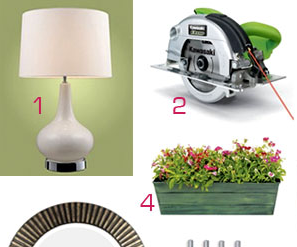
Some giveaways whisper, “Here’s a tiny coupon for something you may never buy.” Others march into the room wearing tap shoes and announce, “Take a look around your housewhat needs upgrading?” That is the spirit behind Fab Freebie: Everything But The Kitchen Sink, a playful home-focused freebie idea inspired by the kind of giveaway that makes design lovers suddenly notice every lamp, drawer pull, rug, towel bar, and sad little corner shelf in their home.
The phrase “everything but the kitchen sink” is charming because it sounds exaggerated, yet anyone who has ever browsed home goods online knows the feeling. You start by looking for one practical item, maybe a faucet or a light fixture, and five minutes later you are emotionally attached to a storage bench, a bird-shaped hook, and a soap dispenser that looks more confident than you do before coffee. A strong home freebie taps into that exact thrill: the chance to choose something useful, beautiful, or wonderfully unnecessary without draining your decorating budget.
This guide breaks down what makes a home freebie worth entering, how smart shoppers can approach giveaways safely, and how to turn a prize, coupon, gift card, product sample, or promotional credit into a real improvement for your space. Think of it as your practical, slightly nosy friend who loves deals but also reads the fine print.
What “Everything But The Kitchen Sink” Means in a Freebie World
In everyday language, “everything but the kitchen sink” means almost everything imaginable. In the home shopping universe, it means variety: lighting, hardware, bathroom accessories, organization tools, décor, furniture, kitchen gadgets, bedding, and all the tiny finishing touches that make a house feel less like a box with Wi-Fi.
A great freebie does not always need to be expensive. The magic is in usefulness. A $10 organizer can solve a daily irritation better than a $200 statement piece that sits in the corner looking stylish but emotionally unavailable. The best home freebies give people choice. Instead of sending every winner the same random object, a gift card or shopping credit lets the winner match the prize to a real need.
Why Home Freebies Are So Popular
Home improvement and decorating are emotional categories. People do not simply buy curtain rods; they buy the hope that the living room will finally stop looking like a temporary campsite. A freebie makes that hope feel more reachable. It gives shoppers permission to try something new, upgrade a neglected area, or buy the item they kept removing from their cart because “we should be responsible adults.” Responsible adults deserve nice cabinet knobs too.
They Help Shoppers Discover New Brands
Brands use giveaways to introduce themselves to shoppers who may not have found them otherwise. A person who wins a small home credit may browse lighting, rugs, bath fixtures, storage items, or kitchen accessories and return later as a paying customer. That is not sneaky; it is marketing with a bow on top.
They Create Real Word-of-Mouth
People love sharing good finds. If a freebie winner uses a gift card to buy a beautiful pendant light or a clever pantry organizer, they may post photos, recommend the store, or tell a friend. For brands, that authentic enthusiasm is more valuable than a banner ad screaming into the digital void.
They Make Home Updates Feel Less Intimidating
Not everyone is ready to remodel a kitchen or install a new bathroom vanity. But almost anyone can swap a lampshade, upgrade a towel hook, replace a tired doormat, or add a storage basket. Freebies lower the pressure. They say, “Start small. Your house will not judge you. Well, maybe the laundry room will, but it has been through a lot.”
How to Choose the Best Item If You Win a Home Freebie
Winning a shopping credit is exciting. It can also trigger decision paralysis. Suddenly every product looks important. The trick is to shop with a plan instead of wandering through the internet like a raccoon in a home décor warehouse.
Start With the Annoyance Test
Ask yourself: what part of my home annoys me every single day? Maybe the entryway has no place for keys. Maybe the bathroom towel bar is loose. Maybe your kitchen drawer is a small museum of chaos. A freebie becomes more valuable when it removes a repeated irritation.
Measure Before You Fall in Love
Home shopping heartbreak often begins with the phrase, “I think it’ll fit.” Measure your space before ordering. Check height, width, depth, clearance, cord length, mounting requirements, and return policies. A gorgeous shelf that blocks a door is not décor; it is a household obstacle course.
Pick Timeless Over Trendy When Possible
Trendy items are fun, but practical freebies stretch further when they survive more than one season. Neutral hardware, classic lighting, sturdy storage, quality towels, and simple organizers are often safer choices than ultra-specific novelty pieces. Unless the novelty piece is a ceramic goose wearing sunglasses. That goose knows what it did.
Think About Installation Costs
A free item may not be fully free if it requires tools, wiring, plumbing, or professional installation. Before choosing a faucet, fixture, or mounted item, estimate the total project cost. A prize should feel like a win, not the opening act for a surprise invoice.
Smart Categories for a Kitchen-Sink-Level Freebie
If a giveaway gives you freedom to choose, focus on categories that deliver visible improvement without turning your weekend into a construction documentary.
Lighting
Lighting changes a room fast. A new table lamp, pendant shade, sconce, or under-cabinet light can make a space feel warmer and more finished. Choose the right scale and bulb tone. Cool white light in a cozy bedroom can make the room feel like a dentist’s office with throw pillows.
Cabinet Hardware
Knobs and pulls are small but mighty. Swapping dated hardware can refresh a kitchen, bathroom, dresser, or built-in cabinet without major renovation. Count every knob before ordering, then count again. Missing one pull is how a simple upgrade becomes a tiny domestic mystery.
Storage and Organization
Baskets, drawer dividers, hooks, bins, racks, and shelves are the unsung heroes of home freebies. They may not be glamorous, but they make daily life smoother. The best organizers fit your habits rather than forcing you to become a totally different person by Tuesday.
Bath Accessories
A fresh shower curtain, towel set, soap pump, robe hook, or bath mat can make a bathroom feel cleaner and more intentional. Choose washable materials and finishes that can handle humidity. Bathrooms are tiny weather systems with mirrors.
Kitchen Tools and Countertop Helpers
Cutting boards, utensil crocks, spice racks, dish towels, compost bins, sink caddies, and small gadgets are excellent freebie picks when they solve real cooking problems. Avoid single-use tools unless you truly love the task they perform. A banana slicer may be amusing, but a sharp knife is still undefeated.
How to Enter Freebies Without Regretting It Later
Freebies are fun, but not every “Congratulations!” message deserves your trust. A legitimate giveaway should have clear rules, a real sponsor, a stated prize, an entry deadline, eligibility requirements, and a simple way to understand how the winner is selected. If a promotion feels vague, rushed, or weirdly demanding, treat that as your cue to slow down.
Never Pay to Claim a Prize
Real sweepstakes and giveaways should not require winners to pay surprise fees to receive a prize. Be especially careful with requests for taxes, shipping, processing charges, gift cards, wire transfers, cryptocurrency, or payment apps. “Pay us so we can give you something free” is not a prize; it is a red flag wearing a party hat.
Protect Your Personal Information
Many legitimate giveaways ask for basic contact details. That does not mean they need your Social Security number, bank login, full financial profile, or a photo of your credit card. Share only what is necessary. Use a dedicated email address for freebie entries if you want to keep your main inbox from becoming a confetti cannon.
Check the Sponsor
Before entering, confirm that the giveaway appears on the official website or verified social account of the brand, blog, retailer, or platform running it. Scammers often imitate trusted companies with look-alike pages. Check spelling, account age, follower quality, comments, and whether the promotion links back to a real business.
Read the Rules
Yes, rules are boring. So are smoke detectors, but you still want them working. Giveaway rules tell you who can enter, whether the prize is taxable, when the winner is chosen, how the winner is contacted, and whether purchase is required. If rules are missing entirely, pause before giving away your information.
Free Samples vs. Giveaways vs. Product Testing
Not all freebies work the same way. Understanding the difference helps you choose opportunities that match your time and comfort level.
Free Samples
Samples are usually small trial-size products sent by brands to encourage future purchases. They are common in beauty, food, cleaning, pet care, and household goods. Samples can be delightful, especially when they arrive on a day when your mailbox otherwise contains only bills and one suspicious pizza flyer.
Giveaways and Sweepstakes
Giveaways usually involve chance, a deadline, and one or more winners. Prizes can include gift cards, home goods, appliances, décor, shopping credits, or bundles. The upside is a potentially larger reward. The downside is that everyone else wants the cool thing too.
Product Testing Programs
Product testing platforms often match users with items in exchange for feedback, reviews, surveys, or social sharing. These programs can be legitimate and useful, but they require honesty. A free product does not mean you must pretend every hand soap is life-changing. “Smells nice, pump is weird” is still valuable feedback.
How Brands Benefit From “Fab Freebie” Campaigns
For businesses, a well-run freebie campaign can generate attention without feeling pushy. It introduces products, builds an email list, encourages social sharing, and creates goodwill. The best campaigns are specific enough to attract the right audience. A home décor giveaway should reach people who care about home décor, DIY projects, organization, or renovationnot random contest hunters who would enter to win a decorative mailbox for a submarine.
Brands also learn from what people choose. If a winner uses a shopping credit on lighting, storage, or kitchen accessories, that behavior gives clues about what customers value. Freebies can be tiny research labs disguised as fun.
How Bloggers and Publishers Can Run Better Freebies
A “Fab Freebie” post works best when it is simple, transparent, and genuinely useful to readers. The headline should clearly communicate the prize. The introduction should explain why the prize is desirable. The entry instructions should be easy to follow. The rules should be accessible. The tone should be enthusiastic but not breathless enough to fog up the windows.
Make the Prize Relevant
If your audience loves home improvement, offer something for the home. If they love cooking, offer kitchen tools, pantry staples, or cookware. Relevance matters more than size. A focused $100 prize can outperform a random $500 bundle if readers actually want it.
Disclose Partnerships Clearly
If a brand sponsors the giveaway or provides the prize, say so plainly. Readers appreciate honesty. They are smart enough to understand that partnerships help publishers create fun opportunities. What they dislike is feeling tricked.
Keep Entry Steps Reasonable
One or two entry steps are fine. Twenty-seven steps, three interpretive dances, and a promise to tag every cousin you have ever met? That is how people close the tab. Make entry easy, fair, and respectful of readers’ time.
Turning a Small Freebie Into a Bigger Home Upgrade
The secret to getting more value from a freebie is pairing it with a focused mini-project. A gift card or sample does not have to transform an entire room. It can start a chain reaction in one small zone.
For example, a free set of hooks can organize an entryway. A discounted light fixture can refresh a breakfast nook. A sample-size cleaner can help test a product before buying the full version. A free storage bin can become the beginning of a pantry reset. Small wins create momentum, and momentum is often what home projects need most.
Try the “one surface” method. Choose one countertop, one drawer, one shelf, one bathroom corner, or one closet section. Use your freebie to improve that spot. Finish it completely before moving on. This keeps the project satisfying instead of turning your home into a half-finished treasure hunt.
Common Mistakes Freebie Hunters Make
The first mistake is chasing every offer. Free is not automatically useful. If you do not need it, cannot store it, or will never use it, the item is not a bargain; it is clutter with better public relations.
The second mistake is ignoring privacy. Giveaways can lead to marketing emails, retargeting ads, and promotional texts. That may be fine when you like the brand. It is less fun when you entered one contest and your inbox now thinks you are renovating a castle.
The third mistake is forgetting the total cost. If a free item requires expensive accessories, special installation, or paid shipping, evaluate the full picture. A smart freebie should save money, solve a problem, or add joy. Ideally all three, but we will accept two out of three if the throw pillow is excellent.
Experience Notes: What “Everything But The Kitchen Sink” Teaches Freebie Lovers
The most relatable thing about a home freebie is the fantasy stage. You see the prize, imagine your home instantly upgraded, and suddenly your brain becomes a lifestyle magazine. The hallway will be calmer. The kitchen will sparkle. The junk drawer will apologize for its behavior. This excitement is part of the fun, and there is nothing wrong with enjoying it.
In experience-style terms, the best freebie wins usually start with a specific need. Imagine someone entering a home giveaway and winning a shopping credit. The first impulse might be to buy something dramatic, like a statement mirror or a bold light fixture. But after walking through the house, the real problem becomes obvious: the family entryway is a pile of shoes, bags, mail, and one lonely umbrella that has seen things. Instead of buying the flashiest item, the winner chooses wall hooks, a compact bench, and a basket. Not glamorous? Maybe. Life-changing at 7:42 a.m. on a school day? Absolutely.
Another common experience is the “tiny upgrade, big mood” effect. A renter may not be able to replace cabinets or renovate a bathroom, but a free set of peel-friendly organizers, a better shower curtain, or a countertop tray can make the space feel more personal. Freebies are especially satisfying when they work within real-life limits: rental rules, small budgets, awkward layouts, and homes where every closet is already negotiating for peace.
Then there is the lesson of patience. Many freebie hunters sign up for everything and expect instant treasure. In reality, samples may take weeks, giveaways are competitive, and product testing invitations depend on demographics, interests, and availability. The people who enjoy freebies most treat them as occasional bonuses, not a financial plan. They enter thoughtfully, track what they requested, and celebrate the little wins.
The funniest experience is receiving something you forgot you requested. A small package appears, and for one dramatic second you feel like a mysterious benefactor has chosen you. Then you open it and remember you signed up for a sponge sample during lunch three weeks ago. Still, that sponge has arrived, and it is now the celebrity of the kitchen sink area.
The biggest lesson is that freebies should serve your life, not clutter it. A fabulous freebie is not the one with the highest retail value; it is the one that earns its place. If it makes a routine easier, a room prettier, a shelf tidier, or a project more affordable, it has done its job. Everything but the kitchen sink sounds like abundance, but the smartest freebie lovers know when to choose less, choose better, and leave the imaginary sink exactly where it belongs.
Conclusion
Fab Freebie: Everything But The Kitchen Sink is more than a catchy giveaway title. It captures the joy of possibility: the chance to refresh a room, solve a small home problem, discover a new brand, or simply enjoy the thrill of getting something useful for free. Whether you are entering a home décor giveaway, testing a household product, or browsing free sample offers, the best strategy is simple: stay curious, stay organized, and stay skeptical of anything that asks for money before handing over a “free” prize.
Freebies should feel fun, not risky. Choose offers from trustworthy sources, read the rules, protect your personal information, and focus on items that genuinely improve your home. When done wisely, a good freebie can be the beginning of a smarter, happier, more functional space. And if it also gives your kitchen drawer a reason to stop being chaotic, that is not just a freebie. That is a public service.











