
If your house has been whispering, “Help me,” but your wallet has been yelling, “Absolutely not,” take a deep breath. Good home improvement does not always require a dramatic demolition montage, a contractor convoy, or a budget that makes your eye twitch. Sometimes the smartest upgrades are the small ones: a fresh coat of paint, better lighting, sharper hardware, cleaner lines, and a little strategic elbow grease.
The secret behind low-cost home improvement ideas is simple. You are not trying to rebuild the house. You are trying to make it look cleaner, work better, feel brighter, and appear more intentional. That is where real impact lives. A modest weekend project can make a cramped room feel bigger, a tired kitchen feel fresher, or a plain exterior feel more welcoming. In other words, your home does not need a glow-up worthy of reality TV. It just needs better decisions.
Below, you will find 30 budget-friendly home improvement ideas that can refresh your space without draining your savings. Some are cosmetic. Some improve function. Some save energy. All of them punch above their price tag.
Why Small Home Upgrades Often Deliver the Biggest Bang for Your Buck
Expensive renovations usually grab headlines, but smaller projects win in real life because they solve visible problems fast. Paint covers wear. Lighting changes mood. Hardware updates make old cabinets feel current. Caulk and weatherstripping reduce drafts and make a home feel more polished and comfortable. Even something as humble as a mailbox makeover can suggest that the whole property is better cared for.
The best low-cost home improvement projects usually do one of three things: improve first impressions, improve daily convenience, or reduce the little annoyances that make a home feel older than it is. If you can check two of those boxes with one project, you are cooking with gas. Or with induction, if you are feeling modern.
Exterior Upgrades That Instantly Boost Curb Appeal
1. Paint the Front Door
A front door is basically your home’s handshake. If it looks faded, scuffed, or sad, the whole exterior loses energy. A bold but tasteful color can make the entry feel fresh, welcoming, and cared for. This is one of the easiest ways to create a before-and-after moment in a single afternoon.
2. Replace House Numbers
Old, tiny, or mismatched house numbers are easy to overlook until you swap them out. Clean, modern numbers make the exterior feel sharper immediately. They also help delivery drivers, which may be the most practical luxury of all.
3. Upgrade the Porch Light
Builder-grade lighting rarely adds charm. A new fixture can make the front entry feel warmer, newer, and more intentional. Choose a style that suits the architecture of your home rather than chasing whatever trend is currently sprinting across the internet.
4. Give the Mailbox a Makeover
A fresh coat of paint, a sturdier post, or updated numbers can turn a neglected mailbox into a surprisingly effective curb appeal booster. It is a tiny detail, but tiny details are often what separate “fine” from “wow, this place feels put together.”
5. Power Wash the Right Surfaces
Dirt is sneaky. It makes siding, walks, porches, and driveways look older than they are. A careful power wash can reveal a cleaner, brighter exterior in one weekend. Just make sure the surface can handle it, because “I accidentally blasted the finish off my house” is not the affordable upgrade story anyone wants.
6. Refresh Mulch and Edge the Beds
Fresh mulch is like eyeliner for landscaping. It makes everything look more defined and more expensive, even when the plants are not exactly auditioning for a garden magazine. Crisp bed edges make the yard look maintained, which buyers and guests notice right away.
7. Add Planters Near the Entry
Two simple planters flanking the front door can make an ordinary porch feel styled and inviting. Go for symmetry if you want a classic look, or mix heights and textures if you prefer something more relaxed.
8. Touch Up Trim, Shutters, and Railings
You do not always need to repaint the whole house. Sometimes touching up worn trim, shutters, or porch railings is enough to make the exterior look cleaner and more cared for. This is one of those “small effort, suspiciously big reward” projects.
Living Room and Common Area Ideas That Change the Mood Fast
9. Paint One Room, Not the Entire House
If your budget is tight, pick the room that will give you the biggest emotional return. A fresh coat of paint can reset a space completely. Warm whites, soft greiges, muted blues, and earthy greens tend to feel calm and flexible without being boring.
10. Standardize Your Light Bulbs
This sounds almost too simple, but mismatched bulb temperatures make a home feel chaotic. When one lamp glows icy blue and the next looks candle-warm, the room feels off. Matching your bulbs creates visual consistency and immediately improves ambiance.
11. Layer Your Lighting
One lonely overhead fixture is not a lighting plan. It is a cry for help. Add a floor lamp, table lamp, or wall light so the room has ambient, task, and accent lighting. The space will feel softer, richer, and more comfortable without major expense.
12. Replace Dated Lampshades
If the lamp base is fine but the shade looks tired, yellowed, or crooked, replace the shade. It is a low-drama update that can make old lighting feel new again.
13. Add Peel-and-Stick Wallpaper to One Wall
An accent wall can bring pattern and personality without committing to a full-room project. Peel-and-stick wallpaper works especially well in powder rooms, entry nooks, offices, and behind open shelving.
14. Install Crown Molding or Simple Trim
Trim is one of the best ways to make a room feel more finished. Crown molding, picture-frame molding, or simple casing around doors and windows adds character and gives even plain rooms a more custom look.
15. Paint a Brick Fireplace or Refresh the Mantel
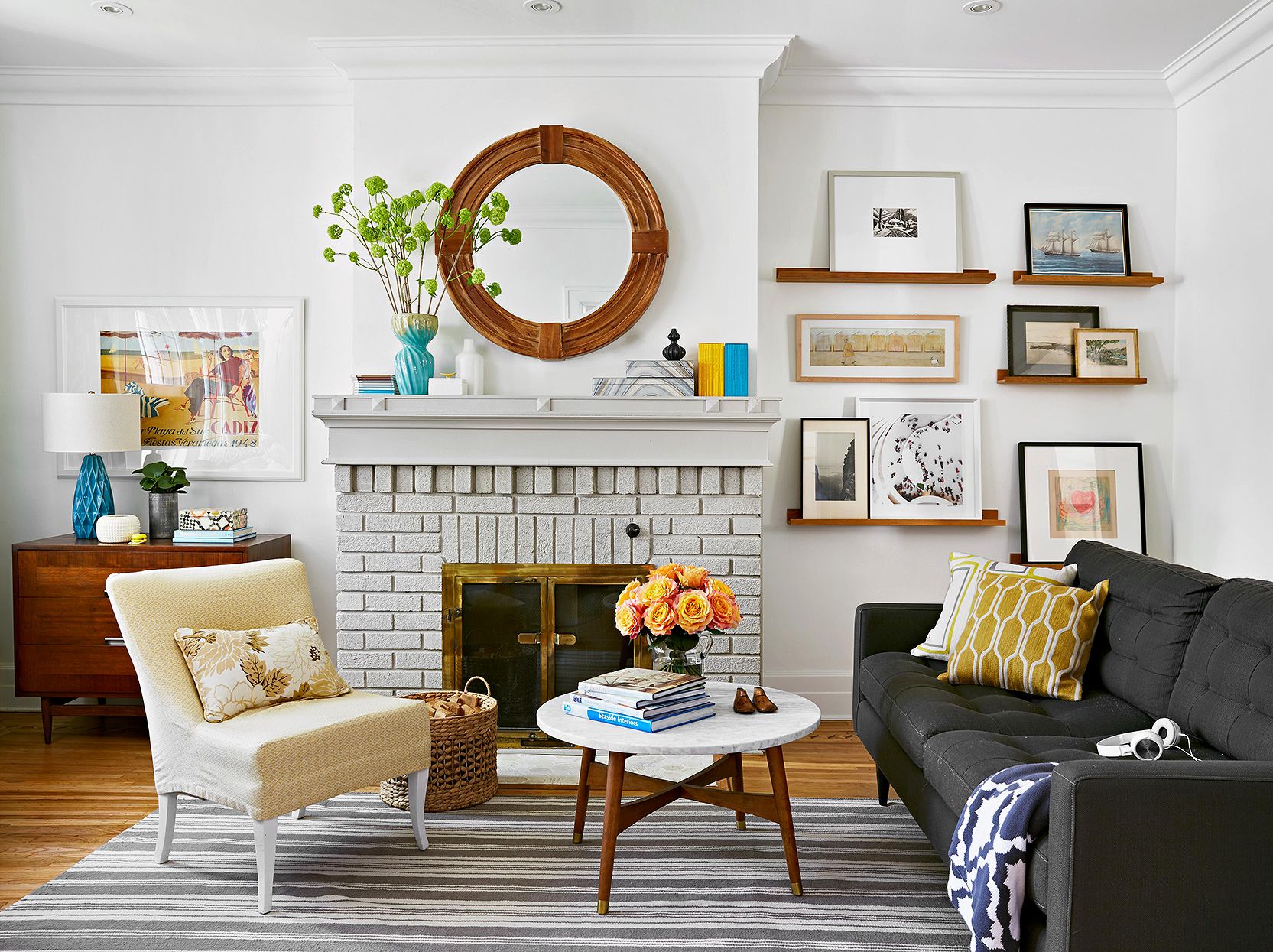
If an old fireplace is dragging the whole room backward in time, paint or refinish it carefully. A simple mantel refresh, new styling, or updated surround can turn an awkward focal point into a strong one.
Kitchen Improvements That Look Expensive Without Acting Expensive
16. Change Cabinet Hardware
New knobs and pulls are the classic budget kitchen upgrade for a reason: they work. Swapping dated hardware for something cleaner and more current can make existing cabinets look more intentional and more polished. It is fast, affordable, and deeply satisfying.
17. Add a Budget-Friendly Backsplash
If the kitchen feels unfinished, a backsplash can bring it together. Peel-and-stick tile, beadboard, or a basic tile pattern can add color, texture, and protection without requiring a full remodel.
18. Install Under-Cabinet Lighting
Few cheap upgrades feel as fancy as under-cabinet lighting. It makes counters more functional and gives the kitchen a warm, layered look in the evening. Suddenly your leftovers are being reheated in atmosphere.
19. Paint the Island or Lower Cabinets
If painting the entire kitchen feels overwhelming, focus on just the island or a lower run of cabinets. A contrasting color can create depth and give the room a more custom design feel.
20. Declutter Counters and Create an Appliance Zone
This one costs little to nothing, but the visual payoff is huge. Move rarely used appliances to a cabinet, shelf, or designated corner so counters feel larger and cleaner. A tidy kitchen always photographs better and lives better.
21. Swap the Faucet
A new kitchen faucet can improve both looks and function. Choose one with a pull-down sprayer if your current faucet fights you every time you rinse a pan. Small convenience upgrades tend to earn their keep quickly.
Bathroom and Bedroom Updates That Feel Fresh, Not Fussy
22. Frame the Builder-Grade Bathroom Mirror
A plain sheet mirror can make the bathroom feel unfinished. Framing it with trim creates a more polished, furniture-like look for a fraction of the cost of a full replacement.
23. Replace the Showerhead
If your shower currently feels like being lightly scolded by a garden hose, change the showerhead. This is a practical quality-of-life improvement that can make a dated bathroom feel upgraded.
24. Re-Caulk the Tub and Sink
Fresh caulk is not glamorous, but it is one of the fastest ways to make a bathroom look cleaner and newer. Dingy, cracked caulk quietly tells everyone the room has been neglected. Clean lines say the opposite.
25. Update the Vanity Light
Bathroom lighting has enormous influence on how the room looks and how you look in it. A new fixture can add style and better function, especially if your current setup makes every morning feel like bad interrogation lighting.
26. Add a Roman Shade or Better Window Treatment
Window treatments are often an afterthought, but they can give a room softness, privacy, and a more finished look. A simple Roman shade or woven shade works in bedrooms, baths, kitchens, and living spaces alike.
Storage, Organization, and Everyday Function
27. Build an Entry Organizer
Hooks, cubbies, a small bench, or a repurposed bookcase can turn a messy entryway into a functioning landing zone. Shoes, bags, and coats stop wandering across the house like they pay rent.
28. Install Modular Shelving
Blank walls are missed opportunities. Modular shelving can add display space, storage, and visual structure to a room. Use baskets or bins to hide the ugly stuff, and leave some breathing room so the shelves do not become a museum of random receipts and tangled chargers.
29. Refresh the Closet Instead of Expanding It
A closet does not need to be bigger to work better. Add a second hanging rod, shelf dividers, matching hangers, or baskets. Smart organization often creates the feeling of extra square footage without actually adding any.
Energy-Saving and Maintenance Fixes That Quietly Improve Everything
30. Caulk and Weatherstrip Drafty Spots
This is not the flashiest project on the list, but it may be one of the smartest. Sealing gaps around doors and windows can reduce drafts, improve comfort, and lower energy waste. It also makes your home feel tighter, quieter, and less like it is negotiating with the weather.
How to Choose the Right Budget Home Improvement Project
When deciding where to start, do not ask, “What is the trendiest update?” Ask, “What annoys me every day?” The answer usually points to the best project. If the house feels dark, improve lighting. If it feels dated, paint and hardware may do the trick. If it feels cluttered, fix storage first. If the exterior looks tired, focus on the entry and landscaping.
Also, choose upgrades that match your goals. If you plan to stay for years, prioritize comfort and function. If you may sell soon, lean into universally appealing improvements: clean paint, tidy landscaping, updated lighting, fresh hardware, and visible maintenance. Buyers love charm, but they also love signs that the house has not been quietly falling apart behind the scenes.
Experience: What Homeowners Learn From Cheap Upgrades That Actually Work
One of the most common experiences homeowners report after tackling low-cost home improvement projects is a little shock. Not the bad kind. The “wait, why didn’t I do this two years ago?” kind. A front door gets painted, and suddenly the whole exterior feels friendlier. Cabinet hardware gets swapped, and the kitchen stops looking like a time capsule from the early 2000s. Fresh caulk appears around the tub, and the bathroom no longer gives off “budget motel with mystery mildew” energy.
The biggest lesson is that small changes are often easier to feel than to measure. You may not gain a massive appraised value from replacing lampshades, adding under-cabinet lighting, or organizing the entryway. But you absolutely feel the difference every day. You walk into the room and it feels calmer. You open a closet and it works better. You turn on a light and the house finally looks like it belongs to adults who make plans.
Another common experience is momentum. Homeowners rarely stop at one simple update. Paint one room, and suddenly the tired trim in the hallway becomes impossible to ignore. Replace the porch light, and now the faded house numbers look suspicious. Refresh the kitchen backsplash, and you start wondering whether the faucet has always looked that cheap. This is both the joy and the danger of home improvement. One smart project often reveals three more.
People also learn that affordability depends as much on restraint as on price. The most successful low-cost projects usually avoid overcomplication. Instead of replacing every cabinet, they paint one island. Instead of redoing an entire bath, they frame the mirror, replace the light, and re-caulk the tub. Instead of landscaping the whole yard, they edge the beds, spread fresh mulch, and place two attractive planters by the door. The result still feels transformative because the eye notices what changed first.
There is also a psychological benefit that rarely gets enough credit. A cleaner, brighter, better-organized home changes how people use their spaces. They invite friends over more often. They enjoy their morning coffee in the kitchen instead of fleeing to the couch. They spend time on the porch after work because the entry finally feels welcoming. Even practical fixes, like weatherstripping or a better showerhead, improve daily life in ways that feel bigger than the receipt suggests.
And perhaps the most valuable experience of all is learning that “home improvement” does not have to mean chaos. It can mean one weekend, one wall, one fixture, one shelf, one problem solved. That mindset makes improvement feel less intimidating and more sustainable. You do not need a monster renovation budget to create a home that looks loved. You need a plan, a little patience, and enough wisdom to know that a gallon of paint and a screwdriver can still perform miracles.
Conclusion
The best low-cost home improvement ideas are not flashy for the sake of being flashy. They are targeted, practical, and surprisingly powerful. Paint refreshes tired rooms. Lighting changes mood. Hardware sharpens the details. Storage restores order. Entry upgrades improve first impressions. And basic maintenance quietly protects everything else you have already paid for.
If you are trying to improve your home on a budget, start small but start smart. Choose projects that make your space more comfortable, more functional, and more attractive right now. The wins add up. Before long, your house feels less like a list of unfinished chores and more like a place that is working with you instead of against you. Which, frankly, is the kind of teamwork every homeowner deserves.












