
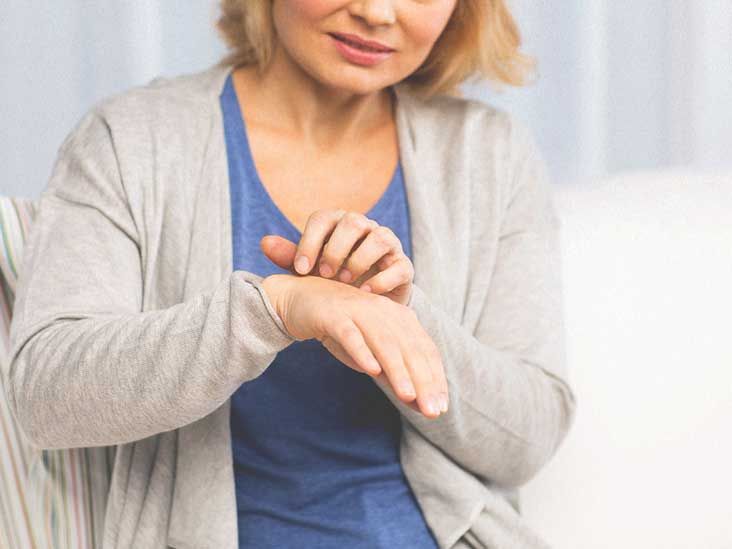
Your hands do a lot. They open doors, shake hands, scroll endlessly, andlet’s be honesttouch things that probably should not be touched in public.
So when a mysterious dry, scaly patch shows up on your palm or the back of your hand, it’s easy to assume it’s “just dry skin,” “stress,” or “the soap at school/work.”
Sometimes, though, it’s a fungal infection called tinea manuumbasically, ringworm on the hand (no worms invited).
This article breaks down what tinea manuum is, how you catch it, what it looks like, how it’s diagnosed, how it’s treated, and how to keep it from returning
like an unrequested sequel.
What Is Tinea Manuum?
Tinea manuum is a superficial fungal infection of the skin on one or both hands. It can involve the palms, the back of the hand, and the spaces between fingers.
It’s usually caused by dermatophytesfungi that like the outer layer of skin (the part rich in keratin). In everyday language, it’s often lumped under “ringworm.”
A classic pattern is that it shows up on one hand while the feet have athlete’s foot. This is so common it has a nickname:
“two feet, one hand syndrome.” In other words: the fungus sets up a beachhead on the feet, then hitchhikes to the hand via scratching, picking, or rubbing.
Why It Happens: Causes and How It Spreads
The cause
The most common culprits are dermatophyte fungi (often Trichophyton species). They thrive in warm, moist environments and can survive on surfaces and items
long enough to spread from one person (or place) to another.
How it spreads
Tinea manuum can spread through:
- Skin-to-skin contact: Touching an infected area on someone else (or during close-contact sports).
- Shared items (“fomites”): Towels, gloves, sports gear, hairbrushes, bedding, or clothing that carry fungal particles.
- Animals: Pets (especially kittens and puppies) can carry ringworm fungi.
- Surfaces in damp areas: Locker rooms, public showers, pool decks, gym matsanywhere “warm + humid” is basically the vibe.
- Self-spread: Moving fungus from feet (tinea pedis) or nails to the hand by scratching or picking.
Risk Factors: Who’s More Likely to Get It?
Tinea manuum can happen to anyone, but certain situations make it more likely:
- Having athlete’s foot or fungal nail infection: The hand often gets involved second.
- Frequent exposure to moisture: Sweaty hands, humid climates, wearing occlusive gloves for long periods.
- Communal sports environments: Shared mats, locker rooms, contact sports like wrestling.
- Jobs/hobbies that rough up hands: Mechanics, construction, food service, healthcare, animal handlingmicro-cuts and irritation can make it easier for fungus to settle in.
- Medical factors: A weakened immune system, diabetes, or conditions that reduce skin barrier defenses can increase risk.
Symptoms: What Does Tinea Manuum Look and Feel Like?
Tinea manuum can be sneaky because it doesn’t always look like the classic “ring.” Many cases look like plain old drynessuntil it doesn’t.
Common signs on the palm
- Dryness and thickened skin (hyperkeratosis) on the palm
- Scaling, sometimes with a powdery or “floury” look
- Deep cracks (fissures) that can sting or hurt
- Fine white scaling in the creases
- Itching (may be mild or intense)
Common signs on the back of the hand
- Round or ring-like patches with a scaly border
- Raised edges and sometimes a clearer center
- Color changes that can look red/pink on lighter skin and brown/gray on darker skin tones
Between the fingers
- Redness, scaling, and irritation in the web spaces
- Occasional small bumps or blister-like areas
A big clue: the “one-hand” pattern
Hand eczema often affects both hands fairly evenly. Tinea manuum commonly shows up on one handespecially if you also have athlete’s foot on both feet.
That “unbalanced” pattern is a helpful hint, not a guarantee.
Tinea Manuum vs. Hand Eczema vs. Psoriasis
One reason tinea manuum sticks around is that it can impersonate other skin conditions. The treatment for eczema often includes topical steroids.
Here’s the catch: steroid creams can make ringworm worse and can even change the rash’s appearance, making diagnosis harder.
Clues that lean toward tinea manuum
- One hand is clearly worse than the other
- There’s also athlete’s foot or fungal toenails
- A rash has a more annular (ring-like) border or expands outward over time
- The rash worsened after steroid cream (a classic “oops” moment)
Clues that lean toward eczema/contact dermatitis
- Both hands are irritated, especially after frequent washing, sanitizer use, detergents, or work exposure
- Flare-ups come and go with triggers (water, soaps, gloves, chemicals)
- There may be tiny, itchy blisters along the sides of fingers (dyshidrotic dermatitis)
Clues that lean toward psoriasis
- Thick, sharply bordered plaques
- Nail changes typical of psoriasis (pitting, separation)
- Psoriasis patches elsewhere (elbows, knees, scalp)
Bottom line: if it’s not improving with reasonable careor it gets worse with steroid creamconsider getting it checked.
A quick test can save you weeks of “why is my hand doing this?” spiraling.
How It’s Diagnosed
A clinician often starts with a visual exam and a few key questions (including: “How are your feet?”yes, even if you came in for your hand).
Because tinea has many look-alikes, confirmation testing can be useful.
Common diagnostic tests
- KOH prep (potassium hydroxide test): A gentle skin scraping is examined under a microscope. KOH helps clear away skin cells so fungal elements are easier to see.
- Fungal culture: If the diagnosis is unclear or treatment isn’t working, a culture can identify the fungus. It’s more specific, but slower.
- Dermoscopy: A handheld tool can help visualize characteristic scaling patterns on the palm.
Treatment: What Actually Works
The good news: tinea manuum is treatable. The “less fun” news: it can be stubborn, especially if there’s also athlete’s foot or nail involvement.
Successful treatment usually means treating all affected areas (hand + feet + nails if needed), and using medication for the full recommended duration,
even if things look better halfway through.
1) Topical antifungals (often first line)
For mild or localized tinea manuum, an over-the-counter antifungal cream may be enough. Common options include:
clotrimazole, miconazole, terbinafine, and others.
Many regimens are used for 2 to 4 weeks for skin ringwormsometimes longer for hands, depending on severity and product directions.
How to use topical antifungals like a pro:
- Wash and dry the area completely before applying.
- Apply a thin layer to the rash and a small border of normal-appearing skin around it.
- Use it as directed (often once or twice daily).
- Keep going for the full courseeven if it looks “gone.” Fungus loves a comeback tour.
- Wash hands after applying (and avoid touching other areas until you do).
2) Oral antifungals (for tougher cases)
A healthcare provider may recommend an oral antifungal when:
- The infection is extensive or keeps returning
- Topicals haven’t worked
- There’s nail involvement (fungal nails often need systemic treatment)
- The person is immunocompromised
Common prescription options include medications like terbinafine or itraconazole.
These require clinical oversight because dosing and safety monitoring depend on the person’s overall health and other medications.
3) Don’t mix in steroids unless you’re told to
It’s tempting to grab a steroid cream when a rash itches. But if the rash might be ringworm, steroids can make it worse and disguise it.
If you’re not sure what you’re treating, it’s safer to get a clear diagnosis first.
Home Care: What Helps (and What Backfires)
Helpful habits
- Keep hands dry when possible (dry thoroughly after washing).
- Moisture management: If you wear gloves for work, take breaks so skin can breathe.
- Clean and don’t share towels, gloves, nail tools, or sports gear.
- Treat athlete’s foot promptly to prevent re-seeding your hands.
- Wash linens and towels in hot, soapy water when feasible, especially if they contact the rash.
- Check pets if ringworm keeps circulating at homevets can help confirm and treat animals.
Common backfires
- Stopping treatment early because “it looks better.” (It can return.)
- Only treating the hand while athlete’s foot or fungal nails are still active.
- Using steroid creams on an undiagnosed rash.
- Covering constantly with airtight bandages that trap moisture.
Prevention: How to Stop the Cycle
Prevention is less dramatic than treatment, but it’s where you win the long game.
If you’ve ever treated a fungal infection twice, you already understand the value of a boring-but-effective routine.
- Feet first: Treat athlete’s foot completely (even mild cases), because it commonly travels to the hand.
- Shower shoes: Wear them in locker rooms, gyms, and public showers.
- Don’t share: Towels, gloves, nail clippers, sports equipment, or shoes.
- Hand hygiene: Wash hands after treating any affected area and after contact sports.
- Dry, dry, dry: Fungi love moisture. Reduce it wherever possible.
When to See a Healthcare Provider
Consider getting medical advice if:
- The rash is spreading, painful, oozing, or looks infected
- You’ve used an antifungal correctly for a couple of weeks and it’s not improving
- Your nails are involved (discoloration, thickening, crumbling)
- You have diabetes, a weakened immune system, or frequent recurrences
- You’re not sure if it’s fungal vs. eczema/psoriasis (a quick test can clarify)
FAQ
Is tinea manuum contagious?
Yes. Like other ringworm infections, it can spread through contact with infected skin, shared items, and contaminated surfacesespecially in warm, humid environments.
How long does it take to clear?
Many skin ringworm infections improve with topical treatment in a few weeks, but hands can take longer depending on severity and whether feet/nails are also infected.
Following the full course matters more than speed.
Can I treat it at home?
Mild cases may respond to over-the-counter antifungal creams when used correctly. If it’s not improving, keeps returning, or involves nails, professional evaluation is a smart move.
Real-Life Experiences: What People Commonly Notice (and What They Wish They Knew Sooner)
A lot of “tinea manuum stories” start the same way: someone notices their palm is rough and flaky and assumes it’s just dry skin.
They switch soaps, buy a fancy hand cream, and go through an entire hydration era. The hand stays stubbornly scaly anywayoften just on one side.
That’s usually the first lesson: a one-sided “dry hand” that won’t budge deserves a second opinion, especially if your feet have been itchy or peeling, too.
Another common experience is the “eczema detour.” People try an over-the-counter steroid cream because it calms itching fast.
For a moment, things look betterthen the rash spreads or becomes weirder. That roller coaster can be frustrating, but it has a clear explanation:
steroids can quiet inflammation without addressing the fungus, allowing it to keep growing in the background.
Many people later say, “I wish I’d known not every rash is a steroid problem.”
Tinea manuum also loves to interfere with everyday life in surprisingly annoying ways:
handshakes feel awkward, sports grips slip, and cracks in the palm can sting when you use sanitizer.
Students and office workers often mention that constant handwashing makes it hard to tell what’s whatdryness from soap vs. scaling from fungus.
A practical takeaway is to think in patterns: fungal infections often have defined scaling and may expand slowly, while irritant dermatitis tracks closely with exposures
(new soap, lots of cleaning, repeated sanitizer).
People involved in sportsespecially wrestling or gym workoutsfrequently describe the “where did this come from?” moment.
The truth is: fungi don’t need a dramatic entrance. A shared mat, a borrowed towel, damp gloves, or walking barefoot in a locker room is enough.
The experience-driven lesson here is less about fear and more about routines: shower after practice, don’t share towels, and keep skin dry.
Small habits feel boring until they save you from a month of antifungal applications.
Another theme that comes up a lot is re-infection. Someone treats the hand faithfully, but ignores the mild athlete’s foot they’ve had “forever.”
Thensurprisethe hand infection returns. It’s not bad luck; it’s unfinished business.
Treating both feet and the hand at the same time (when both are involved) is often what finally breaks the cycle.
And if nails are part of the picture, many people learn that nail infections can take longer and may need medical treatmentbecause nails are like a cozy bunker for fungus.
Finally, there’s the “it’s not your fault” lesson. Tinea manuum isn’t a cleanliness moral judgment.
It’s a common infection that thrives in normal human environmentswarmth, moisture, friction, shared spaces.
What matters is recognizing it early, treating it correctly for the full course, and adjusting a few habits to prevent a repeat performance.
If you’ve ever fought a stubborn rash and felt confused, you’re in good companyand you’re also exactly the kind of person who benefits from a quick test and a straightforward plan.












