
If you’ve been hearing the phrase “Ozempic muscle loss” tossed around like a dumbbell at a chaotic gym class, take a breath. The truth is more nuanced than the panic posts make it sound. Ozempic, the brand name for semaglutide used for type 2 diabetes, can lead to weight loss, and some of that weight can come from lean mass. But that does not mean the medication is secretly plotting against your biceps.
What’s really happening is this: when people lose weight quickly, whether from medication, bariatric surgery, strict dieting, or illness, the body usually loses a mix of fat and lean tissue. That lean tissue can include muscle, water, and other components. So yes, muscle loss can happen. No, it is not always dramatic. And yes, there are smart ways to reduce the risk.
This is the part many headlines skip. For many people, semaglutide improves health in meaningful ways, especially when it is prescribed appropriately and paired with nutrition, resistance training, and follow-up care. The real question is not “Does Ozempic cause muscle loss?” in a cartoon-villain sense. The better question is “How do you lose fat while protecting strength, function, and metabolism?” That’s the question worth your time, your protein shake, and maybe a pair of resistance bands.
What Ozempic actually does
Ozempic belongs to a class of medications called GLP-1 receptor agonists. In plain English, it helps regulate blood sugar, slows stomach emptying, and reduces appetite. That can make it easier to eat less and lose weight over time. It is approved for adults with type 2 diabetes, while semaglutide is also sold under the brand name Wegovy for chronic weight management. In everyday conversation, people often use “Ozempic” as shorthand for the whole semaglutide universe, which is not technically precise, but it happens.
The medication itself is not thought to directly “burn off” muscle. The bigger issue is the weight-loss process. If calorie intake drops sharply, protein intake falls, activity decreases, or nausea makes eating difficult, the body may pull from lean tissue along with fat. That’s where concerns about muscle loss enter the chat.
Ozempic and muscle loss: what’s the real connection?
Lean mass loss is common during weight loss
When researchers study body composition during semaglutide treatment, they usually find that people lose far more fat than lean tissue. That is the good news. The not-so-glamorous footnote is that lean mass often drops too. Some reports suggest that more than 30% of weight lost on these medications can come from muscle or lean mass, though the exact amount varies depending on age, diet, exercise habits, starting body composition, and how fast the weight comes off.
That sounds alarming until you add context. During one semaglutide body composition substudy, total lean body mass decreased, but the proportion of lean mass relative to total body weight increased because fat mass dropped even more. Translation: the scale moved down, body composition often improved, but preserving muscle still matters because strength and function are not just vanity metrics. They are quality-of-life metrics.
Lean mass is not exactly the same as muscle
This is one of those annoying-but-important details. “Lean mass” is broader than “muscle.” It includes muscle, yes, but also water and other nonfat tissues. So when you see a scary stat online claiming a huge chunk of weight loss is “muscle,” that may oversimplify what body composition scans are actually measuring.
Still, the concern is real. If you lose too much actual muscle, you may notice weakness, fatigue, worse exercise tolerance, and a lower resting metabolic rate. In older adults or people who already have low muscle mass, this matters even more.
Why rapid weight loss can cost you strength
Your body loves efficiency. Unfortunately, it sometimes interprets “I am eating much less” as “We should conserve resources.” If you are not giving your body enough protein or a reason to keep muscle through resistance training, it may trim down muscle along with fat. From your body’s perspective, unused muscle is expensive real estate.
Rapid weight loss can also come with nausea, vomiting, dehydration, and a generally lower desire to eat. If your meals turn into half a yogurt, three crackers, and an emotional support iced coffee, you may not be getting enough energy or protein to hold onto muscle tissue. That’s when the risk climbs.
There is also a functional angle. People who eat less often move less, sometimes without realizing it. Fewer steps, fewer workouts, fewer everyday movements. Over time, that “I’m just taking it easy today” pattern can chip away at muscle maintenance.
Who may be more likely to lose too much muscle on Ozempic?
Not everyone faces the same risk. Some groups deserve extra attention:
- Older adults: Age-related muscle loss is already common, so any rapid weight loss can hit harder.
- People with low protein intake: If appetite drops and protein goes with it, muscle may follow.
- People who do little or no strength training: Walking is excellent, but it is not enough by itself for maximizing muscle retention.
- People losing weight very quickly: Faster loss can raise the odds of losing more lean tissue.
- Anyone starting with low muscle mass or frailty: This includes some people with chronic illness, mobility limits, or sarcopenia.
- People dealing with strong side effects: Ongoing nausea, vomiting, constipation, or dehydration can make nutrition much harder.
In short, the risk goes up when the body is underfed, under-trained, or already starting from a fragile baseline.
How to tell whether muscle loss may be becoming a problem
The scale will not tell you. The scale is a gossip, not a scientist.
Possible clues that you may be losing too much muscle include:
- Feeling weaker during everyday tasks
- Struggling more with stairs, squats, or carrying groceries
- Losing visible size in the arms, legs, or glutes
- Feeling more fatigued even as the number on the scale improves
- Seeing body weight drop but physical performance worsen
- Plateauing metabolically because your daily energy burn has fallen
If you have access to body composition testing, grip strength testing, or even just good progress tracking in the gym, those can be more useful than obsessing over pounds alone. A smaller body is not automatically a stronger body.
How to protect muscle while taking Ozempic
1. Prioritize protein like it has a job to do
Because it does. Protein gives your body the raw material it needs to repair and maintain muscle tissue. Many clinicians recommend building each meal around a solid protein source instead of treating protein like a decorative garnish. Think eggs, Greek yogurt, cottage cheese, fish, chicken, tofu, edamame, tempeh, lean beef, beans, or a well-chosen protein shake if eating full meals is hard.
There is no universal magic number that fits everyone, and protein goals should be individualized. But if your appetite is low, you may need to be intentional. Waiting until 9 p.m. to realize you have eaten half a banana and a string cheese is not a winning strategy.
2. Strength train, even if you are not trying to become a fitness influencer
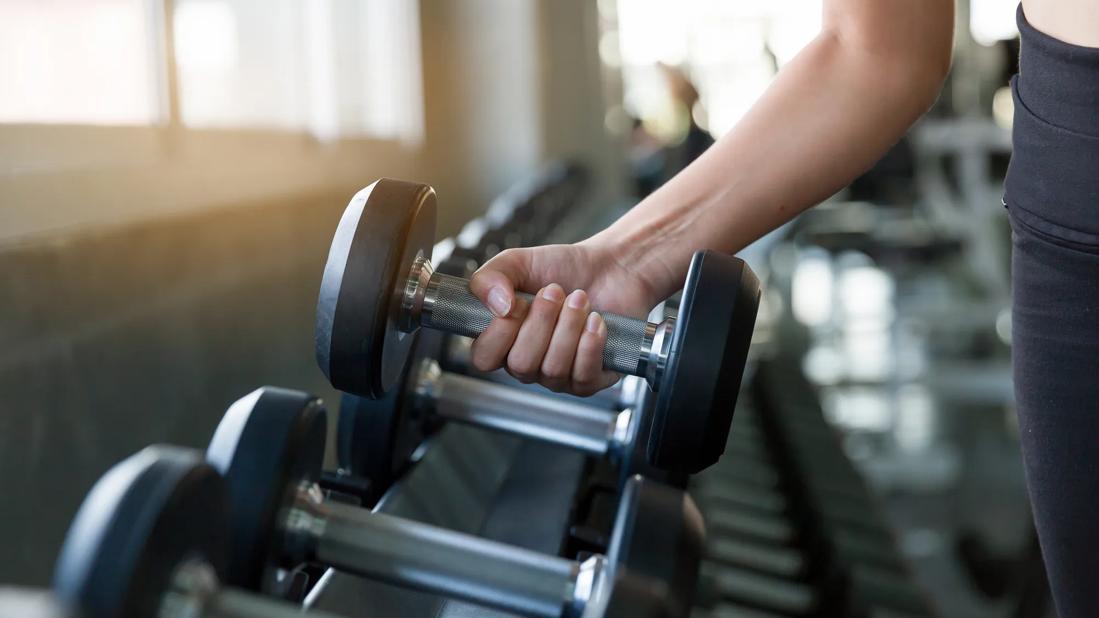
Resistance training is one of the best tools for preserving muscle during weight loss. You do not need an action-movie montage. You need consistency. Two or three well-planned sessions per week can make a big difference. Focus on basic movement patterns: squats, hinges, pushes, pulls, carries, and core work.
If you are new to exercise, start small. Body-weight movements, resistance bands, machines, or dumbbells all count. The goal is to give your muscles a reason to stay. Without that signal, the body gets a little too enthusiastic about downsizing.
3. Do not slash calories like you are auditioning for a survival show
One of the easiest mistakes on semaglutide is eating too little because appetite is so reduced. Less hunger can be helpful, but it can also backfire if your intake becomes chronically inadequate. Slower, steadier weight loss is usually friendlier to muscle retention than a crash-diet approach with injectable backup.
A realistic pace also tends to be easier to maintain. That matters because the best plan is not the one that works for 11 dramatic days. It is the one your body and brain can tolerate for the long haul.
4. Keep moving outside the gym
Formal workouts are great, but so is staying generally active. Walking, climbing stairs, doing errands on foot, standing more, and keeping everyday movement up all help support metabolic health. Think of resistance training as the muscle-preservation anchor and daily movement as the supporting cast.
5. Stay hydrated and manage side effects early
Persistent nausea, vomiting, constipation, or dehydration can wreck your nutrition plan and make training miserable. If side effects are strong, talk to your clinician rather than heroically pretending everything is fine while surviving on ice chips. Dose adjustments, pacing changes, food timing, and meal composition can help.
6. Track more than body weight
Useful markers include waist circumference, how your clothes fit, energy levels, strength, endurance, and body composition if available. If your weight is dropping but your strength is falling off a cliff, your plan may need a tune-up.
When to call your doctor sooner rather than later
Some symptoms deserve quick medical attention. Contact a healthcare professional if you develop severe or persistent vomiting, signs of dehydration, sudden severe abdominal pain, symptoms that could suggest pancreatitis, gallbladder problems, major vision changes, or trouble maintaining adequate food and fluid intake. If you are older, frail, or have a history of muscle wasting, ask for closer monitoring from the start instead of waiting until weakness becomes obvious.
Is muscle loss a reason to avoid Ozempic altogether?
Not necessarily. For the right patient, semaglutide can offer substantial health benefits. Weight loss may improve blood sugar, blood pressure, mobility, sleep apnea, and other obesity-related conditions. The goal is not to fear the medication. The goal is to use it intelligently.
The smartest approach is to treat Ozempic as one piece of a broader plan, not a solo act. Medication can help reduce appetite and support weight loss, but food quality, protein intake, resistance training, hydration, sleep, and follow-up care are what help determine whether you end up merely lighter or lighter and stronger.
That distinction matters. Nobody wants to lose weight only to feel like opening a pickle jar has become an upper-body crisis.
Bottom line
Ozempic and muscle loss are connected, but not in the simplistic way social media often suggests. Semaglutide-related weight loss can include some lean mass loss, especially when the pace is fast, nutrition is poor, and strength training is missing. Yet that risk is manageable for many people. With enough protein, regular resistance exercise, reasonable weight-loss pacing, and good medical supervision, it is possible to protect muscle while still benefiting from treatment.
If there is one takeaway to remember, let it be this: when using Ozempic, do not chase a lower number on the scale at the expense of strength, stamina, and health. Fat loss is great. Keeping the engine that moves your body is even better.
Common experiences people report with Ozempic and muscle loss concerns
One of the most common experiences people describe is feeling thrilled by the early weight loss, then slightly spooked when their body starts looking and feeling different. At first, the scale moves, clothes fit better, and inflammation seems lower. Then a few weeks later, some people notice their legs look smaller, their butt seems flatter, or workouts feel weirdly harder. That can trigger the classic panic thought: “Wait, am I losing muscle instead of fat?” In many cases, the answer is “some of both,” which is common during weight loss, but the concern often becomes a useful wake-up call to improve nutrition and training.
Another frequent experience is appetite becoming so low that meals turn into accidental snacking. Someone who used to eat three solid meals may suddenly realize they are skipping breakfast, eating a few bites at lunch, and then pecking at dinner like a distracted pigeon. When that happens, protein intake often tanks. People then report feeling more tired, less motivated to exercise, and weaker during normal routines. Once they begin intentionally eating protein earlier in the day and adding a more structured meal pattern, they often feel noticeably better.
Gym-goers sometimes describe a different version of the same issue. They love the fat loss but get annoyed when lifts stall or drop. Squats feel heavier. Grip strength seems off. Recovery is slower. In many of these cases, the problem is not that Ozempic “destroyed muscle,” but that training intensity fell while calorie intake also fell. After shifting focus from endless cardio to regular strength work and improving protein intake, many find performance stabilizes.
Older adults often have a more cautious experience. They may appreciate the health improvements and easier blood sugar management, but they also notice that losing weight feels physically different than it did years ago. A little less muscle in your 20s may be an aesthetic concern. A little less muscle in your 60s or 70s can affect balance, mobility, and independence. That is why older adults often benefit from a slower pace, closer follow-up, and an even stronger emphasis on resistance exercise and adequate nutrition.
There is also the emotional side. Some people expect the medication to do everything automatically, then feel frustrated when they learn they still need to think about protein, workouts, hydration, and meal planning. Others feel relieved when they realize muscle protection is not about perfection. It is about building a routine that supports the medication instead of relying on the medication to replace the routine.
Perhaps the most encouraging experience people report is this: once they stop treating weight loss as the only score that matters, things get easier. They start paying attention to strength, energy, walking stamina, sleep, and how capable they feel. That shift in mindset often leads to better long-term results. In other words, the happiest ending is usually not “I got as small as possible.” It is “I lost weight, kept my strength, and still feel like myself.”











