
Before you toss that dated chandelier, brass pendant, frosted-glass sconce, or mysterious ceiling fixture that looks like it once auditioned for a 1980s hotel lobby, pause for a second. An old light fixture can become a planter, candle holder, bird feeder, wall accent, jewelry organizer, garden sculpture, or even a completely refreshed working light. In other words, that dusty fixture in the garage may not be trash. It may simply be waiting for its second act.
Learning how to repurpose an old light fixture is one of the most satisfying DIY home decor projects because it checks several boxes at once: it saves money, reduces waste, adds character, and gives you bragging rights every time someone says, “Wait, that used to be a chandelier?” The best part is that many repurposed light fixture ideas require more creativity than complicated construction. A little cleaning, paint, hardware, and imagination can turn yesterday’s ceiling clutter into today’s conversation piece.
This guide walks through safe planning, design ideas, materials, beginner-friendly projects, and real-world lessons from upcycling old lighting. Whether your style is farmhouse, vintage, cottagecore, modern, industrial, boho, or “I found this in my basement and now we’re emotionally attached,” there is a smart way to give an old light fixture new life.
Why Repurpose an Old Light Fixture?
Old light fixtures are surprisingly versatile. Most already have strong frames, decorative arms, interesting glass shades, chains, sockets, canopies, or metal details. These parts can be reused as structure, ornament, or storage. Compared with buying new decor, repurposing lets you create something custom without paying custom-design prices.
There is also a sustainability win. Lighting often contains metal, glass, plastic, wiring, and bulbs that may not belong in ordinary trash. By reusing the decorative parts and properly recycling bulbs or unsafe components, you reduce landfill waste and keep potentially hazardous materials, such as mercury-containing fluorescent bulbs, out of the regular garbage stream.
Finally, older fixtures often have more personality than many mass-produced pieces. A vintage chandelier may have curves, patina, crystals, ceramic sockets, or details that are hard to find today. Even a dated shiny brass fixture can look fresh after matte black paint, soft white paint, antique bronze wax, or a bold color that says, “Yes, I have hobbies, and some of them involve spray paint.”
Start With Safety: Inspect Before You Upcycle
Before you repurpose an old light fixture, decide whether it will remain electrical or become purely decorative. This choice matters. A non-electrical project, such as a candle holder, planter, or bird feeder, is generally simpler. A working light fixture requires much more caution, especially if the wiring is old, brittle, frayed, ungrounded, or unknown.
Check the Condition
Look closely at the fixture. Is the metal rusted through? Are the sockets cracked? Are the wires brittle or sticky? Is there a burning smell, scorch mark, melted plastic, or loose connection? If the answer is yes, do not plug it in “just to see what happens.” That phrase has personally sponsored many bad afternoons.
If you want the fixture to function as a light again, replace questionable cords, sockets, and wiring with modern parts or hire a qualified electrician. Vintage lighting can be beautiful, but beauty is not a fire-safety plan. When in doubt, have the fixture inspected before installation.
Remove Bulbs Properly
Remove all bulbs before cleaning or painting. Incandescent and many LED bulbs are relatively straightforward to handle, but compact fluorescent lamps and fluorescent tubes require special care because they can contain mercury. These should be recycled through local hazardous-waste programs, participating retailers, or approved collection sites. Never smash them into a trash bag and call it “decluttering.”
Turn Off Power for Installed Fixtures
If the fixture is still attached to a ceiling or wall, turn off power at the breaker before removing it. Use a voltage tester to verify that the power is truly off. A wall switch alone is not enough protection. If you are not comfortable identifying wires, working from a ladder, or safely disconnecting a fixture, call an electrician. DIY confidence is wonderful; DIY electrical shock is less charming.
Tools and Supplies You May Need
The exact supplies depend on the project, but most light fixture upcycling projects use common materials. Gather a screwdriver, pliers, wire cutters, painter’s tape, cleaning cloths, mild soap, degreaser, sandpaper, primer, spray paint, craft paint, clear sealer, small brushes, gloves, safety glasses, and drop cloths.
For decorative projects, you may also need chain, S-hooks, cup hooks, coco liners, small terracotta pots, taper candle cups, battery-operated candles, solar lights, glass beads, crystals, twine, faux greenery, zip ties, floral wire, or outdoor-rated sealant. For working lamps or plug-in fixtures, use parts that are rated for the intended purpose, such as proper lamp cord, sockets, strain reliefs, and bulbs that match the fixture’s wattage and heat limitations.
Best Ideas to Repurpose an Old Light Fixture
1. Turn a Chandelier Into a Hanging Planter
A chandelier planter is one of the most popular ways to repurpose an old light fixture because the shape practically begs for it. Remove the wiring and sockets, clean the frame, and add small pots or coco-lined cups where the bulbs used to sit. Trailing plants such as ivy, pothos, string of pearls, petunias, or sweet potato vine look especially charming because they spill over the arms.
For outdoor use, choose weather-tolerant plants and seal the painted metal to slow rust. Hang the chandelier planter from a sturdy porch hook, pergola beam, shepherd’s hook, or tree limb. Make sure the structure can handle the added weight of wet soil, because damp potting mix has the personality of a tiny dumbbell.
2. Make a Candle Chandelier
If you love romantic outdoor lighting but do not want to rewire anything, convert an old chandelier into a candle chandelier. Remove the electrical components and attach candle cups where the sockets were. Use dripless taper candles for a classic look or battery-operated flameless candles for a safer, wind-friendly option.
This idea works beautifully over an outdoor dining table, on a covered porch, or in a garden nook. Paint the frame black for drama, white for cottage charm, gold for glamour, or green so it blends into foliage. Just avoid placing real candles near dry leaves, fabric, low branches, or anything that turns “cozy evening” into “neighborhood incident.”
3. Create a Bird Feeder From an Old Chandelier
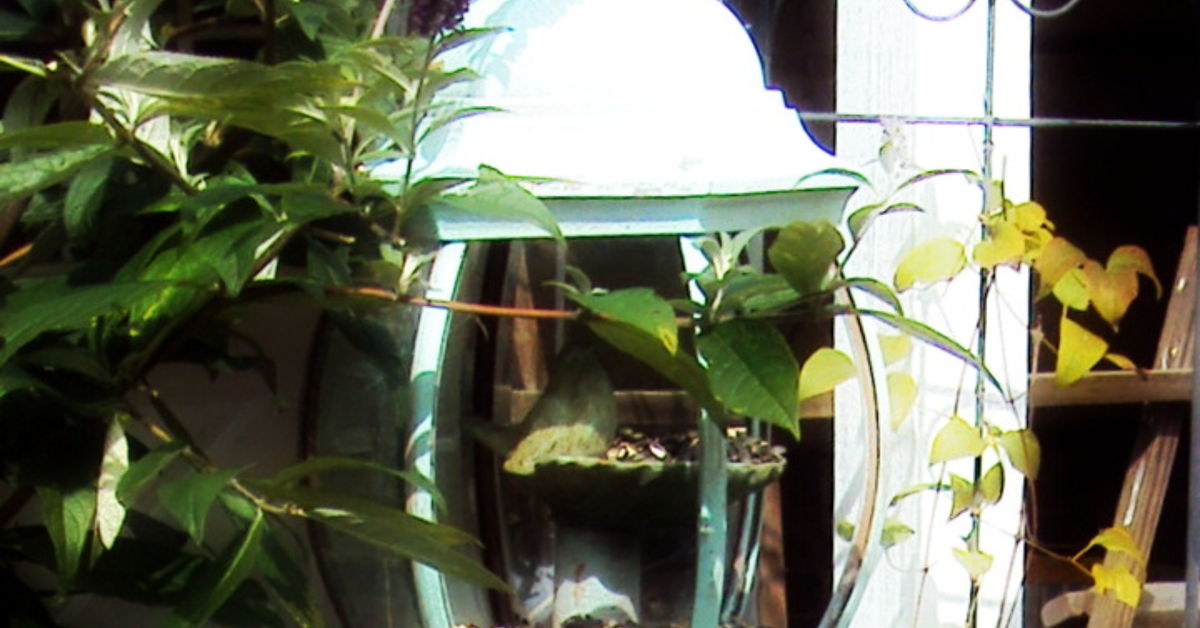
An old chandelier can become a whimsical bird feeder. After removing all electrical parts, attach small shallow bowls, teacups, or saucers to the arms. Fill each cup with different birdseed, then hang the fixture from a strong hook outdoors. The result is part garden decor, part bird buffet, and part proof that birds also enjoy dining with ambience.
For durability, use waterproof adhesive or screws where appropriate, and seal painted surfaces with an outdoor clear coat. Place the feeder where you can easily refill and clean it. Bird feeders need regular maintenance to prevent moldy seed and keep visiting birds healthy.
4. Reuse Glass Shades as Mini Planters
Glass shades from sconces or pendant lights make excellent small planters. Bell-shaped shades can be turned upside down and nested in a wire holder, wooden stand, or macrame hanger. Frosted shades look soft and modern, while patterned glass adds vintage flair.
Because many shades do not have drainage holes, use them as cachepots rather than planting directly inside. Place a small nursery pot inside the shade and remove it for watering. Succulents, air plants, herbs, or faux stems are great choices. If the glass is vintage stained glass, avoid direct food contact and use a liner before adding soil or decorative filler.
5. Make a Tabletop Centerpiece
A flush-mount fixture, inverted pendant shade, or decorative glass bowl from a light can become a centerpiece. Fill it with pinecones, ornaments, moss, faux fruit, seashells, dried flowers, or seasonal decor. A frosted dome shade can become a soft-looking bowl for holiday greenery. A clear glass globe can hold fairy lights or battery-operated tea lights.
This project is ideal for renters or beginners because it requires almost no tools. Wash the shade, remove stickers and dust, add filler, and admire your thriftiness. It is basically home decor with a very low drama-to-reward ratio.
6. Turn Sconces Into Wall Decor
Old wall sconces can be repurposed as candle holders, tiny shelves, plant brackets, or decorative wall accents. Remove wiring, patch or hide old socket holes, and mount the sconce securely. Add a flameless candle, small vase, dried flowers, or a trailing faux plant.
Pair two matching sconces on either side of a mirror, bed, entryway table, or fireplace. Even non-working sconces can add symmetry and architectural interest. If they look too ornate for your space, paint them a single modern color. Matte black, warm white, aged brass, and oil-rubbed bronze are especially forgiving finishes.
7. Build a Solar Outdoor Light
For outdoor projects, old fixtures can be combined with solar light inserts. Remove the original electrical parts and fit solar path-light tops into the sockets or shade openings. This creates the look of a wired garden chandelier without running power outside.
Use this method for a pergola, garden arch, patio corner, or tree branch. Be sure the solar panels receive enough sunlight during the day. Also choose outdoor-rated materials and seal any exposed metal. Solar conversions are not always ultra-bright, but they create a lovely glow and make your backyard look like it knows about mood lighting.
8. Update and Reinstall the Fixture
Sometimes the best way to repurpose an old light fixture is to keep it as a light, but modernize it. Replace outdated shades, repaint the frame, add new chain, install fresh sockets, and use LED bulbs that match the fixture’s rating. A dated brass chandelier can become a stylish dining room feature with black paint and globe bulbs. A plain pendant can look custom with a woven shade or new canopy.
If you reinstall the fixture, make sure the electrical box can support its weight, the wiring is safe, and the connections are correct. Ceiling fixtures, chandeliers, and wall lights should be mounted securely and wired according to local code. This is where a licensed electrician is money well spent.
How to Clean and Prep an Old Light Fixture
Good prep is the difference between a polished project and a sad object wearing paint like a bad disguise. First, remove all bulbs, shades, crystals, chains, and loose parts. Take photos before disassembly so you remember how everything fits together. Put small screws and nuts in a labeled bag.
Next, clean the fixture with mild soap and warm water. For greasy kitchen fixtures, use a gentle degreaser. Dry everything thoroughly to prevent rust. Sand glossy metal lightly so primer can grip. If the fixture has flaking paint, rust, or corrosion, remove loose material and consider using a rust-inhibiting primer.
Spray paint works well for many metal fixtures, but use thin coats. Several light coats look better than one heavy coat that drips like it has regrets. Let the paint cure fully before handling, hanging, or adding plants and accessories.
Design Tips for a Better Finished Project
Match the Fixture to Your Decor Style
A crystal chandelier can become glamorous with gold paint, moody with black paint, or cottage-inspired with creamy white. Industrial fixtures look great with matte finishes, Edison-style LED bulbs, or wood accents. Simple glass shades work well in modern, coastal, or Scandinavian rooms.
Use Odd Numbers and Balance
When adding plants, candles, or ornaments, balance the weight around the fixture. If one side is heavier, the piece may hang crooked. Odd numbers often look natural in arrangements, but symmetry matters when the fixture has arms. Step back often and view the project from multiple angles.
Choose Indoor or Outdoor Materials Carefully
Not every fixture belongs outdoors. Indoor metal may rust quickly, some finishes may peel, and certain glass shades may crack with temperature changes. If you plan to use the project outside, apply outdoor-rated paint and sealer, choose weather-safe hardware, and hang it in a protected location when possible.
Common Mistakes to Avoid
The first mistake is skipping safety checks. Old wiring can be unsafe even if the fixture looks fine. If electricity is involved, inspect the wiring, sockets, grounding, and mounting hardware carefully.
The second mistake is using the wrong bulbs. A fixture has a maximum wattage rating for a reason. LED bulbs run cooler and use less energy than old incandescent bulbs, but they still need to fit the socket, dimmer, and enclosed-fixture requirements.
The third mistake is ignoring weight. Soil, water, candles, glass bowls, and added hardware can make a fixture heavier than expected. Use sturdy hooks, anchors, chains, and ceiling supports. A falling chandelier planter is not “rustic.” It is a landscaping surprise.
The fourth mistake is overdecorating. A repurposed light fixture already has personality. You do not need crystals, ribbon, moss, flowers, beads, butterflies, and a tiny sign that says “Live Laugh Illuminate.” Pick one main idea and let the fixture breathe.
Budget-Friendly Project Examples
Farmhouse Chandelier Planter
Start with a five-arm brass chandelier. Remove sockets and wiring. Sand lightly, prime, and spray paint warm white. Attach small terracotta pots to each arm using strong adhesive and wire support. Add trailing herbs or faux lavender. Hang it on a covered porch for a farmhouse look that feels cheerful without trying too hard.
Modern Black Candle-Lier
Use a dated dining room chandelier. Strip the electrical parts, paint the frame matte black, and add simple metal candle cups. Use ivory flameless taper candles. Hang it above an outdoor table or inside a screened porch. The finished piece looks expensive, dramatic, and slightly mysterious, like it has read more design magazines than you have.
Glass Globe Fairy Light
Take a round glass globe from an old ceiling fixture. Wash and dry it, then fill it with battery-operated fairy lights. Place it on a bookshelf, patio table, or entry console. This is a quick project with big payoff, especially for anyone who wants a DIY win without opening a toolbox.
When to Donate, Recycle, or Let It Go
Not every old light fixture deserves a makeover. If it is badly rusted, missing key structural pieces, cracked in a dangerous way, or not worth repairing, recycle what you can. Metal parts may be accepted by local scrap or recycling programs. Glass and bulbs vary by local rules, so check municipal guidance.
If the fixture is clean, working, complete, and still usable, consider donating it to a local reuse store, architectural salvage shop, or community organization. Many Habitat ReStore locations accept working light fixtures, but rules vary by location. Some stores may reject fluorescent fixtures, used bulbs, rusty pieces, outdated parts, or fixtures without hardware. Call before dropping off a trunk full of ceiling fans and hope.
Personal Experiences and Practical Lessons From Repurposing Old Light Fixtures
The first time you repurpose an old light fixture, you may think the hardest part will be painting, wiring, or figuring out how to hang it. In reality, the hardest part is often deciding what the fixture wants to become. That sounds dramatic, but old lighting has a way of arguing with your original plan. A heavy brass chandelier might look too formal for a planter but perfect as a candle holder. A glass shade you planned to use outdoors may suddenly look elegant on a bookshelf with fairy lights. A sconce you nearly donated may become the exact accent your hallway needed.
One useful experience is to clean the fixture before making final design decisions. Dust, grease, and old bulb residue can make a piece look worse than it is. After a deep clean, details appear: a pretty curve, a textured shade, a solid frame, or a finish that only needs a little polish. Many people rush straight to paint, but sometimes cleaning and replacing small parts is enough.
Another lesson is that disassembly takes longer than expected. Tiny screws hide in strange places. Decorative caps may be threaded. Old paint can glue parts together. Take photos, label parts, and work on a towel so small pieces do not roll away. There is nothing glamorous about crawling under a table looking for a brass nut the size of a lentil, although it does build character.
Paint also teaches patience. The temptation is to spray one thick coat and declare victory. Resist. Thin coats create a smoother finish and reduce drips. If the fixture has arms, rotate it between coats so every curve gets coverage. Let the primer and paint cure fully before attaching pots, candles, or hardware. Fresh paint may feel dry but still scratch easily.
For outdoor projects, weather changes everything. A fixture that looks sturdy indoors may rust after two rainstorms. Outdoor sealant helps, but placement matters. Covered porches, pergolas, and sheltered patios are kinder to repurposed fixtures than exposed fence posts or open tree branches. If the project holds plants, remember that watering adds weight. What felt light in your hands may become heavy once the soil is soaked.
One of the most rewarding experiences is using old glass shades creatively. They are often overlooked because people focus on the metal frame, but shades can become small vases, candle covers, desk organizers, or glowing bowls. Frosted glass softens battery lights beautifully. Clear glass shows off shells, ornaments, or dried botanicals. Patterned glass adds texture without needing extra decoration.
The best lesson is to let the finished piece look repurposed, not perfect. A tiny scratch, aged patina, or unusual shape gives the project charm. Store-bought decor often tries to imitate history; an old light fixture already has it. Your job is not to erase every sign of age. Your job is to make the piece useful, safe, and intentional again.
Repurposing an old light fixture also changes how you shop. Suddenly thrift stores, garage sales, salvage yards, and curbside finds look different. You begin seeing parts instead of problems: chains, glass bowls, arms, crystals, sockets, canopies, and shapes. That old pendant is not outdated; it is a future hanging basket. That chandelier is not ugly; it is one can of paint away from redemption. This is how DIY people become mildly dangerous at estate sales.
Most importantly, start small. Try a glass shade centerpiece or a non-electrical candle chandelier before tackling a rewired vintage fixture. Build confidence with simple projects, then move into more advanced updates. The goal is not to become a master electrician or professional restorer overnight. The goal is to rescue a forgotten object and make your home feel more personal.
Conclusion
To repurpose an old light fixture, begin with safety, then let creativity take over. Remove unsafe wiring, recycle bulbs properly, clean the frame, and decide whether the fixture will become decorative or functional. From chandelier planters and bird feeders to candle holders, solar garden lights, wall decor, and refreshed working fixtures, old lighting offers endless possibilities.
The secret is to respect both the object and the risks. Electrical components deserve caution. Decorative parts deserve imagination. With the right prep, hardware, paint, and placement, an outdated fixture can become one of the most memorable pieces in your home or garden. And yes, when guests compliment it, you are absolutely allowed to say, “Oh, that old thing? I made it,” while pretending you did not spend three evenings choosing the perfect spray paint finish.











