
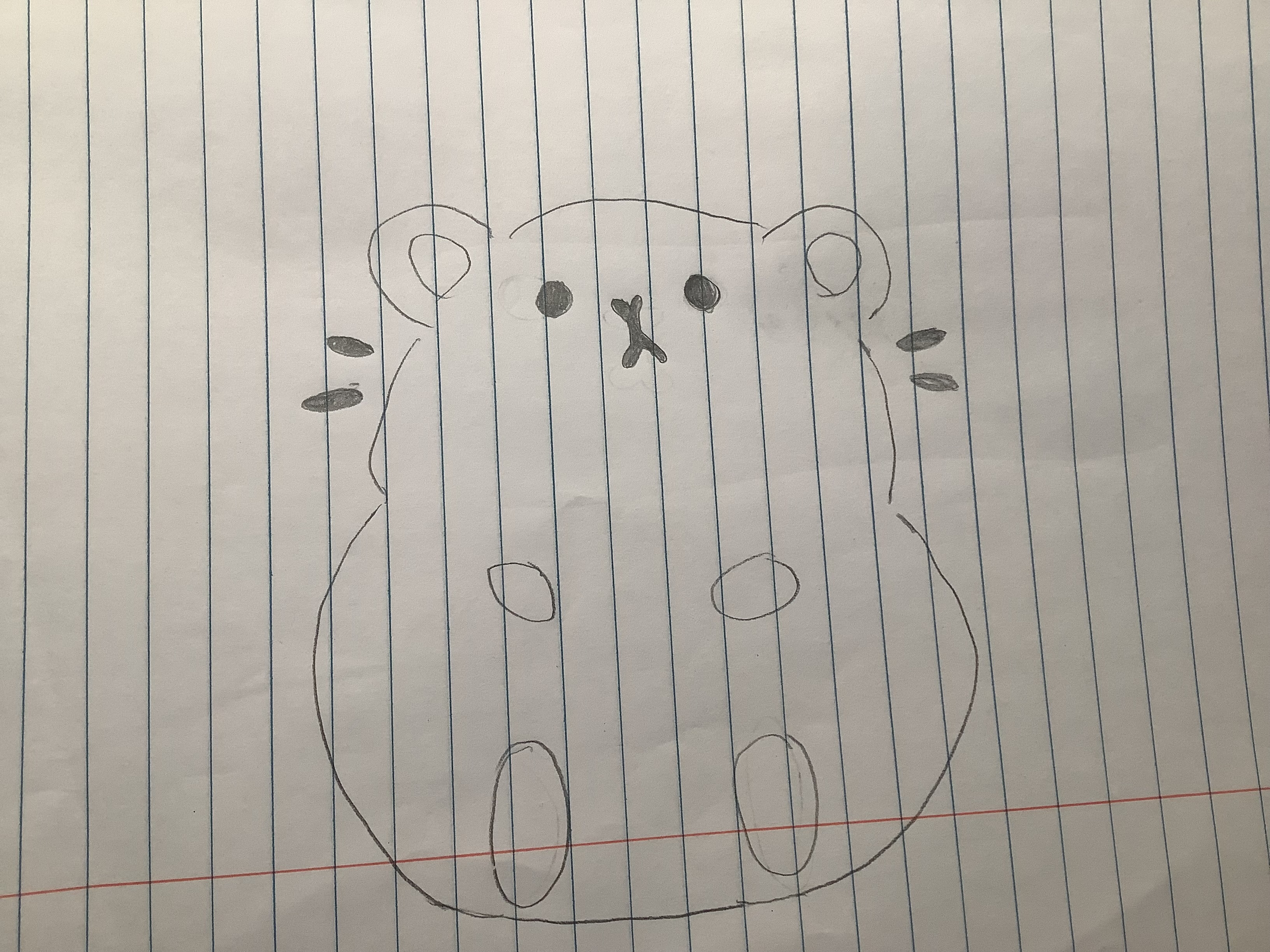
Some internet challenges ask people to transform into runway models, cook a five-course dinner, or explain complicated life choices using only emojis. This one is better. It asks a simple, delightful question: Hey Pandas, draw a beaver and post the result. No pressure. No expensive supplies. No need to own a beret, whisper “composition,” or stare dramatically out a rainy window. Just grab a pencil, open a notes app, borrow a crayon from a suspiciously sticky drawer, and create the world’s most industrious rodent.
At first glance, a beaver drawing challenge sounds like pure silliness. And yes, it absolutely is silly. That is the point. But it also has the secret ingredients of a great online art prompt: a recognizable subject, room for humor, built-in personality, and a low barrier to entry. A beaver can be realistic, cartoonish, heroic, confused, tiny, enormous, elegant, or shaped suspiciously like a potato with teeth. The prompt invites everyone in, from seasoned illustrators to people whose last masterpiece was a triangle labeled “dog” in fourth grade.
The best part? Beavers are not random background animals. They are ecological celebrities with muddy feet. They build dams, reshape streams, create wetlands, support wildlife, and somehow still look like they are late for a meeting at the lumber department. That combination makes them perfect for a community art challenge: funny enough to draw badly, fascinating enough to draw well, and charming enough to make even a wobbly sketch worth sharing.
Why A Beaver Drawing Challenge Works So Well
A good community art challenge should feel easy to join but hard to make boring. “Draw a beaver” checks both boxes. The subject is familiar, but not overused. Cats, dogs, dragons, and anime eyes have already occupied half the internet. A beaver arrives like a tiny brown contractor with fresh material.
Beavers have a strong visual identity. They have rounded bodies, short legs, small ears, webbed feet, long orange incisors, and a flat paddle-shaped tail. In art terms, that means they are built from simple shapes: ovals, circles, rectangles, curves, and one glorious tail that looks like a waffle iron decided to become wildlife. Even beginners can break a beaver into basic forms, while advanced artists can focus on fur texture, water reflections, wood grain, anatomy, lighting, and expression.
There is also instant comedy. A beaver holding a stick already looks busy. Add a tiny hard hat, and it becomes a construction manager. Give it glasses, and suddenly it is reviewing zoning permits. Put it beside a crooked dam, and you have a full sitcom. The prompt gives artists permission to be playful, and that matters because online creativity thrives when people feel safe being imperfect.
Meet The North American Beaver: The Animal Behind The Sketch
Before drawing one, it helps to know what makes a beaver a beaver. The North American beaver is the largest rodent in North America and one of the largest rodents in the world. Adult beavers are stocky, semi-aquatic mammals with dense waterproof fur, powerful front teeth, and bodies designed for life around water. They are not just “big wet squirrels,” although that description may be emotionally accurate during a rushed sketch.
A beaver’s front teeth are one of its most recognizable features. Those incisors keep growing, which is useful when your lifestyle involves chewing through wood like it personally offended you. Their orange color comes from iron-rich enamel, which makes the teeth strong enough for gnawing. In a drawing, that means the teeth should be bold but not terrifying. Two rectangular front teeth can create instant beaver energy without turning your artwork into a dental emergency poster.
The tail is another essential detail. It is broad, flat, scaly, and paddle-like. Beavers use it for balance, communication, swimming, and fat storage. Contrary to a common cartoon idea, they do not use the tail like a masonry trowel to pack mud. If your beaver is using its tail as a spatula, that is not scientifically perfectbut it might be extremely funny, and comedy has its own ecosystem.
Beavers Are Nature’s Engineers, Which Makes Them Great Characters
Beavers are often called ecosystem engineers because their behavior changes the physical environment around them. When they build dams, they slow moving water, create ponds, raise local water tables, and support wetland habitat. Their work can benefit fish, amphibians, birds, insects, plants, and mammals. In other words, beavers do not simply move into a neighborhood. They remodel the entire floor plan.
This is one reason a beaver drawing can tell a story. You are not just drawing an animal. You are drawing a builder, gardener, swimmer, problem-solver, and tiny environmental planner. A beaver sketch can show action: chewing a branch, dragging a log, inspecting a dam, floating with determination, or standing proudly beside a pond like it just finished an HGTV wetland renovation.
That storytelling potential gives the prompt more depth than “draw a cute animal.” A cute beaver is nice. A cute beaver with a blueprint, mud on its cheeks, and the confidence of someone who owns three clipboards is better. The animal’s real behavior naturally suggests scenes, props, and expressions.
How To Draw A Beaver Without Panicking
If you are joining the challenge, start simple. Do not begin with individual hairs unless you enjoy suffering as a hobby. A beaver can be built from large, friendly shapes.
Step 1: Start With The Body
Draw a large oval or rounded bean shape for the body. Beavers are compact and sturdy, so avoid making the body too tall or too sleek. Think “waterproof loaf of bread.” Add a smaller circle or oval for the head, slightly overlapping the body. This creates a cute, approachable silhouette.
Step 2: Add The Face
Place two small eyes high on the head. Add a rounded nose, short whisker marks, and two front teeth. Keep the expression simple. A beaver can look cheerful, serious, sleepy, proud, or mildly alarmed that the internet is watching. Eyebrows are optional but powerful. One raised eyebrow can turn your beaver into a tiny building inspector.
Step 3: Draw The Ears And Feet
Add two small rounded ears. They should not look like rabbit ears; beavers are more subtle. For the feet, use small rounded shapes near the bottom of the body. If you want a swimming beaver, make the feet flatter and suggest webbing with short lines.
Step 4: Do Not Forget The Tail
The tail is the beaver’s signature accessory. Draw it behind or beside the body as a wide, flattened oval or paddle shape. Add a crosshatch or scale-like texture if you want extra detail. The tail can sit on the ground, trail into water, or stick out like a dramatic punctuation mark.
Step 5: Give It Something To Do
A beaver without a stick is still a beaver, but a beaver with a stick has a career. Add a branch, tree stump, dam, pond, lily pads, or little construction sign. A background instantly turns a simple drawing into a scene.
Funny Beaver Drawing Ideas For The Challenge
Need a concept? Try a beaver wearing a hard hat and holding a clipboard that says “Dam Good Work.” Draw a beaver as a medieval knight guarding a wooden fortress. Make a beaver in a business suit presenting quarterly log profits. Sketch a baby beaver trying to carry a twig three times its size. Create a superhero beaver named Captain Wetlands, whose power is saving streams and judging your landscaping choices.
You can also lean into art styles. A minimalist beaver might be five clean lines and two teeth. A dramatic Renaissance beaver could gaze into the distance while holding a branch like a sacred relic. A comic-strip beaver might argue with a duck about property boundaries. A fantasy beaver could live in a glowing forest, building dams out of moonlight and enchanted sticks. There are no wrong answers, except possibly drawing a hamster and insisting it is “emotionally a beaver.” Even then, the internet may allow it.
What Makes A Beaver Drawing Instantly Recognizable?
The secret is not perfect anatomy. It is visual priority. If your drawing includes a rounded brown body, flat tail, small ears, whiskers, and two front teeth, most viewers will understand the assignment. Add water or wood, and the beaver identity becomes even clearer.
Think of the drawing as a checklist of clues. The tail says beaver. The teeth say beaver. The branch says beaver. The determined expression says this creature has a five-year infrastructure plan and no time for nonsense. When those clues work together, even a very simple sketch can succeed.
For digital art, use layers to separate the body, face, tail, and background. For pencil art, sketch lightly first and darken the lines once the proportions feel right. For marker art, choose warm browns, soft grays, tan highlights, and deep shadows. For pure comedy, use any color you want. A purple beaver may not pass a wildlife field guide review, but it can absolutely pass the vibe check.
Why Posting The Result Matters
The phrase “post the result” is doing important work. It turns a private drawing into a shared moment. Online communities become more fun when people contribute rather than only scroll. A drawing challenge gives everyone a reason to join the conversation, laugh at themselves, compliment others, and compare wildly different interpretations of the same prompt.
One person may post a polished digital painting with glowing water and realistic fur. Another may post a thirty-second doodle that looks like a meatball with a tail. Both belong. In fact, the contrast is the charm. Community art challenges are not museum auditions. They are creative potlucks. Someone brings a masterpiece, someone brings chaos, and somehow the table is better because of both.
Sharing imperfect work can also help people become braver artists. Many beginners hesitate because they believe art must be impressive before it is visible. A playful prompt lowers that fear. When the subject is a beaver, seriousness has already left the building carrying a bundle of sticks.
The SEO Angle: Why This Topic Is Surprisingly Searchable
From an SEO perspective, “Hey Pandas, Draw A Beaver And Post The Result” combines several search-friendly themes: animal drawing ideas, community art challenges, funny drawing prompts, cute beaver sketches, and beginner drawing inspiration. It speaks to readers looking for entertainment, creativity, wildlife facts, and easy art activities.
The main keyword, “draw a beaver,” fits naturally because the article actually helps readers draw one. Related terms such as “beaver drawing challenge,” “cute beaver sketch,” “animal drawing prompt,” and “North American beaver facts” support the topic without stuffing. Search engines favor useful, organized content, but readers favor content that does not sound like it was assembled by a spreadsheet wearing shoes. The goal is balance: clear structure, real information, and a human voice with a few twigs stuck in its hair.
Beaver Facts That Can Improve Your Art
Knowing a few real details can make your drawing stronger. Beavers spend much of their time in and around water, so wet fur, ripples, reflections, and muddy banks all make sense in a scene. Their lodges are built from sticks, mud, rocks, and branches, often with underwater entrances. Their dams can create ponds that provide shelter and access to food.
Beavers usually eat bark, twigs, leaves, aquatic plants, and the inner layer of trees such as willow, aspen, birch, and maple. That means a beaver holding a branch is not just cute; it is on-brand. Their bodies are low and strong, their eyes and ears are small, and their posture often looks hunched when they are on land. In the water, they become smoother and more graceful, with only the head and back sometimes visible above the surface.
If you want realism, avoid making the beaver too thin. If you want comedy, exaggerate the tail, teeth, or serious facial expression. The best cartoon animals often come from understanding reality first and then bending it like a fresh willow branch.
A Gentle Reminder: You Do Not Have To Be “Good” To Join
The beauty of a prompt like this is that it celebrates participation. Not every drawing needs to be polished. Some drawings are funny because they fail confidently. Some are charming because they show effort. Some are impressive because they reveal skill. Some are memorable because nobody can explain what happened, but everyone agrees it has teeth.
If you are nervous, set a timer for five minutes and draw the beaver quickly. Then draw it again for ten minutes. Then try a third version with one silly twist. Improvement often appears when you stop treating each drawing like a final exam. The first beaver may look like a confused slipper. The second may look like a rodent. The third may look like a beaver who files taxes early. Progress is progress.
Experience Notes: What Happens When People Actually Try This Prompt
Drawing a beaver sounds easy until you sit down and realize your brain has stored only three pieces of beaver information: tail, teeth, and “probably brown.” That is where the fun begins. In practice, the prompt becomes a little creativity test. People start by drawing the obvious parts, then quickly discover their personal style. Some make the beaver adorable, with giant eyes and tiny paws. Others make it realistic, studying the tail texture and body shape. A few create a beaver that appears to have witnessed the collapse of society and is now rebuilding civilization one stick at a time.
The most common experience is laughter. Beginners often overdo the teeth, making the beaver look like it could chew through a refrigerator. The tail may become too large, too small, too pointy, or shaped like a leaf, a waffle, a canoe paddle, or an ancient tablet containing rodent law. But these “mistakes” are usually the best part. They give the drawing personality. A technically imperfect beaver can be more memorable than a flawless one if it has a funny expression or a strong pose.
Another experience is surprise. Many people who say “I can’t draw” can still create a recognizable beaver by using simple shapes. Once they see the animal as circles, ovals, and curves, the pressure drops. The drawing stops being a mysterious talent test and becomes a puzzle. Where does the tail go? How small should the ears be? Should the stick be in the paws or the mouth? Every choice makes the beaver more specific.
The prompt also works well in groups. Friends can draw at the same time and reveal their results together. Families can compare a parent’s careful sketch with a kid’s fearless masterpiece. Classrooms can use the beaver as a quick animal study, combining art with ecology. Online communities can turn the challenge into a gallery of styles, from doodles to digital paintings. Because the subject is lighthearted, people are more willing to post their work instead of hiding it in the camera roll forever.
There is also something oddly satisfying about drawing an animal known for building. The act of sketching mirrors the beaver’s own process: start with basic materials, place one piece at a time, adjust the structure, and hope it does not collapse in public. A beaver builds with sticks and mud; an artist builds with lines and shapes. Both activities reward patience, problem-solving, and a willingness to keep going even when the first attempt looks questionable.
By the end, the result is more than a picture. It is proof that a small prompt can create a shared moment. Whether your beaver looks majestic, sleepy, heroic, lumpy, or deeply concerned about dam regulations, posting it adds to the fun. The challenge is not asking for perfection. It is asking for a beaver. And honestly, the internet could use more of those.
Conclusion
“Hey Pandas, Draw A Beaver And Post The Result” is the kind of prompt that reminds us why online creativity can still be joyful. It is simple, funny, accessible, and surprisingly educational. Beavers are fascinating animals with strong visual features and an even stronger ecological résumé. They build, adapt, reshape, and support entire habitats, which makes them more than cute sketch material. They are characters with purpose.
So draw the beaver. Draw it badly. Draw it beautifully. Draw it wearing safety goggles. Draw it swimming through a moonlit pond or standing beside a dam with the confidence of a tiny civil engineer. Then post the result. The world may not need another perfect picture, but it definitely has room for one more beaver with ambition, teeth, and a stick.












