
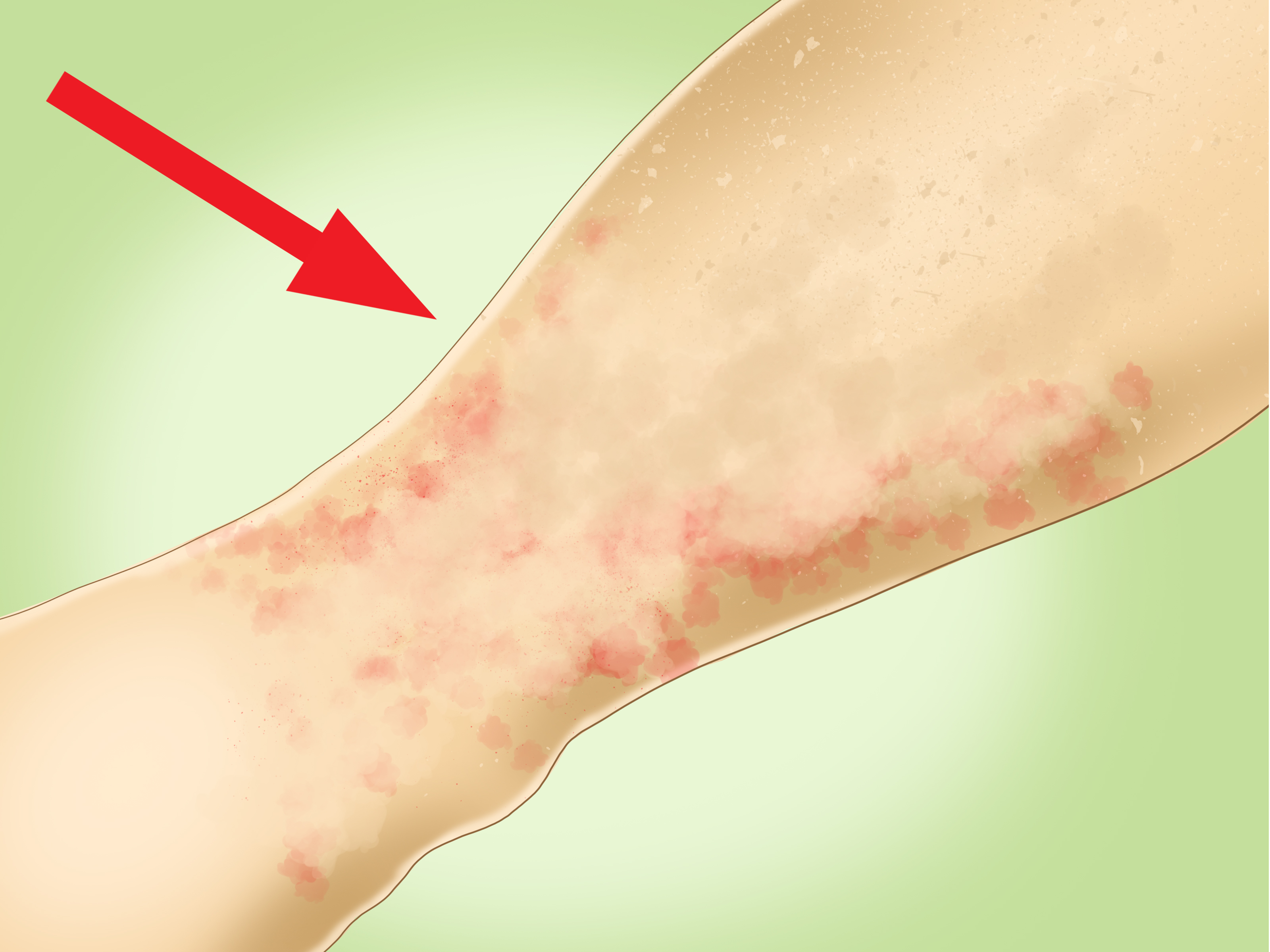
Pinpoint petechiae can look like someone tapped the skin with a red, purple, or brown fine-tip marker. These tiny spots are usually flat, often appear in clusters, and generally do not fade when pressed. Although they may resemble an ordinary rash, petechiae are actually small areas of bleeding beneath the skin.
That distinction matters because petechiae are not a disease by themselves. They are a visible sign that tiny blood vessels have leaked. The cause might be something relatively minor, such as intense coughing, vomiting, friction, or heavy lifting. It could also be an infection, a medication effect, inflammation of the blood vessels, a low platelet count, or another condition requiring prompt treatment.
In other words, treating pinpoint petechiae is less about finding the perfect cream and more about answering one important question: Why did these spots appear? The following 10 steps explain how to recognize warning signs, document the outbreak, obtain the right medical evaluation, and treat the underlying cause safely.
What Do Pinpoint Petechiae Look Like?
Petechiae are usually smaller than 2 millimetersroughly the width of a crayon tip. They may look bright red, dark red, purple, rust-colored, or brown depending on skin tone, the age of the spots, and the amount of blood beneath the skin.
Unlike hives, eczema, or many allergic rashes, petechiae are usually not raised, scaly, or itchy. They also tend to remain visible when gentle pressure is applied because the color comes from blood outside the vessels rather than temporarily widened blood vessels.
Petechiae can occur anywhere, including the legs, arms, torso, face, eyelids, roof of the mouth, and inside the cheeks. They may be more difficult to notice on deeply pigmented skin, so changes in texture, associated bruising, and spots inside the mouth may provide additional clues. However, appearance alone cannot reveal the cause.
Petechiae, purpura, and bruises are related but different
Doctors often categorize bleeding beneath the skin according to size. Petechiae are the smallest dots. Larger red or purple areas are generally called purpura, while broad patches of pooled blood are known as ecchymoses, or ordinary bruises. A person may have more than one type at the same time.
How to Treat Pinpoint Petechiae in 10 Steps
-
Step 1: Check for emergency warning signs
Before investigating new laundry detergent or blaming a vigorous workout, look at the whole situation. Petechiae accompanied by serious illness can require emergency treatment.
Call 911 or seek emergency medical care immediately when pinpoint spots occur with any of the following:
- High or rapidly rising fever
- Severe headache or a stiff neck
- Confusion, unusual sleepiness, fainting, or difficulty waking
- Trouble breathing, rapid breathing, or bluish lips
- Repeated vomiting or severe weakness
- Rapidly spreading red, purple, or dark patches
- Uncontrolled bleeding
- Blood in vomit, urine, or stool
- A seizure
- Recent serious injury, particularly a head injury
A fever with a non-blanching rash can occur in severe bloodstream infections, including meningococcal disease. These illnesses may worsen quickly, so this is not the moment to conduct a three-hour internet investigation while sipping tea. Obtain urgent medical help.
Infants and young children deserve especially cautious evaluation. Seek immediate care for a child who has petechiae and appears very ill, unusually floppy, inconsolable, difficult to awaken, dehydrated, or short of breath.
-
Step 2: Confirm that the spots could be petechiaebut do not self-diagnose
Gently look at the area in good light. Petechiae are typically flat and do not disappear when pressed. Some people press a clear drinking glass against the skin to see whether the spots fade. This is sometimes called the glass test.
A non-blanching result supports the possibility of bleeding beneath the skin, but it does not identify the cause. More importantly, a reassuring-looking test cannot rule out a dangerous infection or bleeding disorder. Symptoms and overall health matter more than a home experiment involving kitchenware.
Several conditions can imitate petechiae, including insect bites, folliculitis, heat rash, cherry angiomas, contact dermatitis, and ordinary irritation. A clinician can inspect the spots and decide whether additional testing is needed.
-
Step 3: Document when and where the spots appeared
Record when you first noticed the pinpoint rash, where it began, and whether it is spreading. Take clear photographs in consistent lighting, ideally with a ruler or coin nearby for scale. Do not rely entirely on memory; skin changes have a habit of becoming mysteriously vague during a medical appointment.
Write down associated symptoms such as:
- Fever, chills, headache, or fatigue
- Sore throat, coughing, vomiting, or diarrhea
- Joint pain, abdominal pain, or swelling
- Easy bruising or frequent nosebleeds
- Bleeding gums
- Unusually heavy menstrual bleeding
- Recent weight loss or night sweats
- Blood in urine or bowel movements
Also note whether the spots are limited to one pressure-prone area or scattered across several parts of the body. A small cluster after tight clothing is different from unexplained petechiae covering the legs, torso, and arms.
-
Step 4: Consider recent straining, pressure, friction, or injury
Strong pressure inside tiny blood vessels can occasionally cause localized petechiae. Possible triggers include violent coughing, repeated vomiting, childbirth, heavy lifting, prolonged crying, or intense straining. Facial petechiae may appear around the eyes after vomiting or a powerful coughing episode.
External pressure can also contribute. Tight straps, compression garments, tourniquets, vigorous massage, or repetitive friction may leave pinpoint spots in a clearly defined area.
When petechiae have an obvious mechanical cause, remain localized, and occur without fever, abnormal bleeding, or illness, they may gradually fade as the leaked blood is reabsorbed. Even then, contact a healthcare professional if the marks spread, recur frequently, last longer than expected, or have no convincing explanation.
Avoid further rubbing, aggressive exfoliation, scraping, or deep massage. The spots are not dirt trapped beneath the skin, and attacking them with a loofah will not negotiate a peaceful resolution.
-
Step 5: Look for signs of a platelet or bleeding problem
Platelets are blood cells that help form clots. When platelet numbers are too lowor the platelets do not function properlypetechiae may appear along with other signs of bleeding.
Arrange prompt medical evaluation if the pinpoint rash is accompanied by unexplained bruises, persistent nosebleeds, gum bleeding, prolonged bleeding from small cuts, very heavy menstrual periods, or blood in the urine or stool.
Low platelet counts can have many causes. These include immune thrombocytopenia, viral infections, medication effects, bone marrow disorders, liver or spleen problems, pregnancy-related conditions, severe infection, and certain autoimmune diseases. The skin cannot tell you which one is responsible; blood tests are usually required.
Until evaluated, avoid starting extra aspirin, ibuprofen, naproxen, or other products that may increase bleeding risk unless a healthcare professional has told you to use them. However, do not suddenly stop prescribed aspirin, anticoagulants, or antiplatelet drugs without medical advice. Stopping those medications on your own may create a different and potentially serious risk.
-
Step 6: Obtain a medical examination and appropriate testing
A clinician will ask about the timing of the spots, recent infections, travel, tick exposure, injuries, pregnancy, chronic illnesses, family history, medications, supplements, and bleeding symptoms. The examination may include the skin, mouth, lymph nodes, abdomen, blood pressure, heart rate, and temperature.
Common initial tests may include:
- A complete blood count to measure platelets, red blood cells, and white blood cells
- A peripheral blood smear to examine blood-cell appearance
- Clotting studies
- Liver and kidney function tests
- Urinalysis
- Tests for infection when symptoms suggest one
- Additional immune, inflammatory, or bone marrow testing when necessary
Not every person needs every test. A few facial petechiae after a documented vomiting episode may be handled differently from widespread spots with fever, bruising, and fatigue. Medical evaluation helps separate those situations.
-
Step 7: Treat infections quickly and specifically
Some bacterial and tick-borne infections can cause petechiae and require urgent prescription treatment. Depending on the diagnosis, therapy may include antibiotics, intravenous fluids, oxygen, fever management, or hospital monitoring.
Antibiotics do not treat viral infections, and leftover medication from last winter’s sinus adventure should not be used as a home remedy. The wrong antibiotic can delay diagnosis, cause side effects, and contribute to antibiotic resistance.
When a viral illness triggers temporary petechiae or a mild reduction in platelets, treatment may focus on hydration, rest, monitoring, and follow-up blood tests. More severe infections or significantly low platelet counts may require hospitalization.
Tell the clinician about recent tick bites, outdoor exposure, travel, sick contacts, sore throat, vaccination history, and new fever. Even when you do not remember a bite, geographic and outdoor-exposure details may help identify a tick-borne disease.
-
Step 8: Follow the treatment plan for low platelets or blood disorders
If testing reveals immune thrombocytopenia or another platelet disorder, treatment depends on the platelet count, bleeding severity, age, underlying cause, and overall health. Mild cases may require observation rather than immediate medication.
More serious cases may be treated with corticosteroids, intravenous immune globulin, immune-targeting medicines, platelet-stimulating medications, or transfusions. Rare or life-threatening disorders such as thrombotic thrombocytopenic purpura require immediate hospital-based therapy, often involving plasma treatment and specialized medications.
Petechiae associated with leukemia, aplastic anemia, myelodysplastic syndromes, or another bone marrow condition improve only when the underlying disorder is addressed. Treatment may involve transfusions, medication, chemotherapy, immune therapy, or other specialist-directed care.
Do not judge recovery solely by the color of the spots. The petechiae may take time to fade even after platelet levels or the underlying illness begin improving. Follow-up laboratory results and bleeding symptoms provide more meaningful information.
-
Step 9: Review medications and supplements with a clinician
Prescription drugs, over-the-counter medicines, and supplements may occasionally contribute to low platelets, impaired platelet function, inflammation of small blood vessels, or abnormal bleeding.
Bring a complete medication list to the appointment. Include vitamins, herbal remedies, pre-workout products, cold medicines, pain relievers, and recently discontinued drugs. “It was natural” is not the same as “it could not possibly affect my blood.”
Do not stop an essential medication based only on a suspected connection. A clinician can assess the timing, consider alternatives, and decide whether the drug should be continued, changed, tapered, or discontinued. Seek emergency assistance for petechiae accompanied by facial swelling, breathing difficulty, fainting, blistering skin, or sores involving the mouth or eyes.
-
Step 10: Protect the skin, monitor recovery, and attend follow-up care
No topical cream can remove blood already beneath the skin. Most uncomplicated petechiae fade gradually as the body breaks down and reabsorbs the leaked blood. Color may shift from red or purple to brown or yellowish before disappearing.
While the area heals:
- Avoid scratching, scrubbing, and harsh exfoliants
- Wear loose clothing over affected areas
- Use gentle, fragrance-free skin products
- Rest if the spots followed significant coughing, vomiting, or exertion
- Follow activity restrictions if platelet levels are low
- Monitor for new bruising or bleeding
- Keep scheduled blood tests and specialist appointments
Contact the treating clinician if the spots increase, return repeatedly, fail to improve, or appear with new symptoms. Seek urgent care if bleeding becomes difficult to stop or if fever, severe headache, confusion, breathing trouble, or rapidly spreading discoloration develops.
What Not to Do for a Petechial Rash
Because pinpoint petechiae can look deceptively simple, people sometimes try treatments designed for allergies or irritated skin. Antihistamines may help an itchy allergic rash, but true petechiae often do not itch and will not disappear because of an antihistamine. Likewise, steroid cream cannot repair a platelet disorder or cure a bloodstream infection.
Avoid squeezing the spots, puncturing them, covering them with strong acids, or repeatedly pressing them to “check” whether they are still present. These methods can irritate the skin without addressing the cause.
Do not assume that feeling reasonably well eliminates every medical concern. Some platelet disorders begin with skin findings before major bleeding occurs. Conversely, do not panic over every isolated red dot. The sensible response is to consider the pattern, associated symptoms, and whether the cause is clearthen obtain medical guidance when it is not.
How Long Do Petechiae Take to Go Away?
The recovery time depends entirely on the trigger. Pressure-related petechiae may begin fading within several days. Spots caused by an infection, inflammatory condition, or platelet disorder may continue appearing until that condition is controlled.
Old petechiae do not always vanish the moment treatment starts. Blood pigments beneath the skin need time to break down, much like an ordinary bruise. Improvement is more reassuring when no new spots are forming and accompanying symptoms are resolving.
Persistent or recurrent petechiae should be reassessed, especially when there is no obvious mechanical trigger. A clinician may repeat a complete blood count or order additional testing to look for an underlying cause.
Practical Experiences: What Managing Pinpoint Petechiae Often Looks Like
The following composite examples combine common care experiences and are provided for education. They do not describe specific identifiable patients.
Experience 1: Spots after a severe coughing spell
An otherwise healthy adult notices a cluster of tiny red dots around the eyes the morning after an intense night of coughing. The spots are flat, do not itch, and remain limited to the face. There is no unexplained bruising, fever, gum bleeding, or blood in the urine or stool.
The person photographs the area, contacts a primary care clinic, and explains the timing. After the cough and general health are assessed, the clinician concludes that pressure from repeated coughing is the likely explanation. The advice is to treat the cause of the cough, avoid rubbing the face, and watch for spreading spots or abnormal bleeding.
The dots gradually fade. The useful lesson is not that all facial petechiae are harmless. It is that a clear trigger, limited distribution, and absence of warning signs can help a clinician make a measured decision.
Experience 2: Petechiae with bruising and heavy periods
Another adult notices increasing pinpoint spots on both lower legs. At first, the dots are blamed on shaving. Over the next several days, new bruises appear without memorable injuries, and menstrual bleeding becomes unusually heavy.
Instead of experimenting with rash creams, the person schedules prompt medical care. A complete blood count reveals a low platelet level. Additional evaluation supports a diagnosis of immune thrombocytopenia.
The treatment plan is based on the platelet count and bleeding severity. It includes specialist follow-up, temporary activity precautions, and medication. As the platelet count improves, new petechiae stop forming. Older spots remain visible for a while before fading.
This experience highlights why accompanying symptoms matter. Shaving irritation does not usually explain spontaneous bruising, prolonged bleeding, and widespread non-blanching dots. When several bleeding clues travel together, they deserve medical attention rather than a new bottle of moisturizer.
Experience 3: A sick child with fever and a spreading rash
A parent discovers small purple-red spots on a child’s legs during an illness. The child has a fever, looks unusually sleepy, and complains of a severe headache. More spots appear over a short period.
The parent does not wait for a routine appointment or depend on a glass test. Emergency care is sought immediately. Clinicians begin rapid testing and treatment for a possible serious infection.
The most important part of this experience is the speed of the response. Petechiae combined with fever and a visibly unwell child are not a “check again tomorrow” situation. Early treatment can be critical when invasive infection is responsible.
Experience 4: A medication list provides the missing clue
A person develops recurrent petechiae after starting several new products: a prescription medicine, an over-the-counter pain reliever, and an herbal supplement. At the appointment, the initial answer to “What medications do you take?” includes only the prescription.
After further discussion, the complete list emerges. The clinician reviews possible effects on platelets and bleeding, orders blood tests, and safely adjusts the treatment plan. The patient does not abruptly stop every medication and hope for the best.
This situation is common because supplements and occasional pain relievers are easily forgotten. Keeping an updated medication list on a phone can save time and may reveal an important pattern.
Experience 5: Monitoring without ignoring changes
A person with a known platelet disorder already understands that occasional petechiae may appear when the platelet count drops. Rather than treating every dot as an independent skin emergency, the person follows a written plan from the hematology team.
The plan specifies which symptoms require a same-day call, when laboratory testing is needed, what activities to avoid, and which signs require emergency care. New gum bleeding and a rapidly growing bruise trigger an immediate call, even though the petechiae themselves look familiar.
The broader lesson is that experience should improve vigilance, not create complacency. Familiar-looking spots can still occur during a meaningful change in the underlying condition.
Conclusion
Pinpoint petechiae are tiny, but the list of possible causes is anything but. Some outbreaks result from temporary pressure after coughing, vomiting, friction, or strenuous effort. Others signal infection, medication effects, blood-vessel inflammation, low platelets, or a more serious blood disorder.
The safest treatment strategy is to identify the cause rather than trying to erase the dots. Check for emergency symptoms, document the pattern, report abnormal bleeding, obtain appropriate testing, and follow the treatment plan for the diagnosed condition. When petechiae appear with fever, severe headache, confusion, breathing difficulty, uncontrolled bleeding, or rapid spread, seek emergency care immediately.
For new spots without an obvious explanation, timely medical evaluation offers something a search engine cannot: an examination, blood tests, and a treatment plan designed for the person rather than the pixels.












