
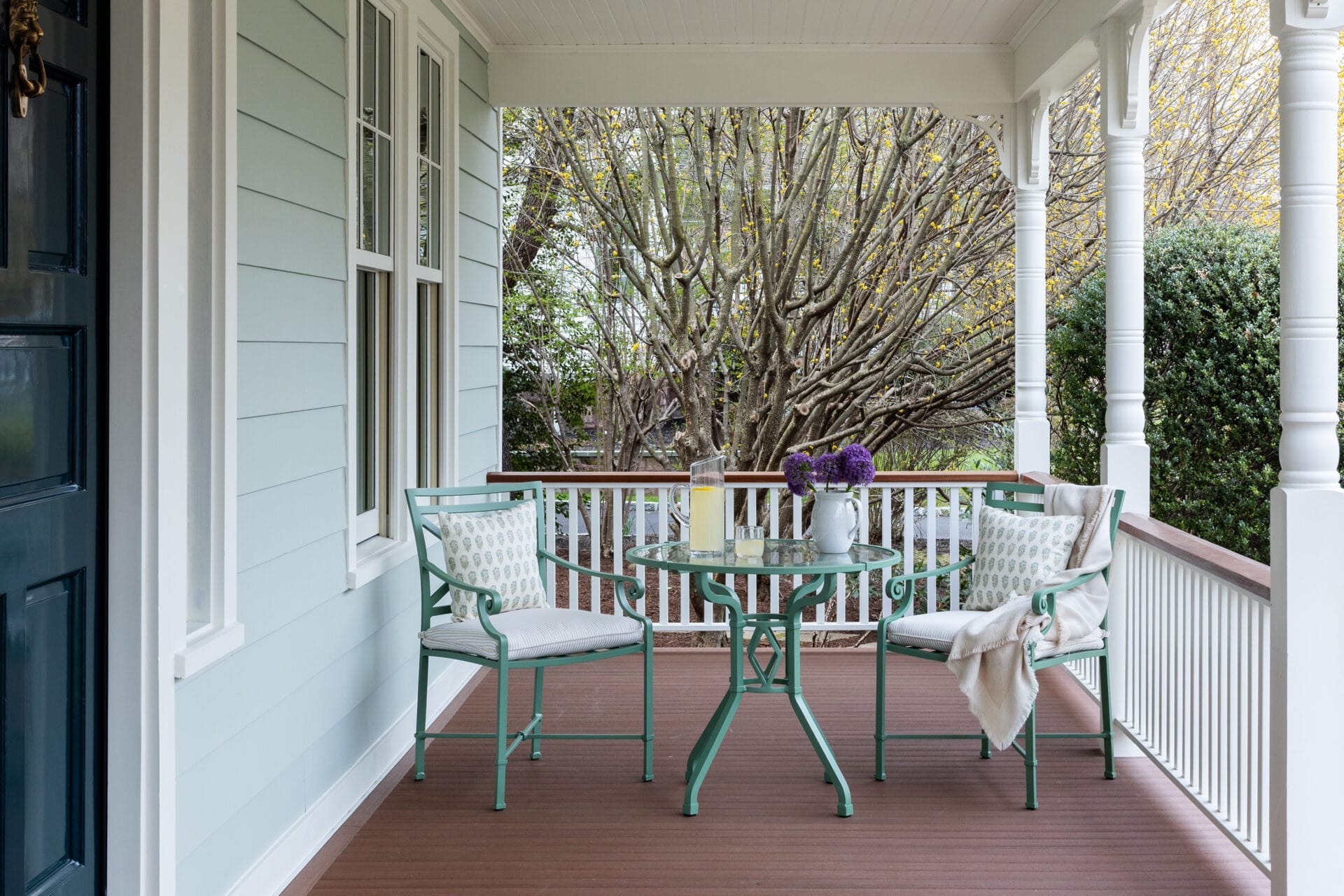
Choosing deck lumber is a little like choosing shoes for a long hike: the pretty pair may get compliments, but the wrong fit will punish you every step of the way. A deck has to look good, carry weight safely, handle sun and rain, resist insects, survive seasonal swelling and shrinking, and still feel pleasant under bare feet when someone wanders outside with coffee and questionable morning hair.
The best lumber for your deck is not always the most expensive board in the pile. It is the lumber that matches the job: pressure-treated lumber for structural strength and affordability, naturally durable woods for beauty, ground-contact-rated wood where moisture is a bully, and properly graded boards where safety matters. Before buying a single 2x joist or deck board, you need to understand species, grade, moisture content, treatment level, appearance, maintenance, and local code requirements.
This guide breaks down how to select deck lumber the smart way, without turning your weekend project into a lumberyard guessing game.
Why Deck Lumber Selection Matters
A deck is more than outdoor flooring. It is a small structure attached to your home, exposed to weather every day, and asked to support people, furniture, grills, planters, pets, and the occasional uncle who insists on demonstrating dance moves from 1987.
Poor lumber selection can lead to cupping, warping, splintering, rot, loose fasteners, premature staining failure, or structural weakness. Good lumber selection improves safety, extends service life, reduces maintenance, and keeps the finished deck looking intentional instead of “built from whatever was leaning near the checkout lane.”
The key is to choose different lumber for different parts of the deck. The framing, posts, beams, joists, decking boards, stairs, and railing components do not all need the same material. In fact, they usually should not all be the same.
Start With the Structure: Posts, Beams, Joists, and Ledgers
The structural frame is where you should be practical, not romantic. Nobody writes poetry about joists, but joists are the reason your deck does not become a very expensive trampoline.
Use Pressure-Treated Lumber for Most Deck Framing
For most residential decks in the United States, pressure-treated lumber is the standard choice for framing. It is widely available, affordable, strong, and treated to resist decay and insect damage. Southern yellow pine, Douglas fir, and hem-fir are common framing species, depending on the region.
When shopping, look for a clear grade stamp or treatment label. For structural members such as joists, beams, and ledgers, choose lumber that is graded for structural use, commonly No. 2 or better unless your plans or local building department require otherwise. Do not assume every board in the pressure-treated pile is suitable for every structural purpose.
Choose Ground-Contact Lumber Where Moisture Is Likely
Above-ground treated lumber and ground-contact treated lumber are not interchangeable. Above-ground lumber is intended for components that stay well above soil and can dry between wetting cycles. Ground-contact lumber is treated for tougher conditions, including direct soil contact, frequent moisture, or places where the wood is difficult to replace.
For deck posts, stair stringers, beams close to the ground, ledgers, joists in damp areas, or any board within about 6 inches of soil, ground-contact-rated lumber is usually the safer choice. It costs more, but replacing a rotten post later costs even moreand comes with the emotional bonus of wondering why you did not spend a few extra dollars the first time.
Pay Attention to the Ledger Board
The ledger board connects an attached deck to the house. It is not a place to bargain-hunt. Use pressure-preservative-treated lumber of the proper size and grade, and follow local code for flashing, fasteners, spacing, and connection details.
A strong deck begins with proper load transfer. Even beautiful deck boards cannot compensate for a weak ledger connection. If you are unsure about ledger installation, check your local building code or hire a qualified deck professional. The ledger is not where “close enough” should make a guest appearance.
Best Lumber Options for Deck Boards
Deck boards are the visible surface, so appearance, comfort, durability, and maintenance become more important. Your main wood decking options include pressure-treated lumber, cedar, redwood, tropical hardwoods, and modified wood products. Each has strengths and trade-offs.
Pressure-Treated Deck Boards: Best Budget Choice
Pressure-treated decking is the most common and budget-friendly wood deck option. It is easy to find, easy to cut, and compatible with standard deck-building tools. It can be stained or sealed once dry, and it works well for homeowners who want a functional deck without spending premium-material money.
The downside is that pressure-treated lumber can shrink, twist, cup, or check as it dries. It also requires regular cleaning and sealing. When choosing pressure-treated deck boards, inspect every piece. Look for straight boards with tight knots, minimal wane, no deep cracks, and no obvious twist.
A good pressure-treated board should look like it is ready to behave. If it already resembles a banana at the store, it is not going to straighten out because you gave it a pep talk.
Cedar Decking: Naturally Beautiful and Pleasant to Work With
Cedar is prized for its warm color, light weight, pleasant aroma, and natural resistance to decay and insects. It cuts and fastens easily, making it a favorite for deck surfaces, benches, privacy screens, and railings.
Western red cedar is especially popular because it offers a classic natural look. Clearer grades cost more but have fewer knots and a smoother appearance. Knotty grades can still be attractive, especially for rustic decks, but you should avoid loose knots and cracked boards in walking surfaces.
Cedar is softer than many hardwoods, so it can dent more easily. It also weathers to gray if left unfinished. To preserve the warm cedar tone, plan on applying a quality exterior stain or sealer and maintaining it regularly.
Redwood Decking: Premium Look With Natural Durability
Redwood is another naturally durable deck lumber option. It has a rich reddish color, good stability, and resistance to decay, especially when you select heartwood grades. Common redwood grades may contain more sapwood, which is less durable than heartwood.
For deck boards, look for redwood grades designed for exterior or deck use, such as Deck Heart or Construction Heart where available. Redwood can be more expensive and harder to find outside the western United States, but it remains a beautiful option for homeowners who want natural wood with character.
Tropical Hardwoods: Dense, Durable, and Demanding
Tropical hardwoods such as ipe, cumaru, garapa, and tigerwood are known for impressive density, rich color, and long service life. They resist wear well and can create a high-end deck surface that looks like it belongs beside an architectural magazine’s suspiciously perfect outdoor kitchen.
However, hardwood decking is heavy, expensive, and harder to install. Many species require pre-drilling, specialized blades, stainless steel fasteners, and careful spacing. They can also be difficult to stain because dense wood does not absorb finishes the same way softer lumber does.
If you choose tropical hardwood, buy from reputable suppliers that offer responsibly sourced material. Also budget for the right tools and fasteners. Hardwood decking rewards patience; it does not reward improvisation.
Understand Lumber Grades Before You Buy
Lumber grades describe strength, appearance, or both. For deck framing, strength grades matter most. For deck boards and railings, appearance matters more, though stability and soundness still count.
Structural Grades
For joists, beams, and ledgers, choose structural lumber marked with an appropriate grade, often No. 2 or better for typical residential deck framing. Higher grades generally have fewer and smaller defects, which can mean better strength and appearance.
Do not use random appearance boards for structural framing unless they are specifically graded for structural use. A board can look handsome and still be wrong for carrying loads. This is also true of some people at the gym, but let us stay focused.
Appearance Grades
For cedar, redwood, and other visible decking, appearance grades help you decide how refined you want the finished surface to look. Clear grades have fewer knots and a cleaner look. Knotty grades are more affordable and can be visually charming, but they require careful selection.
If the board will be used where people walk barefoot, avoid loose knots, raised grain, deep checks, and rough edges. Beauty is good. Splinters are not a design feature.
Check Moisture Content and Drying Method
Wood moves. It shrinks, swells, cups, and twists as moisture content changes. Deck lumber lives outdoors, so movement is inevitable. Your goal is to choose lumber that is as stable as possible and install it with that movement in mind.
Green, Air-Dried, Kiln-Dried, and KDAT
Green lumber has a higher moisture content and will shrink more as it dries. Air-dried lumber has been dried naturally. Kiln-dried lumber has been dried in a controlled kiln. KDAT, or kiln-dried after treatment, refers to pressure-treated lumber dried after the preservative process.
KDAT lumber is often more stable than wet pressure-treated lumber, but it usually costs more. For visible deck boards, drier and more stable lumber can reduce movement after installation. For framing, standard pressure-treated lumber is common, but you should still avoid boards that are excessively wet, twisted, or cracked.
Board Spacing Depends on Moisture
Spacing deck boards correctly depends partly on how wet the lumber is when installed. Wet pressure-treated boards may shrink as they dry, opening gaps naturally. Kiln-dried or very dry boards may need a planned gap at installation to allow drainage and expansion.
Always follow the lumber supplier’s guidance and local best practices. Water needs a way to drain, leaves need fewer places to collect, and your deck needs airflow so it does not become a mushroom internship program.
Inspect Boards Like a Pro at the Lumberyard
Never buy deck lumber by simply counting pieces and hoping for the best. Take time to inspect each board. Yes, you may feel picky. Be picky anyway. Future you, standing on a flatter deck, will be grateful.
Look Down the Length of Each Board
Hold one end of the board near eye level and sight down the edge. Reject boards with major bow, crook, twist, or cup. A little movement can be managed, especially in framing, but severe distortion makes installation harder and can lead to uneven decking.
Check Knots, Cracks, and Wane
Tight knots are usually acceptable in many deck boards, depending on grade and style. Loose knots, large cracks, split ends, bark edges, and missing corners are problems. Wane may be acceptable in hidden framing if it does not affect strength or fastening, but it is not attractive on a visible deck surface.
Avoid Moldy or Slimy Boards
Some surface discoloration on treated lumber is normal, but avoid boards with excessive mold, slime, decay, or soft spots. Press questionable areas with a screwdriver or fingernail. If the wood feels soft, leave it behind. Your deck should not begin life already auditioning for a repair project.
Match Fasteners and Hardware to the Lumber
Deck lumber selection is not complete until you choose compatible fasteners and connectors. Treated wood can be corrosive to some metals, especially in wet or coastal environments. Use fasteners and hardware approved for the lumber treatment type and exposure conditions.
Hot-dip galvanized, polymer-coated, or stainless steel fasteners are commonly recommended for treated lumber, depending on the application and environment. Stainless steel is often preferred in coastal areas or where corrosion risk is high. Always check the fastener manufacturer’s recommendations and the treatment label on the lumber.
Using the wrong fastener is like buying great hiking boots and tying them with spaghetti. Technically, something is connected, but confidence should be low.
Think About Climate and Exposure
The best lumber for a deck in Arizona may not be the best lumber for a shaded, damp backyard in Oregon or a salty coastal home in Florida. Climate affects wood movement, decay risk, UV exposure, and maintenance needs.
Wet or Shaded Areas
If your deck will sit under trees, near soil, beside a pool, or in a rainy climate, prioritize decay resistance and drainage. Use ground-contact-rated framing where appropriate, leave adequate gaps, and avoid designs that trap water against the wood.
Hot and Sunny Areas
In intense sun, UV exposure can fade wood and dry out surfaces. Cedar, redwood, and hardwoods may need UV-resistant finishes to maintain color. Pressure-treated lumber may check or crack if it dries too quickly without protection.
Coastal Areas
Salt air increases corrosion risk. Stainless steel fasteners and connectors are often worth the upgrade. Dense hardwoods can perform well in exposed environments, but only when installed with the correct hardware and spacing.
Budget: Where to Spend and Where to Save
A smart deck budget spends money where failure would be costly and saves money where appearance or preference allows flexibility.
Spend on structural framing, posts, ledger materials, proper treatment level, code-compliant connectors, and high-quality fasteners. These are safety and longevity items. Save by choosing a practical decking species, using a knotty appearance grade where appropriate, or limiting premium wood to visible surfaces such as deck boards, rails, and built-in benches.
For example, a common approach is to use pressure-treated lumber for the frame and cedar, redwood, or hardwood for the surface. This gives the deck strength underneath and beauty on top, which is also a decent philosophy for sandwiches.
Maintenance Should Influence Your Choice
All wood decks require maintenance. Some require more than others. Pressure-treated lumber needs cleaning and periodic sealing or staining. Cedar and redwood need finish maintenance if you want to preserve their color. Tropical hardwoods may need oiling to maintain rich tones, though many homeowners let them weather naturally.
If you enjoy weekend projects, natural wood maintenance may feel satisfying. If you prefer to spend weekends doing literally anything else, choose lumber and finishes with realistic upkeep in mind. The best deck lumber is the one you will actually maintain, not the one that looks perfect in a brochure.
How Much Lumber Should You Buy?
Once you choose your material, calculate carefully. Measure the deck area, joist layout, stair dimensions, railing sections, and waste factor. For decking boards, add extra for trimming, defects, layout cuts, and future repairs. A 10 percent waste allowance is common for straightforward layouts, while diagonal patterns or complex designs may require more.
Buy extra boards from the same batch when possible. Wood color, grain, and treatment tone can vary between shipments. Having matching spare boards is useful if you need repairs later.
Quick Lumber Selection Checklist
- Use pressure-treated, structurally graded lumber for framing.
- Choose ground-contact-rated lumber for posts, stair stringers, ledgers, and damp locations.
- Select No. 2 grade or better for common structural deck members unless plans require otherwise.
- Use cedar, redwood, or hardwood for a more attractive walking surface.
- Inspect every board for twist, bow, cup, splits, loose knots, and decay.
- Match fasteners and connectors to the lumber treatment and exposure.
- Plan for staining, sealing, cleaning, and long-term maintenance.
Experience-Based Tips for Selecting the Best Lumber for Your Deck
Here is the practical, sawdust-on-the-shoes advice that often matters most when you are actually standing in the lumber aisle. First, do not shop for deck lumber in a rush. The person who grabs the top 40 boards from the pile is usually the same person later wondering why the deck surface looks like ocean waves. Give yourself time to sort. Lumber is a natural material, and even a good shipment contains a few boards that are better suited for blocking, short cuts, or the mysterious return cart.
Second, separate lumber by purpose as you load it. The straightest, cleanest, best-looking boards should be saved for deck boards, stair treads, rail caps, benches, and other visible areas. Slightly less perfect but structurally sound boards can become joists or blocking. Shorter cut pieces can come from boards with one bad end. This simple habit reduces waste and keeps the most visible parts of the deck looking polished.
Third, think about handling. Wet pressure-treated lumber is heavy. Very heavy. “Did this tree absorb a swimming pool?” heavy. If you are building the deck yourself, plan how you will unload, stack, and move the boards safely. Stack lumber flat on stickers so air can circulate, keep it off the ground, and cover the top while allowing airflow. Do not wrap it tightly in plastic for days, because trapped moisture can encourage mildew and uneven drying.
Fourth, buy your decking boards with the final layout in mind. If your deck is 16 feet wide, full-length 16-foot boards may reduce butt joints and create a cleaner look. If access is tight or boards are prone to movement, shorter lengths may be easier to manage. For premium woods, ask the supplier about available lengths before finalizing the design. Designing around actual material availability can save money and frustration.
Fifth, inspect the ends of boards. End checking is common, but deep splits can waste material or weaken a board near a fastener. If you see a split, estimate how much must be cut off and decide whether the remaining length still works for your project. A board with a bad 8 inches may still be useful; a board with problems every few feet is asking for a retirement plan.
Sixth, do not ignore fastener strategy until the day of installation. Some decking looks best with hidden fasteners, while other boards are fine with face screws. Dense hardwoods often require pre-drilling. Pressure-treated boards need compatible coated or galvanized fasteners. Coastal decks may justify stainless steel. Fasteners are small, but they decide whether boards stay tight, surfaces look neat, and connections resist corrosion.
Seventh, be honest about maintenance. A cedar deck that is cleaned and stained regularly can look fantastic. A cedar deck that is ignored under wet leaves may disappoint you. Pressure-treated lumber can last well when maintained, but it still benefits from sealing. Hardwood can weather beautifully, but maintaining its original color takes effort. Before choosing lumber, ask yourself whether you want a natural gray patina, a stained finish, or a rich oiled lookand whether you are willing to keep up with it.
Finally, talk to your local lumberyard. Big-box stores are convenient, but a knowledgeable lumber supplier can explain regional species, treatment labels, moisture content, grade differences, and common local problems. In some areas, cedar is easy to source. In others, redwood is rare and expensive. In damp climates, the treatment rating may matter more than the species name. Local experience can help you avoid buying the right lumber for the wrong backyard.
Conclusion
Selecting the best lumber for your deck comes down to matching the board to the job. Pressure-treated lumber is usually the smart choice for framing, especially when structural strength and decay resistance matter. Ground-contact-rated lumber belongs anywhere moisture risk is high. Cedar and redwood offer natural beauty for visible surfaces, while tropical hardwoods deliver premium durability at a higher cost and with more demanding installation requirements.
Before you buy, check the grade stamp, treatment label, moisture condition, straightness, knots, cracks, and compatibility with fasteners. Think about your climate, your budget, and the amount of maintenance you are willing to do. The best deck lumber is not just the prettiest board in the pile; it is the board that will still be doing its job years from now while you are relaxing outside, pretending not to hear someone ask when you are building the pergola.
Note: This article is based on synthesized guidance from reputable U.S.-relevant lumber, decking, wood-preservation, building-code, and fastener resources. Always verify local building code requirements and manufacturer recommendations before purchasing or installing deck lumber.












