
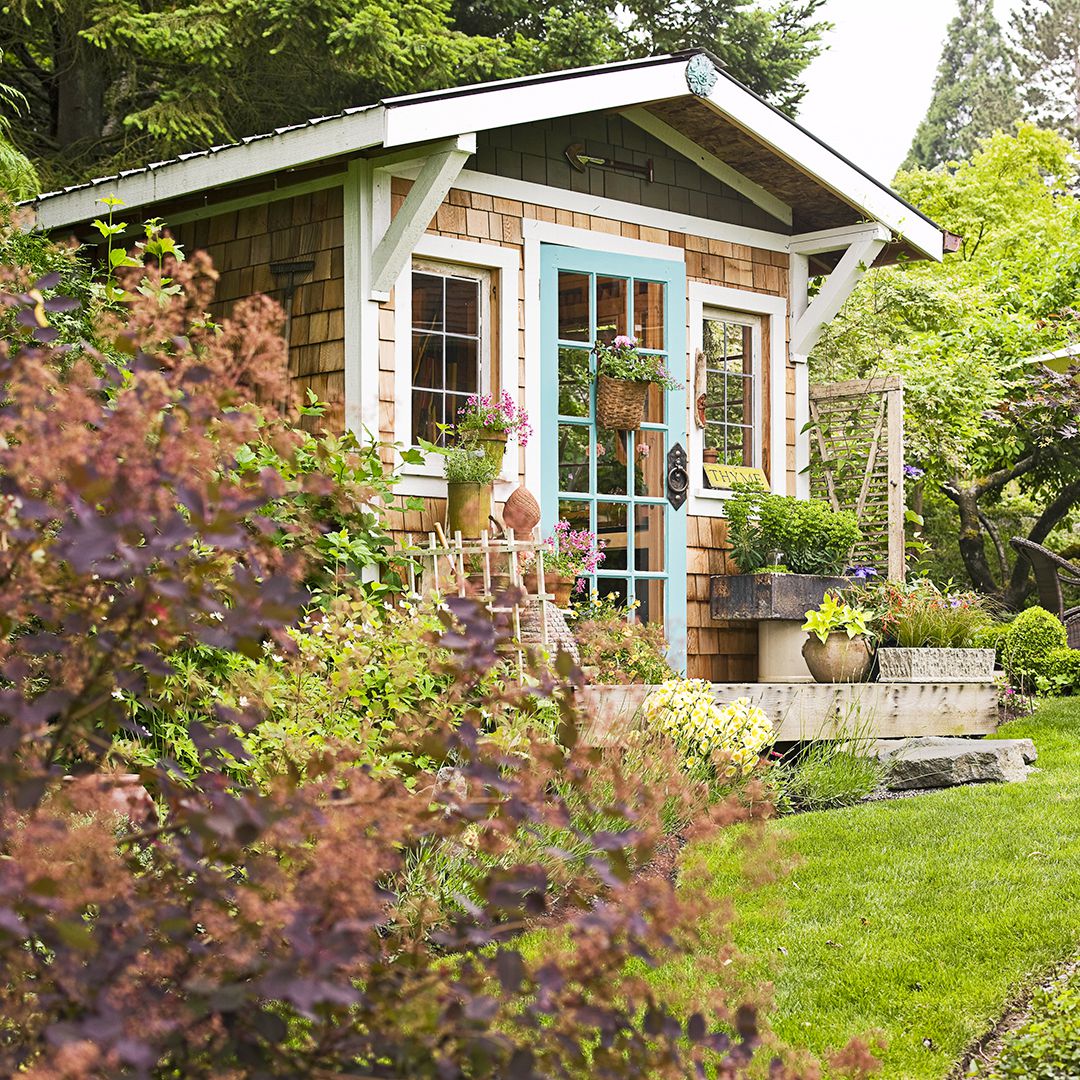
A garden shed used to be the backyard equivalent of a junk drawer: useful, slightly mysterious, and best opened only when absolutely necessary. Today, a well-designed shed can be a storage hero, a potting station, a tiny studio, a weekend hideaway, or the cutest “small building with big main-character energy” your yard has ever seen. Whether your outdoor space is a narrow side yard, a suburban lawn, a cottage garden, or a patio that is doing its very best, the right garden shed idea can bring order, beauty, and personality to the entire landscape.
The best garden shed ideas combine three things: practical storage, weather-smart materials, and visual charm. That means your shed should protect tools, seeds, soil, pots, hoses, and outdoor gear while also looking intentional. Think windows, flower boxes, painted doors, gravel paths, climbing vines, skylights, pegboards, and enough shelving to prevent your trowel from disappearing into the Bermuda Triangle again.
Below are 30 charming garden shed ideas for any yard, from small-space solutions to dreamy backyard retreats. Use them as a menu, mix your favorites, and remember: a shed does not need to be huge to be wonderful. Sometimes all it takes is a fresh coat of paint, a better hook system, and the courage to finally throw away that cracked plastic planter from 2014.
Why a Garden Shed Is More Than Just Outdoor Storage
A garden shed solves one of the most common outdoor problems: where to put all the stuff. Lawn tools, bags of potting mix, seed trays, gloves, hoses, garden stakes, birdseed, patio cushions, and seasonal decor can quickly overrun a garage or porch. A shed gives those items a dedicated home, which makes gardening easier and keeps your yard looking polished.
But function is only half the story. A thoughtfully designed backyard shed can also become a focal point. It can echo your home’s architecture, add cottage charm, frame a flower bed, or create a cozy destination at the end of a garden path. In small yards, it can provide vertical storage and reduce clutter. In larger yards, it can become a mini retreat, potting room, hobby studio, or greenhouse-style workspace.
30 Charming Garden Shed Ideas for Any Yard
1. Create a Cottage-Style Garden Shed
A cottage-style shed is one of the most timeless backyard shed designs. Use board-and-batten siding, a pitched roof, divided-light windows, and flower boxes overflowing with petunias, geraniums, or herbs. Soft colors such as sage green, cream, dusty blue, and warm white help the shed feel like a tiny storybook house. Add a curved gravel path and suddenly your lawn mower lives in a place that looks ready for a tea party.
2. Add a Bright Painted Door
If your shed looks plain, paint the door a bold color. A cheerful red, deep navy, sunny yellow, or garden-green door can transform a basic structure into a design feature. This is one of the easiest garden shed makeover ideas because it requires little money and delivers instant personality. Pair the door color with matching planters or outdoor cushions for a pulled-together look.
3. Build a Potting Shed With a Workbench
A potting shed is perfect for anyone who loves starting seeds, repotting plants, or pretending they are the calmest person in the neighborhood while covered in compost. Install a sturdy workbench along one wall, add open shelves above it, and keep frequently used items within arm’s reach. A washable countertop, wall hooks, and bins for soil amendments make planting tasks cleaner and faster.
4. Use Vertical Storage for Garden Tools
The floor of a shed should not be a battlefield of rakes and shovels. Use wall-mounted racks, pegboards, hooks, and slat-wall panels to store tools vertically. Hang long-handled tools together, keep pruning supplies in one zone, and place smaller hand tools in labeled containers. Vertical storage frees up floor space and helps you find what you need before the weeds win.
5. Try a Lean-To Shed for a Narrow Yard
A lean-to shed works beautifully beside a garage, fence, or exterior wall. Its simple sloped roof makes it efficient for tight spaces, side yards, and small gardens. Use it for bikes, rakes, hoses, or outdoor toys. For extra charm, choose wood siding, a small window, and a door that matches your home’s trim.
6. Turn the Shed Into a Mini Greenhouse
Add clear roof panels, large windows, or a glass door to create a greenhouse-inspired garden shed. This design is ideal for seed starting, overwintering tender plants, or growing herbs in a protected spot. Include shelves near the windows, a water-resistant floor, and good ventilation so the space stays bright without turning into a sauna for basil.
7. Add Window Boxes for Instant Charm
Window boxes make any shed look more finished. Plant trailing vines, colorful annuals, compact herbs, or pollinator-friendly flowers. For a cohesive look, repeat plants already used in your garden beds. Window boxes soften hard edges and make the shed feel integrated into the landscape instead of dropped into the yard like a wooden suitcase.
8. Install a Dutch Door
A Dutch door adds charm and function. Open the top half for fresh air and light while keeping pets, chickens, or wandering toddlers from entering the shed and reorganizing your seed packets by chaos. Dutch doors work especially well for potting sheds, hobby sheds, and cottage-style backyard structures.
9. Use Gravel Around the Shed
Gravel is practical, attractive, and low maintenance. It improves drainage around the shed, reduces mud, and creates a neat transition between the building and the garden. Add stepping stones or a defined path to guide visitors to the entrance. Pea gravel, crushed stone, or decomposed granite can all create a charming, natural look.
10. Create a Shed With a Living Roof
A living roof covered with sedum, succulents, or shallow-rooted plants can help a garden shed blend into the landscape. This idea works best when the shed is structurally designed to handle the extra weight of soil, plants, and water. The result is whimsical, eco-friendly, and surprisingly elegant, especially in naturalistic gardens.
11. Choose a Barn-Style Shed
A barn-style shed with a gambrel roof offers classic charm and extra overhead space. The taller roofline allows for loft storage, hanging baskets, or seasonal items. Paint it traditional red and white for farmhouse style, or go modern with charcoal siding and black trim.
12. Add a Small Porch
A porch turns a basic shed into a backyard destination. Even a narrow overhang with a small step can make the entry feel welcoming. Add a bench, lantern, hanging basket, or vintage watering can for a lived-in look. A porch also protects the doorway from rain and gives muddy boots a place to pause.
13. Build a Modern Minimalist Shed
For contemporary yards, choose clean lines, flat or low-slope roofing, horizontal cladding, and a restrained color palette. Black, charcoal, warm cedar, and white all work well. Keep the landscaping simple with ornamental grasses, concrete pavers, and sleek planters. A modern shed can look sophisticated while still storing the leaf blower like a responsible adult.
14. Use Reclaimed Materials
Reclaimed wood, salvaged windows, old doors, vintage hardware, and repurposed metal roofing can give a garden shed instant soul. This approach is ideal for rustic, farmhouse, cottage, or eclectic gardens. Just make sure reclaimed materials are structurally sound and properly sealed for outdoor use.
15. Make a Tool Wall With Pegboard
Pegboard is a classic shed organization idea because it is affordable and flexible. Use hooks, baskets, and shelves to customize the layout. Trace the outline of tools on the board if you want a visual reminder of where everything belongs. Yes, it may feel very “organized garage commercial,” but it works.
16. Add Skylights or Clerestory Windows
Natural light makes a shed feel larger and more pleasant. Skylights, high windows, or transom-style openings brighten the interior without sacrificing wall storage. This is especially useful for potting sheds, art sheds, craft sheds, and small workshops.
17. Create a Hidden Shed With Matching Fencing
If you prefer a clean, seamless yard, disguise your shed by matching it to the surrounding fence. Use similar wood slats, stain, or paint so the structure blends into the boundary. This idea is excellent for modern yards and small spaces where a shed could otherwise feel visually heavy.
18. Build a She Shed or Hobby Retreat
A garden shed can become a personal retreat for reading, painting, writing, yoga, or simply sitting quietly where nobody asks what is for dinner. Add insulation, comfortable seating, lighting, shelves, and a small desk. Keep the exterior garden-friendly with planters, climbing roses, or a cozy path.
19. Add Climbing Plants
Train clematis, climbing roses, jasmine, or honeysuckle over a trellis attached to the shed. Climbing plants soften the structure and help it feel rooted in the garden. Leave space between plants and siding for airflow, and choose supports strong enough for mature vines.
20. Use Outdoor Lighting
Lighting makes a shed safer and more attractive. Add sconces beside the door, solar path lights along the walkway, or string lights under a small overhang. Warm lighting can turn a shed into a charming evening focal point, even if its main job is still hiding bags of mulch.
21. Create a Seed-Starting Station
Dedicate one section of the shed to seed starting. Include shallow shelves, trays, labels, small pots, gloves, and a calendar for planting dates. If the shed has power, grow lights can help seedlings thrive. Keep seeds in airtight containers to protect them from moisture and pests.
22. Add a Hose and Watering Zone
A hose rack, watering can shelf, and small utility sink can make gardening much easier. If plumbing is not possible, keep a water barrel nearby or store filled watering cans in a shaded spot. A dedicated watering zone prevents hoses from becoming tangled sculptures on the floor.
23. Choose Resin or Vinyl for Low Maintenance
Resin and vinyl sheds are popular for homeowners who want durability without regular painting or staining. They resist rot, insects, and rust, making them practical for many climates. Choose a style with windows, decorative trim, or neutral colors to keep the look polished instead of purely utilitarian.
24. Choose Wood for Custom Character
Wood sheds offer flexibility. You can paint them, stain them, add shutters, install shelves, change hardware, and customize the design over time. They require more maintenance than resin or metal, but they deliver warmth and character that suits many garden styles.
25. Use Metal for Budget-Friendly Storage
Metal sheds can be a budget-conscious solution for basic outdoor storage. They are often lightweight, durable, and low maintenance. To make a metal shed more attractive, add landscaping around the base, paint nearby fencing in a complementary color, and keep the entrance tidy.
26. Add Shelves Above the Door
The space above a shed door is often wasted. Install a high shelf for lightweight seasonal items, empty pots, folded row covers, or holiday garden decor. Use clear bins with labels so you do not have to perform archaeological research every spring.
27. Create a Side-Yard Storage Shed
Side yards are often underused, but they can be perfect for slim storage. A narrow shed can hold rakes, brooms, small tools, cushions, or grilling supplies. Keep the design simple, ensure doors open fully, and use vertical storage to maximize every inch.
28. Style the Shed Like a Tiny House
Give your shed architectural details that echo a small home: shutters, trim, a small porch light, window boxes, house numbers, or a charming pathway. This approach makes the shed feel intentional and adds curb appeal to the backyard view.
29. Build a Shed Beside Raised Garden Beds
Placing a shed near raised beds creates an efficient gardening zone. Store soil, compost, stakes, gloves, and hand tools close to where you use them. Add a potting bench outside the shed and you have a practical workstation for planting, pruning, and harvesting.
30. Make the Shed a Focal Point With Landscaping
The most charming garden sheds are rarely standing alone on bare grass. Surround the shed with shrubs, perennials, herbs, ornamental grasses, or a small cutting garden. Add mulch or gravel around the base, frame the entry with planters, and use a path to create a sense of arrival.
How to Choose the Right Garden Shed for Your Yard
Consider Your Main Purpose
Before choosing a shed, decide what it needs to do. A storage shed for lawn equipment requires wide doors and open floor space. A potting shed benefits from windows, a workbench, shelves, and washable surfaces. A hobby shed may need insulation, electricity, comfortable flooring, and better lighting. Start with function, then add style.
Match the Shed Size to the Yard
Scale matters. A huge shed can overwhelm a small yard, while a tiny shed may look lost in a large landscape. Measure tools and equipment before buying or building. Include room to move around inside, not just enough space to cram everything in like a gardening-themed escape room.
Think About Materials
Wood offers beauty and customization, resin and vinyl offer easy maintenance, and metal offers affordability and durability. Your climate, budget, maintenance preferences, and style goals should guide the decision. In humid areas, prioritize rot resistance and airflow. In sunny climates, consider heat buildup and UV exposure.
Plan for Organization From Day One
A shed without an organization plan becomes cluttered quickly. Add shelves, hooks, wall racks, bins, labels, and zones for different categories. Keep heavy items low, sharp tools secured, and frequently used supplies near the entrance. The goal is simple: when you need pruners, you should not have to move a lawn chair, three buckets, and a suspicious tarp to find them.
Garden Shed Design Tips That Make a Big Difference
A few small details can make your shed more charming and more useful. First, give the entrance attention. A path, step, lantern, or planter makes the shed feel welcoming. Second, use color intentionally. A soft neutral shed blends in, while a bold door creates a cheerful accent. Third, add texture with plants, gravel, wood trim, baskets, or vintage accessories.
Inside, keep the layout flexible. Gardening needs change through the seasons, so adjustable shelves, portable bins, rolling carts, and removable hooks can be more useful than permanent built-ins. Use clear containers for small supplies and label everything. Store seeds in dry, sealed containers; keep soil bags off damp floors; and avoid storing items that can be damaged by heat, moisture, or pests.
Safety matters too. Check local rules before building, especially for larger sheds, electrical work, or plumbing. Place the shed on a level base with good drainage. Make sure doors close securely, windows can be locked if needed, and walkways are stable. A charming shed should be cute, yes, but not “twist your ankle while carrying a tray of seedlings” cute.
Small Yard Garden Shed Ideas
Small yards can absolutely have sheds; they just need smart planning. Choose a vertical shed for long-handled tools, a lean-to shed for side-yard storage, or a compact resin cabinet for patio supplies. Use the back of the door for lightweight tools, install shelves up high, and keep the floor as clear as possible.
In compact spaces, the shed’s appearance matters even more because it is always visible. Paint it the same color as the fence to make it recede, or turn it into a feature with a bright door and planters. Surround it with climbing plants or tall grasses to soften the edges. A small shed can feel charming rather than crowded when it looks like part of the design.
Large Yard Garden Shed Ideas
In a larger yard, a shed can become a destination. Place it at the end of a path, beside a vegetable garden, near a cutting garden, or under a shade tree. Larger sheds can support multiple zones: one wall for tools, one for potting, one for seasonal storage, and one for seating or hobbies.
Use landscaping to connect the shed to the rest of the yard. Repeat plants from nearby beds, add a gravel courtyard, or install a small patio outside the door. A large shed can feel like a natural part of the property when its materials, colors, and plantings relate to the house and garden.
Personal Experience: What Makes a Garden Shed Truly Work
The most useful lesson I have learned from looking at charming garden sheds is this: beauty gets attention, but layout keeps the peace. A shed can have the prettiest door in the neighborhood, but if the rake falls on you every time you reach for fertilizer, the romance fades quickly. The best sheds are designed from the inside out. Start by listing what you actually own: long-handled tools, pots, soil bags, gloves, seed packets, watering cans, mower accessories, outdoor cushions, and seasonal decor. Then create zones so every category has a logical home.
One practical approach is to treat the shed like a tiny kitchen. Put the items you use most often at eye level or near the entrance. Store heavy bags and bulky containers low. Keep rarely used seasonal items up high. Use open shelves for things you grab often and closed bins for things that attract dust, moisture, or spiders with questionable intentions. A pegboard or wall rack can hold pruners, trowels, scissors, twine, and gloves. A single sturdy workbench can become the heart of the space.
Outside the shed, the biggest improvement is usually the path. A shed placed at the far end of the yard feels more inviting when there is a defined route leading to it. Gravel, stepping stones, brick, or pavers all work. The path does not need to be formal; it simply needs to say, “Yes, this is where we go to do garden things,” instead of, “Please walk awkwardly through wet grass while carrying a bag of compost.”
Another experience-based tip is to avoid overfilling the shed on day one. Leave room for future supplies, new tools, and seasonal changes. Gardeners are optimistic people. We believe every seed packet will become a lush harvest and every empty pot will one day hold something fabulous. That optimism requires storage space. If the shed is packed completely full from the start, it will become frustrating by midsummer.
Finally, do not underestimate the joy of small decorative details. A lantern by the door, a painted bench, a row of terra-cotta pots, a vintage sign, or a pair of window boxes can make a shed feel loved. When a garden shed looks good, you are more likely to maintain it. When it is organized, you are more likely to garden. And when it is both beautiful and functional, it becomes more than storage. It becomes a little backyard headquarters for creativity, fresh air, and the quiet satisfaction of knowing exactly where the pruners are.
Conclusion
Charming garden shed ideas do not depend on having a huge yard or a huge budget. A small lean-to can be just as useful as a large barn-style shed if it is well organized and thoughtfully placed. A plain shed can become beautiful with paint, window boxes, lighting, a gravel path, and climbing plants. A cluttered shed can become efficient with shelves, hooks, bins, and zones.
Whether you want a cottage-style potting shed, a modern minimalist storage shed, a tiny greenhouse, or a backyard retreat, the best design is the one that fits your space, your tools, and your gardening habits. Start with what you need to store, choose materials that suit your climate, and add personality through color, plants, and architectural details. Your shed may be small, but with the right ideas, it can become one of the most charming and hardworking features in your yard.
SEO Tags
Note: This article is written in original American English and synthesizes current, real-world garden shed design, storage, organization, landscaping, and outdoor-living practices from reputable home improvement and garden design resources.












