
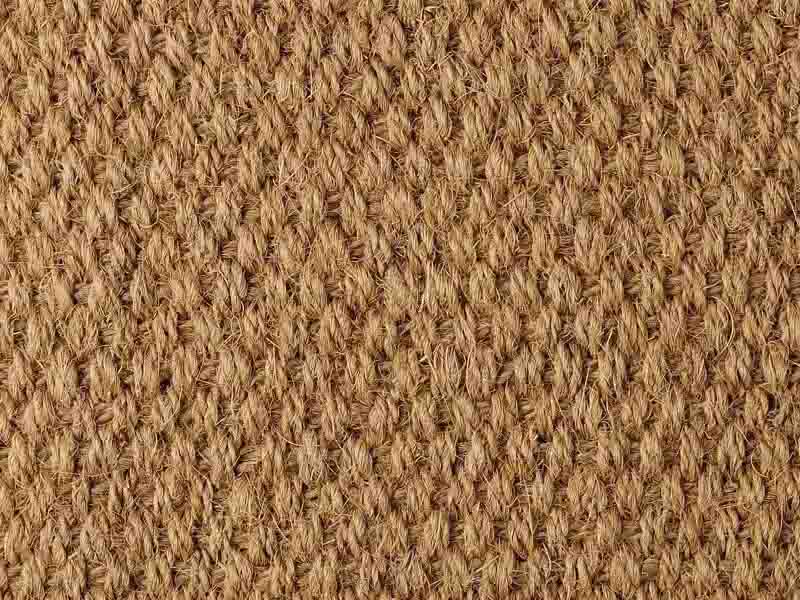
Some carpets quietly blend into a room. Coir Panama Natural Carpet does not exactly shout, but it does arrive with a confident, earthy handshake. Woven from coconut husk fibers, it brings warm golden-brown color, visible texture, and a distinctly natural personality to bedrooms, living rooms, dining spaces, home offices, stairs, rugs, and runners.
This is not the sort of flooring that tries to imitate velvet or disappear beneath the furniture. Its appeal lies in honest material, structured weaving, and a slightly rustic surface that looks equally comfortable beside antique oak, modern plaster walls, linen upholstery, or a very expensive chair nobody is allowed to sit in.
Coir Panama Natural Carpet is especially attractive to homeowners who want plant-based flooring without sacrificing practical durability. However, natural does not mean maintenance-free, waterproof, or magically immune to red wine. Before ordering a room-sized roll, it helps to understand how the carpet feels, where it works best, how it should be installed, and what daily life with coconut flooring is actually like.
What Is Coir Panama Natural Carpet?
Coir is the strong fiber found between the hard shell and outer covering of a coconut. After processing, the fibers can be spun and woven into ropes, brushes, mats, rugs, and carpets. The mature brown fibers commonly used for flooring have a firm, wiry character that makes them well suited to hard-wearing textile products.
The word “Panama” describes the carpet’s woven structure rather than its country of origin. A Panama weave resembles a neat basket weave, with strands arranged into a balanced, grid-like pattern. Compared with an irregular or heavily looped natural carpet, this construction creates a more orderly surface while preserving the texture that makes coir visually interesting.
The result is a floor covering that looks tailored but not formal. Imagine a coconut wearing a well-cut linen jacket. It is still unmistakably natural, but it has made an effort.
Verified Product Specifications
The current manufacturer specification for Panama Natural, product code 2601, includes the following details:
| Feature | Specification |
|---|---|
| Face yarn | 100% coir |
| Construction | Woven Panama-style texture |
| Backing | Latex |
| Available widths | 4 meters and 5 meters, subject to manufacturing tolerance |
| Pile weight | Approximately 1,800 grams per square meter |
| Total weight | Approximately 2,300 grams per square meter |
| Total height | Approximately 7–8 millimeters |
| Pile height | Approximately 5–6 millimeters |
| Use classification | Class 23 heavy domestic and Class 32 medium contract |
| Suggested applications | Bedrooms, dining rooms, lounges, stairs, home offices, rugs, and runners |
Because specifications, treatments, and regional availability can change, buyers should confirm the current technical sheet with their retailer before purchasing.
Why Homeowners Choose Natural Coir Flooring
It Adds Texture Without Adding Visual Clutter
The Panama weave gives the floor a visible pattern, yet the natural color keeps it calm. This combination is useful in rooms where flat beige carpet feels too ordinary but a strongly patterned carpet would compete with furniture, artwork, or architectural details.
Its warm golden and brown tones work especially well with white walls, cream upholstery, terracotta, forest green, charcoal, leather, rattan, and most natural woods. Because the fiber contains normal color variation, the carpet tends to look layered rather than factory-flat.
It Has a Firm, Hard-Wearing Character
Coir is not known for cloudlike softness. Its strength is resilience. The structured fibers and woven construction make Panama Natural suitable for active domestic rooms and some medium-duty contract settings when correctly specified and professionally installed.
That makes it a useful choice for hallways, stairs, dining rooms, studies, and living rooms where a delicate textile could quickly look tired. Dirt is still dirt, of course, and no flooring enjoys being repeatedly attacked by muddy shoes. Regular maintenance remains essential.
Its Natural Color Is Easy to Design Around
Natural coir functions almost like a warm neutral. It can soften modern interiors, reinforce a coastal or country scheme, and keep traditional rooms from feeling overly polished. Unlike a fashionable synthetic shade that may look dated after several years, coconut brown has been successfully coordinating with nature for quite a long time.
It Can Be Made Into Rugs and Runners
Panama Natural can be used as fitted carpet or fabricated into a custom rug or stair runner. Border options, whipped edges, and contrasting bindings allow the same base material to take on different personalities.
A dark fabric border creates a crisp architectural outline. A natural cotton or linen-colored edge keeps the look relaxed. On stairs, a runner can display the weave beautifully while leaving painted or wooden edges visible.
What Does Coir Panama Carpet Feel Like?
Expect a dry, textured, and relatively firm surface. It is less yielding than wool and less silky than many synthetic carpets. Bare feet will notice the weave immediately.
Some people enjoy that tactile, lightly massaging sensation. Others prefer softer flooring in bedrooms or children’s play areas. Neither reaction is wrong; it is a matter of expectation. Ordering a sample and walking on it with bare feet, socks, and shoes is far more useful than admiring a photograph on a screen.
The texture also affects acoustics and atmosphere. Like other textile floor coverings, fitted coir can reduce the sharp sound of footsteps and make a room feel warmer than exposed hard flooring. Its comparatively low profile keeps the appearance neat rather than plush.
Best Rooms for Coir Panama Natural Carpet
Living Rooms
In a living room, the natural weave provides a strong visual foundation for upholstered seating, wooden tables, and layered textiles. It is particularly effective in spaces with simple furniture because the floor contributes texture without introducing a busy color scheme.
Use furniture pads beneath heavy legs and avoid dragging sofas or cabinets across the surface. A compact woven carpet can be durable, but it is not a moving blanket.
Dining Rooms
Coir looks excellent under dining furniture, especially in country, coastal, colonial, and contemporary organic interiors. The obvious drawback is liquid. Water, wine, coffee, sauces, and enthusiastic toddlers all represent potential staining risks.
A professional stain treatment may provide additional response time, but it does not turn coir into waterproof vinyl. Households that produce frequent spills may prefer a removable custom rug or a more moisture-tolerant flooring material.
Bedrooms
In bedrooms, Panama Natural creates a calm, grounded look and works well with timber furniture and natural bedding. People who want a soft landing beside the bed can layer a small wool rug over the coir, gaining both visual depth and extra comfort.
Home Offices
The structured surface suits home offices because it looks professional without feeling corporate. Choose chair casters designed for carpet or use a suitable protective mat. Constant rolling in the same small area can cause concentrated wear on almost any textile floor.
Stairs and Hallways
Its heavy-domestic classification makes the product a plausible candidate for stairs and circulation areas. These locations demand accurate cutting, secure installation, well-finished edges, and careful attention to nosings. Professional fitting is strongly recommended.
Rooms to Avoid
Coir Panama Natural Carpet should generally stay away from bathrooms, wet entryways, laundry rooms, damp basements, exposed porches, and other locations where water or persistent humidity is likely. Plant fibers are absorbent, and moisture may cause staining, dimensional changes, odors, backing problems, or microbial growth if the carpet remains damp.
Installation Considerations
Natural-fiber carpet is less forgiving than a casual do-it-yourself project involving peel-and-stick tiles and optimism. Coir can expand or contract as environmental conditions change, so acclimation, subfloor preparation, adhesive selection, seam placement, and tension must be handled correctly.
Measure for Full Roll Width
The product is commonly supplied in 4- and 5-meter widths. Rooms should be measured at their widest points, including recesses, doorways, alcoves, and irregular walls. A fitting allowance is normally added because walls are rarely as straight as they claim to be.
Plan the direction of the weave before ordering. In connecting rooms, keeping the carpet aligned can improve visual consistency. Seams should be positioned away from the most noticeable sight lines whenever possible.
Use an Experienced Natural-Flooring Installer
Some retailers specify a double-stick installation system, in which the underlay is adhered to the subfloor and the carpet is adhered to the underlay. Requirements can differ by retailer, location, subfloor, and intended use, so the installer should follow the current manufacturer-approved method.
Ask about low-emission adhesives and adequate ventilation during and after installation. New carpet systems can include emissions from the carpet, backing, cushion, and adhesive, even when the visible face fiber is natural.
Check Heating Compatibility
Before installing over radiant or underfloor heating, request the current thermal-resistance information for the carpet, underlay, and adhesive system. The combined value must remain within the heating manufacturer’s limit. The official product listing has not always included a tested TOG value, so guessing is not a particularly scientific heating strategy.
How to Clean and Maintain Coir Panama Carpet
Vacuum With Suction Only
Vacuum regularly using a suction-only setting. Repeated use of aggressive rotating brushes or beater bars can distort natural fibers and roughen the woven surface. Move slowly in multiple directions so dry soil is lifted from the texture.
Place effective mats at exterior doors to reduce grit entering the room. Vacuum those mats frequently as well. A doormat packed with dirt eventually becomes a dirt-delivery service.
Blot Spills Immediately
Use a clean, dry, white absorbent cloth or plain white paper towel. Press firmly to absorb as much liquid as possible. Work from the outside of the spill toward the center, and never scrub. Rubbing can spread the stain, distort the weave, and push moisture deeper into the carpet.
Avoid Water, Shampoo, and Steam
Do not clean coir with a household carpet shampooer or steam-extraction machine unless a qualified natural-fiber specialist and the manufacturer specifically approve the method. Even clean water can leave a visible mark on absorbent plant fibers.
Use a dry-cleaning compound formulated for natural flooring when recommended by the manufacturer. Test every product in an inconspicuous location first. Ordinary spot removers, bleach solutions, dishwashing mixtures, and internet-famous cleaning potions can permanently alter the color.
Call a Specialist for Major Stains
Large spills, pet accidents, grease, paint, or deeply embedded soil should be assessed by a cleaner experienced with coir, sisal, seagrass, and other natural plant fibers. General carpet-cleaning experience does not automatically equal natural-fiber expertise.
Respond Quickly to Water Damage
If flooding, plumbing failure, or a major leak saturates the carpet, act immediately. Wet carpet, underlay, adhesive, and subfloor can create conditions for mold growth. Material that cannot be fully cleaned and dried promptly may need removal rather than cosmetic surface treatment.
Is Coir Panama Natural Carpet Sustainable?
The face yarn has an appealing material story. Coir comes from coconut husks, a by-product of coconut production that can be turned into useful fiber rather than discarded. Coconut palms produce repeatedly, making the fiber a renewable plant-based resource.
However, the entire carpet should not automatically be described as completely biodegradable, chemical-free, or universally eco-friendly. Panama Natural uses latex backing, and installation may involve underlay, adhesives, edge treatments, stain protection, shipping, and energy-intensive manufacturing processes.
A responsible comparison should consider the complete product rather than admiring the coconut portion and politely ignoring everything underneath it. Ask the retailer about material content, manufacturing certifications, VOC-emission testing, stain-treatment ingredients, expected service life, repairability, and end-of-life options.
Durability also matters environmentally. A floor covering that remains attractive for many years may be preferable to one that needs frequent replacement, even when the second product has a greener-sounding label.
Potential Drawbacks to Consider
- Firm texture: Coir is noticeably rougher than wool or plush synthetic carpet.
- Moisture sensitivity: Water can mark the fiber and cause broader installation problems.
- Natural variation: Color, texture, and weave may vary between samples and production batches.
- Specialized cleaning: Standard wet carpet-cleaning methods are generally unsuitable.
- Professional installation: Correct fitting is important and may increase the total project cost.
- Possible shedding: Loose fibers may appear during the early life of a natural woven carpet.
- Limited softness: It may not suit households seeking a cushioned, barefoot-friendly floor.
How to Choose Before Buying
Begin with a physical sample large enough to reveal the weave. View it during morning, afternoon, and evening light because natural brown fibers can appear honey-colored in sunlight and deeper brown beneath warm artificial lighting.
Place the sample beside wall paint, cabinetry, upholstery, and wood finishes. Walk on it in bare feet and socks. Drop a few crumbs on the sample and vacuum them with the machine you actually own. Testing reality is more useful than testing your imagination.
Request a complete quotation covering carpet, delivery, waste allowance, underlay, adhesives, stair work, edge finishing, furniture moving, old-floor removal, and installation. The price per square foot or square meter is only one part of the finished cost.
Finally, discuss household habits honestly. A quiet adult home, a busy family dining room, and an entrance used by two dogs after rain are three very different research laboratories.
Real-World Experience With Coir Panama Natural Carpet
Living with Coir Panama Natural Carpet is largely an exercise in enjoying texture while respecting moisture. During the first few days after installation, most people notice the floor visually before they notice anything else. The woven grid catches side light, producing subtle shadow lines that make a plain room feel more considered. Furniture suddenly appears anchored, and pale walls gain warmth without needing a dramatic repaint.
The next observation usually comes through the feet. Coir feels firm and dry rather than soft and springy. In a living room where people normally wear socks or slippers, that texture often feels pleasantly natural. In a bedroom where someone expects deep, plush carpeting, it can be a surprise. A bedside wool rug is an easy compromise, adding softness exactly where it is needed while allowing the coir to define the rest of the space.
Vacuuming tends to be straightforward once the correct technique becomes routine. A suction-only head moves over the compact weave without aggressively pulling at the fibers. The floor may not look dirty after a normal week, but the vacuum can still collect fine grit hidden in the pattern. This is one reason slow, regular cleaning is more effective than waiting for a visible layer of dust to announce itself.
Natural variation becomes more noticeable over time, especially in large rooms. One section may look slightly darker or more golden depending on the direction of the weave and the light. That variation is part of the appeal, much like grain in wood or small tonal differences in linen. Anyone seeking perfectly uniform color from wall to wall may be happier with a manufactured synthetic carpet.
Furniture arrangement deserves attention. Heavy pieces usually sit securely on the firm surface, but moving them carelessly can scrape or disturb the weave. Lifting furniture and using protective pads is worth the extra minute. Office chairs should roll on suitable casters or a protective mat, particularly when the same path is repeated hundreds of times each week.
The most memorable lesson usually arrives with the first spill. Coir rewards speed. A drink that is immediately blotted with a dry white towel may be controlled before it travels far. A spill left until the end of dinner can become a permanent souvenir of the evening. Keeping clean absorbent cloths and an approved dry-care product nearby is less glamorous than owning matching throw pillows, but considerably more useful.
In hallways and on stairs, the carpet creates an attractive balance between utility and character. Footsteps sound less sharp than they do on bare timber, and the weave disguises small amounts of everyday dry soil reasonably well. However, exterior doors need proper walk-off mats. Wet shoes should not move directly from a rainy sidewalk onto coir flooring unless the goal is to conduct an unauthorized stain-resistance experiment.
After the novelty settles, the strongest everyday benefit is atmosphere. Coir Panama Natural Carpet makes a room feel grounded, warm, and deliberately furnished. It does not provide luxury through softness; it provides luxury through material honesty, texture, and visual restraint. For households prepared to keep it dry and maintain it correctly, that understated character can remain appealing long after trendier flooring has begun to look like evidence from a particular decade.
Final Verdict
Coir Panama Natural Carpet is a strong choice for interiors that need warmth, structure, and natural texture. Its woven coconut fiber creates a distinctive surface that works beautifully in living rooms, bedrooms, dining areas, offices, stairs, custom rugs, and runners.
Its advantages come with clear responsibilities. The carpet is firm rather than plush, sensitive to water, best cleaned with dry methods, and most safely installed by an experienced professional. Buyers should order a sample, verify the current specification, assess moisture risks, and budget for the complete installation system.
Choose it for what it genuinely is: resilient natural flooring with character. Do not choose it because someone promised that coconuts have somehow invented a waterproof, maintenance-free carpet. They have not. They have, however, produced something remarkably handsome.
Note: Product specifications, classifications, dimensions, treatments, installation methods, and availability may change. Confirm current information with the manufacturer, retailer, and qualified installer before ordering or publishing purchasing claims.











