
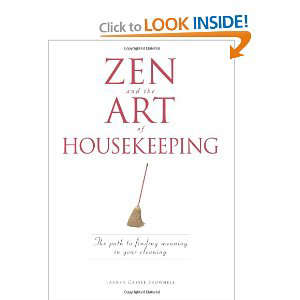
Housekeeping has a terrible public relations problem. It sounds like punishment with a mop. It brings to mind mystery crumbs, socks that reproduce in dark corners, and the emotional archaeology of a junk drawer. Yet at its best, housekeeping is not just “cleaning the house.” It is the quiet art of making a home easier to live in, breathe in, think in, and return to at the end of a very loud day.
That is where the “Zen” part enters. Zen housekeeping is not about turning your living room into a silent monastery where no one may touch the throw pillows. It is about attention. It is about noticing what is actually in front of you: the dish, the counter, the laundry basket, the tiny pile of mail that has somehow developed a personality. When housekeeping becomes mindful, it stops being a war against mess and becomes a practice of restoring order, one small action at a time.
The goal is not perfection. Perfection is exhausting, and frankly, it never remembers to clean behind the microwave. The goal is a home that supports your life instead of silently heckling it from every cluttered surface.
What “Zen Housekeeping” Really Means
Zen housekeeping combines three simple ideas: clean what matters, own what serves you, and move through chores with awareness rather than resentment. This approach borrows from mindfulness, minimalism, home organization, and basic cleaning science. It treats the home as a living environment, not a showroom.
Mindfulness practices often focus on being present with ordinary actions. You can be mindful while breathing, walking, washing dishes, folding towels, or wiping a table. The task does not have to be glamorous. In fact, the boring tasks are the best teachers because they give the brain fewer shiny distractions. A sponge, a sink, and ten minutes of attention can become a tiny reset button for the nervous system.
In practical terms, Zen housekeeping means you clean with less panic and more rhythm. You do not wait until the house looks like it has hosted a raccoon conference. You do small resets regularly. You choose cleaning products thoughtfully. You create homes for your belongings. You stop asking your chair to be a closet, your kitchen counter to be an office, and your bedroom floor to be a laundry filing system.
The Mental Weight of Clutter
Clutter is not just stuff. It is unfinished decisions wearing shoes. A stack of papers may represent bills, appointments, school forms, old memories, or tasks you have postponed because your brain took one look and quietly left the building.
Psychologists and health experts often point out that messy or overfilled environments can contribute to stress, distraction, and a reduced sense of control. Not everyone reacts to clutter the same way, of course. Some people can work happily beside a mountain of books and three coffee mugs. Others see one sock on the floor and feel their inner peace pack a suitcase. The key is to notice how your space affects you.
A peaceful home does not require owning only twelve items and calling one of them “joy.” It requires enough order that your space helps you function. If you can find your keys, cook without clearing a landing strip first, sleep in a room that feels restful, and invite someone over without hiding everything in the oven, you are doing better than many adults with label makers.
Cleaning Is Not the Same as Disinfecting
One of the most useful housekeeping lessons is also one of the least dramatic: cleaning and disinfecting are different. Cleaning removes dirt, grease, dust, crumbs, and many germs from surfaces. Disinfecting uses specific chemicals to kill germs. In most ordinary home situations, regular cleaning with soap and water is enough for many surfaces. Disinfecting becomes more important when someone is sick, after certain messes, or on high-touch surfaces that need extra attention.
This matters because “more chemical” does not always mean “more clean.” Sometimes it means sticky residue, irritated lungs, damaged surfaces, or a bathroom that smells like a swimming pool got into a fight with a lemon grove. Read labels, follow directions, allow products to sit for the recommended contact time when disinfecting, and never mix cleaning chemicals. Bleach and ammonia, for example, should never be combined.
A Simple Rule: Clean First, Then Disinfect If Needed
If a surface is visibly dirty, disinfectant cannot do its best work. Wipe away soil first. Then disinfect only when the situation calls for it. Think of it as asking the disinfectant to do one job, not asking it to fight through peanut butter, toothpaste, dust, and last Tuesday’s pasta sauce.
The Zen Cleaning Kit: Fewer Tools, Better Habits
A calm housekeeping routine does not need a closet full of specialty sprays. A basic kit can handle most household tasks: microfiber cloths, a scrub brush, dish soap, an all-purpose cleaner, a disinfectant for occasional use, a vacuum or broom, mop supplies, gloves, trash bags, and laundry essentials. Add a small basket for room-to-room “return trips,” and suddenly you are less a tired human and more a domestic logistics coordinator.
When possible, choose products that are safer for indoor air and appropriate for the surface. Some cleaning products release volatile organic compounds, commonly called VOCs, which can affect indoor air quality. Ventilation helps, especially during and after cleaning. Open a window when weather and air conditions allow, run a bathroom fan, and avoid turning a small room into a chemical fog machine.
Zen housekeeping is not anti-product. It is anti-chaos. Use what works, use it correctly, and stop buying miracle cleaners that promise to transform your home, your marriage, and possibly your credit score.
The Five-Minute Reset
The secret to a cleaner home is not a heroic twelve-hour cleaning marathon. Those usually end with sore knees, three bags of donations, and a sudden desire to move instead of finish. The better strategy is the five-minute reset.
Set a timer. Pick one small area. Clear the coffee table. Wipe the bathroom sink. Load the dishwasher. Put shoes by the door. Fold the blanket. Return cups to the kitchen. When the timer ends, stop. This trains your brain to see housekeeping as manageable, not monstrous.
Small resets are powerful because they reduce friction. A clean counter makes cooking easier. A made bed makes the room feel calmer. A clear entryway prevents morning chaos. One tiny act of order invites the next. Mess spreads, but so does momentum.
Room-by-Room Zen Housekeeping
The Kitchen: Where Crumbs Go to Build Empires
The kitchen is the heart of the home, which is a poetic way of saying everyone leaves things there. Start with the sink. A clear sink changes the mood of the whole room. Next, wipe counters, sweep the floor, and give frequently used items a logical home. Keep cooking tools near the stove, mugs near the coffee area, and snacks where humans shorter than you can reach them without performing countertop gymnastics.
Zen kitchen rule: clean as you go, but gently. You do not have to wash every spoon the second it touches sauce. Just reduce the pile while food cooks. Future You will be grateful and may even stop muttering.
The Bathroom: Small Room, Big Feelings
Bathrooms become unpleasant quickly because moisture, toothpaste, hair, and soap residue are ambitious collaborators. Keep a cloth or wipe nearby for quick sink cleanups. Run ventilation after showers to reduce moisture. Store fewer products on the counter. If your bathroom shelf contains three empty bottles, a mystery lotion, and a hotel shampoo from 2018, it may be time for a compassionate edit.
The Bedroom: A Resting Place, Not a Storage Unit
A peaceful bedroom begins with the bed. Making it takes little time, but it changes the visual temperature of the room. Laundry is the next frontier. Use a hamper that is easy to access. If clothes repeatedly land on a chair, the chair has been promoted to “laundry assistant” without consent. Either create a better system or accept the chair’s new career path.
The Living Room: The Family Weather Report
The living room often reveals the emotional forecast of the household. Blankets, toys, remotes, books, chargers, and snack bowls gather here because life happens here. Use baskets, trays, and shelves to make cleanup simple. The goal is not to erase signs of life. The goal is to make the room ready for life again.
Decluttering Without Drama
Decluttering gets dramatic when people try to make every decision at once. Do not begin with sentimental boxes unless you enjoy crying into old birthday cards while sitting on the floor. Start with easy categories: trash, expired products, duplicate items, broken objects, and things you already know you do not use.
Use four simple categories: keep, donate, discard, and relocate. “Relocate” is important because many items are not clutter; they are just homesick. A screwdriver in the bathroom is not a moral failure. It is a tool in the wrong neighborhood.
For sentimental items, go slowly. Zen housekeeping respects memory. You do not need to throw away meaningful objects to prove you are organized. Instead, choose what deserves space. A memory box, a photo album, or a small display can honor the past without letting it occupy the entire closet.
Mindful Chores: Turning Repetition Into Calm
Everyday chores can become mindfulness exercises when you bring attention to the senses. Feel the warm water when washing dishes. Notice the clean scent of laundry. Listen to the rhythm of sweeping. Watch dust disappear from a shelf. This is not mystical. It is simply attention, and attention changes the experience.
When your mind complains, “I hate doing this,” try changing the sentence. “I am caring for my space.” “I am making tomorrow easier.” “I am giving myself a calmer morning.” The chore stays the same, but the relationship to it softens.
That does not mean you must adore scrubbing a toilet. Nobody needs to write a love poem to a toilet brush. But you can stop treating every chore as evidence that life is unfair. Some tasks are just maintenance. Maintenance is how good things remain usable.
The Weekly Rhythm That Actually Works
A realistic housekeeping routine has rhythm, not rigidity. Daily tasks should be small: dishes, counters, laundry check, trash check, and a quick reset of shared spaces. Weekly tasks can include vacuuming, bathroom cleaning, changing sheets, dusting, mopping, and clearing the fridge. Monthly tasks might include washing windows, cleaning appliance filters, wiping baseboards, and reviewing storage areas.
The best schedule is one you can repeat when life is busy. A perfect routine that collapses after three days is not a routine; it is a decorative spreadsheet. Build around your real energy. If weekday evenings are chaotic, do tiny resets. If Saturday mornings are better, batch the larger tasks. If you share a home, assign responsibilities clearly. “Everyone help” is not a system. It is a wish wearing an apron.
Housekeeping as Self-Respect, Not Self-Judgment
The most important shift in Zen housekeeping is emotional. A messy home does not mean you are lazy, broken, or failing adulthood. It often means you are busy, tired, overwhelmed, under-supported, or living with systems that do not match your life.
Self-judgment makes cleaning heavier. Self-respect makes it possible. Instead of asking, “Why can’t I keep up?” ask, “What would make this easier?” Maybe you need fewer dishes, a bigger laundry hamper, labels on bins, a donation bag by the door, or a rule that mail gets opened over the recycling bin. Good systems reduce the need for heroic willpower.
Zen housekeeping is compassionate, but it is not passive. It says: yes, life is messy; yes, you deserve a space that helps you breathe; yes, we can start with this one drawer.
Real-Life Experiences: What Zen Housekeeping Feels Like in Practice
The first experience many people have with Zen housekeeping is surprise. They expect a cleaning method and discover a mood shift. One person starts by wiping the kitchen counter every night, not because the counter is a sacred object, but because mornings feel less hostile when breakfast does not begin beside yesterday’s crumbs. After a week, the habit becomes less about the counter and more about closing the day with intention.
Another common experience is the “visible space effect.” You clear one surface, perhaps a desk or nightstand, and suddenly the whole room feels more breathable. Nothing major has changed. You did not renovate. You did not buy matching containers with tiny chalkboard labels. You simply gave the eye a place to rest. That small visual calm can make reading, sleeping, studying, or working feel easier.
Zen housekeeping also teaches humility. You may discover that your clutter is not random. The pile by the door may exist because you need a hook. The laundry on the floor may exist because the hamper is in the wrong place. The crowded pantry may exist because you shop while hungry and optimistic. These discoveries are useful. They turn housekeeping from blame into design.
There is also a quiet satisfaction in doing ordinary tasks well. Folding towels neatly, rinsing the sink, airing out a room, or sweeping the entryway can feel like telling your home, “I am paying attention.” The reward is not applause. No one throws a parade because you cleaned under the sofa. But there is a steady pleasure in moving through a space that has been cared for.
In families or shared homes, Zen housekeeping can reduce friction. Instead of arguing about who made the mess, the household can focus on simple shared rituals: shoes in one place, dishes after meals, a ten-minute evening reset, laundry baskets for each person, and one donation box that is always available. The mood changes when cleaning is treated as teamwork rather than punishment.
One of the most helpful experiences is learning to stop before exhaustion. Many people clean only when they are already irritated, then push until they resent everyone and everything, including the innocent mop. Zen housekeeping favors consistency over collapse. Clean a little, pause, continue later. A home is not maintained by one dramatic rescue mission. It is maintained through repeated acts of care.
Finally, Zen housekeeping can change how you buy things. Once you have spent a Saturday sorting objects you barely use, every future purchase starts asking a question: “Do you really want to dust me?” This is not deprivation. It is clarity. You begin choosing items that serve your life, fit your space, and earn their keep. The cleanest home is not the one with the most storage. It is the one where fewer things are fighting for attention.
Conclusion: The Clean Home Is a Calm Conversation
Zen and the art of housekeeping is not about becoming a perfect cleaner. It is about building a calmer relationship with your home. Clean what supports health. Declutter what steals attention. Use safer products wisely. Create routines small enough to survive real life. Practice attention while doing ordinary chores. Most of all, treat housekeeping as care, not punishment.
A clean home will still get messy. That is not failure; that is proof people live there. The dishes will return. Dust will reappear with the confidence of a villain in a sequel. Laundry will continue its endless career. But with mindful systems and gentle consistency, housekeeping becomes less of a battle and more of a rhythm.
Your home does not need to be flawless to be peaceful. It only needs to be cared for, one breath, one shelf, one sock, and one surprisingly satisfying wiped counter at a time.
Note: This article is written as original, publication-ready content based on reputable U.S. health, cleaning, safety, and home-organization guidance. It avoids copied wording, unnecessary citation markers, and non-HTML publishing clutter.













