
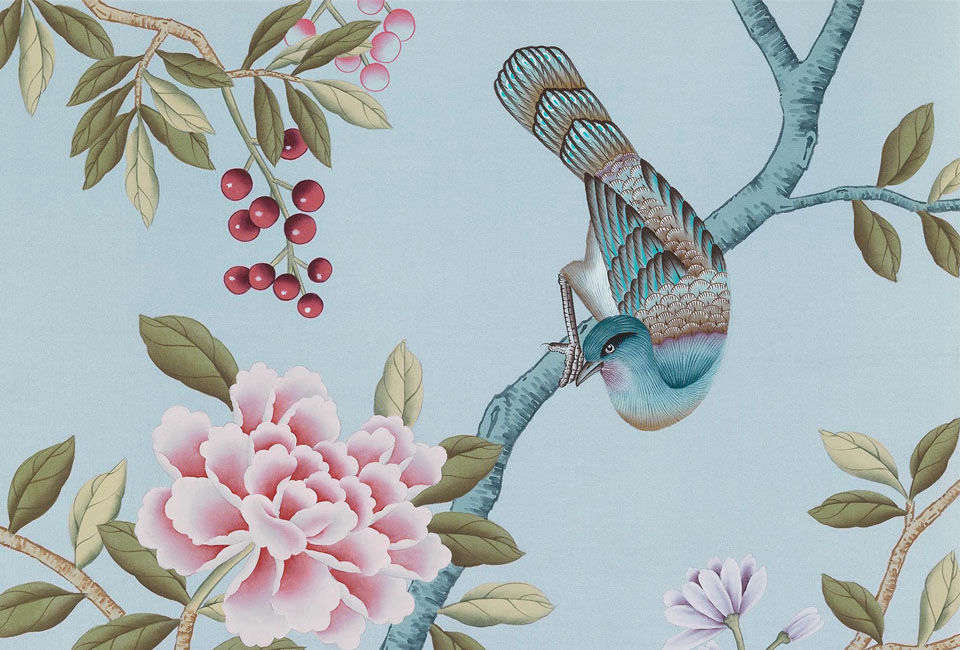
Chinoiserie wallpaper is what happens when a wall decides it has no interest in being boring. Instead of sitting quietly in beige silence, it invites flowering branches, graceful birds, misty landscapes, pagodas, garden scenes, and painterly color into the room. It is decorative, dramatic, and surprisingly flexiblelike that one friend who can wear a silk robe to brunch and somehow still look casual.
At its heart, chinoiserie wallpaper is inspired by European interpretations of Chinese and broader East Asian decorative arts. The style became especially popular in Europe during the 17th and 18th centuries, when trade, porcelain, lacquerware, silk, tea, and imported decorative objects shaped Western ideas of “exotic” beauty. Today, the best chinoiserie wallpaper designs are less about copying the past and more about creating a layered, romantic, story-rich interior that feels collected rather than cookie-cutter.
Whether you are designing a powder room, dining room, bedroom, entryway, nursery, or statement hallway, chinoiserie wallpaper can make a space feel polished without becoming stiff. It can be elegant, whimsical, traditional, modern, coastal, maximalist, or quietly luxurious. The trick is knowing how to choose the right pattern, scale, color, material, and placementbecause yes, a wall covered in oversized peacocks can be magnificent, but only if the room is ready for that level of feathered confidence.
What Is Chinoiserie Wallpaper?
Chinoiserie wallpaper is a wallcovering style featuring decorative motifs associated with Western interpretations of Chinese and East Asian art. Common elements include birds, blossoms, bamboo, pagodas, bridges, garden pavilions, parasols, lotus flowers, cranes, peonies, butterflies, winding vines, and scenic landscapes. The look often feels hand-painted, even when printed, because traditional chinoiserie panels were originally produced as highly detailed decorative artworks.
The word “chinoiserie” comes from the French word “chinois,” meaning Chinese. However, chinoiserie is not the same as traditional Chinese art. It is a European decorative style shaped by fascination, imagination, trade, and sometimes misunderstanding. That context matters. A thoughtful modern approach appreciates the beauty of the motifs while recognizing that the style has a complicated history rooted in Western fantasy about Asia.
In interior design, chinoiserie wallpaper is loved because it instantly creates atmosphere. A floral paper may simply be pretty. A geometric paper may add rhythm. But chinoiserie wallpaper tells a story. It suggests a garden beyond the room, a breeze moving through branches, a bird about to fly off the wall, and possibly a very elegant heron judging your furniture arrangement.
Why Chinoiserie Wallpaper Still Feels Fresh
Chinoiserie wallpaper has survived centuries of changing taste because it offers something many modern interiors crave: personality. After years of white walls, gray sofas, and rooms that looked ready for a real estate listing at all times, homeowners are leaning back into color, pattern, warmth, and visual storytelling. Chinoiserie fits that shift beautifully.
It Adds Instant Character
A room with chinoiserie wallpaper rarely feels unfinished. Even with simple furniture, the walls provide depth and movement. A pale blue scenic wallpaper in a bedroom can feel serene and dreamy. A jewel-toned mural in a dining room can make dinner feel like an event, even if the menu is takeout noodles eaten with the confidence of royalty.
It Works With Many Design Styles
Traditional decorators pair chinoiserie wallpaper with antiques, lacquered furniture, blue-and-white porcelain, brass lighting, and tailored upholstery. Modern designers may use it with clean-lined furniture, sculptural lamps, woven textures, or minimalist trim. Coastal interiors often use soft blue, green, or celadon chinoiserie patterns, while maximalist rooms may embrace bold red, emerald, coral, black, or metallic backgrounds.
It Can Be Quiet or Dramatic
Not every chinoiserie wallpaper has to scream, “I own a palace and possibly a very opinionated parrot.” Some designs are subtle, with delicate branches on a neutral ground. Others are large-scale murals that turn the entire room into a panoramic landscape. This range makes the style useful for both cautious decorators and fearless pattern lovers.
Popular Chinoiserie Wallpaper Motifs
One reason chinoiserie wallpaper is so recognizable is its visual language. The motifs are decorative, symbolic, and highly atmospheric. When choosing a pattern, look beyond color and ask what mood the design creates.
Birds and Branches
Birds perched among flowering branches are among the most beloved chinoiserie wallpaper motifs. They bring softness, movement, and a feeling of nature indoors. Bluebirds, cranes, pheasants, peacocks, and songbirds are especially common. These patterns work beautifully in bedrooms, breakfast rooms, nurseries, and powder rooms.
Pagodas and Garden Pavilions
Pagodas, bridges, and pavilions give chinoiserie wallpaper an architectural quality. They create the feeling of a faraway garden scene and often work well in formal rooms such as dining rooms, libraries, foyers, and living rooms. When paired with painted trim, the result can feel custom and deeply layered.
Florals and Vines
Peonies, chrysanthemums, cherry blossoms, lotus flowers, bamboo, and curling vines are key elements in many chinoiserie wallcoverings. Florals can soften a formal room or bring romance to a bedroom. Large-scale blossoms feel lush and dramatic, while smaller repeating floral patterns are easier to use in compact spaces.
Scenic Murals
Scenic chinoiserie wallpaper is often designed in panels, creating a mural effect. These papers may show landscapes, trees, figures, animals, and architecture arranged across the walls. They are especially impactful in dining rooms, stairwells, entry halls, and bedrooms where furniture does not cover too much of the design.
Where to Use Chinoiserie Wallpaper
Chinoiserie wallpaper can go almost anywhere, but some rooms give it a special chance to shine. Because the pattern often includes detailed scenes, placement matters. You want enough visible wall space for the design to breathe.
Powder Rooms
A powder room is one of the best places to try chinoiserie wallpaper. Small rooms can handle bold pattern because people do not spend all day in them. A dramatic wallpaper, a pretty mirror, a stone sink, and warm lighting can transform a tiny bathroom into a jewel box. It is the design equivalent of saying, “Yes, even the guest bathroom has main-character energy.”
Dining Rooms
Dining rooms love chinoiserie wallpaper because the style feels elegant and social. A scenic mural can create a wonderful backdrop for dinner parties, holidays, and everyday meals. Pair it with a wood table, upholstered chairs, a chandelier, and simple tableware so the room feels graceful rather than overdecorated.
Bedrooms
In bedrooms, softer chinoiserie wallpaper can feel calming and romantic. Look for muted blue, sage, ivory, blush, taupe, or misty gray backgrounds. Use the wallpaper behind the bed as a feature wall, or wrap the entire room for a cocoon-like effect. If the paper is very detailed, choose quieter bedding to avoid visual chaos before coffee.
Entryways and Hallways
An entryway with chinoiserie wallpaper creates an immediate sense of style. It tells guests that your home has a point of view. In hallways, vertical branches or scenic panels can elongate the space, while lighter backgrounds keep narrow areas from feeling crowded.
Living Rooms and Libraries
For living rooms and libraries, chinoiserie wallpaper can add sophistication behind built-ins, above wainscoting, or across a main wall. It pairs especially well with books, art, antique wood, rattan, velvet, linen, lacquer, and brass. Add a few contemporary pieces to keep the room from feeling like a museum where no one is allowed to sit down.
How to Choose the Right Chinoiserie Wallpaper
Choosing chinoiserie wallpaper is a little like choosing a perfume: beautiful in theory, but the wrong one can take over the room. The best selection depends on scale, color, material, lighting, furniture, and your tolerance for drama.
Consider the Scale
Large-scale murals work best when there is enough wall space to see the full design. They are perfect for dining rooms, bedrooms, and staircases. Smaller repeating patterns are easier for powder rooms, closets, laundry rooms, and spaces with lots of doors or windows. If your room has many interruptions, avoid a design that requires perfect scene continuity.
Match the Mood of the Room
A bright coral, emerald, or navy chinoiserie wallpaper can energize a dining room or powder bath. A soft celadon, pale blue, or ivory pattern may be better for a bedroom. Dark backgrounds feel moody and luxurious, while light backgrounds feel airy and classic.
Check the Lighting
Wallpaper changes throughout the day. A design that looks cheerful in morning light may feel darker at night. Order samples and tape them to the wall before committing. Look at them in daylight, evening light, and artificial light. This step is not glamorous, but neither is realizing your “soft sage” wallpaper turns swampy under your bathroom bulbs.
Think About the Room’s Existing Colors
Pull colors from furniture, rugs, trim, artwork, or upholstery. Chinoiserie wallpaper often includes several shades, making it easy to build a palette. For a calm look, choose one dominant color and repeat it in fabrics or accessories. For a layered look, mix in complementary colors through pillows, lamps, art, and painted furniture.
Choose the Right Material
Traditional wallpaper, nonwoven wallpaper, grasscloth, silk-effect paper, vinyl-coated paper, and peel-and-stick wallpaper all behave differently. Nonwoven papers are popular because they are generally easier to install and remove than old-school paper. Vinyl-coated options may be better for moisture-prone or high-traffic areas. Peel-and-stick chinoiserie wallpaper is convenient for renters or commitment-phobes, though wall texture and paint finish can affect adhesion.
Traditional vs. Peel-and-Stick Chinoiserie Wallpaper
Traditional wallpaper usually offers a more refined finish, stronger durability, and a wider selection of luxury patterns. It is ideal when you want a long-term design investment. High-end chinoiserie papers may include hand-painted details, custom sizing, specialty grounds, and mural panels that feel almost like artwork.
Peel-and-stick chinoiserie wallpaper is easier to install and remove, making it great for renters, dorms, temporary spaces, or anyone who changes their mind faster than a paint sample dries. It can work beautifully on smooth, clean walls. However, it may not perform well on heavily textured walls, dusty surfaces, or matte paints that resist adhesion.
If you are covering a major room or investing in a custom mural, professional installation is usually worth it. Chinoiserie patterns often require careful matching. A good installer can prevent crooked branches, awkward seams, and birds that appear to have suffered a tragic alignment incident.
Styling Chinoiserie Wallpaper Without Overdoing It
The secret to styling chinoiserie wallpaper is balance. Because the pattern already has movement and detail, the rest of the room should support it rather than compete for attention.
Use Simple Furniture Shapes
Clean-lined furniture helps chinoiserie wallpaper feel fresh. A simple pedestal table, tailored sofa, classic bed frame, or streamlined console can keep the room grounded. You do not need every piece to have carved dragons, bamboo legs, and tassels. In fact, please do not invite all of them to the same party.
Layer Textures, Not Just Patterns
Mix linen, rattan, velvet, lacquer, cane, grasscloth, ceramic, marble, wood, and metal. Texture gives the room depth without making it visually noisy. If the wallpaper is colorful, use solid fabrics in related shades. If the wallpaper is subtle, you can introduce patterned pillows, a striped rug, or a floral lampshade.
Let Trim Work Help
Painted trim can make chinoiserie wallpaper look intentional and custom. Try soft white for a classic look, deep green for drama, powder blue for charm, or warm taupe for quiet elegance. Wainscoting is also a smart option if you want the wallpaper to feel special without covering every inch of wall.
Add Art Carefully
Hanging art over chinoiserie wallpaper can be tricky. Choose pieces with strong mats, simple frames, or quiet compositions. Mirrors, silhouettes, framed textiles, and small landscapes can work well. Avoid cluttering every wall. Sometimes the wallpaper is already the art.
Common Mistakes to Avoid
Chinoiserie wallpaper is forgiving in spirit but not always in execution. A few smart decisions can save money, time, and possibly your relationship with the person helping you install it.
Ignoring Pattern Repeat
Always check the repeat before ordering. Large-repeat wallpapers require extra material for matching. Ordering too little can lead to dye-lot problems if you need more later. Measure carefully, then add waste. Wallpaper math is where optimism goes to learn humility.
Choosing the Wrong Wall
If you use chinoiserie wallpaper as an accent, choose a wall that makes sense architecturally. Behind a bed, behind a dining table, in an entry niche, or above wainscoting usually works. A random side wall may feel unfinished.
Overcrowding the Pattern
Large furniture can block scenic wallpaper. Before choosing a mural, think about where beds, sofas, mirrors, doors, and windows will sit. You do not want the most beautiful crane in the design hidden behind a bookcase, living a lonely life in the shadows.
Using Too Many Competing Themes
Chinoiserie pairs well with many styles, but too many themed accessories can make the room feel like a stage set. Use a light hand. A blue-and-white vase, a lacquer tray, bamboo shades, or a pair of ceramic lamps may be enough.
Color Ideas for Chinoiserie Wallpaper
Color determines whether chinoiserie wallpaper feels bold, peaceful, romantic, or formal. Blue and white is the classic choice, especially for coastal, traditional, and grandmillennial interiors. Green chinoiserie wallpaper feels garden-inspired and works beautifully with natural wood, rattan, and brass. Pink or blush patterns bring softness to bedrooms, nurseries, and dressing rooms.
Black chinoiserie wallpaper is dramatic and elegant, especially in dining rooms and powder baths. Gold or metallic accents can make it glamorous, but use restraint unless your design goal is “opera box with plumbing.” Neutral chinoiserie wallpaperivory, beige, taupe, gray, or pale linenoffers the romance of the style without overwhelming the room.
Modern Ways to Use Chinoiserie Wallpaper
Today’s interiors often use chinoiserie in fresh, unexpected ways. Instead of covering only formal rooms, designers are bringing it into laundry rooms, closets, bar nooks, bookcase backs, ceilings, and even furniture panels. A chinoiserie ceiling in a powder room can feel magical. A wallpapered closet can turn getting dressed into a tiny private celebration.
You can also frame chinoiserie wallpaper panels as large artwork. This is a great option for renters, budget-conscious decorators, or anyone who wants the look without full installation. Use simple molding to create a panel effect, or frame a leftover piece in a large gilded or lacquered frame.
Experience: Living With Chinoiserie Wallpaper
The first thing people notice about chinoiserie wallpaper is the beauty. The second thing they notice is that it changes the mood of the room more than almost any other single design choice. Paint changes color. Wallpaper changes the story.
In a powder room, for example, chinoiserie wallpaper can make a small, plain space feel designed rather than forgotten. Guests remember it. They mention it. Sometimes they come out of the bathroom talking about the wallpaper before they remember to compliment dinner. That is the quiet power of a good wallcovering: it gives even the smallest room a little plot twist.
In a bedroom, the experience is different. A soft scenic chinoiserie wallpaper behind the bed can make the room feel restful and layered. The branches and birds create movement, but not the loud kind. It feels like waking up inside a painted garden. Pair it with white bedding, a natural fiber rug, and warm lamps, and the room becomes calm without becoming plain. It is also forgiving. Slightly mismatched nightstands or vintage furniture suddenly look intentional because the wallpaper pulls everything together.
Dining rooms may be the most natural home for chinoiserie wallpaper. The pattern gives people something to look at and talk about. It softens formal furniture and makes the room feel less like a place reserved only for Thanksgiving and more like a space worth using on a Tuesday. Add candles, a round mirror, upholstered chairs, and simple plates, and the wallpaper does much of the entertaining before anyone opens a bottle of wine.
Installation is where romance meets reality. Chinoiserie wallpaper requires patience. Samples are essential, because online images rarely tell the full truth about scale, texture, and undertone. A pale background may look cream on a screen but turn yellow next to cool trim. A blue branch may look subtle in a product photo but become the boss of the room once installed. Always test first. Your future self, holding a roll of expensive wallpaper and questioning every life choice, will be grateful.
Another practical lesson: lighting matters enormously. Chinoiserie wallpaper with metallic details may glow beautifully at night, while matte papers create a softer, more historic feel. In rooms with little natural light, a pale background can keep the design from feeling heavy. In sunny rooms, deeper colors can be rich and cozy. The goal is not simply to choose the prettiest paper; it is to choose the paper that behaves well in your actual home, with your actual windows, bulbs, furniture, pets, children, and occasional laundry pile.
Styling around chinoiserie wallpaper is also an exercise in editing. It is tempting to add every pretty thing: porcelain jars, bamboo chairs, floral curtains, pagoda lamps, tassels, lacquer boxes, and perhaps a fan for dramatic exits. But chinoiserie wallpaper usually looks best when it has breathing room. Let one or two supporting pieces echo the style, then mix in modern or simple elements. A clean marble sink, a plain linen shade, a solid velvet chair, or a natural wood table can keep the room from feeling overly themed.
The best experience with chinoiserie wallpaper comes when the room feels personal. Maybe the paper reminds you of a garden, a favorite hotel, a grandmother’s blue-and-white dishes, or a vintage screen you once saw in an antique shop and still regret not buying. That emotional connection matters. Wallpaper is not as easy to change as a pillow, so choose a design that makes you pause happily every time you walk by.
Chinoiserie wallpaper is not for people who want invisible walls. It is for people who enjoy rooms with memory, mood, and a little flourish. Used thoughtfully, it can make a home feel more collected, more expressive, and more alive. And honestly, if your walls are going to stand there all day, they might as well have something interesting to say.
Conclusion
Chinoiserie wallpaper remains popular because it blends history, fantasy, nature, color, and craftsmanship in one unforgettable surface. It can be quiet or bold, traditional or modern, romantic or playful. The best designs do more than decorate a room; they create a sense of place.
To choose the right chinoiserie wallpaper, start with the room’s mood, lighting, scale, and existing colors. Order samples, consider professional installation for complex patterns, and style the space with restraint. Let the wallpaper lead, then support it with furniture, lighting, and accessories that feel collected rather than crowded.
Whether used in a powder room, bedroom, dining room, hallway, or living room, chinoiserie wallpaper has a rare ability to make a home feel layered and personal. It is not just a trend. It is a design classic with enough charm to keep reinventing itselfone bird, blossom, and beautifully dramatic wall at a time.
Note: This article is written as original, publish-ready content based on synthesized interior design, wallcovering, dictionary, museum, and home decor references. No source links or citation placeholders are included in the HTML to keep the article clean for web publishing.













