
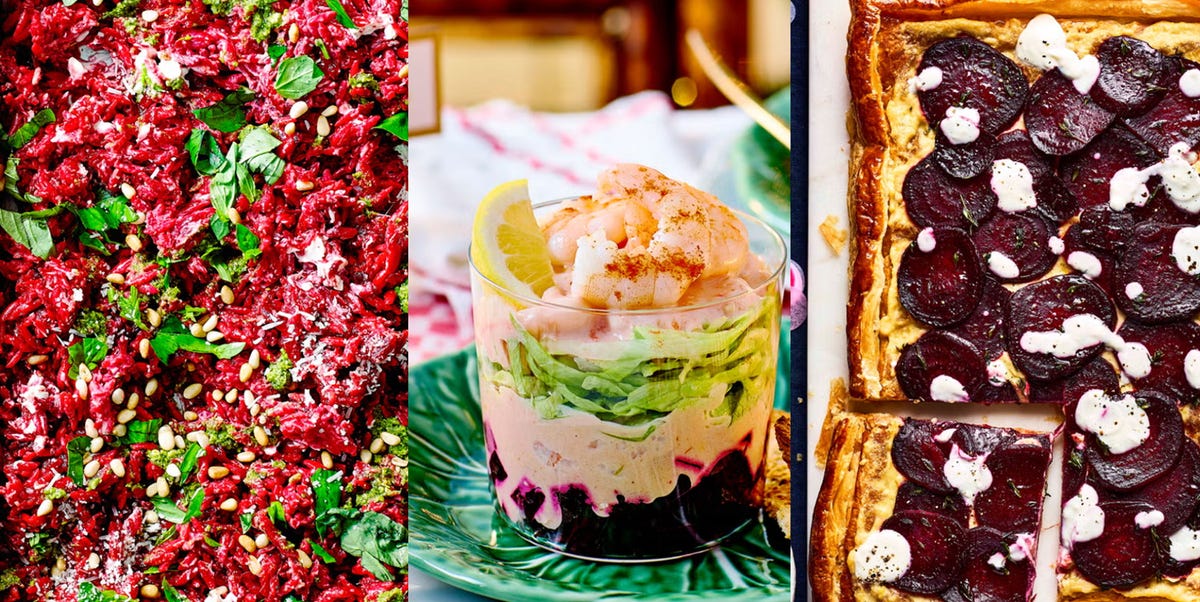
Beetroot is the vegetable equivalent of a drama student: bold color, earthy personality, and absolutely no interest in staying in the background. Whether you call them beets or beetroot, these ruby-red roots can turn a plain dinner into something that looks like it has a lighting designer. Better yet, they are affordable, versatile, naturally sweet, and surprisingly friendly once you know how to cook them.
The best beetroot recipes do more than toss sliced beets into a salad and hope for applause. They roast, pickle, blend, grate, glaze, crisp, and fold beets into meals that range from weeknight-simple to dinner-party-impressive. Beetroot can be creamy in hummus, bright in slaw, cozy in soup, hearty in grain bowls, and even sneaky in brownies. Yes, brownies. Beetroot has range.
This guide brings together practical cooking wisdom inspired by trusted American food publications and test-kitchen-style methods: roasting for sweetness, pairing beets with acid and fat, using beet greens instead of throwing them away, and building recipes around balance. If you have ever thought, “Beets taste like dirt,” this article is here to politely argue that the dirt was probably under-seasoned.
Why Beetroot Deserves a Permanent Spot in Your Kitchen
Beetroot is one of those ingredients that looks fancy but behaves like a pantry workhorse. It keeps well, cooks in several ways, and plays nicely with everything from goat cheese to citrus, lentils, walnuts, tahini, yogurt, eggs, salmon, and grains. The flavor is earthy and sweet, which means beet recipes work best when they include contrast: lemon juice, vinegar, salty cheese, herbs, crunchy nuts, or creamy sauces.
Another advantage is color. A beetroot salad can make a Tuesday lunch look like it came from a café with tiny metal chairs and expensive sparkling water. Roasted beets bring jewel-toned depth to grain bowls. Beet hummus looks like someone painted regular hummus with a sunset. Even pickled beets can rescue leftovers from the land of beige.
How to Cook Beetroot Without Making a Mess of Your Life
Before diving into the best beetroot recipes, let’s settle the cooking basics. Most beet recipes begin with cooked beets, and the method you choose affects flavor, texture, and cleanup.
Roasting Beetroot
Roasting is the gold standard for deep flavor. Heat concentrates the natural sugars in beets, softens their texture, and makes the skins easier to slip off. Scrub the beets, trim the tops, rub them lightly with olive oil, wrap them in foil, and roast at 400°F to 425°F until a knife slides through easily. Small beets may take about 35 to 45 minutes; large ones can take more than an hour.
Once they are cool enough to handle, rub off the skins with a paper towel. Wear gloves if you do not want hands that look like you have been solving crimes in a cranberry bog.
Boiling or Steaming Beetroot
Boiling is simple and useful when you want tender beets for salads, soups, or quick pickles. Steaming keeps the flavor a little more concentrated. In both cases, leave the skins on while cooking, then peel afterward. Add salt after cooking rather than expecting the beet to absorb much seasoning through its jacket.
Raw Beetroot
Raw beetroot is crisp, sweet, and excellent when shredded or thinly sliced. It works especially well in slaws with apple, carrot, cabbage, lemon, and herbs. The key is cutting it finely; a giant raw beet chunk in a salad has the energy of a doorstop.
The Best Beetroot Recipes to Try
These recipes are flexible, flavorful, and built for real kitchens. Use red beets for the classic ruby color, golden beets for a milder flavor and less staining, or candy-striped Chioggia beets when you want dinner to look like it went to art school.
1. Classic Roasted Beetroot Salad with Goat Cheese
This is the beet recipe that turned many skeptics into believers. The combination of roasted beetroot, tangy goat cheese, peppery greens, toasted nuts, and vinaigrette is popular for a reason: every bite has sweetness, creaminess, crunch, and brightness.
How to make it: Roast 4 medium beets until tender, peel, and cut into wedges. Arrange over arugula or mixed greens. Add crumbled goat cheese, toasted walnuts, thinly sliced red onion, and fresh herbs such as dill or parsley. Whisk together olive oil, balsamic vinegar, Dijon mustard, honey, salt, and black pepper. Drizzle lightly and serve.
Why it works: Beetroot is sweet and earthy, while goat cheese is creamy and tangy. Balsamic vinegar adds acidity, walnuts bring crunch, and greens keep the dish fresh instead of heavy.
2. Beetroot Hummus That Steals the Snack Table
Beetroot hummus is the dip version of wearing a bright red coat to a gray office. It is smooth, dramatic, and surprisingly easy. Serve it with pita chips, cucumbers, carrots, crackers, or spread it onto sandwiches and wraps.
How to make it: In a food processor, blend 1 roasted beet, 1 can drained chickpeas, 2 tablespoons tahini, 2 tablespoons olive oil, 2 tablespoons lemon juice, 1 small garlic clove, 1/2 teaspoon cumin, and salt. Add a splash of cold water until silky. Top with sesame seeds, chopped parsley, and a drizzle of olive oil.
Flavor tip: Add a spoonful of Greek yogurt for extra creaminess, or a pinch of smoked paprika for a deeper, savory note.
3. Quick Pickled Beetroot
Quick pickled beets are the secret weapon of meal prep. Keep a jar in the fridge and suddenly sandwiches, salads, grain bowls, burgers, and tacos have personality. Pickling also balances beetroot’s earthiness with tangy brightness.
How to make it: Slice cooked beets thinly and pack them into a clean jar. Heat 1 cup apple cider vinegar, 1/2 cup water, 1 tablespoon sugar, 1 teaspoon salt, a few peppercorns, and a bay leaf until dissolved. Pour over the beets, cool, cover, and refrigerate. They taste good after a few hours and better the next day.
Best uses: Layer pickled beetroot on turkey sandwiches, serve with hard-boiled eggs, add to grain bowls, or chop into potato salad for a pink situation that will start conversations.
4. Beetroot and Feta Grain Bowl
This recipe is a full meal disguised as something wholesome enough to make your future self proud. It is colorful, filling, and easy to customize with whatever grains and greens you have.
How to make it: Start with cooked farro, quinoa, brown rice, or barley. Add roasted beetroot wedges, chickpeas, cucumber, baby spinach, feta, toasted pumpkin seeds, and herbs. Dress with lemon juice, olive oil, garlic, Dijon mustard, salt, and pepper.
Protein upgrades: Add grilled chicken, salmon, crispy tofu, or a jammy egg. For a vegan version, replace feta with avocado or a lemony tahini sauce.
5. Creamy Beetroot Soup
Beetroot soup does not have to be complicated. This version is smooth, lightly sweet, and balanced with acidity. It can be served hot in winter or chilled in warm weather.
How to make it: Sauté onion, carrot, and garlic in olive oil. Add peeled chopped beets, vegetable broth, salt, pepper, and a small potato for body. Simmer until everything is tender, then blend until smooth. Finish with lemon juice or red wine vinegar. Serve with sour cream, Greek yogurt, dill, and cracked pepper.
Make it heartier: Add white beans before blending for extra protein and a creamier texture without heavy cream.
6. Beetroot, Orange, and Avocado Salad
Beetroot loves citrus. Oranges cut through the earthiness, avocado adds rich softness, and a simple vinaigrette brings everything together. This salad is especially good with roasted fish, roast chicken, or a brunch spread.
How to make it: Arrange roasted beet slices, orange segments, avocado wedges, and thinly sliced fennel on a platter. Sprinkle with pistachios or almonds. Dress with orange juice, lemon juice, olive oil, honey, salt, and pepper. Add mint for a fresh finish.
Presentation tip: Use golden beets if you want to keep the avocado green. Red beets will tint everything pink, which is not wrong, just enthusiastic.
7. Crispy Beetroot Chips
Beetroot chips are crunchy, colorful, and much more interesting than sad snack crackers. The trick is slicing them very thin and baking them in a single layer.
How to make it: Slice raw beets thinly with a mandoline or sharp knife. Toss lightly with olive oil, salt, garlic powder, and black pepper. Arrange on parchment-lined baking sheets and bake at 300°F to 325°F until the edges curl and the chips crisp as they cool.
Important tip: Watch closely near the end. Beet chips can go from elegant to “smoke alarm jazz solo” faster than expected.
8. Beetroot Pasta Sauce
Beetroot pasta sauce is creamy, colorful, and perfect for anyone who wants dinner to look exciting without adding much effort. It pairs beautifully with goat cheese, ricotta, Parmesan, walnuts, and lemon zest.
How to make it: Blend roasted beets with sautéed garlic, olive oil, lemon juice, a splash of pasta water, salt, pepper, and ricotta or Greek yogurt. Toss with hot pasta until glossy. Finish with Parmesan, herbs, and toasted walnuts.
Best pasta shapes: Fusilli, rigatoni, orecchiette, and spaghetti all work well. Short pasta catches the sauce, while long pasta gives you dramatic pink twirls.
9. Beetroot Burgers
Beetroot gives veggie burgers color, moisture, and a slightly sweet depth. It also helps create a “meaty” appearance without trying too hard. These burgers are great with slaw, pickles, avocado, or spicy mayo.
How to make it: Combine grated cooked beetroot, cooked black beans or lentils, cooked rice or oats, sautéed onion, garlic, smoked paprika, cumin, breadcrumbs, salt, and pepper. Mash lightly, form into patties, chill for 20 minutes, then pan-sear until browned on both sides.
Texture tip: Do not over-blend the mixture. A little texture keeps the burger from becoming beet paste in a bun, which is less dinner and more modern art.
10. Beetroot Slaw with Apple and Carrot
This raw beetroot recipe is crunchy, fresh, and fast. It is excellent with barbecue, roasted chicken, fish tacos, or sandwiches. It also holds up well in the fridge, making it a strong meal-prep choice.
How to make it: Shred raw beetroot, carrot, and apple. Toss with lemon juice, apple cider vinegar, olive oil, honey, salt, pepper, and chopped parsley. Add toasted sunflower seeds for crunch.
Variation: Add shredded cabbage and a spoonful of Greek yogurt for a creamier slaw.
11. Beetroot Smoothie
Beetroot in a smoothie may sound suspicious at first, but it works beautifully with berries, banana, citrus, ginger, and yogurt. Use cooked or raw peeled beetroot, depending on your blender’s confidence level.
How to make it: Blend 1 small cooked beet, 1 banana, 1 cup frozen berries, 1/2 cup Greek yogurt, 1/2 cup orange juice, a squeeze of lemon, and a little grated ginger. Add water or milk to thin.
Flavor tip: Ginger and lemon are your best friends here. They keep the smoothie bright and prevent it from tasting like sweet garden soil.
12. Chocolate Beetroot Brownies
Beetroot desserts are not a gimmick. Beets add moisture, natural sweetness, and a subtle earthy note that pairs well with dark chocolate. The color also deepens the brownies, making them look extra rich.
How to make it: Puree cooked beetroot until smooth. Fold it into a classic brownie batter with melted chocolate, cocoa powder, eggs, sugar, flour, vanilla, and a pinch of salt. Bake until the center is set but still fudgy.
Best practice: Use finely pureed beets so the texture stays smooth. Nobody wants to bite into a brownie and discover a vegetable cube waving hello.
Best Flavor Pairings for Beetroot
Great beetroot recipes are all about balance. Because beets are sweet and earthy, they shine when paired with ingredients that add contrast.
Acidic Ingredients
Lemon juice, orange juice, balsamic vinegar, apple cider vinegar, red wine vinegar, and pickles brighten beetroot and make it taste fresher.
Creamy Ingredients
Goat cheese, feta, ricotta, Greek yogurt, sour cream, tahini, avocado, and labneh soften beetroot’s earthiness and create a luxurious texture.
Crunchy Ingredients
Walnuts, pistachios, almonds, pumpkin seeds, sunflower seeds, crispy chickpeas, and croutons keep beet dishes from feeling too soft.
Herbs and Spices
Dill, mint, parsley, thyme, rosemary, cumin, coriander, black pepper, garlic, and ginger all work well with beetroot. Dill leans classic, mint feels fresh, cumin adds warmth, and ginger gives a lively kick.
How to Store and Meal Prep Beetroot
Cooked beetroot is excellent for meal prep. Roast several beets at once, peel them, and store them in an airtight container in the refrigerator for up to several days. Keep them whole or cut them into wedges, depending on how you plan to use them.
For easy weekly meals, prepare one batch of roasted beets, one vinaigrette, and one grain. Then mix and match: beet salad on Monday, beet hummus on Tuesday, beet grain bowls on Wednesday, and beet pasta on Thursday. By Friday, you may be wearing linen and describing yourself as “root-vegetable forward.”
Beet greens are edible too. If your beets come with fresh tops, wash the greens well and sauté them with olive oil, garlic, salt, and lemon. They taste similar to Swiss chard and make a smart side dish.
Common Beetroot Mistakes to Avoid
Underseasoning
Beets need salt, acid, and often fat. Plain boiled beets without seasoning can taste flat. Add vinaigrette, citrus, herbs, cheese, or a creamy sauce.
Overcooking
Beets should be tender, not mushy. Check with a knife or skewer and remove them from heat when the center is easily pierced.
Ignoring Texture
Many beet dishes are soft, so add crunch. Nuts, seeds, raw vegetables, toasted breadcrumbs, and crispy chickpeas make a huge difference.
Using Only Red Beets
Red beets are classic, but golden beets are sweeter and milder. Chioggia beets are beautiful raw but lose some of their stripes when cooked. Try different varieties for different recipes.
Experiences and Practical Lessons from Cooking the Best Beetroot Recipes
My first real lesson with beetroot was that confidence matters. If you approach beets like they are a suspicious purple object from another planet, they will sense fear. The best move is to treat them like potatoes with better outfits: scrub them, roast them, season them, and give them friends. The first time I roasted beets properly, I understood why so many chefs prefer roasting over boiling. The flavor became sweeter, deeper, and rounder. Instead of tasting watery or muddy, the beetroot tasted concentrated, almost caramelized around the edges.
Another useful experience is that beetroot rewards advance preparation. Roasting one beet for one salad feels like a chore. Roasting six beets on a Sunday feels like a strategy. Once cooked, they become instant building blocks. A few slices can go into a lunch bowl. One beet can become hummus. Another can be diced into a salad with feta. The final beet can be blended into pasta sauce when dinner needs to look more exciting than the effort behind it.
I also learned that beetroot needs contrast more than almost any other vegetable. A bowl of plain roasted beets can be pleasant, but it can also become too sweet and earthy after a few bites. Add lemon, vinegar, yogurt, goat cheese, dill, pistachios, or pickled onions, and suddenly the whole dish wakes up. This is why beetroot and goat cheese became such a classic pairing. It is not just pretty; it is structurally smart. The cheese brings tang and creaminess, the beet brings sweetness, and the nuts bring crunch. Everybody has a job.
One of the most practical beetroot recipe experiences is learning to manage color. Red beets stain cutting boards, towels, fingers, and occasionally your emotional state. The solution is simple: use parchment paper, wear gloves, and rinse tools quickly. Golden beets are also wonderful when you want the flavor without turning your kitchen into a beet-themed crime scene. For salads with avocado, citrus, or pale cheese, golden beets can keep the colors cleaner while still delivering that earthy sweetness.
Beetroot also taught me not to throw away the greens. For years, many home cooks chopped off beet tops and treated them like vegetable packaging. Big mistake. Fresh beet greens sauté beautifully with garlic and olive oil. They are tender, slightly mineral, and excellent beside eggs, beans, or roasted chicken. Using both the root and the greens makes beetroot feel less like a single ingredient and more like a two-for-one grocery victory.
The most surprising beetroot recipe experience is dessert. Chocolate beetroot brownies sound like something invented by a parent trying to win a nutrition argument, but they can be genuinely delicious. The beetroot keeps the brownies moist and makes the chocolate flavor feel darker. The key is blending the cooked beetroot very smoothly. If the puree is silky, the brownies taste rich and fudgy. If it is chunky, the brownies become a trust exercise.
For anyone new to beetroot recipes, the best starting point is roasted beet salad or beet hummus. Both are forgiving, colorful, and easy to adjust. Once you understand how beetroot behaves with acid, creaminess, and crunch, you can improvise confidently. Add beets to tacos with cabbage and lime crema. Fold them into lentil salad. Blend them into soup with ginger. Tuck pickled beets into sandwiches. The more you cook with beetroot, the less it feels like a strange root vegetable and the more it feels like a secret ingredient that has been waiting patiently in the produce aisle, wearing red and minding its business.
Conclusion
The best beetroot recipes prove that this colorful root vegetable is far more versatile than its old reputation suggests. Roast it for sweetness, pickle it for brightness, blend it into hummus, shred it into slaw, toss it with grains, or sneak it into brownies. Beetroot becomes delicious when you balance its earthy flavor with acid, creaminess, herbs, salt, and crunch.
Whether you want a healthy lunch, a dramatic appetizer, a cozy soup, or a side dish that does not disappear into the beige background of dinner, beetroot is ready. It may stain your fingers, but honestly, that is a small price to pay for a vegetable with this much personality.
Note: This article was created for web publication and synthesizes established beetroot cooking techniques, flavor pairings, and recipe ideas from reputable American cooking and food resources.












