
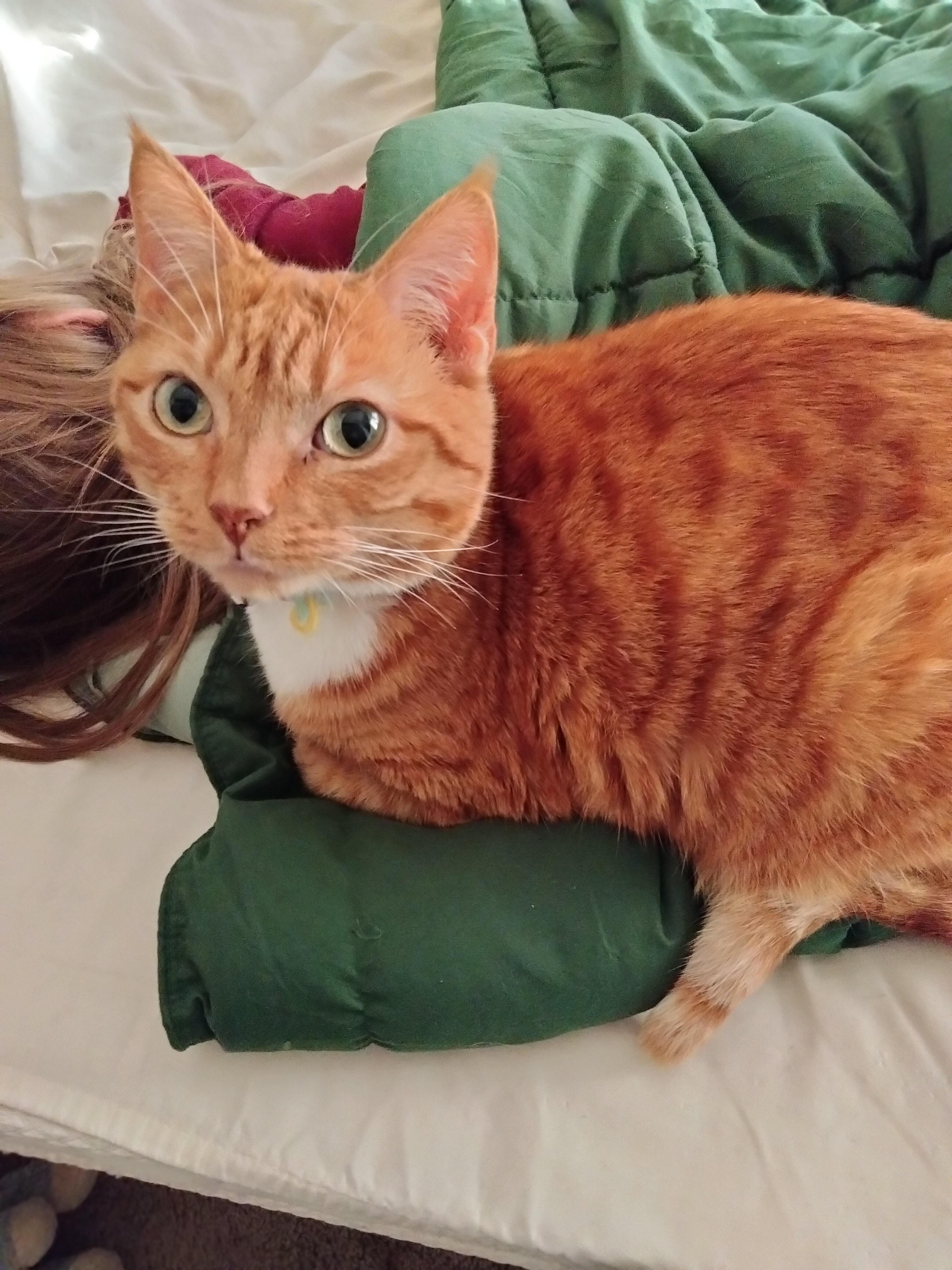
Every pet has two personalities: the noble, magazine-cover creature we brag about to friends, and the tiny household gremlin who gets stuck in a cereal box at 2 a.m. Both deserve applause. Whether your dog is doing heroic zoomies across the living room, your cat is judging your life choices from a laundry basket, or your rabbit has decided your slippers are public property, funny pet moments are more than cute distractions. They are little snapshots of personality, trust, play, and the wonderfully chaotic bond between humans and animals.
In the age of pet photos, funny animal videos, rescue stories, and social media “pet of the day” posts, showing off pets has become a universal love language. People may disagree about politics, pineapple on pizza, and whether the thermostat should be set to “reasonable” or “arctic tundra,” but everyone understands the joy of a dog wearing accidental yogurt on its nose. A great pet moment can brighten a bad day, start a conversation, support adoption awareness, and remind us that our animals are not props. They are family members with moods, boundaries, favorite snacks, suspicious opinions about vacuum cleaners, and dramatic reactions to empty food bowls.
This guide celebrates pets at their funniest and finest moments while keeping one paw firmly planted in responsible pet care. Because the best pet content is not forced, stressful, or staged for clicks. It is captured when animals feel safe, comfortable, playful, and loved. So grab your camera, clear some storage space, and prepare to honor the furry, feathered, scaly, and floppy-eared comedians who run our homes rent-free.
Why Funny Pet Moments Matter
Funny pet photos are not just internet confetti. They capture real behavior, real personality, and real companionship. A dog’s goofy play bow, a cat’s sudden hallway sprint, a guinea pig’s snack-focused determination, or a parrot’s dramatic side-eye can reveal how animals communicate with us. Pets use posture, facial expressions, movement, vocalizations, and routines to show curiosity, excitement, uncertainty, affection, and sometimes pure mischief.
When people share pet moments online, they often create tiny communities of joy. Someone posts a cat sleeping in a fruit bowl and suddenly hundreds of strangers are united by one thought: “Yes, that seems exactly like something a cat would do.” These moments are especially powerful because they feel honest. Pets do not care about lighting setups, follower counts, or whether their “brand identity” is consistent. A dog chasing a leaf has no content strategy. A cat sitting in a box labeled “fragile” is not doing performance art, although honestly, who can say?
Sharing pets can also support animal welfare. Shelters and rescue organizations use social media to help animals find homes, introduce adoptable pets, and tell stories that make people care. A charming photo of a senior dog with cloudy eyes and a heroic nap schedule can be more persuasive than a plain adoption listing. Humor makes animals memorable, and memory can move people to foster, adopt, donate, volunteer, or simply treat animals with more empathy.
The Funniest Pet Moments Are Usually Unplanned
The best pet moments rarely happen when you say, “Now be adorable.” That command, as every pet owner knows, activates the ancient animal instinct to look away, walk behind the couch, or begin licking a mysterious floor crumb. Great moments happen naturally: after bath time, during play, while investigating a grocery bag, or when your pet discovers that the new expensive bed is inferior to the cardboard box it came in.
The Classic Zoomies
Zoomies are among the great household spectacles. One second your pet is calm; the next, they are a furry comet ricocheting through the hallway like they have urgent business with the laws of physics. Dogs and cats may experience sudden bursts of energy after rest, meals, bathing, play, or moments of excitement. In many cases, these episodes are normal expressions of energy release and playful behavior. The key is safety. If your pet is sprinting indoors, move fragile objects, block dangerous stairs if needed, and avoid chasing them in a way that turns the game into panic.
The “I Meant To Do That” Face
Every pet has a version of this face. A cat misses a jump and immediately begins grooming as if gravity was the problem. A dog slides into a laundry basket, then looks at you with the dignity of a mayor at a ribbon-cutting ceremony. These are the moments that make pet photography gold. They show personality without humiliating the animal. A good rule: if the pet is relaxed and unharmed, it is funny. If the pet is frightened, trapped, injured, or trying to escape, put the camera down and help.
The Unexpected Fashion Show
Some pets love accessories. Others believe a bandana is a personal insult. If your dog happily struts in a sweater or your cat tolerates a festive collar for exactly seven seconds, a cute photo can be priceless. But costumes should never restrict movement, breathing, vision, hearing, or normal behavior. Avoid anything tight, heavy, hot, dangling, or chewable. The finest fashion moment is the one your pet can walk away from at any time.
How To Capture Pets At Their Finest
Pet photography is equal parts preparation, patience, and accepting that your subject may wander off to sniff a chair leg. Unlike human models, pets do not understand “just one more shot.” They understand treats, comfort, play, and whether you are currently blocking their sunbeam. To get better pet photos, think less like a director and more like a respectful documentary photographer.
Choose A Comfortable Location
The best images happen where pets feel secure. For dogs, that might be the backyard, a favorite park, or the sunny patch near the window. For cats, it may be a familiar chair, a climbing tree, a blanket, or the sacred cardboard kingdom under the dining table. Avoid loud, crowded, slippery, or unfamiliar settings if your pet gets nervous. A relaxed pet gives you bright eyes, natural posture, and real expression. A stressed pet gives you a photo that says, “My lawyer will hear about this.”
Use Natural Light
Soft window light is your friend. Harsh flash can startle animals and create glowing eyes that make your golden retriever look like a minor villain in a haunted lighthouse. Morning and late afternoon light often works beautifully outdoors. Indoors, try positioning yourself near a window and shooting from your pet’s eye level. That simple change can transform a basic snapshot into a portrait with warmth and personality.
Get On Their Level
One of the easiest ways to improve pet photos is to stop photographing everything from adult-human altitude. Kneel, sit, or lie down so the camera meets your pet’s face. Suddenly, your dachshund becomes a heroic explorer. Your kitten becomes a tiny jungle panther. Your hamster becomes a snack philosopher contemplating the meaning of cucumber. Eye-level photos make pets look present, expressive, and important.
Let Personality Lead
Do not force every pet into the same type of shot. Some animals are clowns. Some are aristocrats. Some are shy observers. Some are chaos in a collar. If your dog loves catching toys, photograph the leap. If your cat enjoys dramatic window poses, embrace the moody album-cover energy. If your bird likes showing off, capture the performance. The goal is not to make your pet look like someone else’s viral animal. The goal is to show what makes your pet unmistakably yours.
Reading The Room: Cute Versus Stressed
One of the most important parts of showing off pets responsibly is knowing the difference between funny behavior and uncomfortable behavior. Animals communicate constantly, but humans sometimes misread stress as comedy. A dog yawning repeatedly, licking lips, turning away, freezing, crouching, tucking the tail, showing whale eye, or trying to leave may not be “being dramatic.” They may be asking for space. A cat with flattened ears, dilated pupils, a tucked tail, tense posture, hissing, swatting, or hiding is not auditioning for a villain role. The cat is uncomfortable.
Responsible pet content starts with consent in the everyday animal sense: choice, comfort, and the ability to walk away. You cannot ask your dog to sign a media release, but you can notice whether they are relaxed. Are they approaching you willingly? Is their body loose? Are they taking treats? Are they playing voluntarily? Are they able to leave? These cues matter more than any potential laugh.
There is a simple test: would the moment still be funny if no one posted it? If the answer is yes, you are probably enjoying a natural, harmless moment. If the joke depends on fear, frustration, pain, confinement, teasing, or confusion, it is not pet comedy. It is bad directing.
Social Media Tips For Sharing Pet Moments
Posting pet photos can be joyful, but a little thought makes your content safer, kinder, and more engaging. The internet loves animals, but it also has the attention span of a squirrel in a popcorn factory. Strong pet posts are clear, warm, and easy to enjoy.
Write Captions With Personality
A good caption can turn a cute photo into a tiny story. Instead of writing, “My dog,” try something more specific: “Walter has appointed himself assistant manager of the dishwasher.” Instead of “Cat sleeping,” try, “Miso has entered airplane mode.” Humor works best when it matches the image and your pet’s personality. Keep captions short enough to scan but vivid enough to make people smile.
Avoid Unsafe Trends
Never copy trends that involve scaring pets, throwing objects at them, spinning them, restraining them, startling them, forcing interactions, or making them eat unsafe foods. Viral attention is not worth a vet visit. Also avoid using human cosmetics, dyes, adhesives, small decorations, or props that can be swallowed. Pets do not need suffering to be entertaining. They are already weird for free.
Protect Privacy And Location
If you post publicly, be mindful of ID tags, home addresses, school names, license plates, and exact locations. A beautiful photo of your dog in front of your house may reveal more than you intended. Consider cropping, blurring, or choosing backgrounds that do not broadcast personal information. Your pet can be famous without giving the internet a tour of your mailbox.
Use Pet Posts For Good
Funny pet content can do more than collect likes. You can spotlight adoptable animals, thank shelters, encourage microchipping, promote spay and neuter awareness, remind people about regular veterinary care, or share enrichment ideas. A post that begins with a cat wearing a paper bag like a luxury helmet can end with a useful reminder: pets need play, safety, patience, and responsible homes.
Funny Moments By Pet Type
Dogs: The Professional Goofballs
Dogs are natural performers, even when they have no idea there is an audience. Their funniest moments often involve enthusiasm outrunning coordination. They leap for a ball and catch only air. They bark at their reflection, then look offended when the reflection barks back. They bring you a sock with the pride of a hunter returning from the wilderness. At their finest, dogs show loyalty, playfulness, athleticism, and emotional honesty so intense it could power a small town.
Great dog moments to capture include play bows, muddy adventures, post-bath zoomies, proud toy presentations, sleepy upside-down poses, and the legendary “head tilt of deep concern.” To keep things safe, avoid pushing dogs into social situations they dislike. Not every dog wants to hug strangers, pose with toddlers, or wear sunglasses. A happy dog photo begins with a dog who is actually happy.
Cats: The Tiny Philosophers Of Nonsense
Cats are the poets of inconvenient behavior. They can turn a simple stretch into ballet, a cardboard box into a palace, and a full water bowl into something suspicious that must be ignored in favor of the bathroom faucet. Funny cat moments often involve stealth, judgment, sudden athletic decisions, and sitting on objects that appear deliberately chosen to inconvenience humans.
At their finest, cats show elegance, curiosity, affection, and surprising silliness. Capture them watching birds, kneading blankets, sleeping in improbable positions, or attacking a toy mouse with the seriousness of a medieval knight. But remember that cats are sensitive to pressure. Let them come to the camera. If a cat walks away, the photo session is over. The cat has spoken, and probably already filed a complaint.
Small Pets: The Underestimated Stars
Rabbits, guinea pigs, hamsters, rats, ferrets, and other small animals can be comedy legends. Their finest moments may be quieter than a Labrador’s flying leap, but they are no less charming. A guinea pig wheeking for vegetables has the energy of an opera singer demanding justice. A rabbit doing a happy binky is pure joy with ears. A hamster stuffing cheeks with snacks is basically a tiny grocery shopper preparing for winter and emotional uncertainty.
Photograph small pets in safe, contained spaces. Avoid high surfaces, loose wires, unsafe plants, and stressful handling. Many small animals are prey species, so they may feel vulnerable when grabbed, lifted, or surrounded. The best photos come from calm observation, gentle interaction, and snacks used responsibly.
Birds, Reptiles, And Other Unique Pets
Birds can be expressive, social, clever, and gloriously dramatic. Reptiles may be quieter, but their finest moments can be surprisingly charismatic: a bearded dragon basking like royalty, a gecko peeking from a hide, or a turtle moving with the determination of a slow but undefeated athlete. The key is species-specific care. Temperature, lighting, humidity, handling limits, and habitat safety matter. A funny photo should never come at the expense of proper environment or comfort.
Turning Everyday Pet Life Into Shareable Stories
You do not need a professional studio to show off pets beautifully. Some of the strongest pet content comes from everyday routines. Morning stretches. Dinner anticipation. Nap rituals. Window-watching. Toy negotiations. The slow betrayal of realizing the vet appointment was not, in fact, a trip to the park.
Try building mini-stories around repeated habits. Does your dog always sit in the same chair like a retired professor? Does your cat inspect every grocery delivery? Does your rabbit throw toys when displeased with the quality of service? These patterns become delightful because they reveal personality over time. Audiences love recurring characters, and pets are born recurring characters with better facial expressions.
The “Finest Moments” Deserve Just As Much Attention
Not every pet moment has to be silly. Sometimes the finest moments are soft, brave, or tender. A rescue dog finally sleeping deeply in a new home. A senior cat accepting medication with patience and trust. A nervous pet learning a new skill. A puppy mastering “sit” after many dramatic misunderstandings. A bird stepping onto a hand for the first time. These moments are not slapstick, but they are powerful.
Showcasing pets at their finest can deepen appreciation for animal care. It reminds viewers that pets are individuals with histories, preferences, and progress. It celebrates training, enrichment, rehabilitation, adoption, and the quiet daily work of earning an animal’s trust. Funny photos may get the first laugh, but finest moments often stay in the heart longer.
Pet Enrichment: The Secret Behind Many Great Moments
Many funny and impressive pet moments come from enrichment: activities that let animals use their bodies and brains. Puzzle feeders, scent games, safe toys, scratching posts, climbing spaces, training sessions, chew items, digging boxes, supervised outdoor time, and interactive play can all create natural moments worth capturing. Enrichment is not just entertainment. It helps reduce boredom, supports mental stimulation, and gives pets healthy ways to express normal behavior.
A bored pet may invent hobbies you do not appreciate, such as couch archaeology, midnight opera, baseboard tasting, or reorganizing the trash. A stimulated pet is more likely to offer the good kind of chaos: playful, curious, engaged, and ready for a photo that does not involve explaining a shredded pillow to guests.
Of Real-Life Pet Moment Experiences
Anyone who has lived with pets knows that the funniest moments often become family folklore. One of the great experiences of pet ownership is realizing that animals create traditions without asking permission. A dog may decide that every delivery box is a suspicious intruder until proven otherwise. A cat may claim one chair so completely that guests begin apologizing before sitting down. A rabbit may learn the sound of the refrigerator drawer and appear instantly, as if summoned by the ancient spirit of romaine lettuce. These moments are small, but they stitch themselves into daily life.
One classic experience is the “caught in the act” moment. You walk into the kitchen and find your dog standing near an overturned trash can, wearing the expression of an innocent bystander who has just arrived at the scene. No one knows what happened. Certainly not the dog. The evidence may include a yogurt lid on the floor and a suspiciously clean nose, but the defendant maintains complete innocence. That kind of moment is funny because it feels human. Pets do not lie exactly, but they do perform confusion with remarkable commitment.
Another universal experience is watching pets misunderstand objects. Cats treat empty boxes like luxury real estate. Dogs may fear harmless balloons but bravely confront thunder with barking negotiations. Guinea pigs can act as if a cucumber slice is a once-in-a-generation festival. Birds may fall in love with mirrors, bells, or one specific spoon. Reptiles may stare at you with ancient wisdom while doing absolutely nothing, which somehow becomes fascinating. These moments remind us that animals experience the world through senses and instincts different from ours. Their reactions are not random; they are windows into how they explore, evaluate, and respond.
There are also finest moments that feel like milestones. The first time a shy rescue pet asks for affection. The first successful walk without pulling. The first night a nervous cat sleeps beside you instead of under the bed. The first time an elderly dog still manages a small tail wag when you say their favorite word. These are the moments pet owners rarely forget. They may not go viral, but they matter deeply because they show trust.
Sharing these experiences can help other pet owners feel seen. Everyone with a pet has cleaned paw prints off a floor they just mopped. Everyone has bought a toy that was ignored in favor of the receipt. Everyone has used a high-pitched voice in public and pretended it was normal. Pets humble us, entertain us, and gently rearrange our priorities. They teach patience when they refuse to pose, compassion when they are scared, responsibility when they need care, and joy when they do something ridiculous for no reason except being alive in their wonderfully animal way.
Conclusion: Celebrate The Moment, Respect The Pet
Showing off pets at their funniest and finest moments is one of the happiest uses of a camera. It lets us celebrate the odd little rituals, dramatic expressions, athletic failures, snack victories, and tender breakthroughs that make life with animals so memorable. But the best pet content always begins with respect. Let pets be themselves. Watch their body language. Keep them safe. Avoid harmful trends. Choose comfort over clicks. When the animal is relaxed, the moment is realand real is always more charming than forced.
So yes, show off your pets. Show the muddy paws, the majestic poses, the laundry-basket naps, the zoomies, the proud toy parades, and the sleepy faces that look like they just finished a double shift at the biscuit factory. Share the silly and the sweet. The world has enough noise. A happy pet, captured honestly, is a tiny reminder that joy still lives in ordinary rooms, often under the table, waiting for cheese.
Note: This article is written for web publication and synthesizes current pet-care, animal-behavior, public-health, photography, and animal-welfare guidance without copying source text or inserting unnecessary source-code artifacts.













