
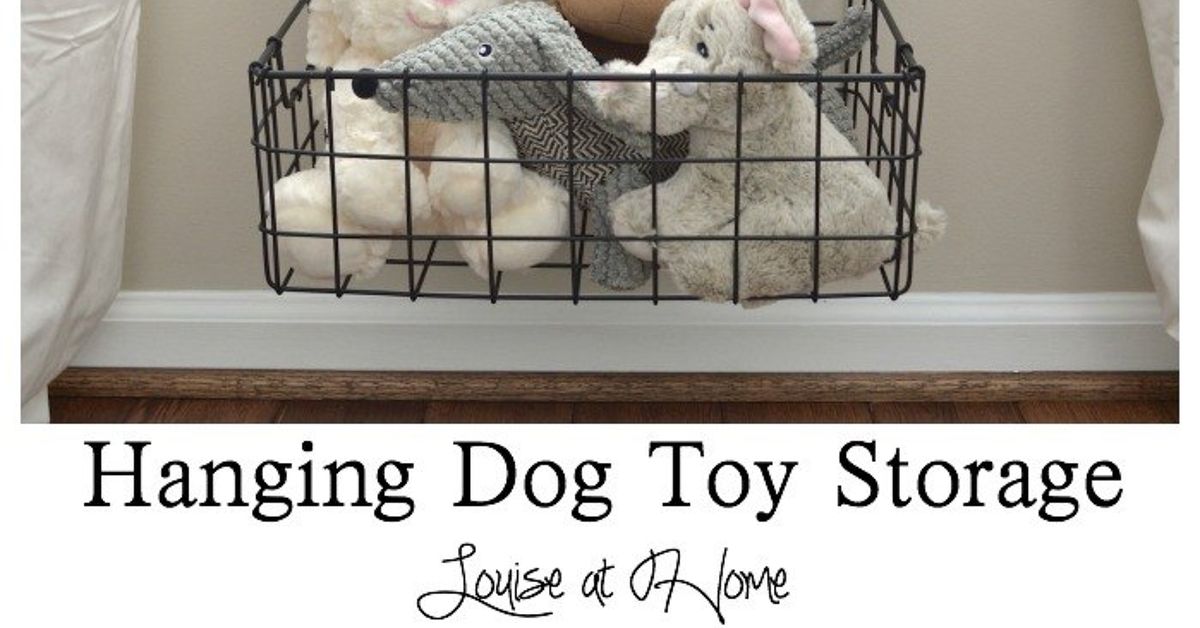
Every dog owner eventually discovers the same mystery: you bought one squeaky squirrel, one rope, and one “indestructible” chew toy, yet somehow your living room now looks like a pet-store clearance aisle exploded. The tennis ball is under the sofa. The plush duck is in the hallway. The tug rope is damp for reasons nobody wants to investigate. That is where hanging dog toy storage becomes less of a cute home idea and more of a domestic survival strategy.
Hanging storage keeps dog toys visible, sorted, off the floor, and easier to clean around. It is especially useful in small apartments, busy family homes, mudrooms, laundry rooms, and entryways where floor baskets become trip hazards or, worse, chew targets. A smart hanging dog toy organizer can turn chaos into a tidy little play station your dog actually understands.
The goal is not to create a museum of perfectly arranged chew toys. Dogs are not known for respecting gallery rules. The goal is to make toy storage practical, safe, washable, and simple enough that humans will use it daily. Bonus points if your dog learns where the toys live and stops acting like the couch cushion is a legitimate treasure chest.
Why Hanging Dog Toy Storage Works So Well
The biggest advantage of hanging dog toy storage is that it uses vertical space. Instead of adding another basket to the floor, you move toys onto a wall, door, peg rail, hook system, or hanging basket. This frees up walking space, helps reduce clutter, and makes cleaning faster. If you have a robot vacuum, it will also stop filing emotional complaints about plush animals blocking its path.
Hanging storage also helps with toy rotation. Many dogs stay more interested when they do not have access to every toy at once. By storing extra toys higher up or in separate hanging compartments, you can keep a few favorites available and swap them weekly. Suddenly, the old rubber bone becomes exciting again. Dogs are wonderfully easy to impress; we should appreciate this.
Another benefit is visibility. When toys are tossed into one deep bin, the quiet ones sink to the bottom and are forgotten. A wall-mounted dog toy basket, mesh hanging organizer, or pegboard setup lets you see what you have. You can quickly spot the fetch balls, plush toys, puzzle toys, tug ropes, and outdoor toys without performing an archaeological dig.
Best Places to Install a Hanging Dog Toy Organizer
Near the Main Play Area
If your dog plays mostly in the living room, install storage near that zone. A low wall basket or hanging canvas pouch beside a media console can work well. Keep the most-used toys within easy reach, but avoid placing them where your dog can yank down the entire organizer. Enthusiasm is adorable until drywall gets involved.
In the Entryway or Mudroom
An entryway dog station is ideal for homes where toys, leashes, poop bags, towels, and harnesses all gather near the door. Use hooks for leashes and a wall-mounted basket for balls or outdoor toys. This setup is especially helpful if your dog loves fetch, park trips, or proudly carrying a muddy tennis ball into the house like a trophy from battle.
In the Laundry Room
The laundry room is practical because dog toys often need washing. A breathable mesh hanging bag can hold dirty plush toys until wash day. A separate dry basket can hold clean toys. This keeps “freshly washed lamb chop” and “mysterious backyard rope” from becoming roommates.
Near a Crate, Bed, or Dog Nook
If your dog has a sleeping area, consider placing a small hanging organizer nearby. This creates a cozy pet zone with comfort toys, chew toys, and blankets in one place. For puppies or anxious dogs, a familiar toy near their bed can help create a sense of routine.
Types of Hanging Dog Toy Storage
1. Wall-Mounted Baskets
Wall-mounted baskets are one of the best options for everyday dog toy storage. Choose metal, wire, canvas, or sturdy woven materials depending on your dog’s chewing habits and your home style. Wire baskets are easy to wipe clean and let air circulate around toys. Canvas baskets feel softer and blend nicely into cozy interiors.
Install baskets securely into studs when possible, especially if you plan to store heavy rubber toys. For drywall installation, use appropriate anchors and respect the weight rating. A toy basket should hold toys, not become a surprise gravity experiment.
2. Hanging Mesh Bags
Mesh bags are excellent for bath toys, outdoor balls, washable plush toys, and toys that need airflow. They are lightweight, affordable, and easy to hang from hooks, closet rods, or utility rails. Mesh also helps prevent moisture from lingering, which matters because dog toys can collect drool, dirt, and backyard confetti.
Use mesh bags for toys that are already dry or temporarily holding items headed to the wash. Avoid letting wet toys sit for days. Your nose will eventually send a formal complaint.
3. Pegboards and Hook Rails
A pegboard dog toy organizer is perfect for pet parents who love a custom system. You can add small baskets, hooks, clips, and shelves. Use hooks for tug ropes, small baskets for balls, and labeled bins for puzzle toy parts. This type of wall-mounted pet storage works beautifully in mudrooms, garages, laundry rooms, or pet rooms.
For a cleaner look inside the home, try a wood peg rail with a few hanging baskets. It feels less “garage workshop” and more “organized person who definitely has their life together.” Whether or not that is true is between you and the sock pile.
4. Over-the-Door Organizers
Over-the-door organizers are a smart choice for renters or anyone who does not want to drill holes. Clear pockets can hold small toys, grooming tools, travel bowls, treat pouches, and extra collars. Use lower pockets for safe, lightweight toys your dog can access with supervision, and upper pockets for items you want out of reach.
Be careful with strings, loose straps, or dangling parts. Dogs who love to chew may see an organizer as one giant bonus toy. Choose sturdy designs and check regularly for damage.
5. Hanging Fabric Cubes or Canvas Pouches
Canvas pouches bring a softer, decorative feel to hanging dog toy storage. They work well in bedrooms, living rooms, and small apartments. Look for washable fabric, reinforced seams, and wide openings. Narrow pockets can be frustrating when you are trying to shove in a plush dragon while your dog waits behind you like a tiny toy supervisor.
Safety Comes First: What to Check Before You Hang Anything
Dog toy organization should never create new hazards. Before installing hanging storage, check the height, hardware, material, and accessibility. The organizer should be secure enough that your dog cannot easily pull it down. It should not include small decorative parts, loose cords, fragile hooks, or sharp edges.
Keep heavy chew toys in lower, stronger baskets rather than flimsy hanging pockets. Store tiny balls or small toy pieces away from large dogs that could swallow them. If a toy is small enough to fit fully in your dog’s mouth, it may be a choking risk. When in doubt, size up.
Inspect toys before returning them to storage. Throw away toys with ripped seams, loose squeakers, exposed stuffing, deep cracks, splintering, or pieces breaking off. A neat organizer full of unsafe toys is still unsafe; it just looks more photogenic while causing problems.
How to Sort Dog Toys Like a Professional Organizer
The easiest system is to divide toys by use. You do not need fancy labels, although labels do make everyone feel powerful. Try these categories:
- Chew toys: durable rubber toys, dental toys, and safe chew items.
- Fetch toys: balls, discs, launch toys, and outdoor play items.
- Plush toys: comfort toys, squeaky animals, and soft bedtime favorites.
- Interactive toys: puzzle toys, treat dispensers, snuffle items, and enrichment games.
- Dirty or outdoor toys: muddy balls, beach toys, and toys waiting to be cleaned.
For hanging storage, keep daily toys in the easiest spot. Store less-used toys higher up. Keep treat-dispensing toys separate so crumbs do not migrate into plush toys. Nothing ruins the dignity of a stuffed bunny faster than old peanut butter dust.
Cleaning and Toy Rotation: The Secret to a Better System
Dog toys get dirty. They touch floors, yards, mouths, puddles, and occasionally places we choose not to discuss. A good hanging dog toy storage system should include a cleaning routine. Wash fabric toys according to the care label when possible. Many soft toys can be washed on a gentle cycle and air dried, but always inspect them first for holes or damaged seams.
Hard rubber and plastic toys can usually be washed with warm soapy water, rinsed thoroughly, and dried before storage. Treat toys need special attention because food residue can hide in grooves and openings. If a toy smells bad after cleaning, has sticky residue, or is breaking down, retire it. The toy had a good career.
Toy rotation keeps clutter under control and makes toys feel new. Put five to seven toys in active use, then store the rest in a hanging basket or closet organizer. Every week or two, switch the selection. This is especially useful for dogs who get bored easily or develop a habit of chewing household items. A fresh rotation gives them acceptable options before they decide your slipper has “interesting mouthfeel.”
DIY Hanging Dog Toy Storage: A Simple Weekend Project
You can create a practical hanging dog toy organizer with a wall rail, two or three baskets, and a few hooks. Choose a wall near your dog’s play zone. Measure the space, mark stud locations if possible, and install a sturdy rail or bracket system. Add baskets for toys and hooks for tug ropes, leashes, or lightweight accessories.
Materials You May Need
- A wall-mounted rail, pegboard, or strong hook rack
- Two or three wire, canvas, or mesh baskets
- Wall screws and anchors rated for the expected weight
- Labels or tags for toy categories
- A washable mat or small bin underneath for quick cleanup
Place heavier toys in the lowest basket and lighter plush toys higher up. If your dog is allowed to choose toys independently, keep one basket at nose level and make sure it is soft-edged and secure. If your dog is a power chewer, keep the hanging system higher and hand toys down during supervised play.
Small-Space Ideas for Apartments and Tiny Homes
In small homes, every inch has a job interview. Hanging dog toy storage helps by using walls, doors, cabinet sides, and closet interiors. An over-the-door organizer in a laundry closet can hold toys without changing the room. A slim wall basket beside the dog bed can replace a floor bin. A peg rail near the entry can combine toy storage with leash storage.
For renters, adhesive hooks may work for very lightweight mesh bags, but do not trust them with heavy rubber toys. Use freestanding solutions that lean safely, over-the-door systems, or tension rods inside closets. The best small-space dog toy organizer is one that does not damage walls, block walkways, or invite your dog to perform unauthorized demolition.
Training Your Dog to Use the Toy Station
A toy station works even better when your dog understands it. Start by placing one favorite toy in a low basket. Encourage your dog to take it gently, then reward calm behavior. To teach cleanup, begin with a toy box or low basket before moving to a hanging setup. Ask your dog to “drop” the toy into the container and reward immediately.
Keep training short and fun. Some dogs learn quickly; others will stare at you as if you have proposed a complicated tax strategy. That is fine. Use treats, praise, and repetition. Even if your dog never becomes a cleanup champion, a consistent storage location still helps the humans.
Common Mistakes to Avoid
The first mistake is hanging storage too high for daily use. If it is annoying to reach, you will stop using it. The second mistake is choosing a cute basket that cannot be cleaned. Dog toy storage should survive drool, fur, and the occasional mystery stain. Beauty matters, but washable beauty matters more.
Another mistake is keeping too many toys available. More toys do not always mean more fun. Too many choices can create clutter, reduce interest, and make it harder to spot damaged toys. Keep a smaller active selection and rotate the rest.
Finally, do not ignore your dog’s personality. A gentle senior dog may do well with low hanging fabric baskets. A young Labrador with the energy of a popcorn machine may need sturdy wall-mounted metal baskets and supervised access. Design for the dog you have, not the imaginary dog from a furniture catalog.
Design Tips: Make It Match Your Home
Hanging dog toy storage can be practical and attractive. For modern homes, try matte black wire baskets or simple wood rails. For farmhouse style, use natural woven baskets with metal hooks. For colorful spaces, choose canvas pouches or labeled fabric bins. In a kid-friendly family room, clear pockets make it easy for everyone to see where toys belong.
If you want a polished look, limit the color palette. Dog toys are already visually loud. A neon squeaky taco does not need much help. Neutral baskets, matching labels, and clean wall spacing can make the whole area feel intentional instead of chaotic.
Experience Notes: What Living With Hanging Dog Toy Storage Teaches You
After using hanging dog toy storage in real homes, one lesson becomes obvious: the best system is the one that matches daily habits. A beautifully organized wall station will fail if it is placed across the house from where your dog actually plays. Dogs do not respect “zones” the way humans do. If the toys are used in the living room, the storage needs to be nearby. Otherwise, every cleanup becomes a tiny commute.
A second lesson is that airflow matters more than people expect. Plush toys, rope toys, and outdoor balls can hold moisture. When those toys sit in a closed bin, they can smell stale quickly. A hanging mesh bag or open wire basket helps toys dry faster and makes it easier to notice which ones need washing. This is especially helpful after rainy walks, backyard fetch, beach trips, or any adventure involving mud, sprinklers, or your dog’s deep personal commitment to puddles.
Another practical discovery is that dogs often prefer a “choice basket.” Instead of giving access to every toy, keep two or three safe toys in a lower basket and store the rest higher. This gives your dog independence without turning the house into a toy buffet. It also makes rotation easier. When you bring down a toy that has been stored for a week, many dogs react as if you just returned from a heroic quest with a legendary artifact. The artifact may be a rubber chicken, but joy is joy.
Hanging storage also makes damaged toys easier to catch. When toys are spread across the house, a ripped seam or cracked chew can go unnoticed. When toys return to one station, you naturally inspect them during cleanup. This small habit can prevent unsafe toys from staying in circulation too long. A good rule is simple: if stuffing is escaping, pieces are breaking off, or a squeaker is loose, the toy leaves the team.
For families, labels help more than expected. A small tag that says “Balls,” “Plush,” or “Wash Me” prevents everyone from inventing their own system. Without labels, one person’s “outdoor toy basket” becomes another person’s “random place for a leash, sock, and one suspicious pinecone.” Labels are not about perfection. They are about reducing arguments with other humans who claim they “didn’t know where it went.”
The biggest surprise is how much calmer a room feels when dog toys have a home. You can still love your dog deeply without stepping on a squeaky frog at midnight. Hanging dog toy storage creates a simple rhythm: play, inspect, clean if needed, return, rotate. It is not fancy. It is not complicated. It just works.
Conclusion
Hanging dog toy storage is one of those small home upgrades that solves several problems at once. It saves floor space, reduces clutter, supports toy rotation, improves cleaning routines, and helps create a dedicated play zone for your dog. Whether you choose wall-mounted baskets, mesh bags, pegboards, hook rails, or over-the-door organizers, the best solution is secure, washable, easy to reach, and suited to your dog’s size and chewing style.
Most importantly, hanging dog toy storage makes daily life smoother. Your home looks tidier, your dog still gets plenty of play, and you spend less time wondering why there is a squeaky avocado in the bathroom. That is not just organization. That is peace, with a wagging tail.












