
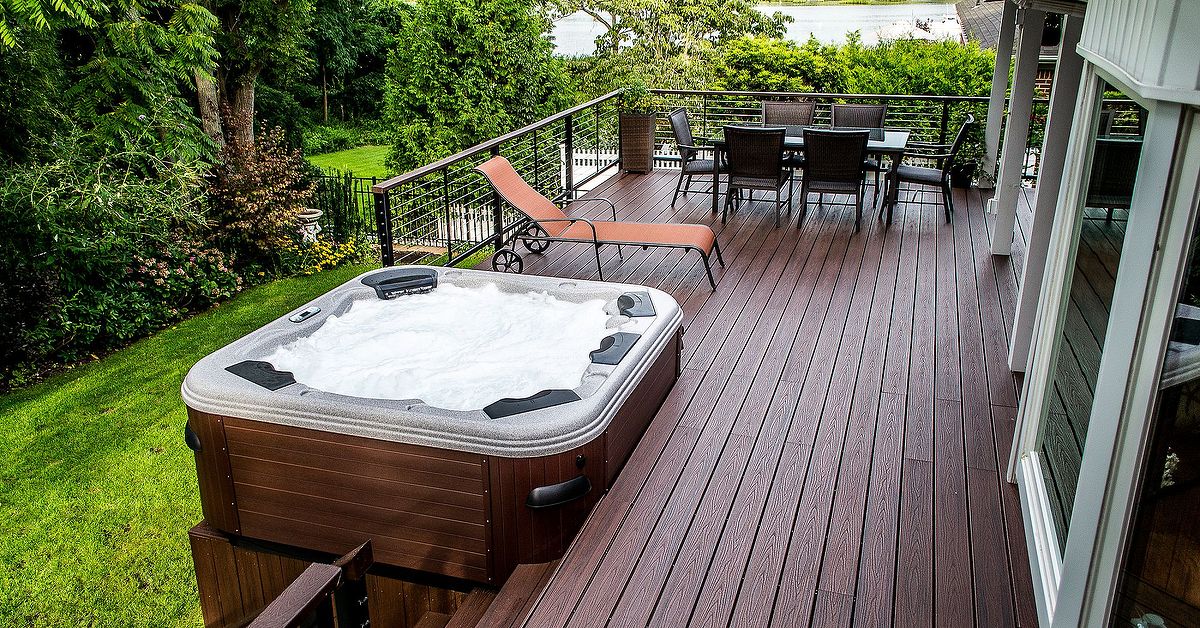
A deck without the right railing is like a picture without a frame, a sandwich without the bread, or a backyard party without someone saying, “Who wants more ice?” It may technically work, but something important is missing. Deck railing is not just a safety feature tacked onto the edge of an outdoor space. It shapes the view, defines the style, protects family and guests, and can quietly influence how much maintenance you will do every spring.
Choosing the right deck railing can make all the difference because it affects three things at once: safety, appearance, and long-term value. A beautiful deck railing can make a modest deck look custom-built. A poor choice can make an expensive deck feel awkward, dated, or high-maintenance. The good news is that homeowners today have more options than ever, from classic wood railings and low-maintenance composite systems to sleek aluminum, cable, vinyl, steel, and glass railing designs.
The trick is not simply picking the railing that looks best in a catalog. The right railing system should match your home’s architecture, local building codes, climate, budget, privacy needs, and patience for upkeep. Because let’s be honest: “low maintenance” sounds much better than “spend every Saturday sanding balusters while your neighbor grills burgers.”
Why Deck Railing Matters More Than Most Homeowners Think
Deck railing has one obvious job: helping prevent falls from elevated surfaces. But it also does several quieter jobs. It creates a visual boundary, frames your outdoor view, supports lighting or accessories, and adds structure to the overall design. A railing can make a deck feel cozy and private, open and modern, rustic and relaxed, or polished and upscale.
For families with children, pets, older adults, or frequent guests, railing selection becomes even more important. The spacing between balusters, the height of the guard, the sturdiness of the posts, and the grip of stair handrails all matter. A railing is not the place to freestyle like you are inventing a new dessert recipe. It needs to look good, but it also needs to perform.
Start With Safety and Local Building Codes
Before comparing colors, materials, or fancy cable patterns, start with code requirements. In many U.S. residential situations, decks more than 30 inches above grade require guardrails. Residential deck guards are commonly required to be at least 36 inches high, while commercial or multifamily settings may require taller guards. Openings between balusters or railing components typically must be small enough that a 4-inch sphere cannot pass through.
That may sound like a tiny detail, but it is a big deal for child safety and code compliance. Local rules can vary, so homeowners should always check with their city, county, or building department before installation. Some jurisdictions have stricter requirements, and certain neighborhoods or homeowners associations may also regulate railing style, color, or material.
Do Not Ignore Railing Strength
A railing should not wobble when someone leans on it. Secure railing posts and proper fastening are essential, especially at stairs, corners, and long runs. Many deck failures are not caused by the visible rail itself but by weak connections hidden below or behind the finish. The best-looking railing in the world is not impressive if it moves like a shopping cart with one bad wheel.
If you are replacing railing on an older deck, inspect the framing, posts, fasteners, ledger board, and stair structure before installing anything new. A new railing system attached to weak framing is like putting a designer jacket on a scarecrow. It may look better, but the structure underneath still needs help.
Popular Deck Railing Materials and When to Use Them
Each deck railing material has a personality. Some are budget-friendly but needy. Some are sleek but expensive. Some are practically maintenance-free, which is the outdoor living equivalent of winning a small lottery. Here is how the most common deck railing options compare.
Wood Deck Railing: Classic, Warm, and Customizable
Wood railing remains a favorite because it feels natural, looks timeless, and can be shaped, painted, or stained to match almost any home. Pressure-treated lumber, cedar, and redwood are common choices. Wood works especially well with traditional homes, cabins, farmhouse decks, and rustic outdoor spaces.
The biggest advantage of wood deck railing is flexibility. You can create simple square balusters, decorative patterns, wide top rails, built-in planter boxes, or a custom look that feels handcrafted. Wood is also often more affordable upfront than metal, glass, or premium composite systems.
The drawback is maintenance. Wood needs periodic cleaning, sealing, staining, painting, and inspection. It can crack, splinter, warp, or rot if neglected. In wet, humid, coastal, or freeze-thaw climates, maintenance becomes even more important. Wood is a wonderful choice if you love a natural look and do not mind giving it regular attention. If you want to install it and forget it, wood may not be your best friend.
Composite Deck Railing: The Low-Maintenance Middle Ground
Composite railing is designed to mimic the appeal of wood while reducing the maintenance burden. It often uses a mix of recycled wood fibers and plastic, sometimes paired with internal structural components. Composite systems are popular because they offer a polished look, consistent color options, and good resistance to rot, insects, and moisture.
Composite deck railing works well for homeowners who want a classic appearance without annual staining. It pairs beautifully with composite decking, but it can also complement wood or PVC deck boards. Many composite railing systems come in coordinated collections, which makes it easier to match posts, caps, balusters, and trim.
The main downside is cost. Composite usually costs more than basic wood, and it may not have the same slim profile as metal railing. It can also be less repairable than wood if damaged. Still, for many homeowners, composite is the “reasonable adult” choice: attractive, durable, and not constantly asking for attention.
Aluminum Deck Railing: Clean, Durable, and Modern
Aluminum railing is one of the most popular low-maintenance options for modern decks. It is lightweight, corrosion-resistant, and available in many finishes, especially black, bronze, white, and textured powder-coated styles. Black aluminum railing has become especially popular because it visually recedes, allowing the landscape to stand out.
Aluminum works with many architectural styles. It can look sleek on a contemporary deck, simple on a suburban porch, or crisp around a poolside outdoor living area. It is also a practical option for homes with kids or pets because many systems use narrow vertical balusters and durable finishes.
Maintenance is simple: occasional washing and inspection. However, homeowners in coastal areas should choose products designed for salt-air environments, since corrosion resistance varies by finish and fastener quality. The railing itself may be tough, but the wrong hardware can still invite trouble.
Cable Deck Railing: Best for Views and Modern Style
Cable railing uses horizontal or vertical stainless steel cables tensioned between posts. It is popular on decks with mountain, lake, forest, city, or backyard views because it minimizes visual obstruction. If your deck overlooks a beautiful landscape, cable railing lets the view do the talking instead of shouting over it.
Cable railing has a modern, upscale feel and pairs well with wood, steel, aluminum, and composite posts. It is especially effective on contemporary homes, coastal properties, and elevated decks where openness matters.
However, cable railing must be installed carefully. Cable spacing, tension, post strength, and code compliance are essential. Over time, cables may need re-tensioning. Horizontal cable can also create a ladder-like appearance, which some homeowners with young children may want to consider carefully. It is a fantastic option when installed correctly, but it is not a “guess and hope” weekend project.
Glass Deck Railing: Clear Views With a Premium Feel
Glass railing is the luxury window seat of the deck world. It offers an unobstructed view while still creating a protective barrier. Tempered glass panels can make a deck feel open, bright, and high-end. They are especially popular near water, mountains, golf courses, and scenic backyards.
Glass also helps block wind, which can make outdoor seating more comfortable. That said, glass railing costs more than many other options and requires cleaning. Fingerprints, water spots, pollen, and dust are more visible on glass. If you enjoy a spotless look, be prepared to wipe it down regularly. If your dog likes pressing its nose on every transparent surface, congratulations: you now own outdoor nose-art.
Vinyl and PVC Railing: Affordable and Easy to Maintain
Vinyl and PVC railing systems are known for affordability, moisture resistance, and simple maintenance. They are often available in white or neutral colors and work well for casual decks, porches, and budget-conscious projects.
The biggest benefits are resistance to rot and no need for painting or staining. A quick wash usually keeps them looking fresh. However, vinyl can feel less premium than metal, composite, or wood, and lower-quality products may become brittle or fade over time. In very hot climates, expansion and contraction should be considered during installation.
Steel and Iron Railing: Strong, Decorative, and Statement-Making
Steel, wrought iron, and ornamental metal railings bring strength and character. They work well with traditional, Mediterranean, industrial, and custom homes. Decorative metal can turn a simple deck into an architectural feature.
The key issue is corrosion protection. Powder coating, galvanizing, stainless hardware, and proper maintenance help extend the life of metal railings. Steel can be heavier and more expensive than aluminum, but it offers a solid, substantial feel that some homeowners prefer.
Match the Railing to Your Home’s Style
The best deck railing should look like it belongs to the house, not like it wandered in from a completely different neighborhood. A modern home often pairs well with aluminum, cable, or glass. A craftsman home may look better with wood or composite railing with thicker posts and defined trim. A farmhouse-style deck can handle wood, black metal balusters, or mixed materials. A coastal home may benefit from cable, glass, or corrosion-resistant aluminum.
Color matters too. Black railing tends to disappear visually, especially when looking toward trees, water, or open sky. White railing feels bright, traditional, and crisp, but it can show dirt more easily. Bronze and gray finishes offer a softer alternative that blends with many siding and decking colors.
Think About the View, Privacy, and Wind
Not every deck has the same goal. Some decks are built to admire a view. Others are built to hide from the neighbor’s trampoline, trash cans, or enthusiastic karaoke practice. Your railing should support the way you actually use the space.
If the view is the star, consider cable, glass, slim aluminum balusters, or darker colors that recede. If privacy matters, consider taller privacy panels where allowed, lattice accents, mixed railing with screens, or planter-integrated designs. If wind is an issue, glass panels can help create a calmer seating area. If airflow matters more than privacy, open balusters or cable may be better.
Budget Beyond the Sticker Price
Deck railing costs vary widely depending on material, design, labor, hardware, and complexity. Wood may cost less upfront, but maintenance costs add up. Composite, aluminum, and vinyl may cost more initially but save time over the years. Glass and cable often cost more due to materials and installation requirements.
When comparing options, think in terms of lifetime value. Ask yourself: How often will this need maintenance? How long is it expected to last? Can I replace individual parts? Will it improve curb appeal? Does it match the deck boards and house? A railing that costs less today but annoys you every year may not be the bargain it seems.
Installation: DIY or Hire a Pro?
Some railing kits are designed for confident DIYers, especially vinyl, aluminum, and certain composite systems. Pre-assembled panels can make installation faster and more predictable. However, stairs, angled corners, cable tensioning, glass panels, and structural repairs can quickly move a project into professional territory.
Hire a licensed contractor if your deck is high off the ground, if the existing structure is questionable, if permits are required, or if you are installing cable or glass railing for the first time. Professional installation can also help prevent code problems that might appear during inspection or resale.
Maintenance Tips for Long-Lasting Deck Railing
No railing is completely maintenance-free, no matter what the brochure whispers sweetly in your ear. Even low-maintenance railing needs basic care. Inspect posts, fasteners, brackets, caps, and balusters at least once a year. Clean away leaves, dirt, pollen, and debris. Look for rust, rot, cracked components, loose connections, and movement.
Wood railing may need sealing or staining every few years. Aluminum and vinyl usually need washing with mild soap and water. Cable railing may require tension checks. Glass railing needs regular cleaning to maintain clarity. Composite railing should be cleaned according to manufacturer instructions. Small issues are easier and cheaper to fix early than after they become dramatic backyard plot twists.
Common Deck Railing Mistakes to Avoid
Choosing Style Before Safety
Good design should never come at the expense of safe spacing, proper height, secure posts, or code compliance. A railing can be beautiful and safe. In fact, it should be both.
Forgetting About the House
A railing that looks great online may clash with your siding, trim, roofline, or deck boards. Bring samples home whenever possible and view them in natural light.
Ignoring the View From Inside
You will see the railing from inside the house too. Stand at your kitchen, living room, or patio doors before choosing a style. Thick rails may block sightlines more than expected.
Underestimating Maintenance
If you dislike painting, do not choose a railing that demands painting. Your future self deserves honesty.
Using Weak Fasteners
Fasteners and connectors are not glamorous, but they are critical. Use hardware recommended for the railing system and suitable for your climate.
Real-World Experience: What Homeowners Notice After Choosing the Right Deck Railing
In real life, the right deck railing often changes how people use their outdoor space. A homeowner with a wooded backyard may switch from bulky wood balusters to slim black aluminum and suddenly realize the deck feels twice as open. The square footage did not change, but the view did. That is the quiet power of a good railing choice: it can make the same deck feel larger, cleaner, and more connected to the yard.
Families with small children often notice something different. They care less about dramatic views and more about secure spacing, sturdy posts, and gates that latch properly. For them, the “best” deck railing is the one that lets adults relax during a cookout instead of scanning the deck every seven seconds like a backyard security camera. Vertical aluminum balusters, composite railing with secure infill, or well-built wood railing can all work beautifully when installed to code.
Pet owners learn their own lessons. A railing with wide gaps may look airy, but it can be stressful if a small dog tries to squeeze through or a curious cat treats the deck like a personal safari platform. In those homes, tighter spacing, durable finishes, and scratch-resistant materials matter. A railing is not just decoration when a 12-pound dog believes it is the sheriff of the yard.
Homeowners in sunny climates often appreciate materials that do not demand constant repainting. Aluminum, composite, vinyl, and PVC can reduce weekend maintenance. In humid or rainy regions, rot resistance becomes a major advantage. Near the coast, corrosion-resistant hardware and finishes are essential because salt air is basically nature’s tiny villain. It attacks exposed metal quietly until one day a screw looks like it has been aging in a pirate shipwreck.
There is also the experience of resale. Buyers may not always know railing terminology, but they can feel when a deck looks solid, clean, and finished. A wobbly, weathered railing makes people nervous. A strong, attractive railing helps the outdoor space feel move-in ready. It suggests that the home has been cared for, and that matters.
Another lesson homeowners often discover too late: railing affects furniture placement. Thick posts, wide top rails, and inward-mounted systems can slightly reduce usable space. On a small deck, that can change whether a dining table fits comfortably. Before choosing a railing, measure the space and imagine real furniture, not fantasy furniture from a catalog where chairs apparently never need room to slide out.
Lighting is another practical experience. Many railing systems can support post-cap lights, under-rail lighting, or stair lighting. This improves safety and atmosphere. A deck with subtle railing lighting feels more finished at night and makes evening use more comfortable. It also helps guests find stairs without performing the awkward “careful shuffle” in the dark.
The biggest experience-based takeaway is simple: the right deck railing should disappear when you want the view, stand out when you want style, and stay strong when you need safety. It should match your climate, your home, your family, and your willingness to maintain it. The best railing is not always the most expensive one. It is the one that keeps doing its job beautifully year after year.
Conclusion: The Right Deck Railing Is a Small Detail With a Big Impact
Choosing the right deck railing can make all the difference because railing sits at the intersection of safety, design, comfort, and long-term value. It protects people, frames views, adds personality, and completes the outdoor living experience. Whether you prefer the warmth of wood, the easy care of composite, the modern look of aluminum, the openness of cable, or the premium clarity of glass, the best choice is the one that fits your home and your lifestyle.
Start with local code requirements, then compare materials honestly. Think about maintenance, climate, privacy, views, pets, children, budget, and installation quality. A deck railing is not just the edge of your deck. It is the finishing touch that can turn a simple platform into a space where people actually want to gather, relax, eat, laugh, and stay for one more sunset.












