
Introduction: A Small Vase With a Very Big Scandinavian Personality
A Nils Thorsson stoneware vase is the kind of object that does not shout across a room. It clears its throat politely, waits until you notice it, and then quietly takes over the entire shelf. That is the magic of great Scandinavian ceramic design: restraint, texture, form, glaze, and just enough mystery to make collectors lean closer and say, “Hold on, is that Royal Copenhagen?”
Nils Thorsson was one of the most influential ceramic designers associated with Royal Copenhagen and Aluminia, and his vases remain highly desirable among collectors of Danish modern ceramics, mid-century stoneware, studio pottery, and Scandinavian home decor. Whether you are looking at a compact Baca vase with earthy geometric decoration, a refined stoneware vessel with celadon glaze, or an expressive faience piece from the Tenera series, Thorsson’s work carries a signature balance of craft and design intelligence.
This article explores the history, visual appeal, materials, markings, collecting value, styling ideas, and real-life experience of owning a Nils Thorsson vase. Think of it as a friendly field guide for anyone who has spotted one online, inherited one from a very tasteful relative, or fallen into the delightful rabbit hole of Danish ceramics at 1:00 a.m. with twelve browser tabs open.
Who Was Nils Thorsson?
Nils Johan Thorvald Thorsson was born in 1898 and became closely connected with two legendary Danish ceramic names: Royal Copenhagen and Aluminia. He began as an apprentice in the early twentieth century and went on to become one of the most prolific designers in the Royal Copenhagen universe. His long career stretched across changing design eras, from traditional decorative ceramics to modernist production lines that still look fresh today.
Thorsson’s genius was not limited to drawing pretty motifs. He understood form, glaze, production, surface, and how a vase should behave as an object in a real home. His work includes porcelain, faience, earthenware, and stoneware. Many collectors associate him with famous lines such as Baca, Tenera, Marselis, and other Royal Copenhagen or Aluminia series. In other words, he did not merely design ceramics; he helped shape the visual language of Danish decorative art.
Why Collectors Still Care
Collectors care because Thorsson’s vases hit the sweet spot between artistry and accessibility. Some pieces are museum-worthy studio works. Others are smaller production vases that can still be found through vintage dealers, estate sales, auction platforms, and curated design marketplaces. That range makes the hunt exciting. A beginner can start with a modest Baca vase, while a serious collector may chase rare stoneware forms with unusual glazes, early production marks, or exceptional condition.
What Makes a Nils Thorsson Stoneware Vase Special?
A Nils Thorsson stoneware vase is special because it blends sculptural form with sophisticated surface treatment. Unlike flashy decorative objects that rely on loud color, Thorsson’s best pieces often use quiet drama: deep blues, iron browns, mossy greens, smoky grays, sandy neutrals, and textured relief patterns. The result is a vase that feels earthy, architectural, and oddly calming. It is basically the ceramic equivalent of a well-designed Danish chair wearing a very nice sweater.
Form Comes First
Thorsson understood silhouette. His vases often have compact bodies, square shoulders, oval profiles, bottle-like necks, or gently rounded forms that feel simple but never lazy. The proportions are carefully judged. A small vase may look humble at first, but place it beside a stack of books, a walnut sideboard, or a linen lampshade, and suddenly it becomes the adult in the room.
Glaze Adds the Soul
Stoneware is beloved for its tactile quality. Thorsson’s glazes can appear soft, matte, glossy, crystalline, speckled, or richly layered. Some examples display high-fired surfaces with subtle depth; others lean into graphic decoration, especially in the Baca and Tenera families. The best pieces reward close looking. You notice a tiny color shift, a recessed line, a pooled glaze edge, or a hand-finished irregularity. That is not a flaw; that is the object saying, “I was made by people, not a bored robot in a plastic factory.”
Baca, Tenera, Marselis, and Other Related Lines
When people search for a Nils Thorsson stoneware vase, they often encounter several related terms. Some pieces are technically faience or earthenware rather than stoneware, but they live in the same collector conversation because of Thorsson’s authorship, Royal Copenhagen production, and Danish modern appeal.
Baca Series
The Baca series is one of Thorsson’s most recognizable achievements. It is known for bold yet controlled decoration, often with geometric, abstract, bird, fish, floral, or glyph-like patterns. Many Baca pieces feature rich browns, blues, blacks, whites, and earthy tones. The series was successful because it felt modern without becoming cold. It had pattern, but not wallpaper panic. It had texture, but not chaos.
Tenera Series
The Tenera series is often associated with colorful modern decoration and contributions from several talented women designers working within the Royal Copenhagen and Aluminia environment. Tenera pieces may include lively motifs, stylized flowers, animals, and graphic surfaces. They are excellent for collectors who enjoy mid-century ceramics with a brighter personality.
Marselis and Earlier Stoneware
Marselis pieces tend to have a robust mid-century charm, often with textured surfaces and warm glazes. Earlier Thorsson stoneware can be more restrained and studio-like, sometimes featuring celadon, eggshell, blue, or experimental glaze effects. These pieces can feel closer to art pottery than decorative production ware and may command higher prices depending on rarity, condition, and provenance.
How to Identify an Authentic Nils Thorsson Vase
Authentication begins at the base. Most serious collectors turn a vase over before they fall in love. It may not be romantic, but neither is buying a fake. The underside can reveal factory stamps, painted model numbers, artist marks, series names, and country-of-origin details.
Look for Royal Copenhagen or Aluminia Marks
Many Nils Thorsson vases carry marks connected to Royal Copenhagen, Aluminia, or both. Royal Copenhagen pieces may show the famous three-wave mark, factory stamps, model numbers, and sometimes a decorator or artist cipher. Aluminia-related pieces may include printed or impressed marks depending on period and line.
Understand Model Numbers
Collectors often see numbers such as a pattern number followed by a form number. These numbers help identify the shape, decoration, or production family. For example, Baca pieces frequently appear with numerical codes that dealers use in listings. A matching number does not automatically guarantee perfection, but it gives you an important clue.
Check the Signature or Monogram
Some pieces include Thorsson’s initials or monogram, while others were designed under his direction or within a line he developed. The difference matters. A vase “by Nils Thorsson” may mean the form, decoration, or series is directly attributed to him; a vase “for Royal Copenhagen” may involve factory production and decorator collaboration. Read descriptions carefully. In the vintage market, the word “attributed” deserves a polite raised eyebrow.
Inspect Condition Carefully
Condition affects both value and enjoyment. Look for chips, hairline cracks, glaze flakes, restoration, heavy crazing, rim damage, and base wear. Light age-related wear is normal. A vase from the 1960s or 1970s does not need to look like it was born yesterday. But cracks, repairs, and hidden damage should be disclosed and priced accordingly.
Market Value: How Much Is a Nils Thorsson Stoneware Vase Worth?
The value of a Nils Thorsson vase depends on size, age, rarity, material, glaze, series, condition, and seller reputation. Smaller Baca or Tenera vases may appear in the lower to mid hundreds, while rarer stoneware forms, early studio ceramics, large vessels, or exceptional glazes can reach much higher levels. Auction estimates can vary widely because collectors respond strongly to specific forms and finishes.
Factors That Increase Value
Several features can make a Thorsson vase more desirable: a documented Royal Copenhagen mark, a clear model number, excellent condition, unusual glaze, larger scale, early production date, strong visual pattern, and credible provenance. Pieces that photograph beautifully also tend to attract more attention online. Collectors may pretend to be purely scholarly, but we all know a dramatic blue glaze can cause immediate emotional budgeting.
Factors That Lower Value
Damage, unclear attribution, missing marks, poor photographs, common shapes, heavy restoration, or vague dealer descriptions can lower value. A piece described only as “Danish-style ceramic vase” without visible marks should be approached carefully. It may still be attractive, but price it as decor unless authenticity is supported.
Buy From Reputable Sellers
Trusted vintage dealers, established auction houses, curated design platforms, and specialized ceramic sellers are often safer than random listings with two blurry photos and a description that says “old pot, maybe famous.” Ask for base photos, measurements, condition details, and shipping protection. Stoneware is strong, but gravity remains undefeated.
Decorating With a Nils Thorsson Stoneware Vase
A Nils Thorsson vase works beautifully in modern, mid-century, Japandi, Scandinavian, organic modern, eclectic, and minimalist interiors. It brings craft and history into a room without demanding that everything else bow down.
On a Bookshelf
Place a compact Baca vase beside art books, a small framed print, or a brass object. The vase adds texture and pattern, while the books provide scale. This is one of the easiest ways to make a shelf look collected rather than “I panic-bought decor on Tuesday.”
On a Dining Table
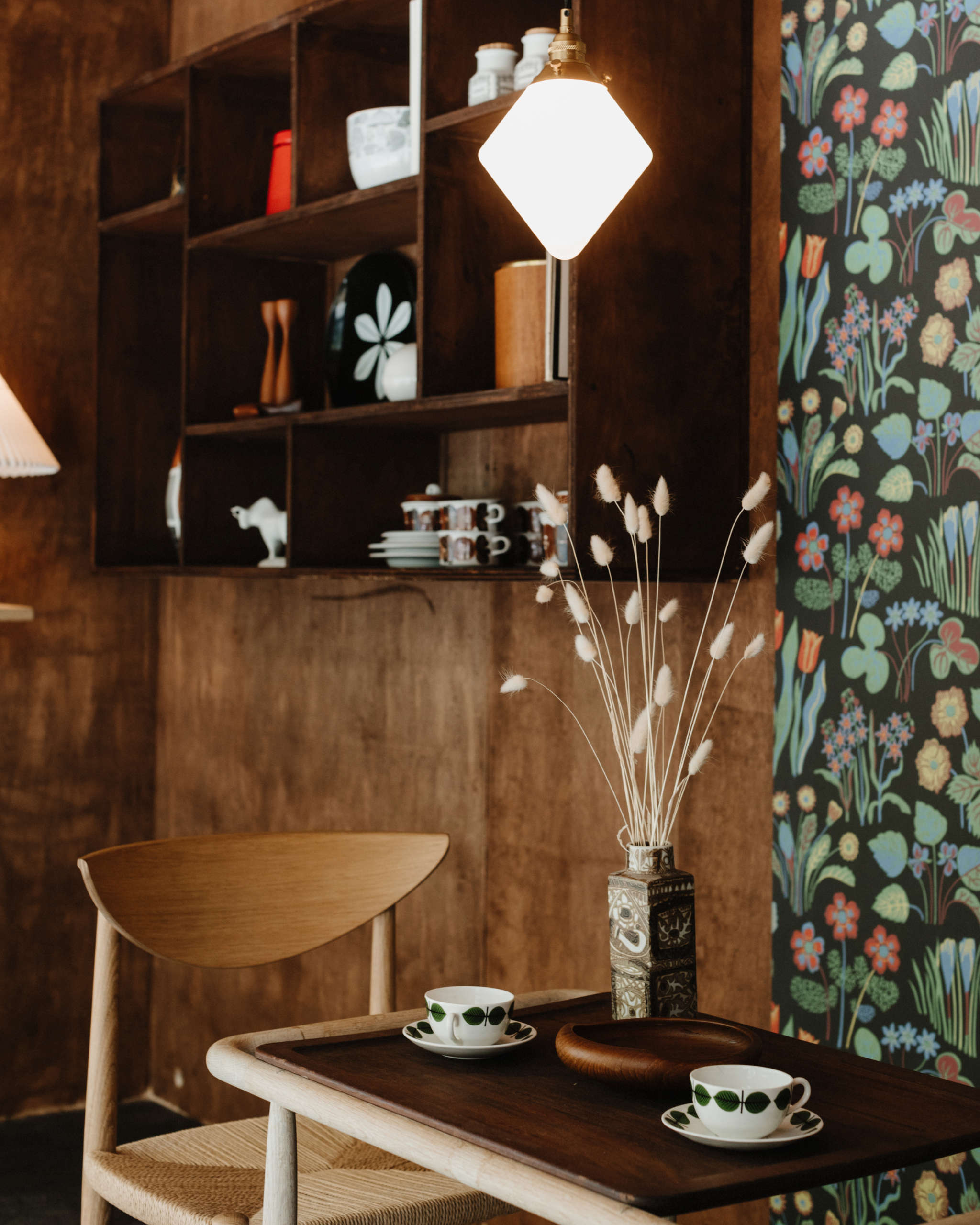
A low stoneware vase can serve as a centerpiece without blocking conversation. Use a single branch, dried grasses, or nothing at all. Many Thorsson pieces are strong enough to stand empty. That is the true test of a great vase: it does not need flowers to have a personality.
On a Sideboard or Credenza
Danish ceramics look especially good on wood. A walnut, teak, or oak surface brings out the warmth in Thorsson’s glazes. Add a lamp, a stack of magazines, and one sculptural object. Then stop. The biggest decorating mistake with collectible ceramics is crowding them until they look like they are waiting in line at the post office.
Care and Cleaning Tips
Vintage ceramics deserve gentle treatment. Dust a Nils Thorsson vase with a soft cloth or brush. For light cleaning, use lukewarm water and mild soap, then dry carefully. Avoid dishwashers, harsh chemicals, abrasive pads, and dramatic sink gymnastics. If the vase has crazing, cracks, or restoration, keep water exposure minimal.
Using It With Flowers
Before using a vintage vase with fresh flowers, check whether the interior is fully glazed and watertight. Some older ceramics may seep slightly or have internal wear. Test with water on a safe surface for several hours before placing it on wood furniture. When in doubt, use a discreet glass liner.
Storing and Displaying
Display the vase away from high-traffic edges, curious pets, and children practicing indoor sports. If you live in earthquake-prone areas or have a cat with the confidence of a demolition contractor, museum putty can be your best friend.
Why Nils Thorsson Still Feels Modern
Great design survives fashion because it solves more than one problem. A Nils Thorsson vase is decorative, useful, collectible, historical, and emotionally satisfying. It brings handmade warmth into a clean interior and gives traditional rooms a touch of modern discipline. That flexibility explains why his ceramics continue to appear in design shops, auction catalogs, and stylish homes.
His work also fits today’s preference for objects with stories. Buyers increasingly want pieces that feel less disposable and more intentional. A Thorsson vase offers exactly that: Danish design heritage, visible craftsmanship, and enough visual subtlety to keep you interested for years.
Buying Checklist for Collectors
Before You Purchase
Ask yourself five practical questions. Is the vase clearly marked? Are the photos sharp, especially the base and rim? Is the condition fully described? Does the price make sense compared with similar sold examples? Do you genuinely love the piece, or are you just excited because the listing says “rare” in capital letters?
Best Search Terms
Useful search terms include Nils Thorsson stoneware vase, Nils Thorsson Royal Copenhagen vase, Nils Thorsson Baca vase, Royal Copenhagen Baca vase, Aluminia Nils Thorsson vase, Danish modern ceramic vase, and mid-century Scandinavian pottery. Searching with model numbers can also help once you know the pattern or form you want.
Personal Experience: Living With a Nils Thorsson Stoneware Vase
The first thing you notice when living with a Nils Thorsson stoneware vase is that it changes throughout the day. Morning light may reveal the texture of the glaze. Afternoon shade may make the form look heavier and more sculptural. At night, under a warm lamp, the same vase can feel like a small architectural object. This is why photographs rarely tell the whole story. A good Thorsson vase has presence, and presence is difficult to capture in a listing photo taken on someone’s kitchen counter beside a banana.
One of the most enjoyable experiences is styling it in different rooms. On a bookshelf, it feels intellectual and collected. On a bedside table, it becomes quiet and personal. On a dining sideboard, it looks elegant but not fussy. Unlike some decorative antiques, it does not require a formal setting. It can sit comfortably beside modern furniture, handmade textiles, vintage glass, or even contemporary art prints. That adaptability makes it easy to live with, not just admire.
Another pleasure is the tactile quality. You may find yourself picking it up more than expected, not carelessly, of course, but with that collector’s ritual of turning it over, studying the base, checking the glaze, and appreciating the weight. Stoneware has a grounded feeling. It does not feel fragile in the same way thin porcelain does, although it still deserves respect. The material gives the vase a sense of permanence, as if it has already survived decades and is calmly prepared to outlast your current sofa.
Owning one also teaches patience. The best pieces are not always the first ones you find. Some listings are overpriced. Some have poor condition. Some are misidentified. Some are wonderful but simply not your taste. The search becomes part of the enjoyment. You learn the difference between Baca and Tenera, between stoneware and faience, between a common small vase and a more unusual glaze. Slowly, your eye improves. Suddenly, you can spot a Royal Copenhagen base mark from a blurry estate-sale photo like a ceramic detective with questionable weekend plans.
The final experience is emotional. A Nils Thorsson vase brings a small dose of design history into daily life. It is not just an object; it is evidence of a time when factories employed serious artists, when production ceramics could still feel individual, and when a vase could be both useful and quietly poetic. You may buy it for the name, the mark, or the investment potential, but you keep it because it makes a corner of your home feel more considered. That is the true value of good design: it improves the room without making a speech.
Conclusion: A Collectible Vase With Lasting Character
A Nils Thorsson stoneware vase is more than a decorative accent. It is a piece of Danish ceramic history, a study in form and glaze, and a highly livable collectible. Whether you prefer the earthy modernism of Baca, the lively decoration of Tenera, the warm character of Marselis, or the subtle beauty of earlier stoneware, Thorsson’s work offers something rare: sophistication without stiffness.
For new collectors, the best advice is simple. Learn the marks, study the condition, compare prices, and buy the piece that keeps pulling your eye back. A vase does not need to be the rarest example in the world to be worth owning. It only needs authenticity, quality, and that little spark of visual magnetism that makes you pause every time you pass the shelf.
Note: This article is written for publishing use and is based on verified design-history and vintage-market information about Nils Thorsson, Royal Copenhagen, Aluminia, and related Danish ceramic series.












