
Note: This article is written in standard American English, based on real home-decor principles, seasonal styling advice, and practical spring mantel examples. It is fully rewritten for web publication and does not include source links inside the article body.
Introduction: The Mantel Was Empty, and Then Spring Judged Me
There comes a moment every spring when the house starts whispering, “Could we maybe look alive again?” The throw blankets are tired. The pinecones have overstayed their welcome. The fireplace mantel, once proud under winter garland and holiday sparkle, suddenly looks like it forgot to pay rent. That is when the idea appears: a spring mantel refresh.
In theory, decorating a spring mantel sounds easy. Add flowers. Add candles. Maybe lean a mirror. Smile like a lifestyle influencer who owns exactly one tasteful watering can and never loses scissors. In real life, however, spring mantel decor can become a small theatrical production starring lopsided tulips, one suspiciously aggressive bunny figurine, and a vase that looked charming at the store but now resembles a ceramic traffic cone.
Still, a spring mantel is one of the easiest ways to wake up a room without painting walls, buying new furniture, or pretending you suddenly understand electrical work. The fireplace is already a natural focal point. A few thoughtful layers, a lighter color palette, some greenery, and personal objects can make the living room feel fresh, cheerful, and intentional. The best part? It does not need to be perfect. In fact, “Spring Mantel; I tried.” might be the most honest design philosophy of all.
What Makes a Spring Mantel Actually Work?
A successful spring mantel is not simply a shelf with flowers. It is a small composition. Think of it as a tiny stage where every object gets a role. The mirror is the lead actor. The greenery is the charming supporting cast. The candleholders are the tall, elegant extras. The random ceramic bird you found in a storage bin is either comic relief or evidence that you should label boxes better.
Designers often rely on several core principles when styling mantels: balance, scale, layering, texture, color, and personality. Those words sound fancy, but they are surprisingly practical. Balance keeps one side from looking like it is emotionally carrying the entire room. Scale prevents tiny objects from disappearing under a large mirror. Layering gives depth. Texture keeps the display from feeling flat. Color tells the eye, “Relax, this is spring, not a dentist waiting room.” Personality makes the whole thing feel like your home instead of a furniture catalog that wandered indoors.
Start With a Clear Spring Color Palette
Spring mantel ideas usually begin with color. After months of deep greens, burgundy, black, brass, or holiday red, spring invites the room to breathe. Soft whites, pale blues, sage green, butter yellow, blush pink, lavender, and warm neutrals all work beautifully. The goal is not to turn the mantel into an Easter candy aisle. The goal is to create a lighter mood.
A good rule is to choose three main colors. For example, white, green, and soft blue can create a fresh cottage look. Cream, tan, and blush can feel romantic and understated. White, wood, and bright yellow can bring farmhouse energy without requiring anyone to own chickens. If you already have a colorful living room, use the mantel to echo those tones in a softer way. If your room is neutral, the mantel can carry the seasonal color.
Example Palette: Calm and Natural
Try a white vase, eucalyptus stems, light wood frames, a linen ribbon, and one small blue ceramic accent. This combination feels airy, relaxed, and easy to live with. It says, “I welcome spring,” not “I panicked at the craft store.”
Example Palette: Cheerful and Bright
Use yellow tulips, white candlesticks, a colorful landscape print, and a few green glass bottles. This look is sunny and optimistic. It is especially useful if your home still feels gray after winter and needs a gentle visual pep talk.
Choose One Anchor Piece First
Before adding every pretty object you own, choose an anchor. This is the main piece that gives the spring mantel structure. Common anchor pieces include a large mirror, framed artwork, a wreath, a vintage window frame, a botanical print, or an oversized vase arrangement.
The anchor should fit the size of the mantel and the wall above it. A tiny picture floating above a wide fireplace can look lonely, like it showed up to a party where everyone else canceled. A giant mirror crammed into a small space can feel dramatic in a “please move before something falls” way. Aim for proportion. The anchor should visually connect the mantel to the room without overwhelming it.
Mirrors are especially useful because they reflect light, which supports that spring feeling of brightness. Artwork can bring color and personality. A wreath offers instant seasonal charm. If you prefer a casual style, lean framed art against the wall instead of hanging it. Leaning art creates a relaxed, collected look and makes it easier to change the mantel later.
Layer Like You Mean It
Layering is the secret difference between “decorated” and “I put things on a shelf and hoped for mercy.” Start with the tallest or largest item in the back. Then add medium-height pieces in front or to the side. Finish with smaller accents near the front edge.
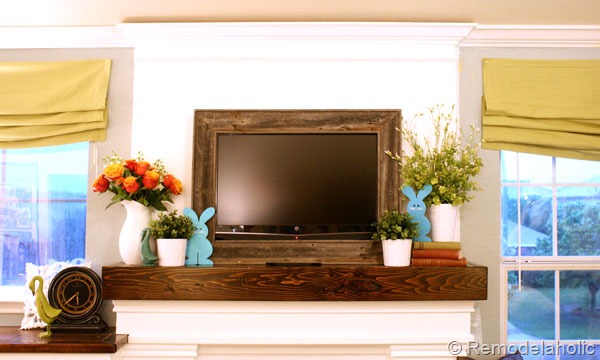
For a spring mantel, layering might look like this: a large round mirror in the center, two botanical prints leaning slightly in front of it, a vase of branches on one side, candlesticks on the other, and a small bowl or ceramic bird near the front. Nothing has to be perfectly symmetrical. In fact, a little asymmetry often feels more modern and natural.
The trick is to create movement. Your eye should travel from one object to another without getting stuck. Vary the height of items. Mix shapes. Use tall stems, low bowls, round mirrors, rectangular frames, and curved vases. A mantel filled with objects of the same height can feel like a tiny fence. A mantel with varied levels feels alive.
Bring in Flowers and Greenery
Spring mantel decor without flowers is legal, but it does raise questions. Fresh flowers are the fastest way to create a seasonal mood. Tulips, daffodils, ranunculus, cherry blossoms, lilacs, and simple garden greenery all work well. Even a few branches clipped from the yard can look beautiful in a tall vase.
If fresh flowers are not practical, high-quality faux stems are a perfectly respectable choice. Nobody needs to know. This is between you, your mantel, and the dust cloth. Faux greenery can also be reused year after year, which makes it budget-friendly. The key is to bend and shape stems so they do not look like they were recently freed from plastic packaging.
Small bud vases are another simple option. Instead of one large arrangement, place three or five small vases across the mantel. Add one or two stems to each. This creates rhythm and charm without requiring advanced floral design skills. It also lets you use short stems that might otherwise look awkward in a big vase.
Use Texture to Avoid the “Flat Shelf” Problem
Texture is what makes a spring mantel feel interesting up close. Smooth ceramic, woven baskets, carved wood, glass, linen ribbon, aged brass, stone, and greenery all add different surfaces for the eye to enjoy. Without texture, even a pretty mantel can look flat.
Try pairing glossy white vases with rough wood frames. Combine clear glass with soft fabric. Add a woven tray or small rattan accent for warmth. If your mantel is painted white, natural wood and greenery can keep it from looking too sterile. If your fireplace is brick or stone, lighter ceramics and glass can soften the look.
Texture is also a great way to decorate without using too much color. A neutral spring mantel can still feel rich if it includes linen, branches, pottery, books, and woven elements. This is especially helpful for homeowners who love calm interiors but still want a seasonal refresh.
Spring Mantel Decor Styles That Actually Look Good
There is no single correct way to style a spring mantel. The best approach depends on your home, your taste, and how many decorative rabbits you are emotionally prepared to display. Below are several spring mantel styles that work well in real homes.
1. Simple Cottage Spring Mantel
A cottage-style spring mantel feels soft, casual, and collected. Use botanical prints, white pitchers, small vases, vintage books, and fresh greenery. Keep colors gentle: cream, sage, pale blue, and warm wood tones. The look should feel like you found everything at a charming flea market, even if half of it came from the back of a closet.
2. Modern Minimalist Spring Mantel
For a modern look, use fewer pieces. Choose one large abstract artwork, a sculptural vase, and a single branch arrangement. Keep the lines clean. Avoid clutter. Minimalist spring mantel decor works best when every object has strong shape and presence. The mantel should look edited, not empty.
3. Farmhouse Spring Mantel
Farmhouse mantel decor often includes wood, greenery, metal accents, and vintage-inspired pieces. A window frame, eucalyptus garland, galvanized container, or weathered wood sign can work well. To keep it from feeling too predictable, add something fresh: real tulips, a modern lamp, or a simple landscape painting.
4. Elegant Spring Mantel
An elegant spring mantel leans on symmetry, soft color, and refined materials. Use matching candlesticks, a statement mirror, pale florals, and glass or brass accents. This style works beautifully in formal living rooms. Just avoid over-polishing it. A little looseness in the flowers keeps the arrangement from looking like it is preparing for a royal inspection.
5. Playful Family Spring Mantel
For a family home, let the mantel have personality. Add framed children’s art, a cheerful garland, colorful eggs during Easter season, or a small handmade sign. The goal is warmth, not showroom perfection. A mantel can be stylish and still admit that real people live nearby and occasionally leave socks on the sofa.
What Not to Put on a Spring Mantel
A mantel is decorative, but it is also near a fireplace. Safety matters. Avoid placing flammable materials too close to open flames. If you use candles, make sure they are stable and never leave them burning unattended. Flameless candles are a smart choice if you want glow without drama.
Also avoid overcrowding. Too many tiny items can make the mantel look busy and dusty. If everything is special, nothing gets noticed. Choose fewer pieces and give them breathing room. Heavy objects should be secure, especially if children, pets, or enthusiastic dusting are part of your household ecosystem.
Sentimental items can be lovely, but heat and soot may damage delicate photographs, papers, or antique textiles over time. Use copies of photos instead of originals when possible. The mantel should celebrate memories, not slowly roast them.
Budget-Friendly Spring Mantel Ideas
You do not need a luxury shopping spree to create a beautiful spring mantel. Start by shopping your house. Look for books with pretty covers, vases, bowls, framed art, baskets, candles, and small objects you already own. Move items from bedrooms, bookshelves, or entry tables. Sometimes a piece looks boring in one room and brilliant on the mantel.
Next, add nature. Branches, greenery, and seasonal flowers can transform the display. Grocery-store tulips are affordable and effective. A few clipped branches in a tall vase can look designer-level with almost no effort. This is especially satisfying because branches do not ask why you have three unused wreaths in storage.
Printable art is another budget-friendly option. Botanical prints, landscapes, or simple line drawings can be framed inexpensively. Thrift stores are also excellent sources for mirrors, candlesticks, frames, and vases. A coat of paint can update an old frame or mismatched candleholder.
A Step-by-Step Spring Mantel Formula
If you want a practical formula, try this:
Step 1: Clear Everything Off
Begin with a blank mantel. Dust it. Admire the clean surface for six seconds before covering it again. This gives you a fresh start and helps you see the proportions of the space.
Step 2: Add the Anchor
Place a mirror, artwork, wreath, or large frame in the center or slightly off-center. This gives the design a strong foundation.
Step 3: Add Height
Use tall candlesticks, branches, lamps, or a vase to create vertical interest. Height prevents the mantel from looking squat.
Step 4: Add Greenery or Flowers
Bring in fresh or faux stems. Let them soften the lines and add movement. Spring is not shy; it likes a little leaf action.
Step 5: Add Smaller Accents
Layer in books, bowls, small frames, ceramic pieces, or seasonal objects. Keep these accents intentional. The mantel is not a lost-and-found shelf.
Step 6: Edit Ruthlessly
Step back. Remove one or two items. Then step back again. The best mantel often appears after you stop adding and start subtracting.
How to Make a Spring Mantel Feel Personal
The most memorable mantels include something personal. Maybe it is a framed family photo, a small painting from a local artist, a vase inherited from a grandparent, or a shell collected on a spring trip. Personal pieces keep seasonal decor from feeling generic.
However, personal does not mean cluttered. Choose one or two meaningful objects and give them space. A spring mantel should feel like your life, lightly edited. It does not need to display every memory, hobby, and ceramic animal you have ever met.
If your style is humorous, let that show. A tiny bird figurine, a cheeky sign, or a slightly imperfect handmade object can make the mantel feel warm. Good design does not have to be humorless. In fact, a room with no personality is just a hotel lobby waiting for a conference.
Common Spring Mantel Mistakes
The first mistake is using objects that are too small. A mantel is usually viewed from across the room, so tiny pieces can disappear. Use larger items as the foundation, then add smaller accents sparingly.
The second mistake is perfect symmetry everywhere. Symmetry can be beautiful, especially in formal rooms, but too much can feel stiff. Try matching candlesticks on both ends, then add an off-center vase or layered art to loosen the look.
The third mistake is ignoring the fireplace below. The mantel and hearth should relate to each other. If the mantel is light and floral, the hearth can include a basket, lanterns, or stacked books to ground the display. If the hearth is empty, the mantel may look like it is floating above a forgotten cave.
The fourth mistake is decorating only for a holiday instead of the whole season. Easter accents are fun, but if every object screams “bunny parade,” the mantel may feel outdated the day after Easter. Use a spring foundation of flowers, greenery, and soft colors, then add small holiday details that are easy to remove.
My Experience: Spring Mantel; I Tried
My own spring mantel attempt began with confidence, which is always the first warning sign. I had seen enough beautiful mantel photos to believe I understood the assignment. There would be flowers. There would be balance. There would be a moment when sunlight hit the mirror and the room looked casually elegant, as if I regularly say things like “I just clipped these branches from the garden” instead of “Where did I put the tape?”
I started by removing the winter decor. This sounds simple, but winter decor multiplies when no one is watching. I found two candleholders, a dusty garland, three pinecones, one ornament that had clearly escaped Christmas storage, and a decorative object I could no longer identify. It might have been rustic. It might have been broken. Design is mysterious that way.
Once the mantel was empty, I felt powerful. Then I felt alarmed. An empty mantel reveals every proportion problem in the room. The wall looked larger than expected. The fireplace looked serious. The mantel itself looked like it had been waiting years for competent leadership.
I chose a mirror as the anchor because mirrors are forgiving. They reflect light, add height, and make you feel like you made a design decision even if you mostly just leaned something against a wall. Next, I added a vase with faux cherry blossom stems. I bent the branches carefully because straight faux stems have a way of announcing, “I arrived in a box.” After some shaping, they looked softer and more natural.
Then came the candlesticks. I placed one on each side, stepped back, and immediately realized the display looked too formal. It had the energy of a mantel waiting for a piano recital. So I moved one candlestick closer to the center and stacked two old books underneath the other. Suddenly, the arrangement felt more relaxed. Not perfect, but less like it wanted me to sit up straight.
I added a small ceramic bird because spring. Also because I already owned it and wanted to justify that decision. At first, the bird looked adorable. Then I added a small bowl, a framed print, and a tiny vase, and the bird began to look like it was trapped in a yard sale. That was the moment I learned the value of editing. I removed the bowl. Then the tiny vase. The bird survived. Barely.
The biggest surprise was how much difference greenery made. Before the greenery, the mantel looked arranged. After the greenery, it looked alive. A simple eucalyptus garland softened the straight line of the shelf and connected the objects. I tucked it lightly behind the candlesticks and let one end trail down slightly. That little imperfect curve made the whole display feel less staged.
I also learned that spring mantel decorating is best done in rounds. The first version is usually too much. The second version is better. The third version, after coffee and mild self-reflection, is the one worth keeping. Taking photos helped, too. A mantel can look fine in person but strangely chaotic in a picture. The camera is rude, but useful.
By the end, my spring mantel was not magazine-perfect. The flowers leaned a little more than planned. The books were old paperbacks hidden under a linen napkin. The ceramic bird looked mildly suspicious. But the room felt fresher. The mantel finally looked like spring had stopped by, taken off its shoes, and decided to stay for tea.
That, to me, is the real success of seasonal decorating. It is not about perfection. It is about noticing your home again. A spring mantel gives you a small, manageable place to refresh your surroundings. It lets you experiment with color, nature, texture, and memory. It lets you try. And honestly, “I tried” is a perfectly valid design style when the result makes you smile.
Conclusion: A Spring Mantel Should Feel Fresh, Not Forced
A beautiful spring mantel does not require professional styling, rare antiques, or flowers flown in by a suspiciously elegant courier. It requires a clear anchor, a light seasonal palette, a bit of greenery, thoughtful layering, and the courage to remove the extra stuff. The best spring mantel decor feels fresh, personal, and easy to live with.
Whether your style is cottage, farmhouse, modern, elegant, playful, or “I found this in the garage and I believe in it,” the mantel can become a cheerful seasonal focal point. Start simple. Add height. Bring in flowers. Use texture. Edit more than you think you need to. Most importantly, let the display feel like your home.
Spring is not about flawless decorating. It is about renewal. It is about opening windows, letting in light, and giving your living room a reason to stop looking like February. So yes: spring mantel; I tried. And sometimes, trying is exactly what makes a home feel alive.













