
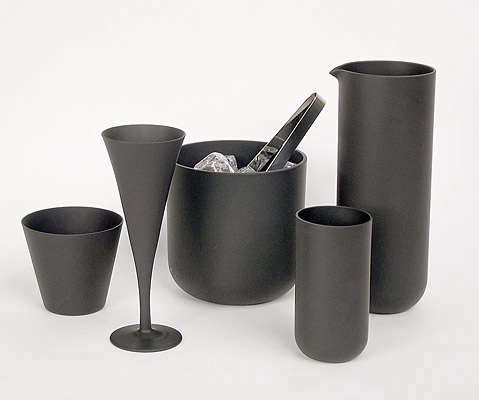
Sugahara Matte Black Glassware is the rare tabletop collection that manages to look dramatic without behaving like a diva. It does not sparkle across the room shouting, “Look at me!” Instead, it sits quietly on the table with the confidence of a perfectly tailored black suit. Then someone picks it up, feels the silky matte surface, notices the feather-light balance, and suddenly the water glass has become the most interesting guest at dinner.
For anyone building a modern tabletop, upgrading a home bar, or searching for Japanese handmade glassware that feels both sculptural and useful, Sugahara’s matte black pieces are worth a long look. The collection brings together deep opaque color, clean silhouettes, and a hand-finished texture that plays beautifully with food, candlelight, wood, stone, linen, and stainless steel. It is minimalist, yes, but not cold. It is luxurious, but not flashy. It is basically the tabletop equivalent of ordering an espresso after dinner and actually meaning it.
What Is Sugahara Matte Black Glassware?
Sugahara Matte Black Glassware refers to a series of handcrafted black glass drinkware and tabletop pieces made by Sugahara Glassworks, also known as SGHR Sugahara. The brand began in Japan in 1932 and has built its reputation around handmade glassware for everyday dining, entertaining, and interior use. Unlike ordinary black-coated glass, many Sugahara matte black pieces are made from glass that is black through the material itself, often created by blending different glass colors and shaping them by hand.
The result is not a shiny, lacquer-like black. It is softer and more architectural. The surface looks frosted, satin, and slightly mysterious. It reflects just enough light to reveal its shape, but not so much that it competes with the food or drink inside. The most recognized pieces include matte black tumblers, old fashioned glasses, sake cups, sake bottles, pitchers, ice buckets, vases, and small tabletop accessories.
The Craft Story Behind SGHR Sugahara
Sugahara Glassworks is rooted in Japanese craft traditions, but its designs feel surprisingly contemporary. The company is known for giving artisans an important role not only in production but also in product development. That matters because glass is not the easiest material to boss around. It must be heated, gathered, blown, shaped, cooled, and finished with careful timing. When it is opaque black, the challenge increases because the maker cannot rely on transparency to judge thickness and form in the same way they might with clear glass.
That is one reason Sugahara matte black glassware has such a distinctive presence. Each piece carries small signs of handwork: subtle variations in shape, tiny bubbles, delicate lines, and slight differences in weight or thickness. These are not defects. They are the fingerprints of the process. In a world full of identical machine-made objects, a little irregularity feels refreshing. Your tumbler may not look exactly like the one beside it, and that is part of the charm.
Why Matte Black Works So Well on the Table
Matte black has become a favorite finish in modern interiors because it adds depth without adding visual noise. On the tabletop, the effect is even stronger. Clear glass disappears; glossy glass sparkles; matte black glass anchors the setting. It gives a simple table an instant focal point, especially when paired with white plates, pale linen, warm wood, or brass flatware.
With Sugahara, the black finish feels less like a trend and more like a design language. A matte black tumbler beside a ceramic plate creates contrast. A black pitcher on a marble counter looks gallery-ready. A sake cup next to a small dish of pickles or sashimi feels quiet and intentional. Even a glass of water feels slightly more theatrical, which is great news for those of us whose weeknight dinner sometimes involves noodles, leftovers, and optimism.
A Color That Makes Food Look Better
Black tabletop pieces can make food and drinks appear more vivid. Citrus slices look brighter, ice looks sharper, and pale drinks become more intriguing because the vessel hides some of the visual information. When you serve sparkling water in clear glass, everyone knows exactly what is happening. When you serve it in a matte black tumbler, suddenly there is suspense. Is it water? A cocktail? A secret potion for surviving dinner with relatives? The glass is not telling.
Texture Without Clutter
One of the strongest qualities of Sugahara matte black glassware is its texture. The frosted surface adds tactile interest without needing pattern or decoration. This is especially useful for minimalist homes, Japandi interiors, modern kitchens, and dining rooms where the goal is warmth without clutter. The glassware brings visual depth while keeping the overall table calm.
Popular Sugahara Matte Black Pieces
The collection includes several forms that suit different drinking and serving rituals. A matte black old fashioned glass works beautifully for whiskey, lowball cocktails, sparkling water, or even a small dessert. Sugahara tumblers are available in different capacities, making them suitable for wine, iced tea, cocktails, mineral water, and everyday use. The slim matte black pitcher is one of the standout pieces because it has a tall, elegant profile and enough restraint to look at home on both a dinner table and a bar cart.
The sake glass and sake bottle are especially appealing for collectors of Japanese tableware. They carry the quiet precision of traditional service, but the black surface gives them a modern edge. The matte black ice bucket completes the barware story, adding a heavier, more grounded piece to the collection. Together, the pitcher, tumblers, and ice bucket can turn an ordinary home bar into something that looks curated instead of “I found this tray in the closet five minutes before guests arrived.”
How to Style Sugahara Matte Black Glassware
Sugahara matte black glassware is versatile, but it looks best when it has room to breathe. Because the pieces are visually strong, you do not need to overcrowd the table. Start with one or two black glass elements and build around them.
For a Minimalist Dinner Table
Pair matte black tumblers with white ceramic plates, natural linen napkins, and simple stainless steel flatware. Add one low centerpiece, such as a ceramic bowl of seasonal fruit or a small arrangement of branches. The glassware will provide enough contrast to make the table feel designed, but not staged.
For a Moody Cocktail Setting
Use the old fashioned glasses with a black or dark walnut tray, a few clear ice cubes, and a small dish of citrus peels. If you have the matte black pitcher or ice bucket, place it slightly off-center so the table does not look too symmetrical. Moody bar styling works best when it feels relaxed, not like a hotel lobby trying too hard.
For Japanese-Inspired Dining
Combine the sake cup and bottle with small ceramic plates, chopstick rests, lacquered trays, and low bowls. Matte black glass pairs especially well with stoneware in gray, cream, rust, or indigo. The result feels intimate, refined, and deeply suited to slow meals.
For Everyday Use
Do not save beautiful glassware only for guests. A single Sugahara tumbler can make morning cold brew, evening sparkling water, or a casual glass of wine feel more intentional. Everyday use is where handmade objects earn their place. Besides, if you are going to drink water eight times a day, you may as well let the glass have a little personality.
What Makes It Different From Ordinary Black Glassware?
The main difference is material honesty. Many black drinkware products rely on surface coatings or heavy decorative finishes. Sugahara matte black pieces are valued because the depth of color is part of the glass experience itself, and the pieces are shaped by artisans rather than stamped out in perfect uniformity. This gives them a lighter, more refined feel than many mass-produced alternatives.
The touch is also distinctive. The matte surface is smooth rather than chalky. It has a satin quality that makes people want to hold it longer than necessary, which is the unofficial test of good drinkware. If a glass feels pleasant in the hand before anything is poured into it, the design is doing its job.
Who Should Buy Sugahara Matte Black Glassware?
This collection is best for people who appreciate design, craftsmanship, and tabletop objects that can move between daily use and special occasions. It suits collectors of Japanese glassware, fans of minimalist home decor, cocktail enthusiasts, and anyone who wants a dining table that feels quietly memorable.
It may not be the right choice for households that need dishwasher-safe, kid-proof, stackable glassware for heavy daily traffic. Sugahara pieces are made to be used, but they deserve mindful care. Think of them as functional art, not fragile museum props. You can drink from them, serve from them, and enjoy them regularly, but tossing them into a crowded sink with metal utensils is a tiny tragedy waiting to happen.
Care Tips for Matte Black Handmade Glass
Handmade glassware should be treated gently. Wash Sugahara matte black pieces by hand with a soft sponge and mild dish soap. Avoid abrasive pads, harsh cleaners, and metal scrubbers, which can scratch the surface. Do not expose the glass to sudden temperature changes, such as pouring boiling liquid into a cold vessel. Let pieces air dry or dry them with a soft towel, and store them with enough space to prevent chipping.
Because matte surfaces can show fingerprints or water marks more easily than glossy clear glass, a final wipe with a lint-free cloth helps restore the soft finish. This small step makes a big difference, especially before hosting. Nobody wants their elegant Japanese glassware to look like it just came back from a fingerprinting appointment.
Is Sugahara Matte Black Glassware Worth It?
For buyers who only want basic drinking glasses, Sugahara matte black glassware will probably feel like a luxury. For buyers who care about handcraft, design, and the atmosphere of a table, it can be a very worthwhile investment. The pieces are not merely containers. They change the way drinks are presented, how a table feels, and how guests interact with the setting.
The strongest argument for Sugahara is that it combines visual impact with daily usability. Some designer tableware looks stunning but awkward. Some everyday drinkware is practical but forgettable. Sugahara’s matte black pieces sit in the sweet spot between those extremes. They are beautiful enough to impress guests and simple enough to use on a Tuesday.
Best Ways to Build a Collection
If you are new to Sugahara Matte Black Glassware, begin with one versatile piece. A tumbler or old fashioned glass is the easiest entry point because it can handle water, cocktails, whiskey, wine, or nonalcoholic drinks. From there, add a pitcher if you host often, or a sake set if Japanese dining is part of your routine. The ice bucket is a statement piece for serious entertaining, while matte black vases and tabletop accessories can extend the look beyond drinkware.
A complete set is lovely, but mixing is often more interesting. Two matte black glasses beside two clear handmade glasses can look more relaxed than a perfectly matched table. Combining Sugahara with ceramics, wood, linen, and stone prevents the black from feeling too severe. The goal is not to make the table look like a secret society meeting. Unless, of course, the secret society has excellent snacks.
Experience: Living With Sugahara Matte Black Glassware
The first thing you notice about Sugahara Matte Black Glassware is not the color. It is the quietness. A clear glass announces itself through sparkle, clink, and reflection. Matte black glass does almost the opposite. It absorbs attention before it gives anything back. Set one on a table, and the surrounding objects suddenly look more intentional. A white plate looks whiter. A wooden table looks warmer. A lemon twist looks like it hired a publicist.
Using the glassware changes small routines. Pouring water into a matte black tumbler feels more deliberate because you cannot see the liquid level as easily from the side. You pay attention. You tilt the glass, listen to the pour, and stop by instinct. That may sound overly poetic for hydration, but it is exactly the sort of small sensory shift that makes handmade tabletop objects enjoyable. The glass asks you to slow down by about three seconds, which is not a huge lifestyle revolution, but it is a pleasant one.
At dinner, the pieces work especially well when the food is colorful. A tomato salad, grilled corn, roasted carrots, sushi, citrus desserts, or even a bowl of green olives seems brighter next to the black surface. For drinks, the experience is more mysterious. A whiskey cocktail in a clear glass shows amber, ice, garnish, and dilution. In a matte black old fashioned glass, the drink becomes less visual and more tactile. You notice the rim, the weight, the coldness, and the aroma first. It turns the drink into a small reveal.
Guests tend to pick up the glass and pause. That pause is the best review. People may not know the brand, the history, or the technique, but they understand when an object feels good. The silky finish invites touch without feeling slippery. The thin rim feels refined. The lightness surprises people who expect black glass to feel heavy. It is the kind of object that starts a conversation naturally, not because it is loud, but because it is unusual in a confident way.
The pitcher is particularly satisfying for hosting. It looks tall and serious, yet it is practical for water, batch cocktails, iced tea, or a nonalcoholic spritz. On a table with candles, the surface catches a faint shimmer, almost like polished stone. It does not dominate the setting, but it gives the whole table a point of view. Even if the meal is simple, the pitcher makes the arrangement feel considered.
There are practical lessons too. Matte black glass rewards careful handling. It should not be stacked carelessly, tossed in the dishwasher, or scrubbed with anything aggressive. After washing, drying it with a soft cloth keeps the surface looking its best. This is not difficult, but it does create a small ritual. You wash, dry, inspect, and place it back with a little space around it. That ritual is part of the ownership experience.
Over time, Sugahara matte black glassware feels less like special-occasion decor and more like a favorite tool. It is elegant, but it does not need ceremony. Use it for sparkling water while cooking. Use it for a small pour of sake. Use it for iced coffee on a slow Sunday. The more naturally it enters daily life, the better it becomes. A beautiful object kept in a cabinet is decoration. A beautiful object used often becomes part of the home.
Final Thoughts
Sugahara Matte Black Glassware is a strong choice for anyone who wants tabletop design with craft, texture, and atmosphere. It brings Japanese handmade glass into modern dining without feeling precious or old-fashioned. The matte black finish is bold, but the forms are restrained. The pieces can dress up a cocktail hour, refine a sake service, or make a simple dinner feel quietly special.
In the best sense, this glassware does not simply hold a drink. It changes the mood around the drink. It turns the table into a composition, the hand into part of the experience, and the everyday pour into something worth noticing. That is a lot of work for a tumbler, but Sugahara seems perfectly comfortable with the assignment.












