
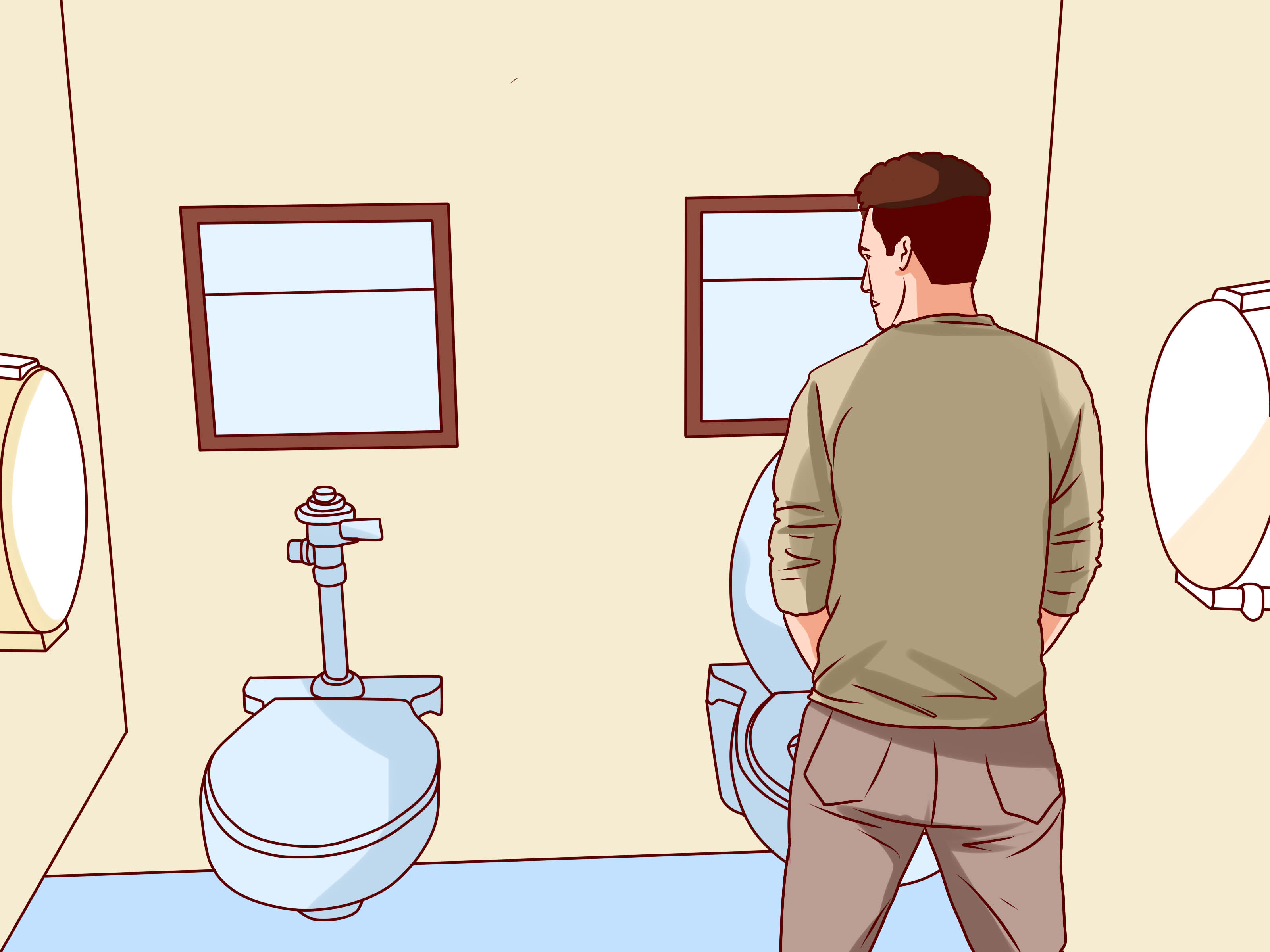
Let’s start with the truth nobody wants to announce over brunch: peeing near other people can feel weird. For some people, it is mildly awkward. For others, it feels like their bladder has joined a labor union, gone on strike, and refuses to negotiate until the bathroom is completely empty.
If you struggle to urinate in public restrooms, shared bathrooms, medical testing situations, stadium bathrooms, office restrooms, or anywhere people might hear you, you are not broken. You may be dealing with what is commonly called shy bladder or paruresis, a form of bathroom anxiety where the body has trouble starting urine flow when others are nearby. The good news: this problem is common, understandable, and often highly workable with the right approach.
This guide covers 5 ways to be comfortable urinating in front of peopleor more accurately, being comfortable urinating when people are nearby, because privacy still matters. We are not talking about turning public urination into a lifestyle brand. We are talking about handling normal situations: public restrooms, urinals, stalls, travel stops, shared homes, sports venues, medical appointments, and workplaces.
Before we get into the practical strategies, one important note: if you suddenly cannot urinate, have severe lower abdominal pain, see blood in your urine, feel burning, have fever, or notice a major change in your urinary habits, talk with a healthcare professional promptly. Anxiety can affect urination, but urinary hesitancy can also come from infections, prostate issues, medications, pelvic floor problems, or other medical causes. Bladders are dramatic, but sometimes they are also sending a real message.
Why It Can Feel Hard to Pee Around Other People
Urinating seems simple until your brain makes it a group project. In a relaxed situation, your nervous system allows the muscles around the bladder and urethra to coordinate smoothly. When anxiety kicks in, the body may tighten up. Your mind starts scanning for danger: “Can they hear me?” “Am I taking too long?” “What if someone notices?” Suddenly, the bathroom feels less like a bathroom and more like a tiny theater where your bladder has forgotten its lines.
For people with shy bladder syndrome, the fear is not usually about urine itself. It is often about being judged, watched, rushed, overheard, or trapped in a situation where the body will not cooperate. This can lead to avoidance: skipping fluids, choosing only single-user bathrooms, avoiding travel, timing bathroom breaks around crowds, or leaving events early. These tricks may work short term, but they can train the brain to see normal bathrooms as threats.
The goal is not to force yourself into terrifying situations overnight. The goal is to teach your body, step by step, that urinating near others is safe, ordinary, and not nearly as interesting to strangers as your anxious brain insists.
1. Start by Understanding Your Pattern, Not Shaming Yourself
The first way to become more comfortable is to stop treating the problem like a personal failure. Shy bladder is not laziness, weakness, or “being too sensitive.” It is a learned anxiety response. Once you see the pattern clearly, you can work with it instead of yelling at yourself in a restroom stall like a motivational speaker trapped in a tile box.
Identify your bathroom anxiety triggers
Spend a few days observing when urination feels easiest and hardest. You do not need a color-coded spreadsheet unless that brings you joy. Just notice the details:
- Is it harder at urinals than in stalls?
- Is it harder when someone is waiting?
- Does silence make it worse?
- Are certain places, like airports or office bathrooms, especially difficult?
- Can you pee if someone is outside the room but not inside?
- Do you struggle more when you feel rushed?
This helps you separate the problem into levels. Maybe your easiest level is a private home bathroom. Maybe the next level is a single-user restroom in a quiet café. Later, it might be a public restroom with one person at the sink. Eventually, it could be a busy airport bathroom. When you map the ladder, the problem becomes trainable.
Rule out medical causes when needed
If you have always had bathroom anxiety and only struggle when people are nearby, anxiety may be the main driver. But if you also have a weak stream, pain, frequent urgency, dribbling, blood, fever, pelvic pain, or a sudden inability to urinate, do not assume it is “just nerves.” Medical issues can overlap with anxiety. Getting checked is not overreacting; it is good bladder management. Your bladder has one job. Give it decent workplace conditions.
2. Use Graduated Exposure Instead of White-Knuckling It
Graduated exposure is one of the most useful strategies for paruresis and public restroom anxiety. The idea is simple: you practice in situations that are slightly uncomfortable but not overwhelming, then slowly move to harder situations as your confidence grows.
Think of it like learning to swim. You do not start by being dropped into the ocean during shark week. You begin in shallow water, get used to the feeling, and gradually build skill. Bathroom confidence works the same way.
Create a “pee comfort ladder”
Make a list of bathroom situations from easiest to hardest. For example:
- Urinating at home when alone.
- Urinating at home while someone is in another room.
- Urinating at home while someone stands outside the bathroom door.
- Using a single-user public restroom.
- Using a quiet multi-stall restroom.
- Using a public restroom with someone at the sink.
- Using a busier restroom while someone enters or exits.
- Using a urinal or stall in a crowded venue.
Your ladder may look different. That is the point. It should match your real fear levels, not someone else’s heroic restroom fantasy.
Practice when success is likely
Exposure works best when you set yourself up for manageable practice. Drink a normal amount of fluid beforehand so you have a natural urge, but do not overdo it. Overhydrating can be unsafe and can also make the situation feel urgent and panicky. Aim for “I could go” rather than “my bladder is filing a complaint with management.”
During practice, choose one step that creates mild to moderate anxiety. Stay with it long enough for your body to learn that nothing terrible happens. If you urinate, great. If you do not, you still practiced being in the situation. That still counts. The win is not only urine flow; the win is reducing avoidance.
Repeat before leveling up
One successful attempt does not mean you must immediately upgrade to the loudest restroom at a football stadium. Repeat each level until it feels boringor at least less dramatic. Boring is beautiful. In anxiety recovery, boredom is basically a trophy.
3. Calm Your Body Before You Command Your Bladder
If your body is in threat mode, telling yourself “Just pee already” is rarely helpful. That is like yelling “Relax!” at a cat in a thunderstorm. Instead, focus on sending your nervous system calm, specific signals.
Use slow breathing
Before entering the restroom, take a few slow breaths. Try inhaling gently through your nose for four seconds, then exhaling for six seconds. Longer exhales can help your body shift out of high-alert mode. Do this discreetly while walking, washing your hands, or standing in the stall.
Do not turn breathing into another performance test. You are not trying to become a monk beside a hand dryer. You are simply giving your body a cue: “We are safe enough.”
Relax the muscles you can control
Anxiety often tightens the jaw, shoulders, abdomen, glutes, and pelvic floor. You may not be able to directly order your bladder to cooperate, but you can soften the surrounding tension.
- Drop your shoulders.
- Unclench your jaw.
- Let your belly loosen.
- Plant your feet comfortably.
- Stop holding your breath.
If you are in a stall, give yourself a few extra seconds. If you are at a urinal, focus on a neutral spot and let your posture be easy rather than rigid. The body tends to urinate better when it feels unobserved, unrushed, and unbraced.
Use sound wisely
Many people with bathroom anxiety are bothered by silence. If sound helps, choose normal, polite options. Run the sink only when appropriate, flush when finished, or use a stall if it helps you feel less exposed. Some people find that ambient noise in busier restrooms actually helps because nobody can hear anything specific. The hand dryer may be obnoxious, but in this case it can be your roaring bathroom ally.
Avoid turning sound into a superstition. The goal is not “I can only pee if the sink is running at exactly 37 percent pressure.” The goal is to make practice easier while gradually needing fewer safety behaviors over time.
4. Change the Story Your Brain Tells in the Restroom
Bathroom anxiety is powered by scary predictions. Your brain may say, “Everyone knows I am not peeing,” “They think I am strange,” or “I am taking too long.” These thoughts feel convincing because anxiety delivers them with the confidence of a bad weather alert. But confidence is not the same as accuracy.
Challenge the spotlight effect
Most people in public restrooms are focused on themselves. They want to wash their hands, fix their hair, escape the automatic faucet that refuses to acknowledge their existence, and leave. They are not conducting a formal audit of your urine stream.
When you notice self-conscious thoughts, try replacing them with realistic ones:
- “People are not paying as much attention as I feel they are.”
- “Taking a little longer is normal.”
- “I do not need perfect privacy to be safe.”
- “My body can learn this with practice.”
- “This is uncomfortable, not dangerous.”
Do not aim for fake positivity. “I love crowded bathrooms!” may be too much of a lie. Try believable statements. Your brain is more likely to accept “This is awkward, but I can handle it” than “This restroom is my kingdom and I am fearless.”
Shift attention outward
Anxious people often monitor their bodies intensely: “Is it happening? Is it starting? Why not yet? What about now?” Unfortunately, that level of monitoring can keep the body tense. Instead, gently move attention outward.
Try naming five neutral things you notice: tile color, sink shape, air temperature, the hum of a fan, the smell of soap. Or quietly count backward from 100 by threes. The point is not to distract yourself forever. It is to reduce the pressure of watching your bladder like it is trying out for a talent show.
Stop measuring every attempt as pass or fail
With shy bladder, a “failed” attempt can feel humiliating. But recovery improves when you redefine success. Success can be entering the restroom. Success can be staying for 30 seconds. Success can be using a stall instead of leaving immediately. Success can be trying again later without insulting yourself.
Progress is rarely a straight line. Some days your bladder will cooperate like a professional. Other days it will behave like a locked filing cabinet. That does not mean you are back at zero. It means you are human.
5. Build a Practical Bathroom Strategy for Real Life
Confidence grows faster when you combine mental skills with practical planning. The goal is not to organize your entire life around bathrooms. The goal is to reduce panic and increase choices.
Choose smart practice locations
Start with restrooms that feel manageable: libraries, hotel lobbies, quiet stores, gyms during slow hours, or single-user bathrooms. As you improve, practice in slightly busier places. You can even plan “bathroom reps” the way someone plans gym reps. Less glamorous, perhaps, but very useful.
Use privacy without hiding forever
Stalls are fine. Single-user restrooms are fine. Choosing a quieter bathroom is fine. Privacy is not the enemy. The issue is when privacy becomes the only condition under which you believe you can function. Use easier options when needed, but keep gradually expanding what feels possible.
Bring in support when the problem limits your life
If bathroom anxiety affects travel, work, school, relationships, medical testing, or social plans, consider professional support. A therapist familiar with cognitive behavioral therapy, exposure therapy, or social anxiety can help you build a structured plan. Some people also benefit from support groups or workshops focused specifically on paruresis. There is something powerful about realizing you are not the only person who has ever stood in a restroom silently negotiating with internal plumbing.
Medical testing situations deserve special mention. If you must provide a urine sample and you know you struggle, tell the staff privately and early. Ask what options are available. Do not try risky strategies like extreme water loading. Clear communication is usually more helpful than suffering in silence.
Common Mistakes That Make Shy Bladder Worse
Avoiding every public restroom
Avoidance feels good immediately, but it teaches the brain that bathrooms near people are dangerous. The more you avoid, the smaller your comfort zone becomes. Gentle practice keeps your world from shrinking.
Restricting fluids too much
Some people drink very little to avoid needing public restrooms. This can backfire by causing discomfort, headaches, dehydration, constipation, and more anxiety. Normal hydration supports normal body function. Your bladder should not have to live like it is in a desert survival documentary.
Trying to force urination
Straining, pushing, or panicking usually increases tension. If nothing happens after a reasonable amount of time, step away, breathe, and try again later. Forcing the issue can make the bathroom feel even more threatening.
Assuming everyone is judging you
Most people are not tracking your timing. And if someone does notice you are taking a while, they will probably forget within seconds. Public restrooms are not known for deep character analysis.
When to Get Professional Help
Self-help can work well for mild to moderate bathroom anxiety, especially when you practice consistently. However, professional help is worth considering if:
- You avoid travel, work events, school, dates, or social activities because of bathroom fear.
- You cannot provide urine samples for medical or employment-related testing.
- You restrict fluids often.
- You feel intense shame, panic, or depression related to the issue.
- You also have signs of urinary hesitancy, pain, infection, or retention.
A healthcare professional can help determine whether the cause is anxiety, a urinary condition, medication side effects, pelvic floor dysfunction, or a combination. A therapist can help you build a plan that is challenging without being overwhelming. The right help can turn “I can never do this” into “I can practice this in steps.” That shift matters.
Real-Life Experiences: How Bathroom Confidence Builds Over Time
Many people imagine that comfort urinating near others arrives as one dramatic breakthrough. In reality, it often arrives quietly. There may be no movie music, no slow-motion exit from the restroom, no inspirational speech near the paper towel dispenser. Usually, there is just a small moment where something that used to feel impossible becomes slightly less impossible.
Picture someone who struggles at work. At first, they avoid the office restroom completely and drive home at lunch. That works until meetings run long, traffic gets ugly, or their bladder starts acting like a tiny emergency siren. Their first step might be using the office restroom when most coworkers are gone. They do that a few times, not perfectly, but enough to prove they can enter the space without disaster. Next, they try during a quiet afternoon. Later, they use a stall while someone washes their hands. One day, they realize they no longer plan their entire workday around escape routes. That is real progress.
Now think about travel. Road trips can be stressful because rest stops are unpredictable. A person with shy bladder may feel trapped: too many people, too little privacy, and a car full of friends waiting outside. A practical plan helps. They might choose a stall, take two slow breaths, remind themselves that nobody is timing them, and allow one attempt without pressure. If it does not happen, they leave calmly and try again at the next stop. Over time, the fear loses some of its drama. The bathroom is still not a spa, but it is no longer a monster with automatic flushing.
Stadiums and concerts are another common challenge. Crowded bathrooms can feel overwhelming, but they also offer a strange advantage: noise. In a busy venue, nobody can hear much of anything. People are focused on getting back to the game, the show, or the overpriced pretzel they bravely purchased. Someone practicing bathroom confidence might begin by simply entering the restroom and washing their hands. Later, they might use a stall. Eventually, they may find that the crowd noise makes the experience easier than a silent restroom.
Shared housing can bring a different kind of discomfort. It is one thing to pee near strangers; it is another to know your roommate is brushing their teeth on the other side of the wall. Here, communication and routine can help. A person might start by using the bathroom when others are home but not nearby. Then they practice while normal household sounds are happening. They stop apologizing for normal body functions. This is not rude. This is being a mammal with kidneys.
Medical appointments can be the most pressure-filled experience because urine samples often feel like a performance deadline. The best approach is not secrecy. It is preparation. A person can tell the nurse, “I sometimes have trouble providing a sample when I feel rushed. Can I have a little extra time?” That single sentence can reduce shame and create options. Most healthcare workers have seen it before. To them, this is not shocking. It is Tuesday.
The most important experience many people report is the moment they stop fighting themselves. They stop calling themselves ridiculous. They stop treating every difficult restroom attempt as proof of failure. They begin practicing with patience, humor, and realistic goals. Comfort does not mean you never feel awkward. It means awkward no longer gets to run your schedule, cancel your plans, or boss around your bladder like a tiny anxious manager with a clipboard.
Conclusion
Learning how to be comfortable urinating in front of peopleor simply near peopleis not about becoming fearless overnight. It is about understanding your pattern, practicing gradually, calming your nervous system, challenging anxious thoughts, and building smart real-life bathroom strategies.
Shy bladder can feel isolating, but it is more common than people admit. That makes sense: nobody is exactly opening a dinner party with, “So, who else has stage fright in public restrooms?” Still, the silence around the topic can make the problem feel bigger than it is. With patience and evidence-based strategies like graduated exposure and CBT-style thinking, many people can make public restrooms, shared bathrooms, and travel situations much easier to handle.
Start small. Practice often. Celebrate boring progress. And remember: most people are far too busy surviving automatic sinks, loud hand dryers, and suspiciously empty soap dispensers to judge your bathroom timeline.











