
Note: This article is written in original American English and synthesized from current small-space organizing ideas used by professional organizers, interior designers, home editors, and storage brands across reputable U.S. home and lifestyle publications.
Small Space, Big Drama? Not Anymore
Small spaces have a funny way of exposing every bad habit. One coffee mug on the counter becomes “kitchen clutter.” One jacket on a chair becomes “the laundry system.” One unopened package near the door becomes a permanent resident with voting rights. But the good news is that organizing a compact home does not require a bigger floor plan, a miracle, or a secret billionaire closet wing.
What small spaces need is smarter design. The best small space organization ideas are not about hiding your entire life in plastic bins and pretending you are a minimalist monk. They are about using every overlooked inchwalls, doors, corners, under-bed zones, cabinet interiors, narrow gaps, and vertical heightso your home works harder without looking like a storage unit wearing curtains.
Below are 51 genius designs that make organizing small spaces easier, prettier, and far less likely to make you whisper, “Where did I put the scissors?” for the fourth time this week.
Why Smart Design Matters In Small-Space Organization
In a small apartment, studio, dorm room, tiny house, or compact family home, every object must earn its parking spot. The most effective organizing systems follow three simple rules: use vertical space, choose furniture with more than one job, and keep everyday items close to where they are actually used.
That last part matters. If your keys live in a drawer across the room from the front door, congratulationsyou have created a daily treasure hunt. If your cutting boards are stacked behind the waffle maker you use twice a year, dinner prep becomes an obstacle course. Good organizing design removes friction. It gives objects a home, makes routines faster, and keeps visible surfaces from becoming clutter magnets.
51 Genius Designs For Organizing Small Spaces
1. Wall-Mounted Entryway Drop Zone
A slim wall organizer with hooks, mail slots, and a tiny shelf can rescue your entryway from keys, sunglasses, dog leashes, and mystery receipts. It creates a landing strip without taking up floor space.
2. Floating Shelves Above Desks And Sofas
Floating shelves use wall space that usually just stares back at you doing nothing. Install them above a desk, sofa, bed, or dining nook to store books, baskets, plants, or office supplies.
3. Storage Ottoman With Hidden Compartments
A storage ottoman is the Swiss Army knife of small-space furniture. It works as seating, a footrest, a coffee table, and secret storage for blankets, games, toys, or “company is coming” clutter.
4. Lift-Top Coffee Table
A lift-top coffee table gives you a work surface, dining surface, and hidden storage in one compact piece. It is especially useful in studio apartments where the living room is also the office, dining room, and emotional support zone.
5. Under-Bed Drawers
The space under the bed is too valuable to waste on dust bunnies. Rolling drawers or low-profile bins can hold seasonal clothing, extra linens, shoes, or rarely used accessories.
6. Bed Frame With Built-In Storage
If you are buying a bed for a small bedroom, choose one with drawers, cubbies, or a hydraulic lift system. It turns your largest piece of furniture into a closet extension.
7. Over-The-Door Shoe Organizer
Despite the name, it does not have to store shoes. Use the pockets for cleaning supplies, hair tools, snacks, craft materials, baby items, winter accessories, or bathroom products.
8. Pegboard Wall System
A pegboard is a flexible organizing design for kitchens, craft corners, laundry rooms, and workspaces. Add hooks, baskets, shelves, and clips, then rearrange them whenever your storage needs change.
9. Magnetic Knife Strip
In a tiny kitchen, counter space is sacred. A magnetic knife strip clears bulky knife blocks from the counter and keeps tools visible, accessible, and safely stored.
10. Wall-Mounted Spice Rack
A narrow spice rack frees cabinet space and makes cooking easier. No more buying cumin for the third time because the first two jars were hiding behind the paprika like fugitives.
11. Cabinet Door Racks
The inside of cabinet doors is prime storage real estate. Use slim racks for pot lids, cutting boards, foil, wraps, measuring spoons, or cleaning supplies.
12. Pull-Out Pantry Shelves
Pull-out shelves turn deep cabinets into accessible storage. They reduce forgotten food, duplicate purchases, and the deeply annoying act of removing seven items to reach one bag of rice.
13. Tiered Cabinet Organizers
Tiered shelves work beautifully for cans, spices, mugs, dishes, and toiletries. They create visibility, which is half the battle in small-space organization.
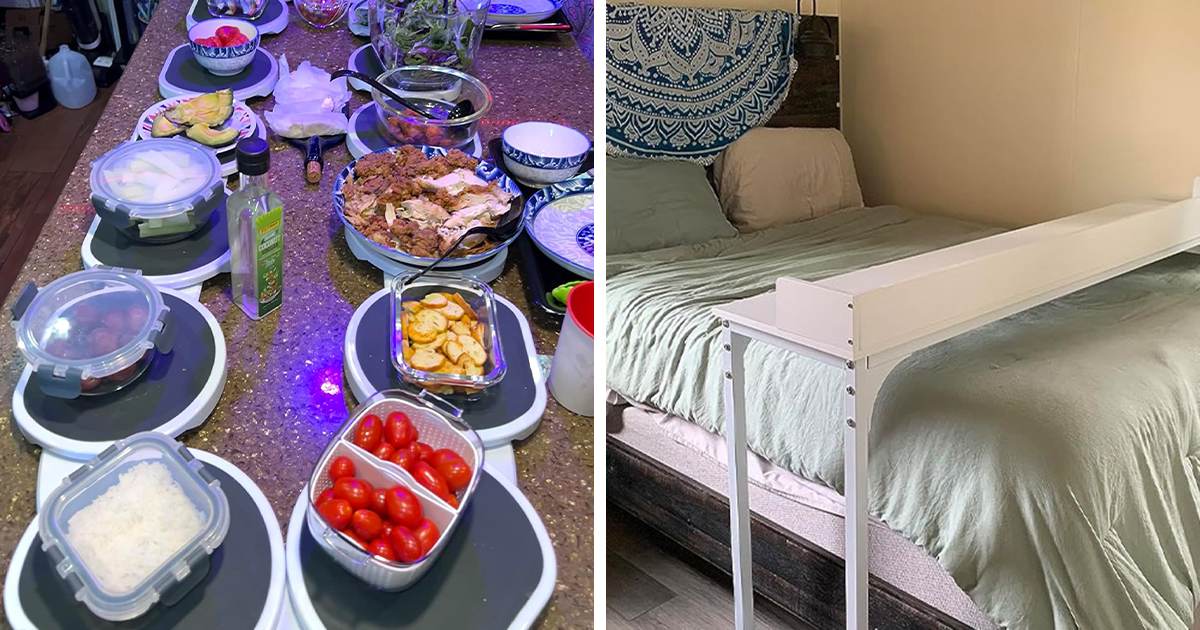
14. Lazy Susan Turntables
A lazy Susan is perfect for deep cabinets, refrigerators, pantries, and bathroom shelves. Spin once, find what you need, feel like a tiny domestic genius.
15. Stackable Clear Bins
Clear bins make storage visible and stackable. Use them in closets, pantries, cabinets, refrigerators, and utility shelves to group similar items together.
16. Labeled Baskets
Baskets make open storage look intentional instead of chaotic. Labels add the magic ingredient: accountability. When a basket says “chargers,” it politely shames socks into leaving.
17. Slim Rolling Cart
A narrow rolling cart can slide beside a fridge, washer, vanity, desk, or sofa. Use it for pantry overflow, beauty products, cleaning supplies, craft tools, or office essentials.
18. Fold-Down Wall Desk
A fold-down desk creates a workspace when you need one and disappears when you do not. It is ideal for small apartments, bedrooms, and multipurpose rooms.
19. Murphy Bed
A Murphy bed is a classic small-space design because it gives one room two lives. By day, you have floor space. By night, you have a real bed that does not require sofa-cushion archaeology.
20. Room Divider Bookshelf
In a studio, an open bookshelf can divide sleeping and living zones while adding storage. Choose a design that looks good from both sides.
21. Narrow Console Table
A slim console behind a sofa or in a hallway creates storage without blocking traffic. Add baskets below and a tray on top for daily essentials.
22. Corner Shelving Unit
Corners are often ignored, which is rude considering how much potential they have. A corner shelf can store books, plants, towels, kitchen gear, or decorative baskets.
23. Tension Rod Dividers
Use tension rods vertically in cabinets to organize baking sheets, cutting boards, trays, and pot lids. They are inexpensive, adjustable, and surprisingly satisfying.
24. Double Closet Rods
Adding a second hanging rod instantly doubles short-hang storage for shirts, skirts, pants, and kids’ clothing. It is one of the easiest small closet upgrades.
25. Slim Velvet Hangers
Bulky hangers eat closet space like they pay rent. Slim velvet hangers create a cleaner line, reduce slipping, and fit more clothing in the same footprint.
26. Hanging Closet Shelves
Fabric hanging shelves turn rod space into vertical cubbies for sweaters, jeans, bags, accessories, or folded workout clothes.
27. Closet Track System
Adjustable closet tracks let you customize shelves, rods, baskets, and drawers as your needs change. This design is especially useful in rentals because many systems are modular.
28. Over-Toilet Shelving
Bathroom storage often fails because the room is tiny and the products are numerous. Over-toilet shelves use vertical space for towels, baskets, tissue, and toiletries.
29. Recessed Medicine Cabinet
A recessed cabinet keeps bathroom essentials hidden without protruding into the room. Bonus points for a mirrored door, which adds function and visual openness.
30. Shower Caddy With Adjustable Shelves
A smart shower caddy keeps bottles off the tub edge and prevents the slippery domino effect of shampoo, conditioner, and regret.
31. Drawer Dividers
Drawer dividers bring order to utensils, makeup, socks, office supplies, and junk drawers. They do not remove clutter for you, but they do make clutter less feral.
32. Charging Station Drawer
Create a dedicated tech drawer with cable clips, a power strip, and small containers. This keeps cords from spreading across your home like electronic spaghetti.
33. Wall Hooks In Unexpected Places
Hooks can organize bags, hats, towels, robes, headphones, keys, aprons, and cleaning tools. Add them inside closets, behind doors, under shelves, or along narrow walls.
34. Foldable Dining Table
A drop-leaf or folding dining table works for meals, work, puzzles, and entertaining. When not in use, it can shrink down and let the room breathe.
35. Nesting Tables
Nesting tables provide extra surfaces only when you need them. Tuck them away after use, and your living room suddenly looks like it has its life together.
36. Bench With Shoe Storage
An entry bench with cubbies or drawers combines seating and storage. It gives shoes, bags, and pet gear a home near the door.
37. Staircase Drawers
If your home has stairs, the space beneath or inside them can become drawers, cabinets, shelving, or a mini mudroom. This is small-space design wizardry at its best.
38. Tall Bookcases
When floor space is limited, go tall. A bookcase that reaches upward stores more without spreading across the room.
39. Ceiling-Mounted Garage Storage
For small homes with garages, ceiling racks can hold seasonal bins, sports gear, and holiday decorations while keeping walls and floors usable.
40. Foldable Laundry Hamper
A collapsible hamper is useful in small bedrooms, bathrooms, and laundry closets. When laundry is done, it folds away instead of sulking in the corner.
41. Wall-Mounted Drying Rack
A folding wall rack is perfect for air-drying delicate clothing without turning every chair into a laundry landmark.
42. Slim Bathroom Ladder Shelf
A ladder shelf adds vertical storage without feeling heavy. Use it for towels, baskets, candles, or skincare products.
43. Modular Cube Storage
Cube systems are flexible enough for living rooms, playrooms, closets, and home offices. Add bins to hide clutter or leave shelves open for books and decor.
44. Hidden Toy Storage Baskets
For families, lidded baskets are a sanity-saving design. They make toy cleanup fast and keep the living room from becoming a plastic dinosaur migration route.
45. Rolling File Cabinet
A small rolling cabinet can tuck under a desk and move when needed. Use it for paperwork, printer supplies, notebooks, and office tools.
46. Wall-Mounted Bike Rack
Bikes take up serious floor space. A wall-mounted or vertical bike rack keeps them secure and makes a tiny entry or garage more functional.
47. Bedside Caddy
No room for a nightstand? A bedside caddy slides under the mattress and stores books, glasses, remotes, tablets, and chargers.
48. Appliance Garage
A small appliance garage keeps toasters, blenders, and coffee gear accessible but hidden. It makes compact kitchens feel calmer and more polished.
49. Clear Refrigerator Bins
Fridge bins group snacks, produce, condiments, and meal-prep items. They reduce food waste by making everything easier to see.
50. Decorative Storage Trunk
A trunk can work as a coffee table, bench, bedside table, or entry storage. It hides bulky items while adding character.
51. Custom Built-In Nook
Even a few inches can become useful storage with the right built-in. Think shallow shelves between studs, a recessed entry niche, a window seat drawer, or a tiny office carved from a closet.
How To Choose The Right Organizing Designs For Your Home
Before buying every basket on the internetand emotionally bonding with seven more on the way to checkoutpause and study your space. The best organizing design is the one that solves a real problem. Ask yourself what piles up, where it piles up, and why it keeps happening.
If clutter gathers near the door, you need an entry system. If bathroom counters are crowded, you need vertical shelving, drawer dividers, or a medicine cabinet. If clothes are everywhere, the problem may not be “messiness.” It may be a closet that lacks shelves, rods, bins, and seasonal rotation.
Also consider visibility. Clear bins are wonderful for pantries, fridges, craft supplies, and linen closets because they make inventory obvious. Closed baskets are better for living rooms and bedrooms because they hide visual noise. Open shelving works best when the items are attractive, frequently used, or neatly grouped. Otherwise, open shelving can become a stage where clutter performs nightly.
Small-Space Organizing Mistakes To Avoid
Buying Containers Before Decluttering
Organizers are not magic boxes. If you store too many things beautifully, you still have too many things. Declutter first, then measure, then buy storage.
Ignoring Vertical Space
Walls, doors, and cabinet interiors are often underused. In small homes, vertical storage is not optionalit is prime real estate.
Using Furniture With Only One Purpose
A tiny home deserves hardworking pieces. Choose beds with drawers, benches with cubbies, ottomans with lids, and tables that fold, nest, or lift.
Forgetting Daily Habits
If an organizing system is annoying to use, you will not use it. Keep high-frequency items easy to reach and store rarely used items higher, lower, or farther away.
Experience Section: What Living With Small-Space Organization Really Teaches You
The biggest lesson from organizing small spaces is that storage is not just about where things go. It is about how a home feels at 7:20 a.m. when you are trying to leave, your phone is at 12 percent, your left shoe has gone on a spiritual retreat, and the kitchen counter looks like a paper recycling facility with ambition.
In real life, the best designs are the ones that remove tiny daily frustrations. A hook by the door is not glamorous, but it can save ten minutes of searching for keys. A drawer divider will not win a design award, but it can stop your measuring spoons from vanishing into the utensil abyss. A rolling cart may not look revolutionary, yet in a small bathroom it can become the difference between peaceful skincare and balancing moisturizer on the toilet tank like a circus act.
Small-space organizing also teaches you to respect limits. A compact closet is honest. It does not politely pretend you can keep twelve winter coats, six bridesmaid dresses, jeans from three sizes ago, and a “maybe someday” cowboy hat. It forces decisions. That may sound harsh, but it is actually freeing. When you only keep what fits your real life, your home starts supporting you instead of quietly judging you from behind an overstuffed cabinet door.
Another practical experience: measure everything. Measure shelves, cabinet depth, under-bed clearance, door width, and the weird gap beside the refrigerator that seems useless until you discover a slim rolling cart. Guessing is how people end up with bins that almost fit, which is the storage equivalent of a cliffhanger. A tape measure is less exciting than a shopping cart full of cute baskets, but it is much cheaper than returning twelve wrong-size containers.
It also becomes clear that beautiful organization works best when it matches your behavior. If you hate folding, drawer dividers and file-folding systems may fail by Wednesday. Try bins instead. If you drop mail on the first flat surface you see, create a wall-mounted mail station exactly there. If shoes pile up by the door, do not put the shoe rack in the bedroom and expect a personality transformation. Put storage where the mess already happens.
Small spaces reward consistency more than perfection. You do not need a magazine-ready home every day. You need simple resets: hang the bag, return the charger, toss the receipt, close the storage ottoman, put the mug in the sink. These tiny habits are what make clever designs work long-term. A small home can be stylish, calm, and deeply functionalbut only when its systems are easy enough to use even when you are tired, busy, or carrying groceries like an overconfident octopus.
In the end, organizing a small space is not about making your home look empty. It is about making room for the life you actually live. The right design gives every item a place, every routine a shortcut, and every room a little more breathing space. And yes, it also means fewer moments spent opening a closet and hoping nothing falls out like a scene from a low-budget disaster movie.
Conclusion
Small-space organization is not about having less personality, fewer belongings, or a home that looks like nobody lives there. It is about choosing genius designs that make every inch count. From storage ottomans and wall shelves to over-door organizers, under-bed drawers, rolling carts, cabinet racks, and fold-down desks, the smartest small-space solutions combine function with style.
The best approach is simple: declutter what you do not use, store items where you need them, make furniture work double duty, and stop ignoring vertical space. Once your home has practical systems, small rooms can feel bigger, calmer, and much easier to enjoy. After all, your home should not feel like a puzzle box. It should feel like a place where your stuff knows where to goand actually goes there.












