
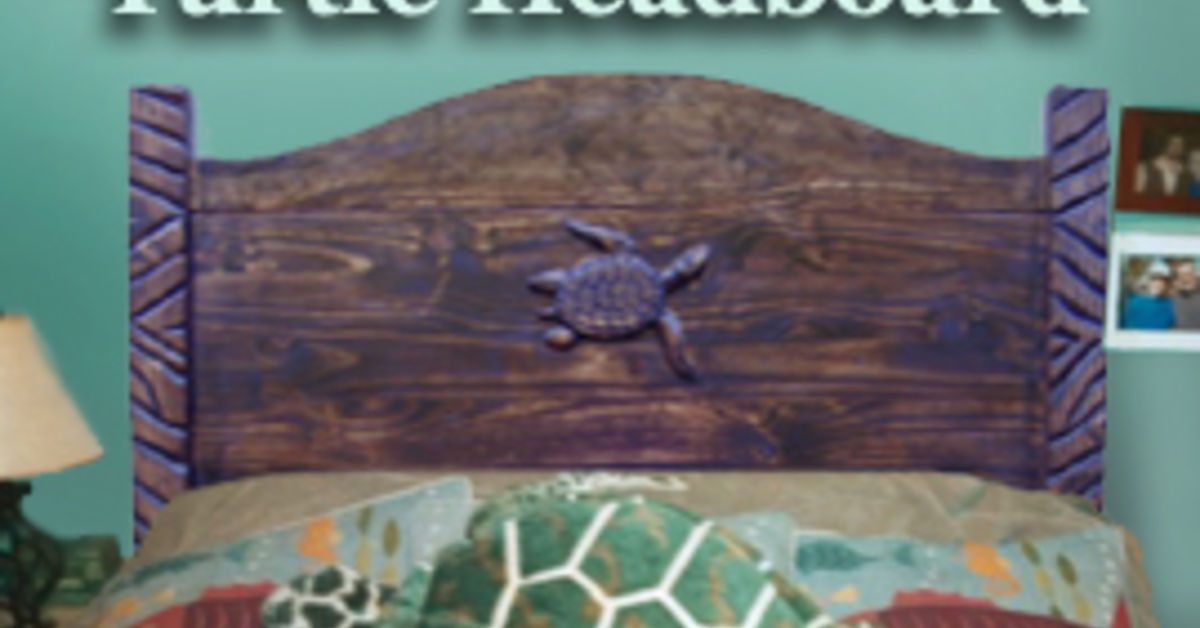
A custom wood headboard with a SeaTurtle theme is not just bedroom furniture. It is the moment your bed stops being “that place where laundry goes to think about its future” and becomes the centerpiece of a calm, coastal, story-filled room. Whether you love beach-house style, handmade woodworking, ocean wildlife, or the quiet elegance of natural wood grain, a sea turtle headboard can turn an ordinary wall into a warm, personal focal point.
The beauty of this idea is balance. A SeaTurtle theme can be playful without looking childish, coastal without becoming a souvenir shop, and artistic without making your bedroom feel like a museum where nobody is allowed to nap. The right design blends craftsmanship, sustainable materials, thoughtful colors, and practical construction so the final piece feels custom, durable, and deeply personal.
In this guide, we will explore design ideas, wood choices, carving styles, finishes, dimensions, installation tips, and real-life experience notes for creating or ordering a custom wood headboard with a SeaTurtle theme. Consider this your friendly map from “I want something ocean-inspired” to “Wow, my bedroom has main-character energy.”
Why Choose a SeaTurtle-Themed Wood Headboard?
Sea turtles carry a natural sense of calm, endurance, and movement. In coastal decor, they symbolize peaceful travel, ocean life, and connection to nature. That makes them perfect for a bedroom, where the goal is usually restnot staring at a blank wall wondering why you bought twelve throw pillows.
A wood headboard already adds warmth and texture. When paired with a SeaTurtle theme, it becomes a custom art piece. Unlike mass-produced furniture, a handmade wooden headboard can reflect your home’s personality. It may feature carved turtles gliding through waves, laser-cut silhouettes, resin inlays that look like shallow water, or a minimalist turtle outline burned into reclaimed wood.
A Strong Focal Point Without Overdoing the Theme
One common mistake in coastal bedrooms is going too literal. Suddenly there are anchors, shells, ropes, blue stripes, three signs that say “Beach,” and a lamp shaped like a confused crab. A custom SeaTurtle wood headboard gives you one strong theme anchor, so the rest of the room can stay relaxed and sophisticated.
Think of the headboard as the hero piece. Keep bedding simple, add sandy neutrals, soft blues, sea-glass green, linen textures, woven baskets, or driftwood-toned nightstands. The turtle design becomes memorable because it has room to breathe.
Best Design Styles for a Custom Wood SeaTurtle Headboard
The phrase “SeaTurtle theme” can mean many things. It might be rustic, modern, tropical, bohemian, farmhouse coastal, or luxury resort-inspired. The best version depends on your room, your bed size, and your tolerance for decorative dolphins. Let’s focus on the turtle.
1. Hand-Carved Sea Turtle Headboard
A hand-carved wood headboard is ideal if you want depth and craftsmanship. The turtle shell can show geometric patterns, the flippers can curve naturally, and wave lines can flow across the wood. Carving works beautifully with hardwoods like oak, walnut, maple, cherry, or mahogany-style alternatives.
For a subtle look, use low-relief carving, where the turtle rises gently from the surface. For a dramatic statement, choose deeper carving with layered waves or reef details. This style suits beach homes, coastal cottages, and master bedrooms where furniture doubles as art.
2. Wood-Burned Sea Turtle Artwork
Wood burning, also called pyrography, creates warm brown linework directly on the wood. It is excellent for a sea turtle outline, shell pattern, ocean current lines, or a small family of turtles swimming across one side of the headboard.
This option is usually lighter and more minimal than carving. It works especially well on lighter woods such as birch, maple, pine, or poplar because the burned details stand out clearly. A wood-burned SeaTurtle headboard feels handmade without being visually heavy.
3. Resin Ocean Inlay with Turtle Silhouette
For a more modern coastal look, consider a resin inlay. Blue, teal, aqua, or translucent resin can be poured into routed wave channels or a turtle-shaped recess. The effect can resemble tide pools, shallow lagoon water, or moonlight on the sea.
Resin should be used thoughtfully. A little shimmer is elegant; too much glitter and your headboard may look like it escaped from a mermaid’s craft drawer. A skilled maker can combine wood grain with resin so the piece feels organic rather than plastic.
4. Layered Wood Sea Turtle Scene
Layered wood designs use cut pieces attached to a backing board. For example, a walnut turtle could float over a maple background, with white oak waves and darker walnut coral accents. This creates dimensional contrast without deep carving.
Layered designs are great for children’s rooms, guest rooms, vacation rentals, and coastal-themed suites because they are expressive, customizable, and often easier to repair than delicate carvings.
5. Minimalist Turtle Motif
If your style leans modern, use one small turtle motif instead of a full ocean scene. A simple turtle icon in the top corner, a shell pattern carved into the center panel, or a subtle wave-and-turtle border can be enough. Minimalist design keeps the headboard timeless and helps it blend with changing decor.
Choosing the Right Wood for Your Headboard
Wood choice affects durability, appearance, price, weight, and how well the SeaTurtle design can be carved or finished. A custom wood headboard is not the place to choose mystery lumber from the back of a garage unless you enjoy surprises, splinters, and possibly a smell called “old shed.”
Solid Hardwood
Hardwoods such as oak, maple, walnut, and cherry are durable and beautiful. Oak has bold grain and a classic furniture look. Maple is smooth and clean, which makes it good for modern designs and wood burning. Walnut is darker and luxurious, perfect for a high-end coastal bedroom that whispers, “Yes, I own matching nightstands.” Cherry warms over time and adds a rich, traditional tone.
Softwood
Pine and cedar are more affordable and easier to work with. Pine is popular for rustic headboards and painted finishes. Cedar brings a pleasant natural aroma and a coastal cabin feel. However, softwoods dent more easily, so they may not be ideal for highly detailed carving or rough household traffic.
Plywood and Veneer Panels
High-quality plywood can be excellent for large headboards because it is stable and less likely to warp than wide solid boards. It can serve as a backing for planks, carved panels, layered cutouts, or upholstered sections. Furniture-grade plywood with hardwood veneer gives a clean look while controlling cost and weight.
Reclaimed Wood
Reclaimed wood brings instant character. Nail holes, weathering, saw marks, and color variation can make a SeaTurtle headboard feel like it belongs in a beach cottage. The key is proper preparation. Reclaimed boards should be cleaned, checked for pests, de-nailed, sanded, and sealed. Beautiful history is charming; hidden rusty hardware is not.
Sustainable Choices for an Ocean-Inspired Headboard
A SeaTurtle theme feels more meaningful when the materials respect nature. Look for responsibly sourced wood, reclaimed lumber, or certified wood products. If you are commissioning a maker, ask where the lumber comes from and whether low-VOC stains, water-based finishes, or natural oils are available.
Low-VOC products can help reduce strong indoor odors and are a smart choice for bedroom furniture. Since a headboard sits close to where you sleep, finish selection matters. The goal is to wake up refreshed, not lightly marinated in chemical fumes.
You can also connect the design to conservation values. Sea turtles are affected by beach lighting, pollution, habitat loss, and ocean debris. A thoughtful headboard can quietly celebrate marine life without using real shells, coral, or wildlife materials. Wood, art, and imagination are enough.
Ideal Dimensions for a Custom Wood Headboard
A headboard should fit the mattress, the wall, and the room’s proportions. A piece that is too small can look accidental. A piece that is too large can make the bed feel like it is being guarded by a wooden billboard.
General Width Guidelines
- Twin bed: about 41 to 46 inches wide
- Full bed: about 56 to 62 inches wide
- Queen bed: about 62 to 68 inches wide
- King bed: about 78 to 84 inches wide
- California king: about 74 to 80 inches wide
Many custom headboards extend slightly beyond the mattress width for a designer look. This can frame the bed beautifully, especially if nightstands are close by. For a SeaTurtle theme, extra width allows the turtle, waves, and ocean details to flow naturally across the design.
Height and Visual Balance
For most bedrooms, a headboard height between 48 and 60 inches from the floor works well. Tall headboards can feel luxurious, while lower headboards suit minimal or small rooms. If the artwork is detailed, give it enough height so the turtle design does not disappear behind pillows.
A practical tip: place your pillows on the bed and measure the visible wall area above them. The main turtle motif should sit where it can actually be seen. Nobody wants a custom carving whose best feature is permanently hidden behind a pillow named “Decorative Only.”
Color Palettes That Work with a SeaTurtle Theme
The right color palette makes the headboard feel intentional. Natural wood is already warm, so ocean-inspired colors should support it rather than fight it.
Soft Coastal Neutrals
Use white, cream, sand, beige, driftwood gray, and light oak tones. Add a subtle sea turtle carving or pale blue inlay. This creates a calm, airy bedroom that feels coastal without shouting “vacation rental brochure.”
Deep Ocean Contrast
Pair walnut or dark-stained wood with navy bedding, brass lighting, and crisp white sheets. A turtle carved into the center panel can look elegant and mature. This palette is excellent for master bedrooms.
Tropical Sea Glass
Use aqua, turquoise, soft green, and warm natural wood. This works beautifully with resin inlay or painted turtle details. Keep other decor simple so the room does not become overly busy.
Rustic Beach Cottage
Choose reclaimed wood, whitewashed boards, rope-style trim, and muted blue-gray accents. A carved or stenciled SeaTurtle motif completes the look. This style is especially charming for guest rooms and lake or beach houses.
Construction Details That Make the Difference
A custom headboard should look beautiful, but it also needs to be safe and sturdy. Good construction is the difference between heirloom furniture and something that makes suspicious noises every time you roll over.
Frame-and-Panel Construction
Frame-and-panel construction is a reliable method for wood furniture. The frame provides strength, while the center panel can feature the turtle artwork. This structure also helps manage natural wood movement.
Plank Construction
Horizontal or vertical planks create a casual coastal feeling. The SeaTurtle design can be carved across multiple boards, painted on top, or added as a separate raised element. If using planks, make sure the boards are secured to a stable backing and properly sanded.
French Cleat Mounting
A French cleat is one of the best ways to wall-mount a heavy wood headboard. It uses two angled pieces that interlock, distributing weight across the wall. When attached to studs, it creates a strong, clean installation. This is especially helpful for large queen or king headboards.
Bed Frame Attachment
Some headboards attach directly to the bed frame using bolts and brackets. This can be useful if you rent, move often, or do not want to mount anything to the wall. For heavy custom wood pieces, confirm that the bed frame can support the weight.
Finish Options for a SeaTurtle Wood Headboard
The finish protects the wood and sets the mood. Clear matte finishes preserve a natural look. Satin finishes add gentle sheen. Dark stains create drama. Whitewash gives a beachy, weathered effect. Painted accents can highlight the turtle shell, waves, or coral shapes.
For bedrooms, smoothness matters. Edges should be rounded or eased, carved areas should not feel sharp, and the surface should be sealed enough to resist dust. Remember, a headboard lives behind pillows, hair, blankets, and the occasional midnight snack. It should be attractive and easy to clean.
Customization Ideas That Make It Personal
The best custom headboards include details that matter to the owner. You can add initials, a meaningful date, coordinates of a favorite beach, a family of turtles representing children, or a small hidden turtle on the side rail. These details make the piece feel personal without turning it into a wooden scrapbook.
Ideas to Consider
- A mother turtle with smaller hatchlings for a family bedroom
- A single turtle swimming through carved waves for a peaceful minimalist look
- Sea glass resin inlay inspired by a favorite coastline
- Reclaimed wood from an old dock, barn, or family property
- Subtle LED backlighting behind the headboard for a soft ocean glow
- A turtle shell pattern repeated as a geometric border
- Coordinates burned into the lower corner of the headboard
How to Style the Room Around the Headboard
Once the custom SeaTurtle headboard is installed, let it lead the room. Choose bedding in solid colors or gentle patterns. Linen, cotton, and textured throws work well. Nightstands in natural wood, white, or woven materials keep the coastal mood grounded.
For wall decor, avoid competing with the headboard. One or two simple prints, a woven mirror, or warm bedside sconces are enough. If your headboard has resin or colorful details, repeat those colors lightly in pillows or artwork. The key word is lightly. Your bedroom should feel like a restful coastal escape, not a gift shop that also has a mattress.
Buying vs. DIY: Which Option Is Better?
If you have woodworking experience, a DIY SeaTurtle headboard can be rewarding. A basic plank headboard with a stenciled or wood-burned turtle design is manageable for many intermediate DIYers. You will need accurate measuring, sanding tools, finishing supplies, mounting hardware, and patience. Patience is technically free, but somehow always in short supply.
For complex carving, resin inlay, CNC routing, or large hardwood construction, hiring a custom furniture maker is usually worth it. Professional makers understand wood movement, joinery, finishing, and installation. They can also help turn a rough idea into a balanced design.
Questions to Ask a Custom Maker
- What wood species do you recommend for this design?
- Can you show examples of carving, inlay, or coastal-themed work?
- Will the headboard be wall-mounted or bed-frame-mounted?
- What finish will be used, and is it suitable for bedroom furniture?
- How heavy will the finished piece be?
- How should the headboard be cleaned and maintained?
- Can the design include personal details without looking crowded?
Maintenance and Care
A custom wood headboard does not require complicated care. Dust it regularly with a soft cloth. Avoid harsh chemical cleaners, especially on carved, burned, painted, or resin areas. If the finish is oil-based, ask the maker whether it needs occasional refreshing. Keep the headboard away from excessive moisture and direct sunlight when possible.
If the piece includes raised turtle details, check occasionally that everything remains secure. If it is wall-mounted, inspect the cleat or mounting hardware once in a while, especially after moving furniture. This is not paranoia; it is furniture adulthood.
Common Mistakes to Avoid
First, avoid choosing a design that is too busy. Sea turtles, waves, coral, shells, starfish, dolphins, anchors, and a lighthouse all on one headboard may be technically possible, but so is wearing every necklace you own at once. Editing is elegance.
Second, do not ignore scale. A tiny turtle on a king headboard may look lost. A giant turtle face on a twin bed may be memorable for the wrong reasons. Ask for a sketch or digital mockup before approving the final design.
Third, do not skip sanding and sealing. A headboard should be touch-friendly. Rough edges, splinters, and unfinished backs are signs the project needs more attention.
Finally, do not forget installation. A beautiful headboard that wobbles is not charming. It is furniture suspense. Use proper hardware, studs, bolts, or professional installation for heavy pieces.
Experience Notes: Living with a Custom Wood Headboard with SeaTurtle Theme
There is something surprisingly emotional about adding a custom wood headboard with a SeaTurtle theme to a bedroom. At first, it may seem like a design decision: choose wood, choose size, approve turtle, pay invoice, wait impatiently. But once the piece is installed, it changes the feeling of the room in a way ordinary furniture rarely does.
The first thing people notice is texture. A flat painted wall can be nice, but carved or layered wood brings shadows, grain, and warmth. In the morning, sunlight can catch the raised turtle shell or wave lines. At night, a bedside lamp can make the carving look deeper and softer. The headboard becomes different throughout the day, almost like the ocean itself. That sounds poetic, but it is also practical: good wood furniture does not need constant styling to look interesting.
One helpful experience is to choose the turtle placement carefully. Centered designs feel formal and balanced. Off-center designs feel more natural, like the turtle is swimming through the room. For a queen bed, an off-center turtle moving from lower left to upper right can create gentle motion without overwhelming the bed. For a king bed, a wider scene with two turtles and wave lines can fill the space beautifully. For a child’s room, smaller hatchlings can add charm without feeling like cartoon wallpaper.
Another real-world lesson: pillows hide more than expected. Before finalizing the design, stack your normal sleeping pillows and decorative pillows against the wall, then measure what remains visible. Many people design a beautiful lower panel only to bury half of it under bedding. The most important turtle details should sit above the pillow line. If you love big pillows, tell the maker. Furniture makers are talented, but they are not psychic sea wizards.
Lighting also matters. A SeaTurtle headboard looks best with warm, indirect light. Wall sconces on both sides can frame the piece. Soft LED backlighting can create a floating effect, especially behind a thick wood panel. However, keep lighting gentle. The theme is peaceful ocean life, not “aquarium rave at 2 a.m.” Warm white bulbs usually work better than bright blue bulbs, which can make natural wood look cold.
In daily use, a wood headboard feels more grounded than fabric. It does not collect lint the same way upholstered furniture can, and it is easier to dust. However, carved grooves may collect dust over time, so a soft brush attachment or microfiber cloth is useful. If the headboard has resin inlay, fingerprints may show on glossy areas, but they are easy to wipe away.
For families, the SeaTurtle theme can become a story. Children may name the turtle. Guests may ask where it came from. A vacation memory can become part of the design, especially if coordinates, a beach name, or a meaningful date is included. That is the real advantage of custom furniture: it does not just fill space; it holds memory.
Budget expectations are also important. A simple DIY plank headboard with a painted or burned turtle can be affordable. A professionally carved hardwood headboard with resin, layered details, and custom installation will cost more. The price reflects not only materials but also design time, joinery, finishing, sanding, mounting, and the maker’s skill. If the budget is limited, simplify the shape rather than choosing poor materials. A clean turtle silhouette on quality wood often looks better than an overly complicated design on cheap, unstable boards.
One of the most satisfying choices is using reclaimed or responsibly sourced wood. It gives the project a deeper connection to the SeaTurtle theme. Since sea turtles remind us of nature and long journeys, a headboard made from wood with its own past feels fitting. Weathered boards, when properly cleaned and sealed, can look like driftwood without needing fake distressing. The result feels honest, relaxed, and warm.
After living with this type of headboard, many people find that they need fewer decorations in the room. The headboard does the heavy lifting. A simple white duvet, a woven basket, two lamps, and a soft blue throw may be enough. That simplicity is one of the hidden pleasures of a strong custom piece. It makes the room easier to style, easier to clean, and easier to enjoy.
In the end, a custom wood headboard with a SeaTurtle theme works because it combines function, art, and personal meaning. It supports the bed visually, protects the wall, adds warmth, and tells a quiet ocean story. It can be rustic, elegant, modern, playful, or deeply sentimental. Most importantly, it turns the bedroom into a place that feels designed on purpose. And honestly, any furniture that makes bedtime feel like a tiny coastal retreat deserves a round of applausequiet applause, of course, because the turtle is sleeping.
Conclusion
A custom wood headboard with a SeaTurtle theme is a beautiful way to bring coastal calm, handmade character, and personal storytelling into the bedroom. From carved hardwood turtles to resin ocean inlays and reclaimed wood panels, the design possibilities are wide enough to fit rustic cottages, modern homes, guest rooms, children’s spaces, and luxury beach-inspired suites.
The best results come from thoughtful choices: durable wood, safe finishes, proper dimensions, balanced artwork, and secure installation. Keep the theme focused, let the turtle design shine, and support it with natural textures and relaxed colors. Done well, the headboard becomes more than furniture. It becomes the peaceful centerpiece of the room, reminding you every night that rest is allowed, beauty can be practical, and yes, the laundry chair still needs help.
Note: This article was developed from current best practices in U.S. woodworking, custom furniture design, bedroom layout planning, low-VOC indoor finishing, sustainable wood sourcing, coastal interior styling, and sea turtle conservation guidance.












