
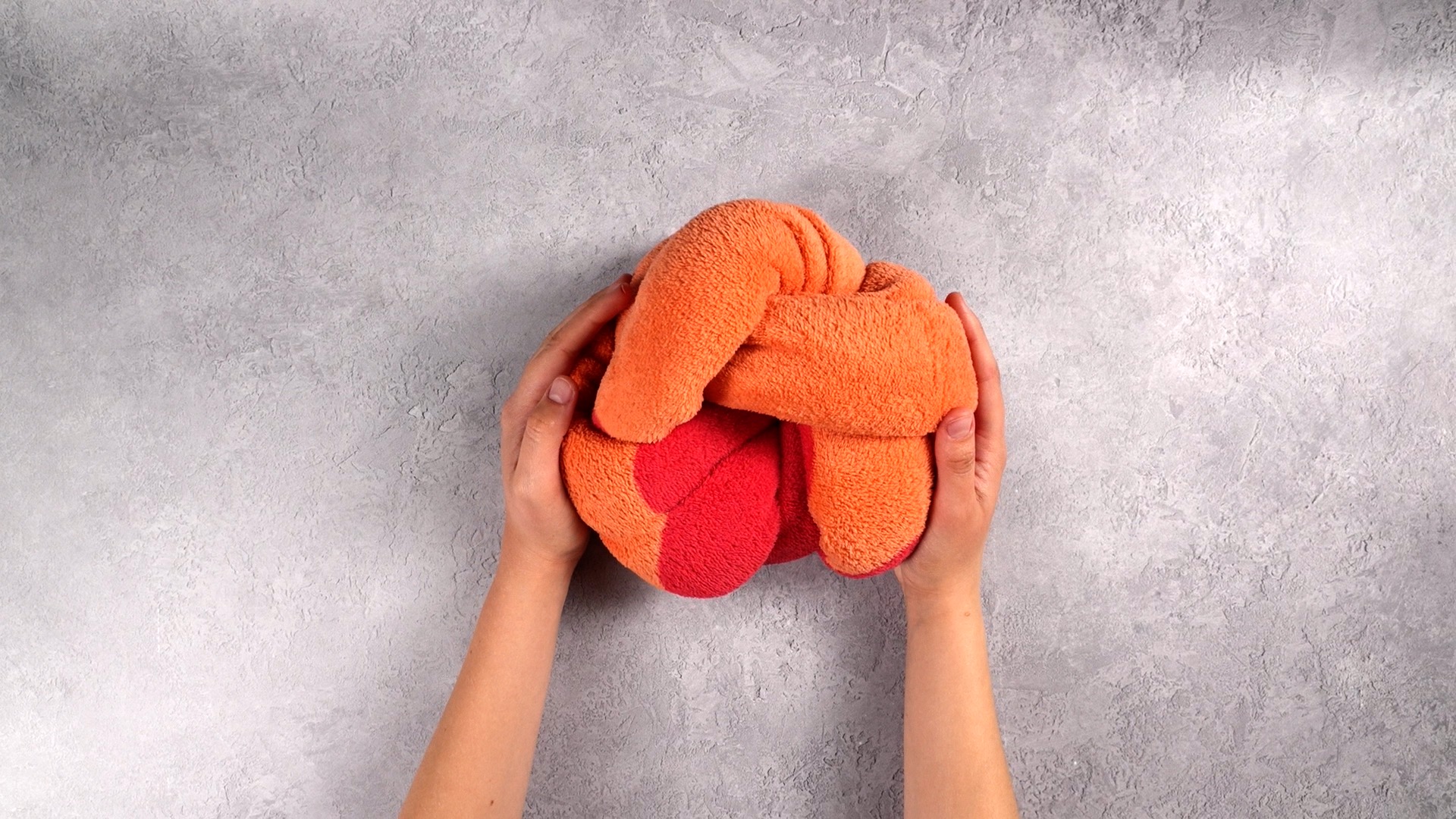
Some household skills feel suspiciously close to magic. Folding a blanket into a pillow is one of them. One minute you have a floppy throw blanket sliding off the couch like it pays rent there; the next minute you have a neat, cushion-like bundle that looks intentional, saves space, and can still be unfolded when someone dramatically announces, “I’m cold.”
Learning how to fold a blanket into a pillow is useful for living rooms, guest rooms, road trips, dorms, kids’ rooms, picnic baskets, and any linen closet currently behaving like a fabric avalanche. The idea is simple: fold the blanket into a compact shape, create a pocket or roll, and tuck the loose end so the blanket holds together like a soft pillow.
This guide walks through four quick and easy blanket pillow folding methods, including a classic square pillow fold, a lumbar pillow roll, a travel pillow fold, and a pocket-style quillow fold. No sewing machine, fancy tool, or advanced origami degree required. Just a blanket, a flat surface, and enough patience to smooth out the corners before they start judging you.
Why Fold a Blanket Into a Pillow?
Folding a blanket into a pillow is not just a cute party trick for people who alphabetize their spice jars. It solves several everyday problems at once. A blanket pillow keeps throws looking tidy on the couch, makes bulky bedding easier to store, and gives you an extra cushion when you need back support, neck support, or emotional support during a long movie.
This technique is especially helpful in small spaces. Instead of stuffing extra blankets into overfilled closets, you can turn them into decorative pillows for the sofa, bed, reading chair, or car. It also works beautifully for guest bedding. Place a folded blanket pillow on the bed, and visitors get both a cozy throw and a tidy room setup without needing a map to the linen closet.
For the best result, use a throw blanket, fleece blanket, lightweight quilt, microfiber blanket, or soft woven blanket. Very thick comforters can be folded this way, too, but they may look more like a marshmallow with ambition than a crisp pillow. Weighted blankets and electric blankets should not be tightly compressed or forced into small folds because their inner structure or wiring can be damaged.
Before You Start: Choose the Right Blanket
The easiest blankets to fold into pillows are rectangular, medium-weight, and flexible. A standard throw blanket, usually around 50 by 60 inches, is ideal. Fleece, sherpa, cotton, flannel, and thin quilts fold well because they compress without fighting back. Chunky knit blankets look gorgeous but can be bulky, so use a looser pillow fold rather than trying to force them into a sharp square.
Quick Preparation Tips
Start with a clean, dry blanket. If the blanket has been living on the floor, under a pet, or in the mysterious back corner of the car, give it a wash according to the care label first. Fully dry blankets are important because folding damp fabric tightly can lead to musty smells. Nobody wants a pillow that smells like a basement with feelings.
Use a bed, clean table, or large section of floor as your folding surface. Shake the blanket out, line up the corners, and smooth wrinkles with your hands. The neater the first folds, the more pillow-like the final result will look.
Method 1: The Classic Square Pillow Fold
This is the best all-purpose method when you want a blanket that looks like a square decorative pillow. It works well for couches, armchairs, guest beds, and open baskets. It is also the easiest method to learn first.
Best For
Throw blankets, fleece blankets, microfiber blankets, thin quilts, and lightweight bed blankets.
Steps
- Lay the blanket flat with the longer side running left to right.
- Fold the blanket in half lengthwise, bringing the bottom edge up to meet the top edge.
- Smooth the fold with your hands so the edges line up neatly.
- Fold one long side toward the center, then fold the other long side over it, creating a long narrow rectangle.
- Fold the left end toward the center, then fold the right end toward the center.
- Fold one half over the other to create a compact square.
- Tuck any loose edge into the nearest fold to help the blanket hold its shape.
The trick is to make the final tuck snug but not aggressive. If you cram the blanket like you are packing for a vacation with one personal item, it may bulge. A little softness is good. You are making a pillow, not a fabric brick.
Pro Tip
If the blanket has fringe, keep the fringe on the inside during the first fold. This prevents the final pillow from looking like it needs a haircut.
Method 2: The Lumbar Pillow Roll
The lumbar pillow roll turns a blanket into a long, narrow cushion. It is perfect for lower-back support on the sofa, a reading nook, a window seat, or the back seat of a car. This method also stores beautifully in baskets because the rolls can stand upright like cozy little logs.
Best For
Thin to medium throws, travel blankets, fleece blankets, cotton blankets, and baby blankets.
Steps
- Lay the blanket flat and fold it in half lengthwise.
- Fold it lengthwise again into thirds, making a long skinny rectangle.
- At one short end, fold over about 8 to 10 inches. This folded section will become the pocket.
- Start rolling from the opposite short end toward the pocket.
- Keep the roll firm and even as you go.
- When you reach the folded pocket, turn the pocket edge over the roll to secure it.
- Adjust the ends until the roll looks smooth and balanced.
This fold is excellent when you want a blanket to double as a bolster pillow. It is also forgiving. If your roll looks a little lumpy, simply unroll the last section, smooth the fabric, and roll again. The blanket will not complain. It is emotionally mature that way.
Pro Tip
For a firmer lumbar pillow, make the rectangle narrower before rolling. For a softer, squishier pillow, keep the folds wider and roll with less tension.
Method 3: The Travel Pillow Fold
The travel pillow fold is compact, practical, and surprisingly handy. Use it for road trips, camping, flights, sleepovers, dorm rooms, or emergency naps on the couch when you said you were “just resting your eyes.”
Best For
Travel blankets, fleece throws, airplane blankets, picnic blankets, kids’ blankets, and lightweight quilts.
Steps
- Spread the blanket flat in a rectangle.
- Fold it in half from top to bottom.
- Fold it in half again from left to right to create a smaller rectangle.
- Fold the blanket into thirds lengthwise, forming a narrow strip.
- Fold one end toward the middle, then fold the other end over it.
- Flip the bundle over so the cleanest side faces outward.
- Tuck the loose flap under the outer fold to keep the pillow shape secure.
This method creates a firm rectangular pillow that fits well into backpacks, tote bags, and car storage bins. It is not as decorative as the square pillow fold, but it is very practical. Think of it as the sensible friend in the groupthe one who brings snacks and knows where the parking ticket is.
Pro Tip
If you are folding a blanket for travel, place the cleanest side outward and avoid setting it directly on airport floors, campsite dirt, or the trunk area where one mystery receipt has been living since 2022.
Method 4: The Pocket-Style Quillow Fold
A quillow is traditionally a quilt with a sewn-in pocket that folds into a pillow. But you can copy the basic idea without sewing by creating a temporary pocket with folds. This method is great when you want the blanket to stay together more securely than a simple square fold.
Best For
Quilts, fleece blankets, picnic blankets, throws with some structure, and blankets used for guest rooms or storage.
Steps
- Lay the blanket flat with the decorative side facing down.
- Fold the left side toward the center, about one-third of the blanket width.
- Fold the right side over it, creating a long vertical rectangle.
- At the bottom, fold up a section about one-quarter of the blanket length. This becomes your pocket area.
- Fold the top down toward the pocket in two or three sections.
- When the folded blanket reaches the pocket, gently turn the pocket inside out over the bundle.
- Square the corners with your hands until it looks like a pillow.
This is the most secure of the four methods because the pocket holds the folded layers in place. It takes a little practice, but once you understand the motion, it becomes quick. The key is leaving enough fabric at the bottom to flip over the folded bundle. If the pocket is too shallow, it will pop open like a suitcase packed by a toddler.
Pro Tip
Use this method for blankets you want to store on open shelves. The pocket-style fold keeps the bundle tidy even when people pull other linens from the stack.
How to Make the Blanket Pillow Look Decorative
A folded blanket pillow can be practical and pretty. Place it on a couch with regular throw pillows, tuck it into the corner of an accent chair, or stack two folded blanket pillows at the foot of a bed. For a casual look, let one soft edge show. For a polished look, hide all edges and face the smooth folded side outward.
Color matters, too. A neutral blanket folded into a pillow can calm a busy room, while a patterned throw adds personality. If your living room already has three patterns competing for attention, choose a solid blanket. If the space feels plain, a plaid, stripe, waffle weave, or textured knit can make the room look layered without buying another pillow. Your wallet may applaud quietly.
Common Mistakes to Avoid
Folding a Damp Blanket
Always make sure the blanket is completely dry before folding it tightly. Damp fabric can develop odors, mildew, or stubborn creases. If the blanket feels even slightly cool and wet after drying, give it more air time.
Using the Wrong Method for a Thick Blanket
Thick comforters and chunky knit throws do not always behave well in compact folds. Use a loose square fold or store them in a basket instead. Forcing thick blankets into tight pockets can stretch fibers and create a bulky, uneven pillow.
Ignoring the Edges
Uneven edges make the final pillow look messy. Take a few extra seconds to line up corners and smooth the blanket before each fold. This tiny step makes a big difference.
Compressing Special Blankets Too Much
Weighted blankets, electric blankets, heirloom quilts, and delicate woven throws need gentler handling. Fold them loosely and follow the care label. When in doubt, choose breathable storage rather than a tight pillow fold.
Where to Use a Folded Blanket Pillow
A blanket folded into a pillow works almost anywhere you want comfort without clutter. On the sofa, it becomes a cushion until movie night. In a guest room, it gives visitors an extra blanket without making the bed look crowded. In a car, it can serve as a travel pillow or emergency blanket. In a dorm, it saves precious space, which is important when one room must function as bedroom, office, snack station, and laundry waiting room.
You can also use folded blanket pillows in kids’ reading corners, pet-free window seats, RVs, cabins, and playrooms. They are especially useful in homes where blankets migrate from room to room like tiny textile nomads.
How to Store Blanket Pillows
If you are folding blankets into pillows for storage, choose a clean, dry location with good airflow. Linen closets, bedroom shelves, storage ottomans, lidded baskets, and benches with hidden compartments all work well. Avoid damp bathrooms, humid basements, and plastic bags that trap moisture. Breathable cotton bags, fabric bins, or baskets are better for long-term freshness.
For seasonal blankets, wash and dry them before storing. Add a cedar sachet or lavender sachet if you like a fresh scent and want to discourage pests. Label bins if you store multiple sizes or seasonal fabrics. Future you will appreciate not opening six containers to find the one fleece blanket everyone fights over in January.
Which Method Should You Choose?
Choose the classic square pillow fold when you want a decorative couch pillow. Choose the lumbar pillow roll when you want back support or basket storage. Choose the travel pillow fold when you need something compact and portable. Choose the pocket-style quillow fold when you want the most secure shape for shelves, guest rooms, or tidy storage.
After you practice each method once or twice, you will probably develop a favorite. That is perfectly normal. People have favorite coffee mugs, favorite parking spots, and favorite folding techniques. Life is richer with small opinions.
Personal Experience: What Actually Works in Real Life
In real life, folding a blanket into a pillow is less about perfection and more about making the room look calm in under a minute. The first time I tried it, I expected a crisp designer-style cushion. What I got was a lumpy fabric potato. A cozy potato, yes, but still not exactly ready for a magazine cover. The problem was not the method; it was my rush. I had skipped the smoothing step, ignored the corners, and tried to tuck a thick throw into a tiny square. The blanket responded by puffing out on one side like it had a secret.
The biggest lesson is that blanket thickness matters. A thin fleece throw folds into a pillow almost effortlessly. It tucks, rolls, and stays put like it has attended finishing school. A fluffy sherpa blanket needs more space and a gentler fold. A chunky knit blanket, meanwhile, should not be bullied into a compact pillow. It looks better as a loose roll or casually folded cushion. When you match the method to the material, everything becomes easier.
The classic square fold became my favorite for the living room because it makes the couch look tidy without hiding the blanket away. This is useful when people actually use the blanket every day. Instead of folding it perfectly and storing it in a closet where nobody will retrieve it, the blanket stays within reach. At night, it unfolds in seconds. In the morning, it becomes a pillow again. It is household efficiency wearing a soft little disguise.
The lumbar roll is the one I recommend for cars and reading chairs. It gives better support than a square fold and does not take up much space. On road trips, a rolled blanket pillow is far more useful than a loose blanket stuffed into the back seat. It can support your neck, cushion your lower back, or unfold when the air conditioning gets dramatic. It also keeps the car from looking like a laundry basket on wheels.
The pocket-style fold takes the most practice, but it is the most satisfying once you get it right. It feels like closing a soft envelope. The first few attempts may look uneven, especially if the pocket section is too small. The fix is simple: make the pocket deeper than you think you need. Once the pocket flips over the bundle, the whole blanket holds together beautifully. This method is great for open shelving because the folded blanket does not unravel every time someone grabs a towel nearby.
For families, the best approach is to teach everyone one simple method. The classic square fold is easiest for kids and guests. Do not demand hotel-level corners from people who are just trying to clean up after a movie. A blanket folded into a pillow is already a win. If it looks neat enough to sit on the sofa without causing visual chaos, mission accomplished.
One more practical discovery: folded blanket pillows work well when you reduce the number of regular throw pillows. Many sofas already have too many pillows. You sit down and suddenly you are negotiating with seven cushions for personal space. Replacing one or two decorative pillows with folded blanket pillows gives you comfort and function. It also means fewer random pillows end up on the floor, where they begin their new career as pet beds.
Overall, the best method is the one you will actually use. If a folding technique takes too long, it will not become a habit. Start with the square fold, try the lumbar roll for travel, and save the pocket-style fold for blankets you want to store neatly. After a few tries, you will be able to turn a messy throw into a pillow in less time than it takes to find the remote.
Conclusion
Folding a blanket into a pillow is one of those small home skills that makes everyday life easier. It saves space, reduces clutter, keeps blankets accessible, and adds a cozy decorative touch to sofas, beds, chairs, and travel bags. Whether you choose the classic square pillow fold, the lumbar pillow roll, the travel pillow fold, or the pocket-style quillow fold, the basic rule is the same: smooth the blanket, fold evenly, and tuck the loose edge so the shape stays secure.
With a little practice, your extra blankets can stop lurking in messy piles and start working double duty as soft, useful pillows. That is the kind of home organization that feels clever without requiring a label maker, a weekend project, or a personality transplant.
Note: This article is original, written in standard American English, and based on practical folding, bedding-care, and home-organization guidance synthesized from reputable home and lifestyle resources.












