
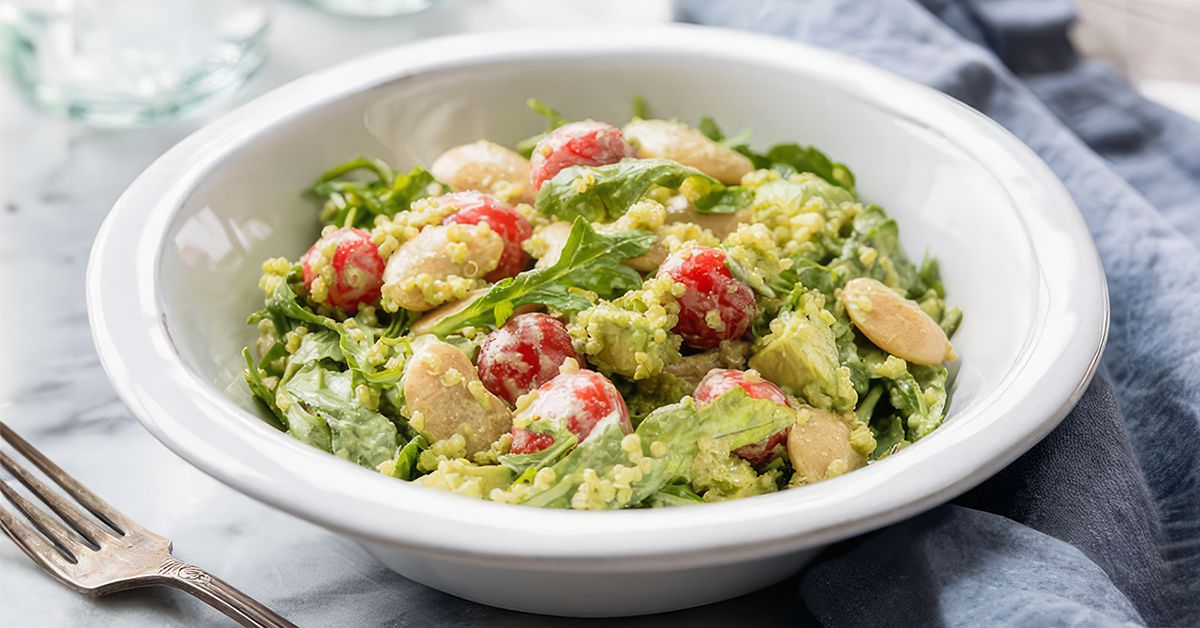
If your lunch routine has started to feel like a sad little parade of beige foods, allow me to introduce the cure: Green Goddess Quinoa Salad Bowls. They’re bright, herby, crunchy, creamy, and just smug enough to make you feel like the kind of person who definitely owns matching food-storage containers. These bowls combine fluffy quinoa, crisp vegetables, creamy green goddess dressing, and a choose-your-own-adventure lineup of toppings into one meal that tastes fresh, filling, and not remotely boring.
The beauty of this bowl is that it manages to be both practical and a little dramatic. Quinoa gives it substance. Greens bring freshness. Herbs make everything taste alive. The dressing is usually the star: a lively green blend of herbs, lemon, garlic, and a creamy base that turns an ordinary bowl into something worthy of a slow nod and a second helping. Whether you want a light dinner, a meal-prep lunch, or a “look at me making sensible choices” moment, this bowl delivers.
What Is a Green Goddess Quinoa Salad Bowl?
A Green Goddess Quinoa Salad Bowl is exactly what it sounds like: a grain bowl built around quinoa and tossed or drizzled with a green goddess-style dressing. The classic green goddess flavor profile leans on fresh herbs like parsley, chives, basil, dill, and tarragon, plus lemon, garlic, and something creamy. Traditional versions may include mayonnaise, sour cream, or even anchovy for a salty, savory punch. Modern versions often swap in Greek yogurt, avocado, tahini, or capers for a lighter or vegetarian twist.
In bowl form, that dressing becomes the glue that ties together vegetables, grains, and protein. The result is a salad that feels more substantial than a pile of lettuce and more refreshing than a heavy grain dish. It lives in that magical middle ground where healthy eating and actually enjoying your food finally agree to stop fighting.
Why Quinoa Works So Well Here
Quinoa is the reliable friend of the grain-bowl world. It cooks relatively quickly, has a pleasantly nutty flavor, and holds up well under a generous spoonful of dressing. It also brings a soft, fluffy texture that balances crisp cucumbers, crunchy seeds, and tender greens. Because it is mild, it acts like a flavor sponge, soaking up lemon, herbs, olive oil, and anything else you invite to the party.
It also earns points for convenience. You can cook a batch ahead of time, chill it, and use it for multiple meals without it turning into a gloomy clump of regret. White quinoa is soft and delicate, red quinoa is a bit firmer, and tri-color quinoa gives you the visual energy of someone who definitely posts attractive lunch photos. Any of them work beautifully in this salad bowl.
One Small Step That Makes a Big Difference
If your quinoa ever tastes slightly bitter or oddly soapy, the fix is simple: rinse it well before cooking unless the package clearly says it is pre-rinsed. This helps wash away the natural coating that can affect flavor. It is one of those tiny kitchen habits that takes less than a minute and saves you from wondering why your virtuous lunch tastes like dishwater with ambition.
The Anatomy of a Great Green Goddess Bowl
The best Green Goddess Quinoa Salad Bowls are all about contrast. You want creamy and crunchy, cool and savory, bright and hearty. When every bite has a little texture and a little zing, the bowl feels satisfying instead of flat.
1. The Base
Start with cooked quinoa. Let it cool slightly if you want a chilled salad, or serve it a little warm for a cozier bowl. You can also layer it with baby spinach, arugula, chopped romaine, kale, or spring greens. The quinoa makes it a meal; the greens keep it fresh.
2. The Green Things
This is where the bowl earns its “goddess” title. Great choices include cucumber, avocado, sugar snap peas, edamame, asparagus, green beans, broccoli, zucchini ribbons, peas, and thinly sliced celery. If it’s green and has even a little personality, it probably belongs here.
3. The Protein Boost
For a vegetarian bowl, chickpeas, white beans, tofu, tempeh, or edamame work beautifully. If you eat seafood or meat, grilled chicken, salmon, shrimp, or even a sliced boiled egg can take the bowl from “nice lunch” to “I fear I may be thriving.”
4. The Crunch Factor
Never underestimate crunch. Toasted pepitas, sunflower seeds, pistachios, almonds, crispy chickpeas, radishes, or shredded cabbage wake everything up. Without crunch, a salad bowl can drift into soft, creamy sameness. We are aiming for lively, not sleepy.
5. The Green Goddess Dressing
This is the magic wand. A good dressing should taste bright, herbaceous, a little tangy, and rich enough to coat the ingredients without drowning them. Think of it as a supportive lead actor: glamorous, yes, but still committed to the ensemble.
How to Build the Best Green Goddess Dressing
There are many ways to make green goddess dressing, but the most dependable versions follow a simple formula: fresh herbs + acid + garlic + creamy base + fat + seasoning. Once you understand that framework, you can improvise with confidence instead of panic-buying another bottled dressing that tastes like chilled confusion.
Classic Flavor Profile
A classic version might include parsley, chives, basil, and tarragon blended with lemon juice, olive oil, garlic, and a creamy base such as mayo, yogurt, or sour cream. Some versions use anchovy for deep savory flavor. Vegetarian versions often replace that briny note with capers. Avocado can add body, while tahini gives it a nutty, creamy edge.
What Makes It Taste Balanced
The herbs provide freshness. Lemon wakes everything up. Garlic gives it backbone. Olive oil smooths it out. The creamy element helps it cling to quinoa and vegetables instead of sliding sadly to the bottom of the bowl. Salt and pepper bring the whole thing into focus, and a small spoonful of Dijon mustard can help emulsify the dressing while adding a subtle savory kick.
If your dressing tastes too sharp, add more creamy base. If it feels too heavy, squeeze in more lemon. If it tastes flat, it usually needs salt, herbs, or both. This is not failure. This is editing.
A Simple Blueprint for Green Goddess Quinoa Salad Bowls
You do not need a rigid recipe to make these bowls work. A flexible template is often better because it helps you use what you already have.
Easy Bowl Formula
- 1 cup cooked quinoa
- 1 to 2 cups greens
- 1 cup mixed vegetables
- 1/2 to 1 cup protein
- 2 to 4 tablespoons green goddess dressing
- 1 crunchy topping
- 1 optional finishing touch, like avocado, feta, pickled onions, or fresh herbs
A delicious combination might include quinoa, baby spinach, cucumber, snap peas, avocado, chickpeas, toasted pepitas, and a lemony green goddess dressing. Another version could lean heartier with roasted broccoli, kale, grilled chicken, and a thicker yogurt-based herb sauce. A spring-inspired bowl might feature asparagus, peas, radishes, and lots of dill and chives. The structure stays the same even when the mood changes.
Flavor Variations That Keep It Interesting
Spring Green Bowl
Use asparagus, peas, radishes, arugula, and soft herbs. Keep the dressing light and lemon-forward. Add feta or goat cheese if you want a little creamy tang.
Protein-Packed Lunch Bowl
Pair quinoa with edamame, chickpeas, avocado, chopped cucumbers, and sunflower seeds. Use a Greek-yogurt-based dressing for extra creaminess and a satisfying lunch that actually gets you through the afternoon.
Roasted Veggie Bowl
Roast broccoli, zucchini, and green beans until slightly charred, then serve them over quinoa with a punchy herb dressing. Roasted vegetables bring sweetness and depth, which is helpful if you like your salads with more “dinner” energy.
Mediterranean-Style Green Goddess Bowl
Build with quinoa, romaine, cucumbers, herbs, olives, chickpeas, and a caper-forward dressing. Add crumbled feta and a few pickled onions for extra tang and contrast.
Meal Prep, Storage, and Make-Ahead Tips
This bowl is wonderfully meal-prep-friendly, but only if you treat the components like separate roommates instead of forcing them all into one tiny apartment too early. Store cooked quinoa in one container, chopped vegetables in another, dressing in a jar, and delicate ingredients like avocado separately until serving time.
For the best texture, assemble just before eating or keep the dressing on the side until the last minute. Quinoa holds up well in the refrigerator, and many of the vegetables used in this bowl do too. If you are making lunches for several days, choose sturdy ingredients such as cucumbers, cabbage, kale, snap peas, edamame, or roasted broccoli rather than fragile greens that wilt at the first sign of responsibility.
From a food-safety perspective, leftovers are generally best used within a few days when refrigerated properly. That means chill cooked ingredients promptly, keep them cold, and avoid leaving dressed bowls sitting out for long stretches. Your future self deserves a good lunch, not a risky science project.
Common Mistakes to Avoid
Using Bland Quinoa
Cook quinoa in water if you must, but broth, a pinch of salt, lemon zest, or a bay leaf can make it more flavorful. Plain quinoa is fine. Seasoned quinoa is memorable.
Overdressing the Bowl
Green goddess dressing is glorious, but too much can turn the bowl into a creamy swamp. Start lightly, toss, taste, and add more only if needed.
Forgetting Texture
Soft ingredients need crunchy friends. Seeds, nuts, radishes, crispy chickpeas, and celery can keep the bowl from becoming one-note.
Skipping Acid
If your bowl feels heavy, it probably needs more brightness. A squeeze of lemon right before serving can rescue the whole thing.
Why This Bowl Keeps Showing Up in Real Life
There is a reason bowls like this keep resurfacing in home kitchens, meal-prep blogs, wellness menus, and picnic tables. They are adaptable, colorful, and practical. You can make them vegetarian, gluten-free, higher in protein, dairy-free, or extra hearty without losing the core appeal. They also make smart use of herbs and leftover vegetables, which is useful if your produce drawer tends to become a graveyard of good intentions.
Most importantly, Green Goddess Quinoa Salad Bowls feel good to eat. Not in a preachy, joyless way. In a genuinely satisfying way. They are fresh but substantial, wholesome but flavorful, and structured enough to be dependable while still leaving room for creativity. In other words, they are the rare healthy meal that does not require a pep talk.
Experiences With Green Goddess Quinoa Salad Bowls
One of the nicest things about these bowls is how naturally they slide into everyday life. They are not “special occasion” food, but they do have a way of making ordinary moments feel a little more put together. A bowl like this on a Tuesday lunch break can feel oddly luxurious, especially if the rest of the day is made of emails, errands, and the kind of low-level chaos that causes people to eat crackers over the sink. You open the container, drizzle on the dressing, and suddenly you are a person with a plan.
They also travel well, which makes them ideal for office lunches, road-trip pit stops, and park picnics. Unlike delicate salads that collapse into sadness by noon, quinoa bowls are sturdier. The greens can stay crisp, the grains stay fluffy, and the dressing can be added at the last minute for maximum freshness. That makes the experience of eating one feel intentional instead of accidental. It is meal prep, yes, but with a little self-respect.
At home, these bowls are especially great when you want dinner to feel fresh without cooking a complicated meal. If you have leftover quinoa, a few vegetables, and a jar of green goddess dressing in the fridge, dinner is suddenly less of a question and more of a pleasant assembly project. This is the culinary version of finding twenty dollars in your coat pocket. You did not forget you had ingredients; you simply gave your future self a gift.
There is also something deeply satisfying about how customizable these bowls are when feeding a family or a group. Put out quinoa, greens, chopped vegetables, proteins, crunchy toppings, and dressing, and everyone can build their own version. One person adds avocado and chickpeas. Another goes heavy on herbs and roasted broccoli. Someone else piles on feta like they are trying to prove a point. Nobody is stuck negotiating over one fixed recipe, and everyone gets a bowl that feels personal.
Seasonally, these bowls can shift in small but lovely ways. In spring, they feel bright and green with asparagus, peas, dill, and radishes. In summer, cucumbers, herbs, and grilled zucchini make them crisp and cool. In colder months, roasted vegetables and heartier greens create a version that is still fresh but a little more grounded. That flexibility means the experience never really gets old. It changes just enough to keep you interested.
And then there is the emotional appeal, which should not be underestimated. A bowl full of green herbs, crunchy vegetables, and creamy dressing simply looks alive. It has color, texture, and that quiet confidence of food that knows exactly what it is doing. You may still be eating lunch at your desk. You may still have laundry waiting. But for ten or fifteen minutes, you are holding a bowl that feels fresh, balanced, and a little bit victorious. Frankly, that counts for something.
Final Thoughts
If you are looking for a meal that is fresh, flexible, filling, and easy to make your own, Green Goddess Quinoa Salad Bowls are a smart choice. They offer the best parts of a good grain bowl and a great salad in one format: hearty quinoa, crisp vegetables, creamy herb dressing, and enough room for protein, crunch, and seasonal flair. Build one with what you have, taste as you go, and let the dressing do its thing. Your lunch routine will thank you.












