
Mold on houseplants is one of those tiny indoor mysteries that can make a calm plant parent suddenly feel like a detective in a very damp crime drama. One morning your pothos is minding its business, and the next, the soil looks like it has grown a fuzzy white sweater. Or maybe your begonia leaves are dusted with a suspicious powder that definitely was not part of the nursery tag.
The good news: not every white, gray, or fuzzy growth on a houseplant is a disaster. Some mold on houseplant soil is mostly a sign of too much moisture and not enough airflow. Other problems, like powdery mildew on leaves or root rot below the soil, need quicker action. The trick is learning what you are looking at before you start treating your innocent peace lily like it committed a felony.
This guide explains how to identify mold on indoor plants, remove it safely, treat common fungal issues, and prevent mold from returning. Your plants do not need drama. They need drainage, light, clean leaves, and a watering routine that does not resemble a monsoon season.
What Causes Mold on Houseplants?
Mold appears when moisture, organic matter, and still air get together and throw a tiny fungus party. Indoor plants are especially vulnerable because pots create a controlled environment where water may linger longer than expected. Add low light, a decorative pot with no drainage, old potting mix, fallen leaves, or a crowded plant shelf, and you have the perfect setting for mold growth.
The most common causes of mold on houseplants include overwatering, poor drainage, compacted soil, high humidity, poor air circulation, decaying plant debris, contaminated potting mix, and watering over the leaves instead of at the soil line. In many cases, the mold itself is not the biggest danger. It is the soggy condition that allowed mold to grow in the first place.
Think of mold as your plant’s passive-aggressive note: “Dear human, I am too wet.”
First, Identify the Problem
Before you treat mold on houseplants, figure out where it is growing and what it looks like. Soil mold, powdery mildew, gray mold, mineral buildup, and pests can look similar at first glance. The right diagnosis saves time, protects the plant, and prevents you from doing unnecessary damage.
White Fuzzy Mold on Soil
White fuzzy mold on houseplant soil is often saprophytic fungus. That means it feeds on decaying organic material in the potting mix, not usually on the living plant itself. It commonly appears as soft white or pale yellow fuzz across the soil surface, especially after repeated watering or in rooms with low airflow.
In small amounts, this soil mold is usually more ugly than dangerous. However, it is still a warning sign. Wet soil can invite fungus gnats, weaken roots, and eventually lead to root rot. So while you do not need to panic, you should not ignore it either.
Powdery Mildew on Leaves
Powdery mildew looks like a white or gray powder sprinkled over leaves, stems, buds, or flowers. It may start as small circular spots and gradually spread into a larger dusty coating. It commonly affects indoor plants such as African violets, begonias, jade plants, kalanchoe, ivy, rosemary, and poinsettias.
Unlike soil mold, powdery mildew grows on living plant surfaces. It can distort leaves, slow growth, weaken the plant, and make foliage look like it lost a fight with a flour bag. Powdery mildew likes poor air circulation, low light, cool indoor conditions, and humid surroundings.
Gray Mold on Flowers or Leaves
Gray mold, often associated with Botrytis, usually appears as fuzzy gray-brown growth on aging flowers, damaged tissue, or older leaves. It often attacks weakened plant parts first. If your plant has faded blooms, dead leaves, or wet foliage sitting in a still corner, gray mold may show up for dinner.
White Crust That Is Not Mold
Sometimes the “mold” on soil is not mold at all. A white, crusty layer on soil or around the rim of a pot may be mineral salt buildup from tap water or fertilizer. Mold is usually fuzzy or fluffy. Mineral buildup is usually dry, gritty, and crust-like. This matters because mineral buildup is treated by flushing the soil, reducing fertilizer, or switching water sourcesnot by treating fungus.
Mealybugs: The Sneaky Lookalike
Mealybugs can look like small bits of white cotton tucked into leaf joints, stems, or undersides of leaves. Unlike mold, they are insects. They may cluster in hidden areas and leave sticky residue. If the white material moves, appears in clumps on the plant rather than the soil, or is paired with sticky leaves, check for pests before assuming you have mold.
How to Get Rid of Mold on Houseplant Soil
If the mold is only on the soil surface and the plant otherwise looks healthy, start with a gentle cleanup and environmental reset.
Step 1: Move the Plant Away From Others
Isolation is smart plant parenting. Move the affected plant away from your collection while you inspect and treat it. This is especially important if you suspect powdery mildew, gray mold, or pests. Your plant shelf does not need a group project.
Step 2: Protect Yourself
For a small amount of soil mold, gloves are usually enough. If you are sensitive to mold, have allergies, asthma, or are cleaning a larger moldy mess, wear gloves, eye protection, and a mask such as an N95. Avoid stirring moldy soil indoors where spores can spread through the air.
Step 3: Scrape Off the Moldy Soil
Use a spoon, small trowel, or gloved hand to remove the top half inch to one inch of moldy soil. Throw it away in a sealed bag. Do not compost it indoors. Also remove fallen leaves, dead stems, old flowers, and any decaying material sitting on the soil surface.
Step 4: Let the Soil Dry Properly
After removing the mold, give the plant a chance to dry out. Do not water again until the top layer of soil is dry, unless the plant is a moisture-loving species that needs consistently damp soil. Even then, “moist” should not mean “swamp with leaves.”
A simple finger test works well for many common houseplants: place your finger about one to two inches into the soil. If it feels wet, wait. If it feels dry and the plant actually needs water, water thoroughly and let the excess drain.
Step 5: Improve Drainage
Drainage holes are not optional decoration. They are life support. If the pot has no drainage hole, repot the plant into one that does. If you love a decorative cachepot, keep the plant in a nursery pot inside it, then remove the nursery pot when watering so water can drain completely before it goes back inside.
Do not rely on a layer of rocks at the bottom of a pot to “fix” drainage. A better solution is a container with drainage holes and a potting mix suited to the plant. For succulents and cacti, use a fast-draining mix. For tropical foliage plants, use a quality indoor potting mix with enough aeration to avoid compaction.
Step 6: Repot If Mold Keeps Coming Back
If mold returns repeatedly, the potting mix may be too dense, old, contaminated, or moisture-retentive. Repot the plant in fresh, sterile, well-draining potting mix. Wash the pot before reusing it. Trim away any mushy, black, or foul-smelling roots, because those are signs of root rot.
How to Treat Powdery Mildew on Indoor Plants
If the white growth is on leaves or stems, treat it as powdery mildew unless you identify another issue. Powdery mildew is easier to manage early, so do not wait until your plant looks like it was dusted for fingerprints.
Step 1: Isolate the Plant
Move the infected houseplant away from others. Powdery mildew spores can spread, especially among susceptible plants or in conditions that favor disease.
Step 2: Remove Infected Leaves
Use clean scissors or pruners to remove heavily infected leaves, flowers, or stems. Throw infected material in the trash. Do not shake it around the room like a snow globe. Clean your tools afterward with rubbing alcohol or a disinfecting wipe.
Step 3: Improve Airflow and Light
Powdery mildew loves still air. Space plants so leaves are not touching. Move the plant to brighter indirect light if it can tolerate it. A small fan set on low in the room can help keep air moving, but avoid blasting delicate leaves directly.
Step 4: Stop Wetting the Leaves
Water at the soil line instead of overhead. Avoid misting plants that are prone to mildew. Misting may feel luxurious, like a spa day for foliage, but on susceptible plants it can create the damp leaf surface fungi adore.
Step 5: Use Fungicides Carefully
For severe cases, use a fungicide labeled for indoor houseplants and the specific disease. Always read and follow the label. Some products may need to be applied outdoors or in a well-ventilated area. Test any spray on a small area first, because sensitive plants can react badly to treatments.
Home remedies such as baking soda sprays are often discussed among gardeners, but they can damage some leaves and may leave residue. If you try one, test first and avoid treating stressed plants aggressively. Cultural controlsbetter airflow, less leaf wetness, less crowding, and removal of infected partsare usually the most important steps indoors.
How to Handle Root Rot Related to Moldy Soil
Moldy soil and root rot are not the same thing, but they often share the same cause: too much moisture. Root rot happens when roots sit in wet, oxygen-poor soil and begin to decay. Pathogens may take advantage of those conditions, and the plant can decline quickly.
Signs of root rot include yellowing leaves, wilting even when soil is wet, soft stems near the soil line, a sour or rotten smell, and roots that are brown, black, mushy, or fragile instead of firm and pale.
Root Rot Rescue Plan
Remove the plant from its pot and gently shake or rinse away old soil. Trim off all mushy or dead roots with clean scissors. If plenty of healthy roots remain, repot in fresh sterile potting mix and a clean container with drainage holes. Water lightly after repotting, then let the plant recover in suitable light. If most roots are gone and the stem is collapsing, the plant may not be salvageable. It hurts, but sometimes the compost bin gets the final rose.
Prevention Tips: How to Stop Mold From Coming Back
The best mold treatment is prevention. Once you correct the moisture problem, mold becomes far less likely to return.
Water Based on the Plant, Not the Calendar
“Water every Saturday” sounds organized, but plants do not read calendars. Their water needs change with light, season, temperature, humidity, pot size, and growth rate. Check the soil before watering. Many houseplants prefer the top inch or two of soil to dry before the next drink.
Use Pots With Drainage Holes
A pot without drainage turns watering into a guessing game. Choose containers with drainage holes and empty saucers after watering. Never let plants sit in standing water.
Choose the Right Potting Mix
Garden soil is too dense for indoor pots and may bring in pests or pathogens. Use fresh indoor potting mix. If the plant needs extra drainage, amend with perlite, bark, pumice, or a plant-specific mix.
Increase Air Circulation
Do not pack plants together so tightly that leaves overlap for days. Give each plant breathing room. Good airflow helps soil surfaces dry more evenly and reduces fungal disease pressure on foliage.
Clean Up Dead Plant Material
Dead leaves, faded flowers, and broken stems are fungal snacks. Remove them regularly from the soil surface. A tidy pot is not just prettier; it is healthier.
Adjust Winter Care
Many houseplants grow more slowly in winter, especially in lower light. Slower growth means they use less water. If you keep watering like it is July, the soil may stay wet too long. Reduce watering frequency during low-light months and keep plants away from cold drafts.
Inspect New Plants Before Bringing Them Home
Look at the soil, stems, leaf undersides, and pot before buying a plant. Avoid plants with obvious mildew, mushy stems, pest clusters, or sour-smelling soil. A bargain plant with hidden problems can become the most expensive “deal” on your shelf.
Common Mistakes to Avoid
Do not pour vinegar into houseplant soil to kill mold. Vinegar can damage roots and change soil chemistry. Do not spray bleach on plants or soil. Bleach is for hard surfaces, not tender foliage and living roots. Do not cover moldy soil with decorative stones and pretend the problem is gone. That is basically putting a tiny hat on a moisture problem.
Also avoid constant misting, especially around plants prone to powdery mildew. If a plant needs humidity, use a humidifier carefully, group compatible plants with space between them, or use a pebble tray without letting the pot sit in water.
When Should You Throw Away a Moldy Houseplant?
Most houseplants with surface soil mold can be saved. Many plants with early powdery mildew can recover too. Consider discarding the plant if it has severe root rot, collapsing stems, widespread gray mold, repeated disease despite repotting and care changes, or a pest infestation that keeps spreading to other plants.
Discarding a plant is not failure. It is plant collection management. Sometimes protecting ten healthy plants matters more than endlessly rescuing one plant that has chosen chaos.
Experience-Based Tips From Real Plant Care Situations
After dealing with moldy houseplant soil many times, one pattern becomes obvious: the mold is rarely random. It usually follows a care habit that seemed helpful at the time. For example, a new plant owner may water lightly every day because they want to be attentive. The plant, unfortunately, does not experience this as love. It experiences it as living in a wet sock.
One of the most useful habits is lifting the pot before and after watering. A dry pot feels surprisingly light. A wet pot feels heavier. Over time, this becomes more reliable than guessing from the soil surface alone. The top may look dry while the root zone is still damp, especially in large pots or dense soil.
Another practical lesson: decorative pots cause many mold problems. They look beautiful, but if water collects at the bottom, roots suffer quietly. A simple fix is to keep the plant in a plastic nursery pot with drainage, place it inside the decorative pot, and remove it for watering. Let it drain fully in the sink before returning it. This one habit prevents a shocking number of fungal issues.
Plant spacing also matters more than beginners expect. A windowsill packed with plants looks lush on social media, but crowded leaves trap humidity and block airflow. When plants are spaced slightly apart, leaves dry faster, powdery mildew is less likely, and pests are easier to spot. Your plants do not need to sit shoulder-to-shoulder like commuters on a Monday train.
Soil choice can also change everything. A heavy, peat-rich mix may stay wet too long for succulents, snake plants, ZZ plants, and other drought-tolerant houseplants. Adding perlite or using a faster-draining mix can reduce mold and root rot risk. On the other hand, moisture-loving tropical plants still need drainage; they just do not want to dry out as aggressively.
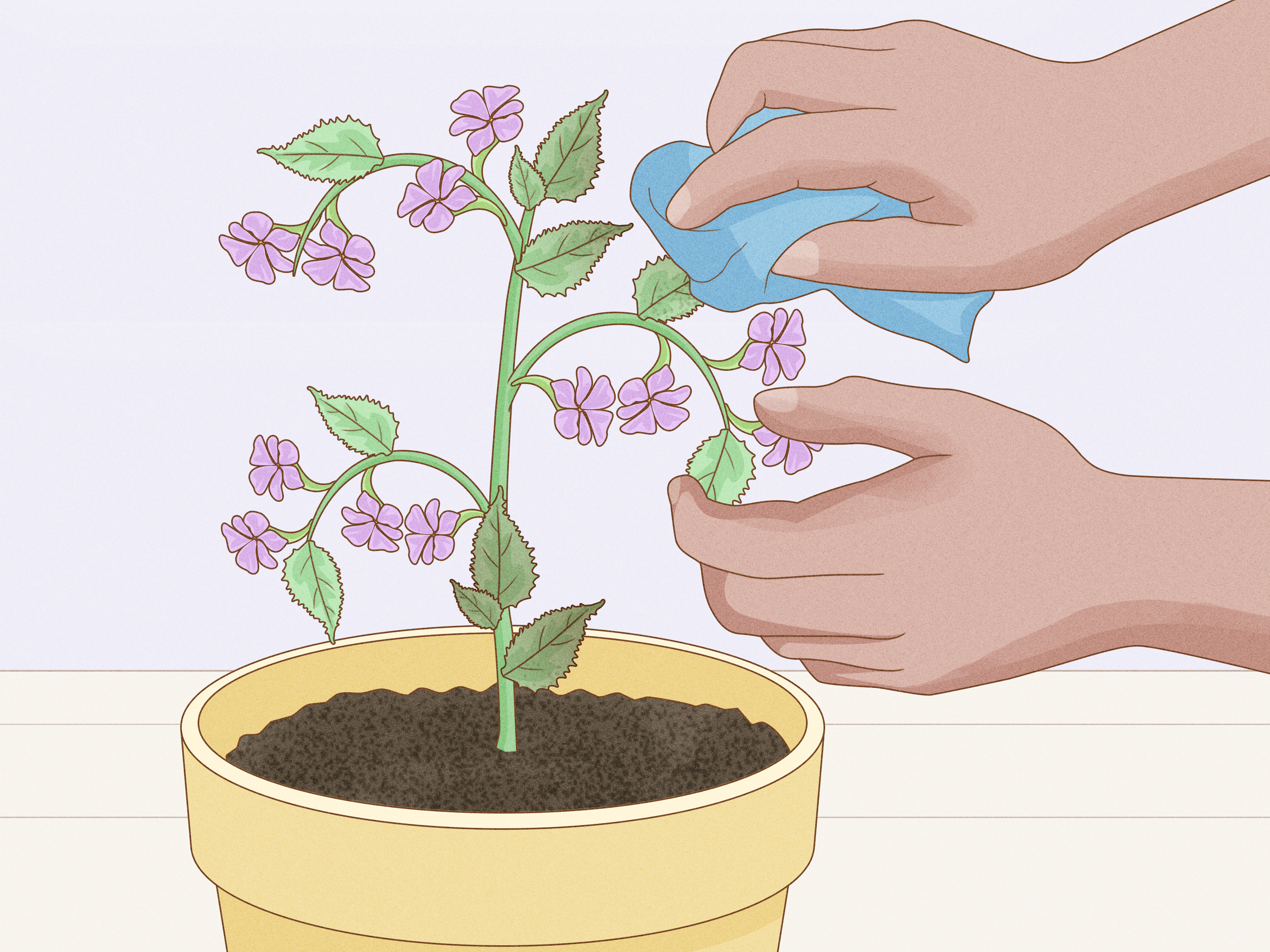
Cleaning leaves is another underrated prevention step. Dusty leaves receive less light and make it harder to notice early mildew or pests. Wiping broad leaves with a damp cloth every few weeks keeps the plant healthier and makes problems easier to catch. For fuzzy-leaved plants like African violets, use a soft brush instead of wet wiping.
Finally, the best long-term mold prevention tip is to observe before acting. Yellow leaves do not always mean “add water.” Wilting does not always mean “add water.” Sometimes a wilting plant is already drowning. Check the soil, inspect the roots if needed, and look at the whole environment: light, pot, airflow, temperature, and recent changes. Houseplants usually tell the truth, but they whisper. Mold is one of the louder messages.
Conclusion
Getting rid of mold on houseplants starts with identification. White fuzzy growth on soil is often a moisture warning. Powdery mildew on leaves is a fungal disease that needs pruning, airflow, and better growing conditions. Gray mold points to old, wet, decaying plant tissue. White crust may simply be mineral buildup. Once you know the difference, treatment becomes much easier.
Remove visible mold, clean away dead plant material, improve drainage, water less often, increase airflow, and repot when soil stays wet or contaminated. Most importantly, stop treating watering like a love language. For houseplants, love often looks like patience, drainage holes, and leaving them alone for a few more days.











