
When police in Gardner, Kansas heard reports of a possible mountain lion near Celebration Park, they did what any responsible department would do: they took it seriously. A large predator in a public area is not the kind of neighborhood surprise anyone wants sandwiched between soccer practice and a picnic lunch.
So officers set up trail cameras, expecting to capture the usual nighttime suspects: coyotes, raccoons, foxes, maybe a deer with the confidence of a homeowner inspecting property lines. What they found instead became one of those rare internet stories that feels almost too wholesome to be real.
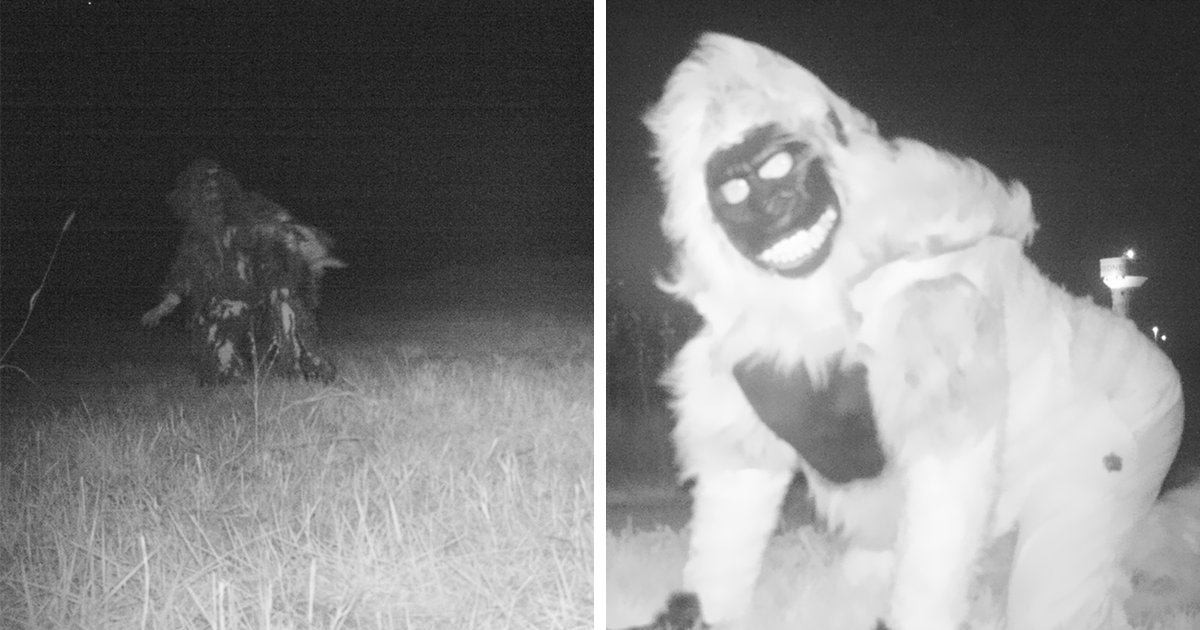
The cameras did not capture a mountain lion. They captured costumed people posing like forest cryptids, including gorillas, Santa Claus, strange masked figures, and a cast of characters that looked as if Halloween had wandered into a police wildlife investigation and refused to leave. The result was funny, surprisingly useful, and a perfect reminder that sometimes community life is at its best when nobody gets hurt, everybody laughs, and the raccoon still gets top billing.
The Mountain Lion Report That Started It All
Mountain lion sightings tend to travel fast, especially in towns where people know the difference between an ordinary wildlife rumor and a “please bring the kids inside” kind of rumor. In Gardner, the report focused on the area around Celebration Park, a public space where families, walkers, and local wildlife all cross paths.
Police could not simply shrug and say, “Probably a very athletic house cat.” Mountain lions, also called cougars, pumas, or panthers depending on region and local storytelling style, are powerful predators. Although attacks on people are rare, public safety officials have to verify reports when a large animal may be moving near trails, fields, or playgrounds.
That is why the department placed motion-activated trail cameras in the area. These cameras are commonly used by wildlife researchers, park agencies, hunters, and conservation groups because they can quietly record activity without a person standing there all night with coffee, binoculars, and increasing regret.
The plan was sensible: collect images, review the evidence, and determine whether there was truly a mountain lion in the park. The officers expected nature. They got nature, theater, and possibly the most committed pranksters in Kansas.
What The Trail Cameras Actually Found
The cameras did capture real wildlife. Reports mentioned animals such as coyotes, raccoons, and skunks, which are exactly the kind of creatures you expect to see on a nighttime camera. A skunk on a trail camera is not shocking. It is basically the night shift clocking in.
But then came the images nobody expected: people in costumes walking, posing, and performing for the camera. There were gorilla suits. There was Santa Claus. There were odd masks, dramatic stances, and a general atmosphere of “the forest has been taken over by community theater.”
Instead of treating the incident as a nuisance, the Gardner Police Department responded with humor. The department thanked the people responsible, noting that the images made their day. That reaction helped the story spread far beyond Gardner. Local news covered it, national outlets picked it up, and the internet briefly agreed on something: this was funny.
That is no small achievement. Online, people can argue about sandwich shapes. Yet here was a police trail camera story that produced mostly laughter, curiosity, and appreciation for a harmless joke done with surprising dedication.
Why The Story Went Viral
The story had all the ingredients of a viral hit. First, there was suspense: a possible mountain lion in a public park. Then came the twist: no mountain lion, but plenty of “wildlife” in the form of humans dressed like escaped characters from a low-budget monster movie. Finally, there was a warm public response from police, which turned the whole thing into a community moment instead of a scolding.
People love stories that break the usual pattern. A police department setting up cameras sounds serious. A mountain lion report sounds tense. Trail-camera footage usually suggests eerie green night vision and glowing animal eyes. But costumed pranksters? That is the narrative equivalent of opening a mystery box and finding a rubber chicken wearing a badge.
The humor worked because it stayed harmless. The pranksters did not damage equipment, interfere with an emergency, or create panic. They simply noticed the cameras and decided to become the weirdest possible data set. In a world full of stressful headlines, a little absurdity can feel like fresh air.
The Real Role Of Trail Cameras In Wildlife Monitoring
Behind the comedy, the Gardner incident shows why trail cameras are so useful. Motion-activated cameras can help document animals that move at night, avoid people, or cover large territories. Conservation groups and researchers use them to study animal movement, confirm sightings, identify species, and understand how wildlife shares space with humans.
A trail camera is patient in a way no person can be. It does not get bored after three hours. It does not sneeze at the wrong moment. It does not say, “Maybe the mountain lion took the weekend off.” It sits quietly and waits for movement.
That makes trail cameras especially helpful for elusive animals. Mountain lions are famously secretive. Even in places where they are known to live, many people go their whole lives without seeing one in the wild. Cameras help fill that gap by recording what happens when humans are not around.
Of course, cameras also record surprises. A curious raccoon may inspect the lens. A deer may pose like it has a modeling contract. A person may walk past in a gorilla suit. In that sense, trail cameras do more than capture wildlife. They capture the strange, funny overlap between human neighborhoods and the natural world.
Could A Mountain Lion Really Be In Kansas?
For many readers, the words “Kansas” and “mountain lion” may sound like the beginning of a tall tale. But mountain lions can travel long distances, and confirmed sightings have occurred in states where permanent breeding populations are limited or uncertain. Young males, in particular, may roam widely while searching for territory.
That does not mean every blurry photo, oversized paw print, or fence-line shadow is a cougar. Many supposed sightings turn out to be bobcats, coyotes, dogs, or large house cats with heroic self-esteem. Still, public officials are right to investigate when credible reports come in.
The Gardner case shows the right balance. Police did not overreact, but they did not ignore the report either. They checked the area with cameras, reviewed the evidence, and communicated with the public. When no mountain lion appeared, the community got reassurance. When the costume photos appeared, everyone got a bonus comedy show.
What To Do If You Think You See A Mountain Lion
Even though the Gardner cameras did not capture a mountain lion, the original concern was reasonable. Anyone who lives near parks, wooded areas, or open land should know basic wildlife safety.
Stay Calm And Do Not Run
If you see a mountain lion, do not run. Running can trigger a chase response in predators. Instead, stay calm, face the animal, and back away slowly while giving it space to leave.
Make Yourself Look Bigger
Stand upright, raise your arms, open your jacket if you are wearing one, and speak firmly. The goal is not to act like prey. The goal is to look like a confident human who has absolutely no interest in being part of the food chain today.
Keep Children And Pets Close
Small children and pets should stay close on trails and near wildland areas. If you need to pick up a child, try not to bend over or turn your back on the animal. Pets should be leashed where wildlife may be present.
Report Credible Sightings
If you believe you saw a mountain lion in a populated area, contact local authorities or wildlife officials. Clear details help: location, time, direction of travel, size, behavior, tracks, and any photo or video evidence.
Why The Police Response Worked
The best part of the Gardner story may not be the costumes, although the gorillas deserve honorable mention. The best part is how the police handled it. They took a public safety concern seriously, used a practical tool, reviewed the results, and then shared the unexpected images with good humor.
That kind of response builds trust. It tells residents, “We are paying attention,” while also saying, “We can laugh when the situation allows it.” Not every police call ends with a smile, so when one does, it is worth appreciating.
The department also avoided turning harmless fun into unnecessary trouble. Reports noted that people asked whether a crime had been committed, but the response suggested no harm was done. The cameras were respected, the investigation was not seriously disrupted, and the prank brought a little joy to the officers reviewing what they thought would be routine wildlife images.
The Internet Loves A Good Camera Trap Surprise
Trail-camera surprises have become their own mini-genre online. People enjoy seeing what happens when nobody is supposed to be watching. Sometimes it is a fox leaping through snow. Sometimes it is a bear scratching its back on a tree. Sometimes it is a raccoon staring directly into the lens with the energy of someone caught stealing snacks from the office fridge.
The Gardner story fits that tradition perfectly because it adds human creativity to the mix. The pranksters saw a camera and understood the assignment. They did not just wave. They committed. They returned in costumes. They created scenes. They turned a public safety check into an accidental art project.
That is why the story still works years later. It is not just about a mountain lion that never appeared. It is about the unexpected personality of a community. The cameras were meant to identify wildlife, but they revealed something else: people like to be silly, especially when they know someone official might have to review the footage on Monday morning.
Lessons From A Mountain Lion Camera That Found Everything But A Mountain Lion
There are a few practical lessons here. First, take wildlife reports seriously, especially when large predators may be involved. Second, use evidence before making assumptions. Third, trail cameras are valuable tools, but they are not immune to comedy. Fourth, a good sense of humor can turn a strange situation into a memorable community story.
The Gardner incident also reminds us that public spaces are shared spaces. Parks belong to families, joggers, wildlife, dog walkers, officers, and occasionally mysterious figures in gorilla suits. Managing those spaces requires safety, respect, and sometimes the ability to laugh when the camera roll gets weird.
Most importantly, the story shows that “prepared” does not always mean “ready for anything.” Police were prepared for coyotes, raccoons, foxes, and maybe a mountain lion. They were not prepared for Santa. Honestly, who among us is?
Experiences And Takeaways Related To This Story
Anyone who has spent time around parks, wooded trails, farms, or suburban greenbelts knows that wildlife stories often begin with uncertainty. Someone sees a shape at dusk. A neighbor hears a strange noise near the fence. A blurry camera image appears in a group chat. Within ten minutes, the animal has evolved from “large cat” to “mountain lion” to “prehistoric beast with tax issues.”
That is why the Gardner story feels so relatable. Most communities have experienced some version of it. A report comes in, people get curious, and everyone wants answers. Trail cameras have become popular because they offer a simple way to replace rumor with evidence. They can confirm whether the animal near the creek is a coyote, a bobcat, a dog, or just a raccoon walking with unusual confidence.
One useful experience from stories like this is learning how easily people misjudge animals at night. Distance, shadows, speed, and fear can make ordinary wildlife look much larger. A house cat on a fence can seem dramatic under poor lighting. A coyote crossing a field can look bigger when there is nothing nearby for scale. Even experienced outdoors people can second-guess themselves when an animal appears for only a few seconds.
Another takeaway is that community communication matters. When officials explain what they are doing, residents feel included instead of alarmed. In Gardner, the cameras were a practical response to a possible risk. When the results turned funny, sharing the story helped people relax. The public learned there was no confirmed mountain lion in the camera images, and they also got a laugh from the unexpected “wildlife.”
For homeowners and park visitors, the story also encourages smarter habits. Do not leave pet food outside overnight. Keep small pets supervised, especially near wooded areas. Pay attention to tracks, scat, damaged fencing, or repeated animal activity. If you see something unusual, report it clearly rather than turning it into a rumor tornado. Photos and videos help, but safe distance matters more than getting the perfect shot.
There is also a social lesson hiding inside the joke. The prank worked because it stayed respectful. The people posing for the cameras did not appear to damage property or create danger. They made officers laugh during a routine check. That difference matters. Public humor is best when it adds joy without creating extra work, fear, or risk.
For writers, bloggers, and readers, this story is a great example of why small local events can become memorable. It has suspense, surprise, character, and a clean ending. No one was hurt. No mountain lion had to be removed. The police did their job. The community got a story. The internet got gorillas. That is a rare ecosystem where everyone wins.
In the end, the camera did exactly what it was supposed to do. It showed what was happening in the park when people were not standing there watching. The only twist was that what was happening included both real animals and humans pretending to be much stranger animals. Somewhere, a raccoon probably walked past the same camera and thought, “Amateurs.”
Conclusion
The story of the police camera set up to find a mountain lion is more than a funny viral moment. It is a reminder that public safety, wildlife awareness, and community humor can all meet in the same park after dark. Gardner police responded responsibly to a possible mountain lion report, used trail cameras to gather evidence, and ended up discovering a different kind of local wildlife altogether.
No mountain lion appeared in the footage, but the cameras captured something almost as rare: a harmless prank that made police, residents, and readers laugh. In a time when many headlines feel heavy, that is worth celebrating. Sometimes the best stories are not about the predator in the shadows. Sometimes they are about the neighbors in gorilla suits.












