
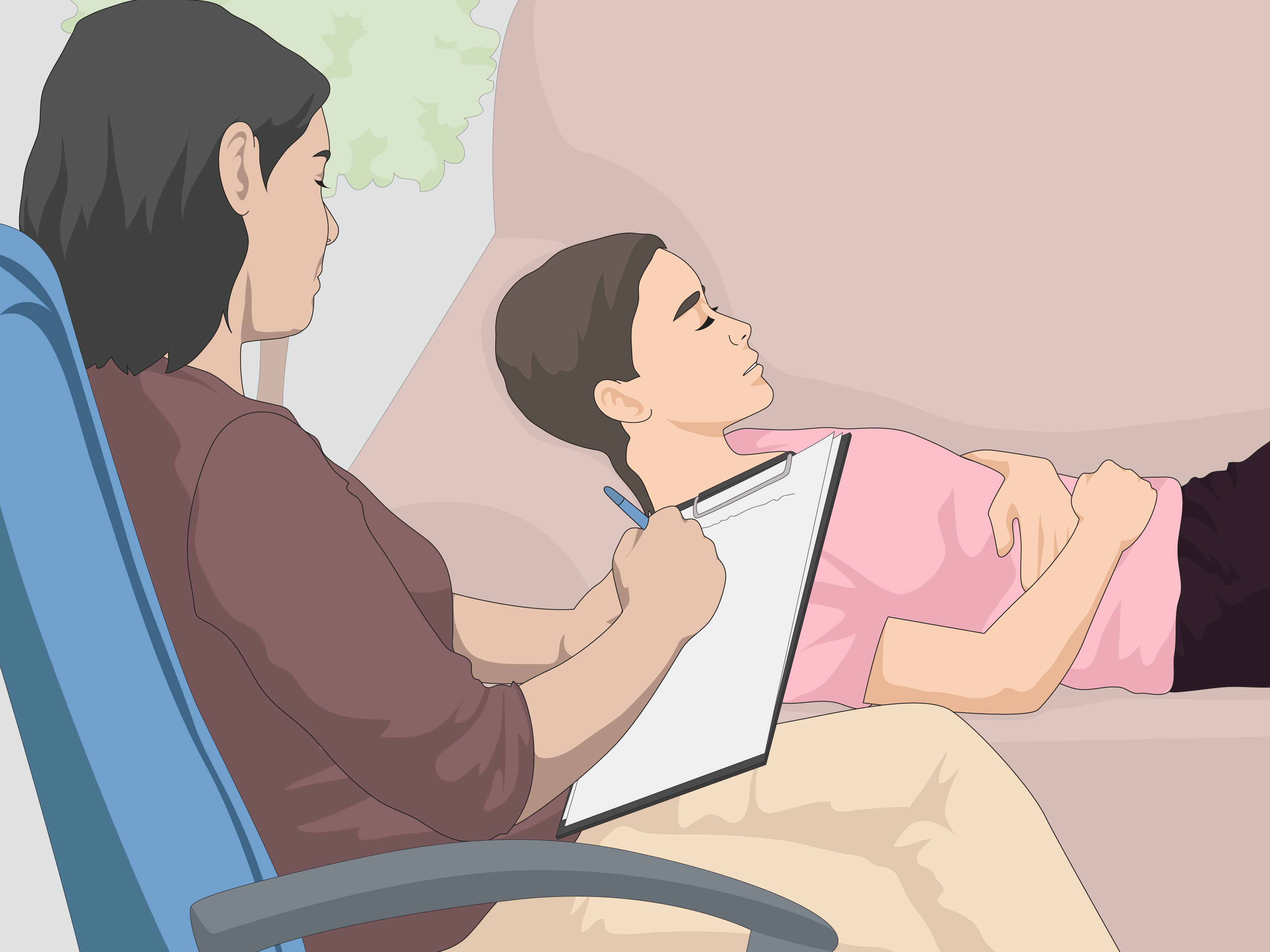
Biting your lips or the inside of your cheeks can feel like the tiniest bad habit with the biggest attitude. One second you are reading email, watching TV, driving, or pretending to listen in a meeting, and the next second your teeth have turned your poor inner cheek into a snack. Not exactly the kind of meal prep anyone recommends.
The good news is that lip biting and cheek biting are common, understandable, and often manageable. Sometimes it is accidental: you chew too fast, your bite lands wrong, or a sharp tooth edge catches soft tissue. Other times it becomes a repetitive habit connected to stress, boredom, concentration, anxiety, teeth grinding, jaw tension, or a rough spot in the mouth that your brain cannot stop “checking.”
This guide explains 4 easy ways to stop biting your lips and cheeks, using a practical mix of oral-health care, habit reversal strategies, stress reduction, and dentist-approved prevention. No shame, no lectures, and no “just stop doing it” nonsense. If stopping were that easy, nobody would be searching for this article with a sore mouth and a suspiciously guilty molar.
Why Do People Bite Their Lips and Cheeks?
Before fixing the habit, it helps to understand what may be causing it. Lip and cheek biting can happen for several reasons, and many people have more than one trigger.
Accidental biting
Accidental cheek biting often happens while eating, talking, laughing, or chewing quickly. It may also happen if you are tired, distracted, or adjusting to dental work such as crowns, fillings, braces, aligners, or dentures. Usually, a one-time bite heals on its own within several days, though it may feel dramatic enough to deserve its own violin soundtrack.
Stress and anxiety
Many people bite their lips or cheeks when they are tense, overwhelmed, or mentally overloaded. The behavior may feel soothing for a moment, especially during work pressure, studying, traffic, arguments, or late-night overthinking. Unfortunately, the relief is temporary, and the tissue damage can keep the cycle going.
Body-focused repetitive behavior
Chronic cheek biting and lip biting may fall under the broader category of body-focused repetitive behaviors, often shortened to BFRBs. These are repetitive self-grooming or self-directed behaviors that can damage the body, such as nail biting, skin picking, hair pulling, or biting the lips and cheeks. Some people are aware they are doing it; others only notice after the soreness arrives like a rude little bill.
Bruxism, jaw clenching, or bite problems
Teeth grinding, jaw clenching, and misaligned teeth can increase the chances of catching the cheek or lip between the teeth. If you wake up with jaw pain, headaches, tooth sensitivity, or flattened tooth edges, your mouth may be working the night shift without your permission.
1. Catch the Habit Before It Catches You
The first easy way to stop biting your lips and cheeks is to build awareness. That sounds simple, but it is powerful because many people bite on autopilot. You cannot redirect a habit you do not notice until your cheek sends an angry text message in the form of pain.
Track when it happens
For three to seven days, keep a quick habit log. It does not need to be fancy. Use a notebook, phone note, calendar app, or sticky note. Each time you notice lip or cheek biting, write down:
- What time it happened
- Where you were
- What you were doing
- How you felt emotionally
- Whether your jaw felt tight
- Whether you were hungry, tired, bored, or stressed
Patterns usually appear faster than expected. You may discover that you bite your cheek during video calls, while scrolling at night, while studying, when concentrating, or when driving. One person may bite only during stress; another may do it when relaxed and zoning out. Your mouth has clues. Your job is to stop treating it like a mystery novel and start reading the plot.
Name your trigger zones
Once you identify common situations, give them names. For example: “deadline jaw,” “traffic cheek,” “Netflix nibble,” or “email clench.” Humor can help because it turns the habit from an invisible enemy into something specific and manageable.
When you enter a trigger zone, use a reminder. Put a small note on your laptop that says “relax jaw,” set a phone reminder every two hours, or place a tiny sticker near your desk. The goal is not to obsess over your mouth all day. The goal is to interrupt the automatic loop long enough to choose a different response.
Practice the neutral mouth position
A helpful awareness cue is the “lips together, teeth apart” position. Your lips can rest gently closed while your teeth remain slightly separated and your tongue rests comfortably against the roof of your mouth. Many people discover that their teeth are touching far more often than they realized. Unless you are chewing food, your teeth do not need to be in constant contact. They are teeth, not coworkers stuck in an awkward team-building exercise.
2. Replace Biting With a Safer Action
The second easy way to stop biting your lips and cheeks is to replace the behavior instead of simply trying to suppress it. This is the core idea behind habit reversal: notice the urge, then use a competing response that makes biting harder or unnecessary.
Use a competing response
A competing response is a small action you do when the urge to bite appears. It should be easy, discreet, and safe. Try one of these:
- Press your tongue gently to the roof of your mouth.
- Let your jaw drop slightly so your teeth are apart.
- Take three slow breaths through your nose.
- Hold a sip of water in your mouth for a few seconds, then swallow.
- Chew sugar-free gum for a short period if your dentist says it is appropriate.
- Use a smooth oral-safe chew tool only if recommended by a healthcare professional.
The best replacement depends on why you bite. If you bite because your mouth feels restless, a physical substitute may help. If you bite because of stress, breathing and jaw relaxation may work better. If you bite because you keep feeling a rough patch, avoid “checking” it with your teeth or tongue, because that can keep the irritation alive.
Keep your hands busy
Sometimes lip and cheek biting is part of a bigger restlessness pattern. If your mouth gets busy when your brain is overloaded, give your hands a job. Try a stress ball, pen grip, textured ring, fidget cube, knitting, doodling, or folding laundry. Yes, folding laundry may finally have a purpose beyond making socks disappear.
For work or school, choose something quiet and socially invisible. A smooth worry stone in your pocket can be enough. During screen time, keep a glass of water nearby and take small sips when you notice your jaw tightening.
Reward progress, not perfection
Stopping lip biting or cheek biting rarely happens overnight. Instead of demanding a perfect day, aim for more awareness and fewer episodes. Celebrate small wins: one meeting without biting, one evening with less soreness, one stressful email answered with breathing instead of chewing your cheek like office stationery.
Progress matters because repetitive oral habits are often reinforced by stress relief, texture seeking, or unconscious repetition. Every time you catch the habit and choose another action, you are teaching your brain a new route.
3. Reduce Stress, Jaw Tension, and Mouth Irritation
The third easy way to stop biting your lips and cheeks is to make your mouth a calmer place to live. When stress rises, the jaw often tightens. When the jaw tightens, the teeth get closer to the lips and cheeks. When the tissue is already irritated, the urge to bite can increase. It is a loop, and loops are easier to break when you interrupt several parts at once.
Try a 60-second jaw reset
Use this quick reset several times a day, especially before high-trigger activities:
- Drop your shoulders.
- Unclench your jaw.
- Let your teeth separate slightly.
- Place your tongue gently behind your upper front teeth or on the roof of your mouth.
- Inhale through your nose for four counts.
- Exhale slowly for six counts.
- Repeat three times.
This does not require incense, a mountain view, or a personality transplant. It simply reminds your nervous system and jaw muscles that they are allowed to clock out.
Avoid irritating foods while healing
If you already have a sore spot, give it a chance to recover. Spicy foods, acidic foods, sharp chips, crunchy toast, citrus, alcohol-based mouthwash, and very hot drinks can irritate damaged tissue. Choose softer, bland foods for a few days if your mouth is tender. Think yogurt, smoothies, oatmeal, scrambled eggs, soups that are warm rather than lava-hot, and pasta soft enough to make your Italian grandmother only mildly suspicious.
Support healing with gentle oral care
Keep brushing and flossing, but be gentle around sore areas. Use a soft-bristled toothbrush. Rinse with water after meals. If a mouth sore is painful, ask a dentist or pharmacist about over-the-counter oral rinses or protective gels. Avoid poking the sore with your tongue every nine seconds “just to check.” That is not checking. That is reopening negotiations with pain.
Manage stress outside the mouth
If stress is a major trigger, mouth-only solutions may not be enough. Add simple stress outlets that fit your life: walking, stretching, journaling, breathing exercises, therapy, better sleep routines, less caffeine late in the day, or setting boundaries with people who make your jaw clench from across the room.
When lip biting or cheek biting is tied to anxiety, emotional overwhelm, or compulsive urges, a mental health professional can help. Cognitive behavioral therapy, habit reversal training, and related strategies can teach you how to notice urges earlier and respond differently.
4. Check for Dental Causes and Protect Your Mouth
The fourth easy way to stop biting your lips and cheeks is to rule out physical causes. Sometimes the issue is not just a habit. Your teeth, dental work, jaw position, or bite alignment may be making it easier for your soft tissue to get caught.
See a dentist if biting keeps happening
Schedule a dental visit if you repeatedly bite the same spot, have a rough or sharp tooth, recently had dental work, wear braces or dentures, or notice a sore that does not heal. A dentist can check for sharp edges, broken fillings, uneven crowns, orthodontic issues, cheek swelling, mouth ulcers, mucoceles, fibromas, or signs of grinding and clenching.
A small adjustment to a rough filling or crown can sometimes make a big difference. If your bite is misaligned, orthodontic treatment or other dental care may be recommended. If nighttime grinding is part of the problem, a custom night guard may help protect your teeth and reduce tissue trauma, although it may not stop the grinding itself.
Know when a sore needs attention
Most minor mouth injuries improve with time, but do not ignore a sore that lasts longer than one to two weeks, keeps returning, bleeds often, grows larger, feels numb, appears as a red or white patch, or makes chewing and speaking difficult. Persistent mouth changes deserve professional evaluation. It is probably nothing dramatic, but “probably” is not a diagnosis.
Do not DIY aggressive fixes
Avoid filing your own teeth, cutting tissue, using harsh chemicals, or wearing random online mouthguards that change your bite or increase jaw pain. Your mouth is not a weekend garage project. If you need an appliance, adjustment, or treatment plan, get guidance from a dental professional.
Simple Daily Plan to Stop Lip and Cheek Biting
If you want a clear routine, try this seven-day plan:
Morning
Before starting your day, do one 60-second jaw reset. Check your mouth for sore spots without poking them repeatedly. Place one reminder where you will see it, such as on your laptop, bathroom mirror, or phone lock screen.
During the day
Use the “lips together, teeth apart” cue whenever you switch tasks. If you feel an urge, use a competing response for one full minute. Log the trigger if the habit happens. Drink water regularly, especially if dry mouth makes irritation worse.
Evening
Review your habit log. Look for patterns without judging yourself. Did it happen during stress, boredom, hunger, screen time, or fatigue? Choose one trigger to improve tomorrow. If your jaw feels tight, use warm compresses or gentle relaxation. Avoid chewing gum for long periods if it worsens jaw tension.
After one week
If the biting is clearly improving, keep going. If it is not improving, or if you have pain, swelling, repeated sores, or signs of grinding, make a dental appointment. If the urge feels compulsive or emotionally distressing, consider a therapist familiar with BFRBs or habit reversal training.
Common Mistakes That Keep the Habit Going
One common mistake is trying to stop through willpower alone. Willpower is useful, but it gets tired. A better strategy is to change the environment, reduce triggers, use reminders, and practice replacement behaviors.
Another mistake is chewing the injured area because it feels rough. After a bite, the tissue may swell or form a raised spot. That bump can make you want to “smooth it out,” but biting it again makes it rougher. This is how one tiny cheek bite becomes a mouth soap opera with multiple seasons.
A third mistake is ignoring dental causes. If your teeth keep catching the same area, habit tracking alone may not solve it. Your dentist can identify whether the bite pattern, dental appliance, or tooth shape is contributing.
Finally, some people treat lip and cheek biting as a personal failure. It is not. Habits are learned loops. They can be stubborn, but they can also be retrained with patience, structure, and the right support.
Experiences Related to Stopping Lip and Cheek Biting
Many people who struggle with lip and cheek biting describe the same frustrating pattern: they promise themselves they will stop, they do well for a few hours, then they suddenly notice soreness and realize they have been biting again without thinking. This experience can feel discouraging, but it is also a clue. The habit is not always a conscious choice. It often lives in the background of daily life, showing up during concentration, stress, boredom, or fatigue.
For example, someone working at a desk may notice that cheek biting happens most often during deep focus. They are not anxious, exactly; they are simply locked into a task. Their shoulders rise, their jaw tightens, and their teeth begin searching for the familiar spot inside the cheek. For this person, the best solution may be visual reminders, scheduled jaw resets, and keeping the mouth in a neutral rest position while working.
Another person may bite their lower lip while watching TV at night. The behavior may feel relaxing, almost like a ritual. They may not notice until the show ends and the lip feels swollen. For this person, a replacement action can help: holding a warm mug of herbal tea, using a fidget object, sipping water, or applying a safe lip balm to create a sensory reminder not to bite.
Some people experience cheek biting after dental work. A new filling, crown, aligner tray, or denture may slightly change how the teeth meet. Even a small change can make the cheek easier to catch. In these cases, people often blame themselves for being clumsy chewers, when the better move is to call the dentist. A minor adjustment may reduce the problem quickly.
There are also people who bite when they are emotionally overloaded. They may be answering difficult messages, managing family stress, preparing for exams, or dealing with work pressure. For them, the mouth becomes a pressure valve. The practical solution is not just “stop biting.” It is learning what the biting is doing for them. Is it calming? Distracting? Releasing tension? Once that function is clear, they can choose a safer substitute, such as slow breathing, grounding exercises, journaling, walking, or talking with a therapist.
One useful experience many people report is that progress becomes easier when they stop aiming for instant perfection. A better goal is to reduce frequency, reduce damage, and recover faster after slips. Maybe Monday involved twelve biting episodes, but Friday had five. That is progress. Maybe the urge still appeared, but the person noticed it earlier. That is progress too. Habit change is not a light switch; it is more like training a puppy that lives in your jaw. Repetition matters.
People also tend to do better when they combine strategies. Tracking alone may increase awareness, but replacement behaviors give the brain something else to do. Stress reduction helps, but dental care protects the mouth if bite alignment or grinding is involved. Gentle oral care supports healing, but professional evaluation is important when sores persist. The most successful approach is usually layered, realistic, and kind.
The biggest takeaway from real-life experience is this: lip and cheek biting usually improves when you stop treating it as a mysterious flaw and start treating it as a habit loop with triggers, cues, and solutions. Your mouth is not betraying you. It is asking for a better system.
Conclusion
Learning how to stop biting your lips and cheeks begins with awareness and ends with a practical plan. First, notice when the habit happens. Second, replace biting with a safer action. Third, reduce stress, jaw tension, and irritation so your mouth has fewer reasons to rebel. Fourth, see a dentist or healthcare professional if the biting is frequent, painful, linked to grinding, or causing sores that do not heal.
You do not need to fix everything in one day. Start with one reminder, one jaw reset, and one competing response. Then build from there. With consistency, professional help when needed, and a little patience, your lips and cheeks can finally retire from their unwanted career as chew toys.












