
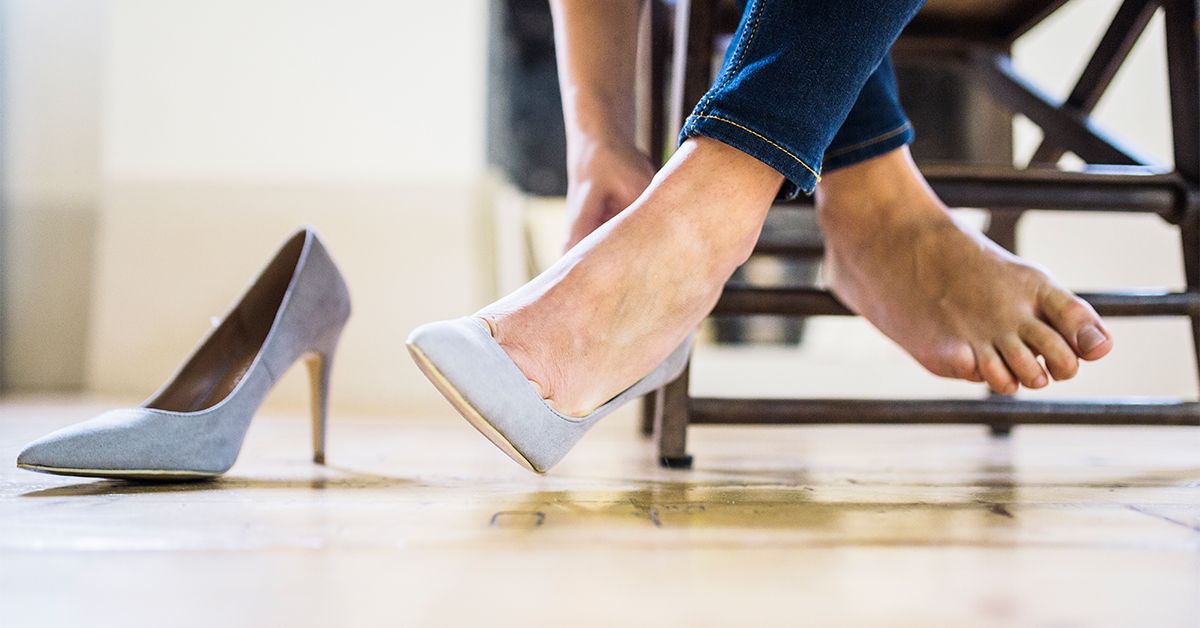
Most people know their shoe size the way they know their coffee order: “I’m an 8,” “I’m a 10,” “I’m a 9.5 if the brand is feeling dramatic.” But shoe width? That tiny letter hiding beside the number? It is often ignored until your toes start staging a protest inside your sneakers.
Shoe width matters because feet are not cardboard cutouts. Some are narrow and sleek, some are wide and sturdy, and some are a little different from left to right because the human body enjoys keeping things interesting. Wearing shoes that are too narrow, too wide, too shallow, or too stiff can lead to blisters, bunions, corns, calluses, hammertoes, ingrown toenails, arch pain, heel pain, and general foot misery. The good news is that understanding shoe width is not complicated. You do not need a medical degree, a magic wand, or a shoe-store employee named Gary with a metal Brannock devicealthough Gary can be very helpful.
This guide explains shoe width sizes, how to measure your feet at home, which foot issues may be linked to poor fit, and what home remedies can help when your feet are angry. Let’s give your toes the real estate they deserve.
What Is Shoe Width?
Shoe width refers to the amount of space across the widest part of the shoe, usually around the ball of the foot and forefoot. Length tells you how far your toes travel from heel to tip. Width tells you whether your foot can sit comfortably side to side without being squeezed like a panini.
In the United States, shoe widths are commonly shown with letters. The system can look confusing because men’s and women’s widths use different “standard” letters. For example, a men’s medium width is usually D, while a women’s medium width is usually B. Wide widths may appear as D, E, 2E, EE, 4E, or extra-wide depending on the brand.
Common U.S. Shoe Width Letters
| Width Label | Women’s Shoes | Men’s Shoes | What It Usually Means |
|---|---|---|---|
| 2A or AA | Narrow | Extra narrow | For slimmer feet |
| B | Medium/standard | Narrow | Common women’s standard width |
| D | Wide | Medium/standard | Common men’s standard width |
| 2E or EE | Extra wide | Wide | More forefoot room |
| 4E | Extra-extra wide | Extra wide | For very wide feet or swelling |
| 6E | Specialty extra wide | Extra-extra wide | Less common, brand-specific |
One important detail: shoe width is not universal. A wide in one brand may feel like a medium in another. A dress shoe may feel tighter than a running shoe in the same size. Shoes are a bit like jeanstechnically labeled, emotionally unpredictable.
Why Shoe Width Matters for Foot Health
When shoes fit well, your foot can spread naturally as you stand and walk. Your toes can wiggle. Your heel stays stable. Your arch gets support without being shoved into an awkward shape. When shoes fit poorly, the foot adapts to the shoe instead of the shoe fitting the foot. That is when problems begin.
Too-narrow shoes can compress the toes, rub the sides of the foot, push the big toe inward, and increase pressure on nerves and joints. Too-wide shoes can let the foot slide forward, creating friction, instability, blisters, and toe gripping. A shoe should feel secure, not like a tiny prison and not like a rented ballroom.
Signs Your Shoes Are Too Narrow
- Your toes feel squeezed or numb.
- The sides of your feet bulge over the sole.
- You get blisters, corns, or calluses along the toes or forefoot.
- Your bunion area rubs against the shoe.
- Your little toe feels crushed.
- You cannot wiggle your toes comfortably.
- Your feet ache after short periods of walking.
Signs Your Shoes Are Too Wide
- Your heel slips while walking.
- Your foot slides forward inside the shoe.
- You get blisters from friction rather than squeezing.
- Your toes grip the shoe to stay stable.
- The shoe creases oddly or feels sloppy through the midfoot.
How to Measure Shoe Width at Home
Measuring shoe width at home is simple. You need paper, a pencil, a ruler or measuring tape, socks, and the patience to not accidentally trace your foot like a melted pancake.
Step-by-Step Foot Measurement
- Measure at the end of the day. Feet often swell slightly after walking, standing, and living life like a normal person.
- Wear the socks you plan to use. Thick athletic socks can change the fit compared with thin dress socks.
- Place paper on a hard floor. Stand with full weight on one foot.
- Trace around your foot. Keep the pencil upright, not angled inward.
- Measure length. Measure from the back of the heel to the tip of the longest toe. Surprise: it is not always the big toe.
- Measure width. Measure across the widest part of the forefoot, usually near the ball of the foot.
- Repeat on the other foot. Many people have one foot that is longer or wider.
- Fit the larger foot. Your smaller foot can use lacing adjustments or an insole. Your larger foot cannot negotiate with a shoe that is too small.
After measuring, compare your length and width to the specific brand’s size chart. Do not rely only on your old size. Feet can change over time due to aging, pregnancy, weight changes, injuries, arthritis, bunions, swelling, or changes in arch height.
Shoe Width and Common Foot Issues
Shoe width is not the only factor behind foot problems, but it can make many conditions better or worse. Think of shoe fit as the daily environment your feet live in. If that environment is cramped, unstable, or irritating, even small issues can become big ones.
Bunions
A bunion is a bony bump that forms near the base of the big toe. Genetics, foot structure, arthritis, and pressure can all play a role. Tight shoes do not always cause bunions by themselves, but narrow toe boxes can worsen pain and crowd the toes. A wide toe box, soft upper material, and low heel can reduce pressure and make walking more comfortable.
Hammertoes
Hammertoes happen when toe joints bend abnormally, often making the toe look curled or raised. Shoes that are too short, narrow, or shallow can rub the top of the toe and increase discomfort. A deeper, roomier toe box helps reduce pressure. If the toe is still flexible, gentle stretching and footwear changes may help symptoms.
Corns and Calluses
Corns and calluses are thickened areas of skin caused by repeated pressure or friction. They are your skin’s way of saying, “I built a wall because you ignored my emails.” Narrow shoes may cause pressure corns on the toes. Loose shoes may create friction calluses on the heel or ball of the foot. Better-fitting shoes, cushioned socks, and protective pads can help.
Blisters
Blisters often form when skin rubs repeatedly against socks or shoes. Shoes that are too narrow can pinch; shoes that are too wide can slide. Moisture also makes blisters more likely. Proper width, moisture-wicking socks, and gradual break-in periods can reduce blister risk.
Ingrown Toenails
An ingrown toenail occurs when the nail edge grows into nearby skin. Tight shoes can press the toes together and worsen irritation. Trim toenails straight across, avoid cutting them too short, and choose shoes with enough toe room.
Morton’s Neuroma
Morton’s neuroma is irritation or thickening around a nerve in the ball of the foot, often causing burning, tingling, or the feeling of stepping on a pebble. High heels and narrow toe boxes can worsen symptoms. Shoes with low heels, wide toe boxes, and good cushioning may help reduce nerve pressure.
Plantar Fasciitis and Arch Pain
Plantar fasciitis causes heel pain related to irritation of the thick band of tissue under the foot. Width is not the whole story here, but shoes that are too loose, flat, unsupportive, or unstable can add strain. A proper fit should combine enough width with heel stability, cushioning, and arch support.
How Should Shoes Fit?
A healthy shoe fit should feel comfortable immediately. “They’ll stretch eventually” is a dangerous sentence, usually spoken right before a blister appears with dramatic timing.
The Ideal Shoe Fit Checklist
- There is about a thumb’s width of space between your longest toe and the front of the shoe.
- Your toes can wiggle without hitting the top or sides.
- The widest part of your foot matches the widest part of the shoe.
- The heel feels secure without rubbing.
- The midfoot feels snug but not tight.
- The shoe bends at the toe area, not in the middle of the arch.
- The heel counter feels firm and stable.
- The toe box shape resembles your foot shape.
For many people, square or rounded toe boxes are more comfortable than pointed toe boxes. A deep toe box can also help people with bunions, hammertoes, thick toenails, or forefoot swelling.
Home Remedies for Foot Pain From Poor Shoe Width
If your feet hurt because of poor shoe fit, the first remedy is not glamorous: stop wearing the problem shoes. Yes, even if they were expensive. Yes, even if they are cute. Feet do not care that the shoes were on sale.
1. Switch to Roomier Shoes
Choose shoes with a wider or deeper toe box. Look for brands that offer multiple widths rather than only standard sizes. If your forefoot is wide but your heel is narrow, try shoes with adjustable laces, straps, or heel-lock lacing techniques.
2. Use Protective Padding
Gel pads, moleskin, toe sleeves, and bunion cushions can reduce rubbing. Apply padding carefully because bulky pads can sometimes make tight shoes even tighter. Test them at home before wearing them for a long day.
3. Try Cold Therapy
For sore, swollen feet, apply a cold pack wrapped in a towel for 10 to 15 minutes. Do not put ice directly on skin. Cold therapy can help calm inflammation after a long day in shoes that were clearly designed by someone who has never met a foot.
4. Stretch Your Feet and Calves
Gentle calf stretches, toe stretches, and rolling the foot over a tennis ball may help relieve tightness. Stretching is especially useful if you spend long hours standing, wear heels, or have arch discomfort.
5. Soak Carefully
A warm foot soak can feel soothing for tired feet. However, people with diabetes, poor circulation, or reduced sensation should avoid soaking unless approved by a healthcare professional, because hot water and prolonged moisture can increase injury or infection risk.
6. Moisturize Dry Skin
Dry, cracked skin can worsen friction and discomfort. Apply moisturizer to the tops and bottoms of the feet, but avoid putting lotion between the toes where excess moisture can encourage fungal growth.
7. Wear Better Socks
Choose socks that fit smoothly and wick moisture. Thick seams, bunching fabric, and damp cotton can turn a decent shoe into a blister factory. For exercise, synthetic or wool-blend socks often manage moisture better than basic cotton.
8. Use Insoles When Appropriate
Removable insoles can improve cushioning and support, but they also take up space. If your shoes are already tight, adding an insole may worsen pressure. Look for shoes with removable footbeds if you use orthotics.
When to See a Doctor or Podiatrist
Home remedies can help mild discomfort, but some symptoms deserve professional attention. See a doctor, podiatrist, or qualified foot specialist if you have persistent pain, swelling, numbness, tingling, wounds that do not heal, signs of infection, severe bunion pain, worsening hammertoes, or difficulty walking.
People with diabetes should be especially careful. Diabetes can reduce sensation and slow healing, which means a small blister or pressure spot can become serious. Daily foot checks, well-fitting shoes, socks, and regular medical care are important parts of prevention.
How to Shop for the Right Shoe Width
The best time to shop for shoes is later in the day, when your feet are closer to their largest size. Bring the socks you plan to wear. Try both shoes. Walk around on a hard surface. Do not judge fit while sitting, because feet spread when bearing weight.
Smart Shoe Shopping Tips
- Measure your feet every year or whenever shoes start fitting differently.
- Shop by fit, not by the size you wish you wore.
- Look for multiple width options such as narrow, medium, wide, and extra wide.
- Avoid pointed toe boxes for everyday walking.
- Choose adjustable closures for better midfoot control.
- Replace worn-out shoes when cushioning, support, or outsole grip breaks down.
- Do not assume “breaking in” will fix pressure pain.
If you are buying online, check the brand’s return policy before ordering. Shoes should be tested indoors first so they stay returnable. If your feet are hard to fit, consider ordering two widths and returning the pair that loses the foot popularity contest.
Special Considerations for Wide Feet
Wide feet can be natural, inherited, or related to age, pregnancy, swelling, flat feet, bunions, or foot structure. Having wide feet is not a flaw. It simply means standard shoes may not be your best match.
Look for wide-width shoes, stretch-knit uppers, round or square toe boxes, removable insoles, and supportive midsoles. Avoid shoes that only widen at the upper but still have a narrow sole base. If your foot spills over the edge of the sole, the shoe is not truly wide enough.
Special Considerations for Narrow Feet
Narrow feet can also be tricky. A shoe that is too wide may cause heel slipping, toe gripping, and instability. People with narrow feet may benefit from narrow-width shoes, adjustable lacing, padded tongues, heel grips, or insoles that reduce excess volume.
However, do not use thick inserts to force a bad fit unless the shoe still feels natural and stable. Your goal is secure comfort, not turning the shoe into a craft project.
Experience-Based Section: Real-Life Lessons About Shoe Width
One of the most common shoe-width experiences is the “vacation shoe regret.” Someone buys a stylish pair before a trip, wears them for a full day of sightseeing, and by lunch their feet are bargaining for new citizenship. The shoes looked great in the mirror, but after five miles of sidewalks, museums, stairs, and one suspiciously long walk to “a nearby café,” the narrow toe box becomes a tiny courtroom where every toe files a complaint.
A practical lesson from this: test shoes before important events. Wear new walking shoes around the house, then for short errands, then for longer walks. A shoe that feels “fine” for five minutes may not feel fine after two hours. If there is pinching at the little toe, pressure at the bunion area, heel slipping, or numbness, the fit is wrong. Your feet are not being dramatic; they are giving useful customer feedback.
Another real-world example involves work shoes. Many people in healthcare, retail, restaurants, warehouses, schools, and salons stand for hours. At the start of the day, a slightly narrow shoe may feel acceptable. By the end of a shift, normal swelling can make the same shoe feel like a medieval device with laces. Workers who switch to wider toe boxes, cushioned socks, and supportive shoes often notice less burning, fewer calluses, and better end-of-day comfort.
Parents also learn about shoe width quickly with children. Kids may not say, “My metatarsal area is compressed.” They say, “I hate these shoes,” kick them off in the car, or suddenly refuse to run at the playground. Children’s feet grow fast, and width can change as much as length. Checking toe room, side pressure, and wear patterns can prevent unnecessary discomfort.
Runners have their own shoe-width stories. A runner may blame training, weather, socks, or personal weakness when the real villain is a shoe that is too narrow in the forefoot. During running, feet can swell and spread. A thumb’s width in front and enough width through the ball of the foot can reduce black toenails, numb toes, and blisters. Some runners need a standard heel with a wide toe box, which is why trying different models matters.
People with bunions often describe a moment of revelation when they finally try a properly wide shoe. The pressure drops. The toe area relaxes. Walking feels less like negotiating a peace treaty. While wider shoes do not erase a bunion, they can make daily life more comfortable and reduce irritation over the bump.
There is also the “fashion versus function” debate. High heels, pointed dress shoes, and narrow loafers may work for short occasions, but they are rarely ideal for all-day wear. A smart compromise is to save restrictive shoes for brief events and use supportive, properly fitted footwear for commuting, walking, working, and errands. Your closet can have personality; your feet just need boundaries.
The biggest experience-based lesson is simple: shoe width is not a luxury detail. It is a comfort, mobility, and foot-health detail. When shoes fit your actual feetnot the imaginary feet you wish would fit the display pairwalking becomes easier, posture feels better, and daily life gets less annoying. That is a lot of benefit from one little letter on a shoe box.
Conclusion
Shoe width may seem like a small detail, but it can make a huge difference in comfort, foot health, and everyday mobility. A shoe’s length tells only half the story. Width, toe-box shape, depth, heel fit, arch support, and material all work together to determine whether your shoes support your feet or quietly sabotage them.
The best approach is simple: measure both feet, shop later in the day, choose the size and width that fit the larger foot, and pay attention to how your toes, forefoot, and heel feel while walking. Avoid shoes that squeeze, rub, slide, or require a painful “break-in” period. For mild discomfort, home remedies such as padding, cold therapy, stretching, better socks, and roomier shoes may help. For persistent pain, wounds, numbness, diabetes-related concerns, or visible deformities, get professional care.
Your feet carry you through workdays, workouts, grocery runs, vacations, and the occasional sprint to catch the elevator. Give them shoes that fit. They have earned it.
Note: This article is for general educational purposes and is not a substitute for medical diagnosis or treatment. People with diabetes, circulation problems, nerve symptoms, wounds, severe pain, or persistent foot issues should consult a qualified healthcare professional.












