
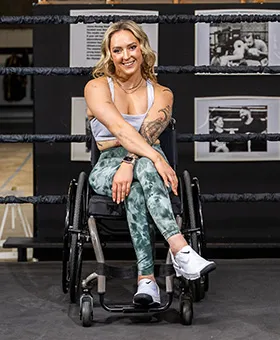
Fitness for people in wheelchairs is not a watered-down version of “regular” exercise. It is real fitness, with real sweat, real strength, real cardiovascular benefits, and occasionally real arguments with resistance bands that snap back like they have personal issues. The difference is not the value of the workoutit is the way the workout is designed.
For wheelchair users, exercise can support heart health, shoulder strength, posture, independence, mood, energy, flexibility, and daily function. It can also make everyday activities feel less like an Olympic event: transfers, reaching overhead, pushing across a parking lot, carrying groceries, or rolling up a ramp that clearly had a grudge against humanity.
The key is adaptation. A good wheelchair fitness plan respects your body, your mobility level, your health history, your chair setup, and your goals. Some people want to build upper-body strength. Others want better endurance, less stiffness, improved circulation, weight management, confidence, or simply a way to feel more at home in their body. All of those goals count.
This guide breaks down wheelchair exercises, adaptive fitness ideas, safety tips, sample routines, and real-life strategies for building a sustainable workout habit without pretending everyone has the same body, schedule, budget, or energy level.
Wheelchair Fitness Is Not “Fitness Lite”
One of the biggest myths about wheelchair fitness is that seated exercise is automatically easy. Anyone who has tried a fast-paced wheelchair boxing workout, resistance-band rows, hand cycling, wheelchair basketball, or a long manual push knows better. Your heart rate can rise, your muscles can burn, and your shirt can absolutely become a small laundry emergency.
Fitness for wheelchair users focuses on what the body can do safely and effectively. Instead of copying standing workouts, adaptive fitness asks better questions: Which muscles are used most often? Which joints need protection? What movements improve daily independence? What equipment is accessible? What type of exercise feels good enough to keep doing?
A strong wheelchair fitness program usually includes four major parts: cardiovascular exercise, strength training, flexibility or mobility work, and recovery. The balance may look different from person to person. A manual wheelchair user may need extra shoulder-care exercises because pushing already loads the upper body. A power wheelchair user may focus more on active arm movement, posture, circulation, and assisted range-of-motion work. Someone with a spinal cord injury, multiple sclerosis, cerebral palsy, limb difference, arthritis, stroke history, or chronic pain may need specific modifications from a healthcare professional.
The goal is not perfection. The goal is progress that fits real life.
How Much Exercise Do Wheelchair Users Need?
General U.S. physical activity guidance recommends that adults with disabilities, when able, aim for about 150 minutes of moderate-intensity aerobic activity per week, or 75 minutes of vigorous activity, plus muscle-strengthening activities at least two days per week. That does not mean you must perform a heroic 60-minute workout while inspirational music plays in the background. Ten, fifteen, or twenty minutes at a time can still build momentum.
Moderate intensity means your heart is working harder, but you can still talk. Vigorous intensity means speaking full sentences becomes harder. For wheelchair users, moderate exercise may include steady manual wheeling, seated aerobics, wheelchair dancing, hand cycling, arm-crank machines, swimming with support, or adaptive sports. Vigorous exercise may include fast wheeling intervals, wheelchair basketball, wheelchair rugby, high-energy boxing movements, or more intense hand-cycle sessions.
If 150 minutes sounds like a mountain, start with the curb cut. Five minutes today is better than a perfect workout plan that lives forever in your Notes app like a digital guilt trip. Exercise benefits grow with consistency, and consistency usually begins with something small enough that you do not dread it.
Before You Start: Safety Comes First
Before beginning a new wheelchair workout routine, especially if you have a heart condition, spinal cord injury, pressure injury risk, diabetes, osteoporosis, autonomic dysreflexia risk, recent surgery, severe pain, or changing symptoms, talk with a doctor, physical therapist, occupational therapist, or qualified adaptive fitness professional. This is not because exercise is scary. It is because smart setup prevents avoidable problems.
Check Your Position
Good posture matters. Sit tall if you can, keep your shoulders relaxed, and avoid shrugging your way through every movement. Your chair should be stable, brakes locked when needed, and wheels positioned safely. If you use straps, cushions, lateral supports, or chest belts, make sure they support movement without restricting breathing.
Warm Up Like You Mean It
A warm-up prepares your joints, muscles, and nervous system. Try five to ten minutes of gentle wheeling, shoulder rolls, wrist circles, easy punches, slow arm swings, or breathing-focused movement. Think of your body like an old laptop: it may work beautifully, but it appreciates a minute before you open seventeen tabs.
Respect Pain Signals
Muscle effort is normal. Sharp pain, sudden weakness, dizziness, chest pain, unusual shortness of breath, numbness, or joint pain that feels wrong is not something to “tough out.” Stop, reassess, and get professional guidance if symptoms continue.
Best Cardio Exercises for People in Wheelchairs
Cardio exercise improves heart and lung fitness, supports circulation, helps manage weight, and can boost mood. Wheelchair cardio does not have to mean endless laps around the block unless you enjoy that. Variety keeps the routine alive.
1. Manual Wheeling Intervals
If you use a manual wheelchair, interval wheeling can be simple and effective. Push at a comfortable pace for two minutes, then increase speed for thirty seconds. Repeat for ten to twenty minutes. Use safe surfaces and avoid steep slopes until you are ready. Your shoulders already work hard during daily mobility, so do not turn every cardio session into a shoulder-taxing marathon.
2. Seated Boxing
Seated boxing is excellent for cardio, coordination, and stress relief. Try jab-cross combinations, uppercuts, hooks, speed punches, and defensive movements. Keep your core engaged as much as possible and avoid locking your elbows. Bonus benefit: you get to look intensely focused while fighting an invisible opponent named “Monday.”
3. Arm-Crank Ergometer
An arm ergometer, also called an arm bike, lets you pedal with your arms. Many rehabilitation centers and accessible gyms have them. They can be useful for controlled cardiovascular training because resistance and pace are adjustable.
4. Wheelchair Dancing
Music changes everything. Wheelchair dance can include arm patterns, turns, torso movement, rhythmic pushes, and expressive movement. It can be gentle or intense, solo or social. The best playlist is the one that makes you forget you are “working out” until your shoulders ask for a meeting.
5. Adaptive Sports
Wheelchair basketball, tennis, rugby, racing, softball, fencing, curling, power soccer, and hand cycling offer fitness plus community. Sports can improve endurance, coordination, strength, confidence, and social connection. You do not need to be chasing Paralympic medals to benefit. Recreational play counts.
6. Aquatic Exercise
With accessible pool entry and proper supervision, water-based exercise can reduce joint stress and allow movements that may be difficult on land. Depending on your mobility and support needs, aquatic exercise may include arm strokes, assisted kicking, floating movement, resistance walking in shallow water, or water aerobics.
Strength Training for Wheelchair Users
Strength training is essential for wheelchair users because daily life often requires repeated pushing, pulling, lifting, reaching, transferring, and stabilizing. Strong muscles can support independence and reduce strain. The trick is to train both the “show muscles” and the “save your joints” muscles.
Resistance Band Rows
Anchor a resistance band securely in front of you. Hold the ends, pull your elbows back, squeeze your shoulder blades gently, and return with control. Rows strengthen the upper back, which helps balance all the pushing motions wheelchair users often do.
Chest Press
Loop a band behind your back or use a cable machine if available. Press forward, then return slowly. This works the chest, shoulders, and triceps. Keep the movement controlled instead of launching the handles like tiny fitness rockets.
Biceps Curls
Use dumbbells, resistance bands, or wrist weights. Keep elbows close to your sides and curl with control. Strong biceps help with lifting and pulling tasks, but avoid using momentum.
Triceps Extensions
Triceps support pushing movements and transfers. Use a band or light dumbbell. Move slowly, keep shoulders relaxed, and focus on smooth form.
Shoulder External Rotations
This small but mighty movement strengthens rotator cuff muscles. Keep your elbow near your side, bent at about 90 degrees, and rotate your forearm outward against light band resistance. This exercise is not flashy. It will not get applause. Your shoulders may quietly send a thank-you card later.
Lat Pull-Downs or Band Pull-Downs
If you have access to a cable machine or overhead band anchor, pull down toward your chest while keeping your shoulders away from your ears. This strengthens the back and supports posture.
Core and Trunk Work
Core training depends heavily on trunk control, sensation, and balance. Options may include seated pelvic tilts, supported side bends, medicine-ball holds, anti-rotation band presses, seated marches, or simply practicing tall posture with controlled breathing. For some wheelchair users, core training may require support from a therapist or adaptive trainer.
Flexibility and Mobility Exercises
Flexibility work helps reduce stiffness, support posture, and improve comfort. It is especially useful for muscles that stay shortened during long periods of sitting.
Neck and Shoulder Rolls
Slowly roll your shoulders forward and backward. Gently turn your head side to side. Avoid forcing range of motion. Your neck is not a stubborn jar lid.
Chest Stretch
Bring your arms out to the sides or place your hands behind your head if comfortable. Open the chest gently and breathe. This helps counter forward-rounded posture.
Wrist and Forearm Stretch
Extend one arm forward, palm up or down, and gently stretch the wrist with the other hand. Wheelchair propulsion, gripping, typing, and transfers can make forearms tight.
Seated Spinal Rotation
If safe for your body, rotate gently through the torso while keeping your hips stable. This can improve mobility and reduce stiffness. Use support if balance is limited.
Lower-Body Range of Motion
Some wheelchair users benefit from assisted hip, knee, ankle, hamstring, or calf range-of-motion exercises. This depends on sensation, spasticity, joint health, and medical history, so professional instruction is recommended.
A Simple Weekly Wheelchair Fitness Plan
The best workout plan is the one you can actually repeat. Here is a flexible example. Adjust intensity, duration, and exercises based on your ability and medical guidance.
| Day | Workout Focus | Example Routine |
|---|---|---|
| Monday | Cardio | 15–25 minutes seated boxing or wheeling intervals |
| Tuesday | Strength | Rows, chest press, curls, triceps extensions, shoulder rotations |
| Wednesday | Mobility | Gentle stretching, posture work, breathing, range of motion |
| Thursday | Cardio | Arm bike, dance workout, swimming, or adaptive sport |
| Friday | Strength | Back-focused workout plus core or trunk stability |
| Saturday | Fun Movement | Outdoor roll, sports practice, group class, or active errands |
| Sunday | Recovery | Stretching, rest, hydration, pressure relief, light movement |
This plan is not a rulebook. It is a menu. Pick what fits, swap what does not, and remember that rest is part of trainingnot proof that you “failed.”
Shoulder Care: The Non-Negotiable Part
For many wheelchair users, the shoulders are both transportation system and workout partner. That makes shoulder care extremely important. Manual wheelchair propulsion, transfers, reaching, lifting, and exercise can all load the same joints repeatedly. Overuse can lead to pain, weakness, inflammation, and reduced independence.
A smart wheelchair fitness routine includes pulling exercises, rotator cuff work, posture training, stretching, and recovery. Try to balance pushing movements like chest presses or fast wheeling with pulling movements like rows and pull-downs. Use good transfer mechanics when possible. Consider gloves, proper wheel position, efficient pushing technique, and equipment adjustments if you frequently have shoulder or wrist pain.
If your shoulders hurt, do not simply add more shoulder exercises and hope for magic. Pain is information. A physical therapist familiar with wheelchair biomechanics can help identify technique issues, muscle imbalances, chair setup problems, or safer exercise alternatives.
Adaptive Fitness Equipment That Helps
You do not need a garage full of expensive equipment to get fit. A few simple tools can go a long way.
Resistance Bands
Bands are affordable, portable, and useful for strength training. They can be anchored at different heights to create rows, presses, rotations, curls, and pull-downs.
Dumbbells or Cuff Weights
Light weights can build strength when used with control. Cuff weights may help people with grip limitations.
Grip Aids and Gloves
Adaptive gloves, straps, or cuffs can improve comfort and control during exercise, especially for users with limited hand strength.
Arm Ergometer
An arm bike provides low-impact cardio and is often found in rehabilitation clinics, accessible gyms, and some home setups.
Accessible Gym Machines
Some gyms offer cable machines, adjustable benches, removable seats, accessible weight machines, and trained staff. Before joining, ask about door width, ramps, bathrooms, transfer space, parking, equipment access, and staff experience with adaptive fitness.
How to Stay Motivated Without Becoming a Fitness Robot
Motivation is helpful, but systems are better. Nobody feels motivated every day. Even elite athletes occasionally look at their workout plan and think, “Absolutely not, tiny spreadsheet.”
Start by choosing exercises you do not hate. Then connect workouts to a real-life benefit: easier transfers, better posture, more energy, less stiffness, stronger pushes, improved confidence, or being able to enjoy an outing without feeling drained. Track progress in simple ways, such as minutes completed, resistance level, number of sets, distance wheeled, pain-free range of motion, or how you feel after workouts.
Community also helps. Adaptive sports teams, online wheelchair fitness classes, local recreation centers, disability organizations, and social media groups can provide ideas and accountability. Exercising with other wheelchair users can be especially powerful because the advice tends to be practical, not theoretical. There is a big difference between “just modify it” and “here is exactly how I anchor the band so it does not attack my face.”
Common Barriers and Smart Fixes
Barrier: “I Do Not Have Accessible Equipment.”
Fix: Start with bodyweight movements, resistance bands, water bottles, towels, or household items. Fitness does not begin when you buy the perfect machine. It begins when movement becomes repeatable.
Barrier: “I Get Tired Quickly.”
Fix: Use short sessions. Try five minutes of movement, then rest. Build gradually. Fatigue management is not laziness; it is strategy.
Barrier: “My Shoulders Hurt.”
Fix: Pause painful movements and seek guidance. Add gentle mobility, pulling exercises, and rotator cuff work only if appropriate. Review your wheelchair setup and daily pushing technique.
Barrier: “Gyms Feel Intimidating.”
Fix: Visit during quiet hours, bring a friend, call ahead, ask about accessibility, or start at home. You do not owe anyone a performance. You are there to train, not audition.
Barrier: “I Keep Losing Motivation.”
Fix: Make the goal smaller. A ten-minute workout done three times a week beats a fantasy plan that requires perfect weather, perfect energy, and a soundtrack produced by Hollywood.
Nutrition, Hydration, and Recovery Matter Too
Exercise works best when paired with basic recovery habits. Hydration supports circulation, temperature regulation, and energy. Protein helps maintain and repair muscle. Fiber-rich foods, fruits, vegetables, whole grains, and healthy fats support overall health. People with reduced mobility may also need to pay attention to bowel routines, skin health, and pressure relief.
Recovery includes sleep, rest days, stretching, pressure-relief routines, and not punishing yourself for being human. Soreness can happen, especially when starting. Severe pain or unusual symptoms should not be ignored.
Experiences Related to Fitness for People in Wheelchairs
In real life, wheelchair fitness rarely looks like a glossy advertisement. It looks like experimenting. It looks like figuring out which doorway gives enough space to turn. It looks like discovering that resistance bands are useful, affordable, and occasionally dramatic. It looks like celebrating the first time a transfer feels smoother, a hill feels less intimidating, or a grocery trip does not drain the entire batteryyours, not the chair’s.
Many wheelchair users describe the beginning as the hardest part, not because they lack discipline, but because most mainstream fitness advice assumes standing, jumping, running, or using equipment that was clearly designed by someone who has never tried to approach it from a seated position. A workout video may say, “Just step forward,” and the wheelchair user is left thinking, “Great, we are already improvising.” That is why adaptive fitness is so empowering. It gives permission to stop forcing the body into someone else’s template and start building a routine from reality.
One common experience is learning to measure progress differently. Progress may be adding two more minutes of seated cardio, using a stronger resistance band, rolling farther without shoulder discomfort, sitting taller during work, or needing less rest after transfers. These wins may not look dramatic on social media, but they matter deeply in daily life. Fitness is not only about appearance. For wheelchair users, it can be about function, comfort, freedom, confidence, and energy.
Another experience is the mental shift that happens when exercise becomes less about punishment and more about partnership. Instead of thinking, “I have to fix my body,” the routine becomes, “I am supporting the body that carries me through the day.” That change matters. It turns movement into care rather than criticism. A ten-minute stretch session after a long day is not a small thing. It can reduce stiffness, improve breathing, calm the nervous system, and create a sense of control.
Adaptive sports can create a completely different kind of experience. For some people, joining a wheelchair basketball team, hand-cycling group, racing club, or dance class is the first time fitness feels social instead of clinical. The gym can feel isolating when the equipment is inaccessible or people stare. But a group of athletes who understand transfers, gloves, ramps, fatigue, and chair adjustments can make movement feel normal, fun, and even competitive in the best way. There is laughter, strategy, sweat, and sometimes a healthy amount of trash talk.
Home workouts offer another path. Not everyone has access to an adaptive gym, transportation, or affordable programs. A home routine with bands, light weights, music, and a safe space can be powerful. The routine may happen between meetings, before a shower, after breakfast, or during TV commercials. It may not look fancy, but it counts. Consistency does not need a membership card.
The most important lived lesson is that wheelchair fitness should be flexible. Some days the body is ready for intervals. Some days it asks for stretching and quiet. Some days pain, weather, appointments, caregiving, work, or fatigue change the plan. That does not erase progress. Long-term fitness is built by adapting, not quitting. The chair is not a barrier to fitness. It is part of the design brief.
Conclusion
Fitness for people in wheelchairs is about strength, endurance, mobility, confidence, and better daily living. It is not about copying workouts made for someone else’s body. It is about creating a smart, safe, enjoyable routine that supports the way you move through the world.
Start small. Protect your shoulders. Mix cardio, strength, flexibility, and recovery. Use adaptive equipment when helpful, but do not wait for perfect conditions. A few minutes of movement today can become a habit, and a habit can become a stronger, more capable, more energized version of everyday life.
Most of all, remember this: wheelchair fitness is real fitness. It deserves good programming, accessible spaces, expert support, and the same respect as any other form of training. The best workout is not the hardest one. It is the one that helps you live betterand that you can come back to again tomorrow.
Note: This article is for educational and informational purposes only. People with medical conditions, pain, recent injuries, or complex mobility needs should consult a qualified healthcare professional before starting or changing an exercise routine.











