
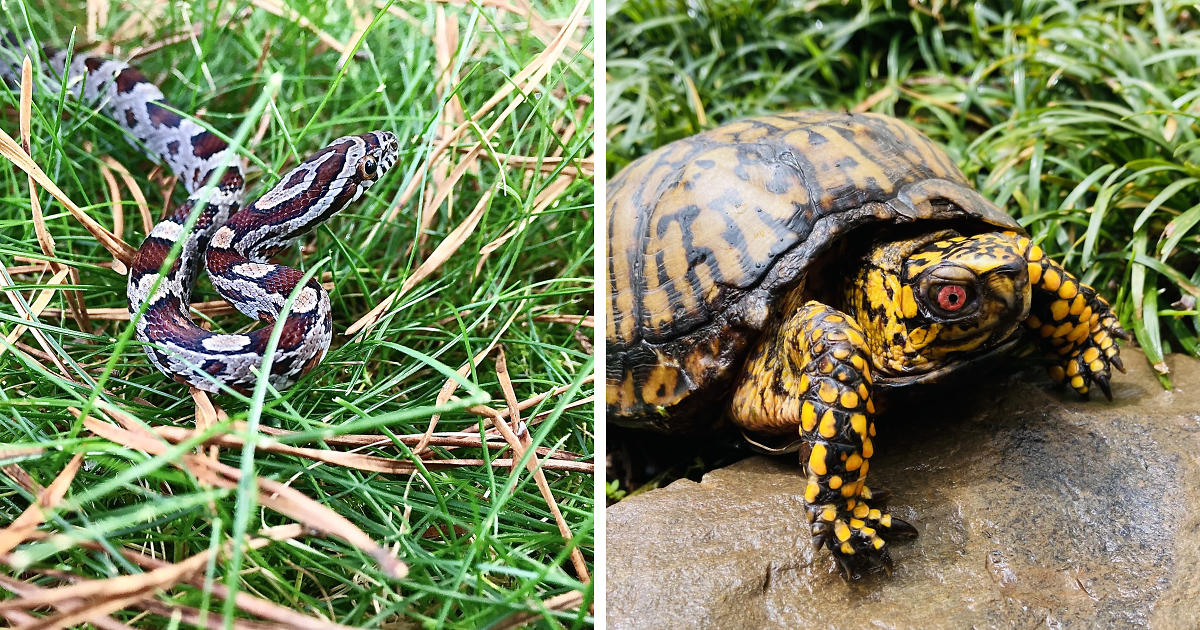
There are dog people, cat people, and then there are reptile people: the cheerful, slightly sleep-deprived heroes of the pet world who can discuss humidity percentages with the passion of sports commentators. And honestly? They deserve their moment. A community prompt like “Hey Pandas, Show Us Your Reptile” works because reptiles are unforgettable. They are elegant, weird, dramatic, prehistoric-looking, and occasionally blessed with the facial expression of a tiny judgmental professor.
But this topic is not just cute scales and photogenic side-eyes. It also opens the door to something bigger: why reptile owners bond so deeply with their animals, what responsible reptile care really looks like, and why showing off your snake, gecko, turtle, or beardie is usually about more than showing off. It is about pride, patience, and the quiet thrill of earning the trust of a creature that did not come into this world hoping to play fetch.
So let us celebrate the reptiles, the people who adore them, and the surprisingly emotional stories hiding behind every tank, terrarium, and basking rock.
Why “Show Us Your Reptile” Is Such a Perfect Community Prompt
The best community prompts do one thing really well: they invite people to share something personal without making it heavy. Reptiles fit that format beautifully. They are visually striking, wildly diverse, and instantly conversation-starting. One person posts a leopard gecko with a permanent smile, another uploads a ball python wrapped around a hoodie sleeve like a living scarf, and suddenly the comment section becomes an enthusiastic parade of scales, tails, and proud reptile-parent energy.
Unlike more predictable pet posts, reptile photos come with built-in curiosity. People want to know the species, the name, the setup, the age, the rescue story, and why that lizard appears to be plotting taxes. Reptiles are natural conversation magnets. They challenge stereotypes, too. Someone who thought snakes were scary might meet a calm corn snake named Noodle and leave the thread emotionally transformed.
That is part of the magic. A prompt like this is playful on the surface, but underneath it creates education, empathy, and a little bit of myth-busting. Reptiles stop being “those creepy animals” and start becoming beloved individuals with routines, quirks, preferences, and fans.
What Makes Reptile Owners So Passionate?
Every reptile feels like its own tiny universe
Reptile ownership is rarely casual. Even the so-called beginner species come with species-specific needs, environmental requirements, and behavior patterns that owners have to learn. That learning process creates a strong bond. When you spend time figuring out basking zones, feeding schedules, shedding cues, enrichment, and handling tolerance, your pet stops feeling like a decoration and starts feeling like a relationship.
That bond may look different from the one people have with dogs or cats, but it is no less real. Reptile lovers often become experts by necessity. They learn to read body language that other people miss: a bearded dragon darkening under stress, a gecko refusing food before a shed, a snake choosing a specific hide because the temperature is just right. That kind of observation creates deep attachment.
Their personalities are subtle, but absolutely there
Ask a reptile owner whether reptiles have personalities and prepare to lose your afternoon. You will hear about the gecko that only eats from blue tongs, the snake that calmly explores everyone except Uncle Mike, and the tortoise that bullies garden furniture like it owes rent.
Reptiles may not express affection in mammalian ways, but they are not blank slates. They have preferences, routines, and recognizable behavior. Some are bold. Some are shy. Some are excellent eaters. Some believe food is suspicious and should be evaluated like a high-stakes business proposal. Owners do not imagine these differences. They live with them every day.
Before You Share, Care: The Real Rules Behind Great Reptile Ownership
A fun reptile photo is great. A healthy reptile in a proper setup is even better. One reason the reptile community can be so passionate is that responsible care matters a lot. These animals are fascinating, but they are not low-effort props for social media.
Reptiles need the right environment, not just a tank
Reptiles are ectothermic, which means they rely on outside heat sources to regulate body temperature. In plain English: your reptile cannot just “wing it” in room temperature and hope for the best. Most species need carefully controlled heat, safe lighting, and a habitat that lets them move between warmer and cooler zones. Humidity matters, too, and not in a vague “more or less” way. Wrong humidity can lead to poor shedding, stress, dehydration, or illness.
This is where reptile keeping becomes equal parts science and devotion. A proper enclosure is not a glass box with vibes. It is a managed microclimate. Owners have to think about substrate, ventilation, hides, enrichment, species size, climbing versus burrowing habits, and whether the animal needs UVB support. That is why good reptile care often looks less like casual pet ownership and more like running a tiny, climate-controlled studio apartment for a demanding dragon.
Cleanliness is not optional
Reptiles can carry Salmonella even when they look healthy, so hygiene is a real part of responsible ownership. That does not mean reptiles are “dirty” pets. It means people need to use common sense: wash hands after handling the animal or anything in its enclosure, keep reptile supplies away from food-preparation areas, and supervise young children carefully. Cute turtle? Yes. Turtle on the kitchen counter next to the sandwich bread? Absolutely not.
This is also why experienced owners tend to speak plainly about safety. Loving reptiles means respecting what they are, not pretending they are plush toys with better posture.
Species choice matters more than impulse
One of the biggest mistakes in reptile ownership is choosing with your eyes instead of your lifestyle. A reptile may be gorgeous and still be a terrible fit for your home, budget, experience level, or long-term schedule. Many reptiles live for years, sometimes decades. Many need specific diets, specialized bulbs, regular habitat upgrades, and veterinary care from professionals familiar with exotic species.
That is why responsible keepers usually ask boring but important questions before bringing an animal home: How large will it get? Is it captive-bred? What does it eat? How much space will it need in two years? Can I afford the setup, electricity, food, maintenance, and vet care? If the answers are shaky, the most loving move may be to admire the species from afar.
The Reptiles People Love to Show Off
Leopard geckos
Leopard geckos are social-media naturals. They have expressive faces, manageable size, and a reputation for being one of the more approachable reptile pets for beginners. Their goofy charm is almost unfair. A good leopard gecko photo can look like a yearbook portrait taken by someone who was told to “try looking mysterious.”
Bearded dragons
Bearded dragons are the comedians of many reptile collections. They sit in strange poses, appear deeply invested in household drama, and often make people forget they are looking at a reptile. Beardies tend to inspire especially devoted owners because their routines feel so visible. When they bask, explore, eat, or pancake themselves under a warm light, it is hard not to narrate the moment like a documentary.
Ball pythons and corn snakes
Snakes deserve more love than they get from the general public, and community posts help with that. Ball pythons have an understated elegance and a reputation for calm handling when properly cared for. Corn snakes, meanwhile, are famous for beautiful patterns and a more active, curious style. Both photograph well, especially when their markings catch natural light and suddenly everyone in the thread becomes an amateur scale critic.
Turtles, tortoises, and anoles
Turtles and tortoises bring their own fan club. Tortoises have the stubborn charm of old men at hardware stores, while turtles somehow manage to look both wise and mildly inconvenienced at all times. Anoles and other smaller lizards can be just as captivating, especially for owners who enjoy watching climbing behavior, color shifts, and fast, alert movement.
How to Share Reptile Photos the Smart Way
If the internet is going to admire your reptile, let your reptile keep its dignity. Good reptile photos do not require stressful posing or unsafe handling. In fact, the best pictures usually happen when the animal is comfortable and doing something normal.
Use the habitat to your advantage
Natural-looking photos often come from the enclosure itself. A gecko peeking out from a hide, a snake coiled after a shed, or a bearded dragon basking on a favorite branch tells a better story than a forced pose on a random couch cushion. It also shows that the animal has an appropriate environment, which seasoned reptile people definitely notice.
Do not turn the photo session into a wrestling match
If your reptile seems stressed, restless, defensive, or clearly uninterested, take the hint. There will be other photo opportunities. The goal is to celebrate the animal, not collect content at all costs. Reptile owners who really know their pets tend to understand this instinctively. The most impressive flex is not “look what I made my snake do.” It is “look how relaxed and healthy this animal is.”
Why Reptile Posts Matter More Than They Seem
At first glance, “Hey Pandas, Show Us Your Reptile” sounds like a simple pet-photo thread. But prompts like this can shift public attitudes in a real way. They make reptiles more familiar. They replace fear with curiosity. They show that reptile care is not a joke, and that the people who keep these animals responsibly are often thoughtful, informed, and deeply committed.
They also remind would-be owners that reptiles are not impulse purchases. A beautiful snake in a community post may inspire admiration, but a responsible post also quietly says: this animal needs proper housing, correct heat, appropriate food, routine care, and long-term commitment. The best reptile content entertains and educates at the same time.
And then there is the emotional side. Reptiles teach patience. They reward observation. They encourage people to slow down and pay attention to details most of the world rushes past. A person who learns to notice subtle signs in a reptile often becomes more observant in general. That may sound dramatic, but anyone who has ever celebrated a perfect shed like it was a Nobel Prize knows exactly what I mean.
Conclusion
So yes, by all means: show us your reptile. Show us the leopard gecko with the suspicious smile. Show us the corn snake with the designer pattern. Show us the bearded dragon who sits like a retired landlord. Show us the tortoise who believes every room belongs to it now.
But also show us the care behind the photo. Show us the clean setup, the proper lighting, the healthy weight, the calm handling, and the obvious respect for the animal’s needs. That is what makes reptile-sharing so compelling. It is not just about scales and cool colors. It is about stewardship, fascination, and the joy of bonding with animals that many people still misunderstand.
In a world overflowing with predictable pet content, reptiles bring something gloriously different. They are ancient, weird, elegant, hilarious, and impossible to ignore. Which is exactly why a prompt like “Hey Pandas, Show Us Your Reptile” never gets old. The reptiles are ready for their close-up. Frankly, they have been waiting longer than we have.
Experiences Reptile Owners Commonly Share
One reason reptile posts feel so engaging is that reptile ownership is full of memorable little moments. Owners often describe the first time a nervous rescue lizard finally eats in front of them as a huge emotional victory. To anyone outside the hobby, that might sound tiny. To the person who spent days checking temperatures, adjusting hides, and worrying over stress, it feels enormous. Reptile care teaches people to celebrate progress in quiet, meaningful ways.
Many owners also talk about how their routines change once a reptile becomes part of the household. Mornings may start with checking thermometers and humidity gauges before coffee. Evenings may include cleaning a water dish, watching for signs of an upcoming shed, or planning the next enclosure improvement with the seriousness of a home renovation show. It is common for keepers to say they became more patient, more observant, and more detail-oriented after getting into reptiles.
There is also a social experience that comes with owning a reptile. Friends who once said, “No thanks, snakes are terrifying,” often become fascinated after meeting a calm, well-handled animal. Kids who were unsure at first may become curious about scales, habitat design, and how reptiles differ from mammals. A single photo post can lead to conversations about responsible ownership, wild animal respect, and why you should never buy a pet just because it looks cool in one viral clip.
Reptile owners frequently share stories about earning trust over time. A gecko that once darted away may start calmly climbing onto a hand. A shy snake may settle once its environment is properly dialed in. A bearded dragon might begin recognizing the rhythm of feeding and daily care. These are not flashy movie moments. They are gradual, rewarding experiences that make reptile keeping feel deeply personal.
Of course, the funny stories are part of the package too. Owners laugh about spending good money on a beautifully designed hide only for the reptile to choose the cardboard box instead. They joke about meticulously decorating an enclosure while the animal stares at them like an unpaid supervisor. They tell stories about dramatic hunger strikes that end the second a favorite feeder insect appears, as if the reptile had simply been making a point.
Another common experience is becoming an accidental ambassador for misunderstood animals. Once someone lives with reptiles, they often find themselves correcting myths in everyday conversation. No, a healthy pet snake is not waiting to “size you up.” No, a lizard basking under a lamp is not lazy; it is regulating its body. No, not every reptile wants constant handling. The more people learn, the more respect they usually develop.
That is what makes a prompt like this resonate. Behind every reptile picture is usually a trail of learning, adjusting, worrying, laughing, and growing. People are not only posting animals. They are posting the result of attention, patience, and care. And that is why these threads feel warmer than outsiders expect. The scales may be cool, but the devotion is very real.











