
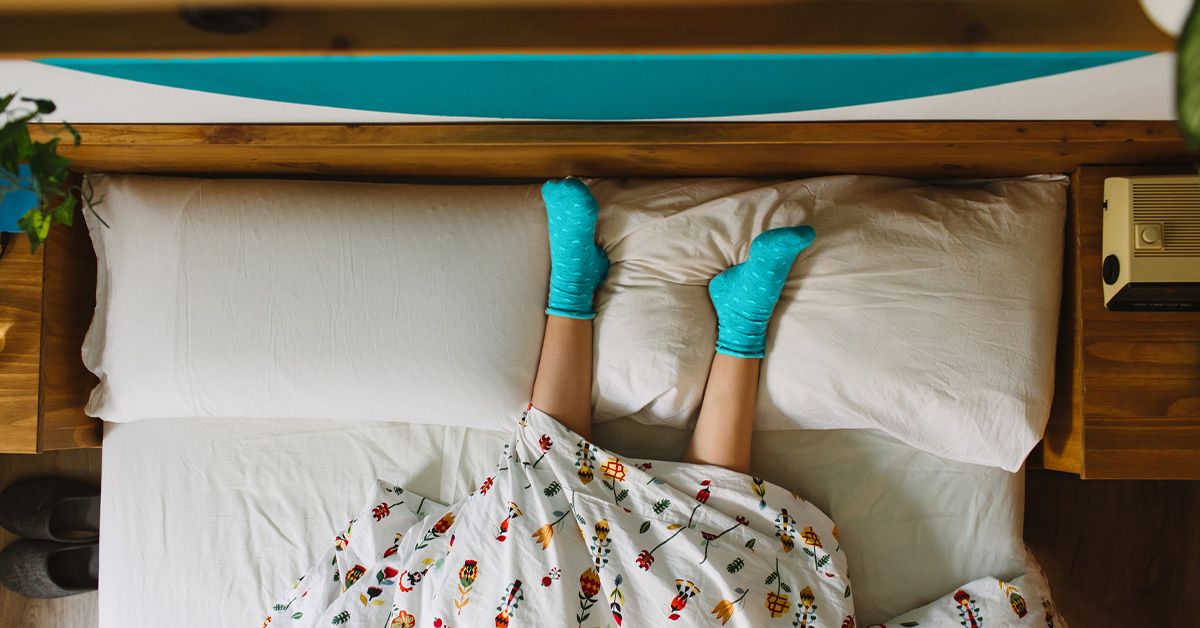
Waking up hot, sticky, and mildly offended by your own pillow is not exactly the peaceful sleep fantasy anyone signed up for. One minute you are drifting into dreamland; the next, you are kicking off blankets like they personally betrayed you. If you often wonder, “Why do I get so hot when I sleep?” the answer may be as simple as a warm bedroom or as complex as hormones, medication, stress, or a medical condition.
The good news: most nighttime overheating is fixable. The less-good-but-still-useful news: if you are waking up drenched in sweat repeatedly, your body may be waving a tiny wet flag asking for attention. This guide breaks down the common causes of sleeping hot, the difference between normal overheating and true night sweats, and the practical steps you can take tonight to cool down without turning your bedroom into a walk-in freezer.
Sleeping Hot vs. Night Sweats: What Is the Difference?
Feeling hot at night is common. You may overheat because your room is too warm, your comforter is too heavy, your mattress traps heat, or your pajamas are made from fabric that behaves like plastic wrap. In these cases, you usually cool down after removing a layer, turning on a fan, lowering the thermostat, or freeing one heroic foot from under the blanket.
Night sweats are different. They usually involve repeated episodes of heavy sweating during sleep, sometimes enough to soak pajamas, sheets, or bedding. They may happen even when the room is cool. That distinction matters because true night sweats can be linked to internal triggers such as hormonal changes, infections, medication side effects, thyroid problems, anxiety, sleep apnea, or other health conditions.
In plain English: if you wake up a little warm because your blanket has the insulation rating of a ski lodge, that is probably environmental. If you repeatedly wake up drenched for no obvious reason, it is worth paying closer attention.
Why Your Body Gets Hot at Night
Your body is not supposed to stay the same temperature all day and night. As bedtime approaches, your core body temperature naturally begins to drop. This cooling process helps signal that it is time to sleep. Your body releases heat through your skin, especially through areas like your hands, feet, and face. That is why you may feel warmer on the outside even while your core temperature is trying to dip.
Sleep becomes harder when something interferes with this cooling process. A hot room, heavy bedding, alcohol, late-night exercise, stress, illness, or hormonal fluctuations can all make your body work harder to regulate temperature. Instead of smoothly drifting into deeper sleep, you may toss, turn, sweat, and negotiate with your thermostat at 3 a.m.
Common Reasons You Get So Hot When You Sleep
1. Your Bedroom Is Too Warm
The sleep environment is the first suspect. Most people sleep better in a cool, dark, quiet room. A bedroom that feels cozy when you first lie down may become too warm after your body heat, blankets, mattress, and closed windows join forces. Humidity can make things worse because sweat does not evaporate as easily, leaving you feeling clammy instead of cool.
A practical starting point is to keep your room in the cooler range, often around the mid-60s Fahrenheit for many adults. You do not have to worship one magic number. Some people prefer slightly warmer or cooler settings depending on age, health, climate, bedding, and personal comfort. The goal is simple: your room should help your body cool down, not force it to run a midnight cooling emergency.
2. Your Bedding Traps Heat
Your bed can be a heat trap disguised as comfort. Thick comforters, dense foam mattress toppers, flannel sheets, heavy blankets, and synthetic fabrics can hold warmth around your body. Memory foam in particular may feel wonderfully supportive but can retain heat for some sleepers.
Try lighter, breathable bedding. Cotton, linen, bamboo-derived fabrics, and moisture-wicking materials may feel cooler than heavy synthetics. Layering also helps. Instead of one giant blanket that has only two settings“too hot” and “why am I awake?”use lighter layers you can remove during the night.
3. Your Pajamas Are Working Against You
Sleepwear matters more than people think. Tight clothing can restrict airflow, while heavy or synthetic fabrics can trap heat and moisture. Loose-fitting, lightweight pajamas made from breathable material are usually better for hot sleepers. Some people sleep coolest in a simple T-shirt and shorts; others prefer moisture-wicking sleepwear. The best choice is whatever keeps you comfortable without turning your body into a slow cooker.
4. Hormonal Changes
Hormones are one of the biggest internal reasons people get hot during sleep. Perimenopause and menopause are famous for hot flashes and night sweats, but hormonal shifts can also happen during the menstrual cycle, pregnancy, postpartum recovery, and certain medical treatments. These changes can affect the brain’s temperature-control system, causing sudden waves of heat, sweating, and then chills after the sweat cools.
Menopause-related night sweats may be mild for some people and sleep-wrecking for others. Lifestyle changes can help, but medical treatment may be appropriate when symptoms are severe. Options can include hormone therapy or nonhormonal medications, depending on personal health history and a clinician’s advice.
5. Stress and Anxiety
Your brain does not always clock out when your body gets into bed. Stress, anxiety, panic, nightmares, or a racing mind can activate the nervous system. When your body is in a heightened state, your heart rate, breathing, and sweat response may increase. Basically, your brain says, “We are safe in bed,” while your nervous system says, “But what about that email from 2017?”
If stress is part of the pattern, cooling the room helps, but calming the nervous system matters too. A wind-down routine, deep breathing, journaling, stretching, prayer, meditation, or reading something gentle can help tell your body that the day is officially closed for business.
6. Alcohol, Caffeine, Spicy Food, and Late Meals
What you consume in the evening can affect nighttime temperature. Alcohol may make you sleepy at first, but it can fragment sleep and interfere with temperature regulation. Caffeine can delay sleep and may worsen restlessness if consumed too late. Spicy foods can trigger flushing and sweating in some people. Large, heavy meals close to bedtime can raise metabolic activity and worsen reflux, both of which can make sleep feel warmer and more uncomfortable.
A simple experiment: for one week, avoid alcohol, spicy food, and large meals within a few hours of bed. Move caffeine earlier in the day. If you sleep cooler, congratulationsyou have identified a trigger without needing a detective hat.
7. Medication Side Effects
Some medications can cause sweating or night sweats. These may include certain antidepressants, hormone treatments, diabetes medications that affect blood sugar, some pain relievers, steroids, migraine medications, and other prescriptions. Never stop a medication on your own just because you suspect it is making you hot at night. Instead, write down when the sweating began, what you take, and when you take it, then discuss it with your healthcare provider. Sometimes a dose adjustment, timing change, or alternative medication can help.
8. Fever, Infection, or Inflammation
When your body fights an infection, temperature changes and sweating can happen, including during sleep. A cold, flu, COVID-like illness, or another infection may cause temporary night sweating. Usually, this improves as the illness resolves.
However, persistent night sweats with fever, chills, unexplained weight loss, ongoing cough, swollen lymph nodes, or unusual fatigue deserve medical attention. Most night sweats are not caused by something dangerous, but those warning signs are your cue not to simply buy cooler sheets and hope for the best.
9. Thyroid or Blood Sugar Issues
An overactive thyroid can speed up metabolism and make people feel hot, sweaty, shaky, anxious, or unusually energetic despite fatigue. Blood sugar drops during sleep can also cause sweating, especially in people with diabetes or those taking medications that lower glucose. If nighttime sweating comes with tremors, hunger, confusion, racing heartbeat, or morning headaches, it is worth discussing with a healthcare professional.
10. Sleep Apnea
Sleep apnea is a sleep-related breathing disorder in which breathing repeatedly pauses or becomes restricted during sleep. Common clues include loud snoring, gasping, choking, morning headaches, dry mouth, frequent nighttime urination, and daytime sleepiness. Some people with sleep apnea also report night sweats. Because sleep apnea can affect oxygen levels, blood pressure, heart health, and daytime safety, it should not be ignored.
If your partner says you stop breathing, snore loudly, or gasp at night, take it seriously. A sleep study, including a home sleep apnea test in some cases, can help identify the problem. Treatment may include CPAP therapy, oral appliances, weight management when appropriate, or other medical approaches.
What To Do About Sleeping Hot: Practical Fixes That Actually Help
Cool the Room Before Bed
Start by lowering the bedroom temperature before you get into bed. Use air conditioning, a fan, open windows, or improved airflow if outdoor conditions allow. In humid climates, a dehumidifier may make a bigger difference than a fan alone. If you share a room with someone who thinks “comfortable” means “desert lizard habitat,” consider separate blankets or a fan aimed only at your side.
Upgrade Your Bedding Strategy
Use breathable sheets and lighter blankets. Replace one heavy comforter with layers. If your mattress traps heat, consider a cooling mattress pad or breathable topper. Wash bedding regularly, because clean fabrics often feel fresher and handle moisture better. For couples, separate covers can be a relationship-saving miracle: one person can burrito themselves while the other survives with a thin blanket and dignity.
Choose Cooler Sleepwear
Wear loose, lightweight, breathable pajamas. Cotton and linen are classic choices. Moisture-wicking fabrics may help if you sweat often. Avoid tight waistbands, thick socks, heavy robes, or anything that makes you feel like you are preparing for a polar expedition indoors.
Build a Cool-Down Routine
A warm shower or bath one to two hours before bed may sound backward, but it can help some people sleep because blood vessels near the skin open up afterward, allowing heat to leave the body. Keep the water warm, not scorching. Follow with a cool room and breathable clothing.
Other helpful habits include dimming lights, avoiding intense workouts right before bed, putting screens away, and giving yourself a calm transition from daytime mode to sleep mode. Your body cools down more easily when your nervous system is not still running a mental marathon.
Watch Evening Triggers
Try limiting alcohol, late caffeine, spicy foods, and large meals before bed. If you suspect a food or drink trigger, keep a simple sleep log for two weeks. Record room temperature, bedding, alcohol, caffeine, dinner timing, stress level, medications, and whether you woke hot or sweaty. Patterns often appear faster than expected.
Hydrate, But Do Not Overdo It
Keep water nearby, especially if you wake up sweaty. Hydration helps your body regulate temperature. However, drinking a giant bottle right before bed may send you to the bathroom all night, which is technically cooler but not exactly restful. Sip steadily during the day and keep a small glass by the bed.
Use Smart Cooling Tools
Cooling pillows, breathable mattress protectors, fans, cooling towels, lightweight duvets, and moisture-wicking sheets can help. You do not need to buy every product with the word “cooling” slapped on the package. Start with the basics: room temperature, airflow, bedding weight, and fabric. Then add tools if needed.
When Should You See a Doctor About Night Sweats?
Make an appointment with a healthcare provider if night sweats are frequent, severe, unexplained, or disrupting your sleep. You should also seek medical advice if they come with fever, unexplained weight loss, persistent cough, chest pain, shortness of breath, swollen lymph nodes, extreme fatigue, new pain, or symptoms of sleep apnea.
It is also smart to check in if night sweats began after starting a new medication, changing a dose, entering perimenopause, recovering from an illness, or experiencing major stress. A clinician may ask about your medical history, medications, menstrual or hormonal changes, infection symptoms, travel, weight changes, and sleep patterns. Testing is not always needed, but when it is, it may include blood work, thyroid testing, infection screening, blood sugar evaluation, or a sleep study.
A Simple 7-Night Cooling Plan
Night 1: Measure the Room
Use a room thermometer. Guessing temperature is unreliable, especially when you are half asleep and angry at a blanket. Aim for a cooler sleep environment and note how you feel.
Night 2: Lighten the Layers
Swap heavy bedding for lighter layers. Keep one extra blanket nearby instead of starting the night under too much warmth.
Night 3: Change Sleepwear
Wear loose, breathable pajamas or fewer layers. Notice whether you wake less often.
Night 4: Adjust Food and Drink
Avoid alcohol, spicy foods, and heavy meals close to bedtime. Move caffeine earlier in the day.
Night 5: Add Airflow
Use a fan, open a window if safe, or improve ventilation. Air movement helps sweat evaporate and can make a room feel cooler.
Night 6: Calm the Nervous System
Try a 20-minute wind-down routine: dim lights, stretch, breathe slowly, journal, or read. Keep the phone out of bed if possible.
Night 7: Review the Pattern
Look at your notes. If changes helped, keep them. If you still wake drenched despite a cool room and lighter bedding, consider medical causes and schedule a healthcare visit.
Real-Life Experiences: What Sleeping Hot Often Feels Like
Many people do not describe nighttime overheating in clinical terms. They describe it like this: “I wake up at 2 a.m. feeling like my mattress has a furnace setting.” Or, “My partner is perfectly comfortable while I am lying there like a baked potato.” These experiences are common, and they can be frustrating because the cause is not always obvious.
One common experience is the “blanket battle.” You fall asleep cozy under a comforter, then wake up too hot and throw it off. Ten minutes later, sweat cools on your skin and you are freezing. Then the blanket comes back. Then it goes away. This ridiculous cycle can repeat all night. The solution is often lighter layers instead of one heavy blanket. Layers let you fine-tune warmth without turning sleep into a wrestling match.
Another familiar pattern is the “new mattress surprise.” A person buys a plush foam mattress expecting luxury and suddenly starts waking hot. The mattress may support the body well but trap heat more than the old one. In that case, breathable sheets, a cooling mattress protector, or a different topper may help. Sometimes the mattress is not bad; it is just too warm for that sleeper’s body.
Some people notice they sleep hot after stressful days. They may not sweat through the sheets, but they wake with a racing mind, warm chest, or damp neck. This can happen when the nervous system stays activated into the night. For these sleepers, the fix is not only colder air. A predictable bedtime routine, less late-night scrolling, and a few minutes of slow breathing can make the body feel safer and cooler.
Others connect nighttime heat to food and drink. A spicy dinner, late cocktail, or large meal can turn bedtime into a sauna session. The tricky part is that the reaction may show up hours later, so people do not always connect the dots. A simple sleep diary can reveal patterns: tacos at 9 p.m., sweating at 2 a.m.; wine with dinner, restless sleep; caffeine at 4 p.m., tossing until midnight. The diary is not glamorous, but neither is waking up stuck to your sheets.
For people in perimenopause or menopause, the experience may feel sudden and intense: a wave of heat, sweating around the chest and neck, a fast heartbeat, then chills afterward. This can be disruptive and emotionally exhausting, especially when it happens several times a night. Lifestyle steps may reduce the intensity, but persistent symptoms deserve a medical conversation. There is no prize for silently suffering through months of broken sleep.
Finally, some sleepers discover that the heat is a clue to something else. Loud snoring, gasping, morning headaches, and daytime sleepiness may point toward sleep apnea. New sweating after starting a medication may point toward a side effect. Sweats with fever or weight loss may need prompt evaluation. The experience itself is not a diagnosis, but it is information. Your body may be telling you something usefuljust in the least elegant way possible.
Conclusion
Getting hot when you sleep can happen for many reasons, from a too-warm room to hormonal changes, stress, alcohol, medications, infections, thyroid issues, or sleep apnea. Start with the simple fixes: cool the room, lighten your bedding, choose breathable pajamas, avoid common evening triggers, and create a calmer bedtime routine. These changes solve the problem for many hot sleepers.
But do not ignore repeated, drenching night sweats, especially if they happen in a cool room or come with other symptoms. Sleep is not supposed to feel like a nightly survival challenge. With the right adjustmentsand medical guidance when neededyou can stop waking up overheated and start waking up like a normal human instead of a microwaved burrito.













