
Batting gloves live a dramatic life. One minute they are helping you lace a line drive into the gap; the next, they are stuffed into a gear bag beside sunflower seeds, eye black, and something that may have been a banana in April. If your gloves smell like a locker room with unresolved personal issues, it is time for a cleaning plan.
The good news is that learning how to clean batting gloves is simple. The bad news is that throwing them into the washing machine with your socks is usually not the heroic shortcut people hope it is. Batting gloves are made from different materials, including premium leather, synthetic leather, mesh, elastic, neoprene, and moisture-wicking fabrics. That means the best cleaning method depends on how dirty they are and what they are made of.
This guide breaks the process into three practical methods: a quick wipe-down, a careful hand wash, and a deeper odor-control and conditioning routine. Whether you play baseball, softball, slow pitch, travel ball, or weekend “I still got it” league, these steps will help your gloves stay cleaner, grippier, and less likely to clear a room.
Before You Clean: Know What Kind of Batting Gloves You Have
Before soap touches fabric, check the care label. Many batting gloves look similar from a distance, but the palm material changes everything. Leather palms, especially soft sheepskin or Cabretta-style leather, need gentle cleaning and should not be soaked. Synthetic batting gloves are usually more tolerant of water, but they can still lose shape, stretch, or break down if exposed to heat, harsh detergents, or aggressive scrubbing.
As a general rule, treat batting gloves like a nice pair of shoes, not like a gym towel. Dirt, sweat, clay, pine tar, sunscreen, and batting cage dust can all build up on the surface. If you ignore that buildup, the gloves may stiffen, crack, smell bad, or lose grip. If you overclean them, they may shrink, dry out, or become floppy in all the wrong places. The sweet spot is regular light cleaning with occasional deeper care.
Supplies You May Need
- Soft cloth or microfiber towel
- Soft-bristle brush or clean toothbrush
- Mild soap or gentle detergent
- Small bowl of cool or lukewarm water
- Dry towel
- Leather conditioner or glove balm for leather gloves
- Baking soda or a natural deodorizer for odor control
- Fan or well-ventilated drying area
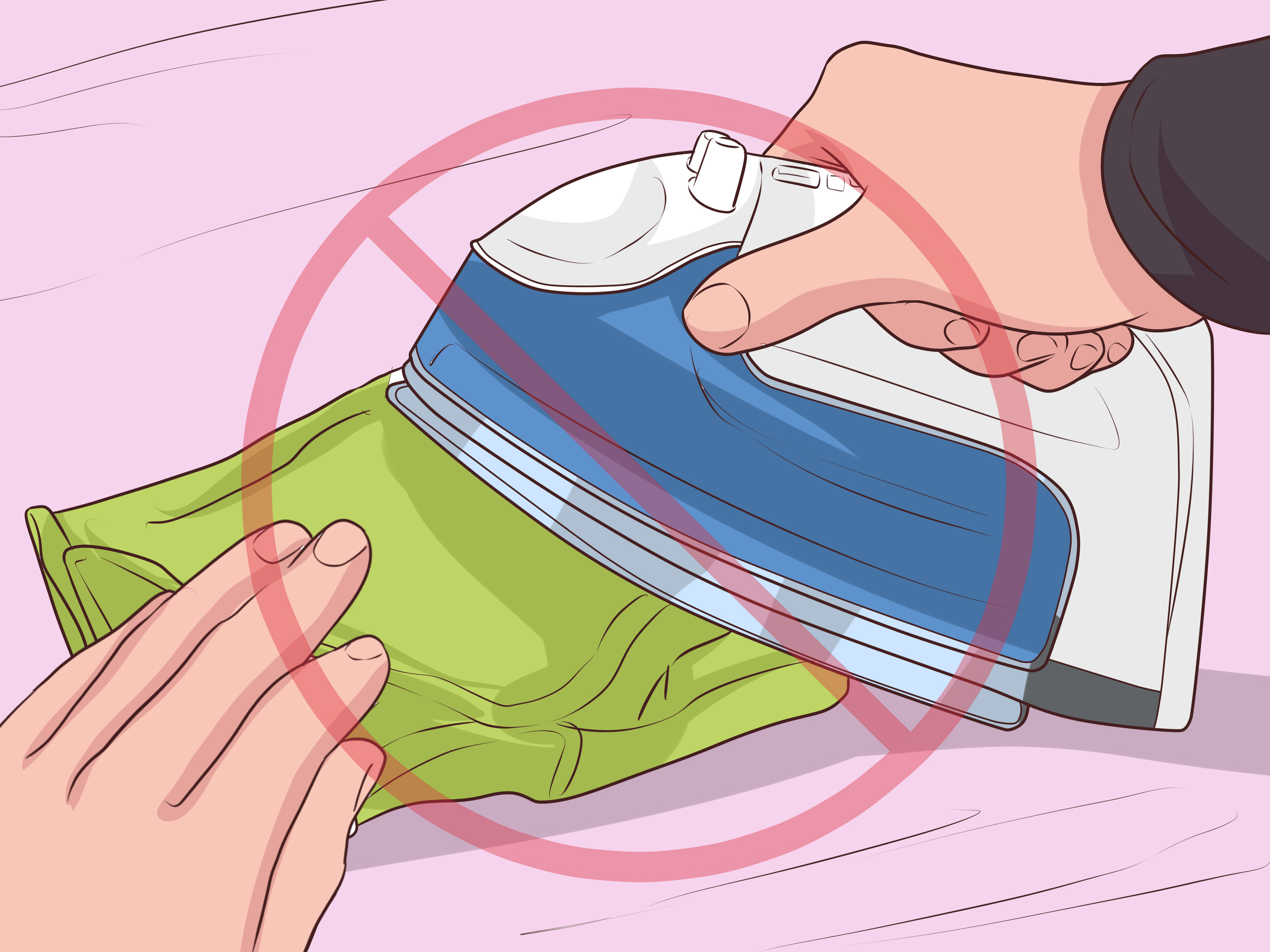
Avoid bleach, heavy laundry detergent, alcohol-based cleaners, strong degreasers, boiling water, dryers, heaters, and direct sunlight. Those may sound like serious cleaning power, but they can turn flexible gloves into crispy hand tacos.
Method 1: The Quick Wipe-Down After Every Use
The easiest way to clean batting gloves is also the method most players skip. A quick wipe-down after every practice or game prevents sweat and dirt from becoming a long-term science project. This method is best for gloves that are dusty, lightly dirty, or just beginning to smell.
Step 1: Knock Off Loose Dirt
After leaving the field, gently clap the gloves together outside. Do not smack them like you are applauding a Broadway finale. A few light taps will loosen clay, dust, and dry dirt. Then use a soft-bristle brush to remove grit from the palm, fingers, seams, and wrist strap.
This matters because dirt acts like sandpaper. When it stays on the palm, every swing and grip adjustment rubs that grit deeper into the material. Over time, it can wear down leather, dull synthetic grip surfaces, and make seams look tired.
Step 2: Wipe With a Slightly Damp Cloth
Dampen a clean cloth with cool or lukewarm water, then wring it out until it is barely wet. Wipe the outside of the gloves, focusing on the palms, fingertips, and areas where sweat collects. For leather batting gloves, keep the cloth only lightly damp. The goal is to lift dirt, not give the gloves a bubble bath.
If the gloves are sticky from pine tar or grip spray, use slow, gentle passes instead of scrubbing hard. Aggressive scrubbing can rough up the palm and damage stitching. If a spot does not come up right away, save it for the hand-washing method below.
Step 3: Air Them Out Properly
Open the wrist straps and lay the gloves flat in a cool, dry place with airflow. A fan on low can help. Do not dry batting gloves in direct sun, on a radiator, near a heater, or in a clothes dryer. Heat can shrink leather, weaken adhesives, stiffen palms, and ruin the glove’s shape.
Also, do not immediately throw damp gloves back into your equipment bag. That is how odor gets promoted from “minor issue” to “team emergency.” Let them dry completely before storing.
When to Use This Method
Use the quick wipe-down after every game, batting practice, or cage session. It takes two minutes and can add weeks or months to the life of your gloves. Think of it as brushing your teeth, but for your batting gear. Not glamorous, very necessary.
Method 2: Hand Wash Batting Gloves With Mild Soap
If your batting gloves have visible stains, dried sweat, clay marks, or that unmistakable “summer tournament” aroma, a careful hand wash can help. This method works well for many synthetic gloves and can be used carefully on leather gloves as a spot-cleaning process. The key word is careful.
Step 1: Mix a Gentle Cleaning Solution
Fill a small bowl with cool or lukewarm water. Add a tiny amount of mild soap or gentle detergent. You do not need a mountain of suds. In fact, too much soap can leave residue, attract more dirt, and make the gloves feel slick.
Hot water is not your friend here. It may feel satisfying, but it can damage leather, loosen glue, and affect elastic. Keep the water mild, like a pleasant handshake.
Step 2: Spot Test First
Before cleaning the entire glove, test a small hidden area, such as the inside wrist or a corner of the strap. Dab with your soapy cloth and wait a few minutes. If color transfers, the material darkens dramatically, or the surface changes texture, stop and switch to the dry wipe-down method.
This step is especially important for white, light gray, tan, or brightly colored batting gloves. Some dyes and leathers react poorly to too much moisture or soap.
Step 3: Clean the Palm and Fingers
Dip a soft cloth into the cleaning solution, wring it out well, and wipe the glove in small sections. For stubborn dirt, use a soft toothbrush with very light pressure. Work around the seams instead of forcing the bristles into them. If you are cleaning leather gloves, avoid soaking the palm. If you are cleaning synthetic gloves, you may use slightly more moisture, but they still should not be dripping wet.
Pay special attention to the fingertips and thumb. These areas collect sweat, clay, bat grip residue, and the emotional weight of every checked swing. Wipe until the dirt lifts, then move on.
Step 4: Remove Soap Residue
Use a second cloth dampened with plain water to wipe away any soap. Again, wring the cloth thoroughly. Soap left behind can dry into the material and reduce grip. For players who rely on a tacky palm, residue is the enemy. You want clean gloves, not gloves that feel like they shook hands with a candle.
Step 5: Press Dry and Air Dry
Use a dry towel to press out surface moisture. Do not twist or wring the gloves. Twisting can stretch the fingers, stress the seams, and leave the gloves shaped like they are trying to make shadow puppets.
After towel drying, lay the gloves flat with the wrist open. Keep them in a ventilated room until fully dry. Depending on humidity, this may take several hours or overnight. If you need them for a game the same day, use the quick wipe-down instead. Wet batting gloves are uncomfortable, slippery, and emotionally discouraging.
Can You Machine Wash Batting Gloves?
Sometimes, but do not make it your default move. Some synthetic gloves may tolerate a delicate machine cycle if the care label allows it. If you do machine wash synthetic batting gloves, turn them inside out if possible, place them in a mesh bag or pillowcase, use cold water, choose a gentle cycle, and air dry only.
Leather batting gloves should generally not be machine washed. Soaking and tumbling can strip natural oils, shrink the material, weaken stitching, and make premium gloves feel like cardboard. When in doubt, hand clean.
Method 3: Deep Clean, Deodorize, Condition, and Store
The third way to clean batting gloves is less about scrubbing and more about maintenance. This method is ideal for gloves that have odor, stiffness, leather dryness, or repeated sweat exposure. It is also useful at the end of a season, before storing your gear, or after a muddy tournament where the dugout looked like a swamp with sunflower seeds.
Step 1: Remove Dirt Before Treating Odor
Always clean off visible dirt before deodorizing or conditioning. Use a dry brush first, then a lightly damp cloth. If you add balm, conditioner, or deodorizer over dirt, you may seal grime into the material. That is like putting cologne on a gym sock. Technically something happened, but not the right thing.
Step 2: Deodorize the Inside
Sweat is usually the main source of batting glove odor. After cleaning and drying the gloves, sprinkle a small amount of baking soda inside each glove or place them near a natural deodorizer overnight. Do not dump half a box inside unless you want to create a snow globe for your hands.
In the morning, shake out the gloves thoroughly. You can also use odor-control pouches, cedar inserts, or sports gear deodorizers. The goal is to absorb moisture and smell without soaking the gloves in fragrance. Heavy perfumes may cover odor temporarily, but they do not fix the moisture problem.
Step 3: Condition Leather Batting Gloves
If your batting gloves have leather palms or leather construction, apply a small amount of leather conditioner or glove balm after they are clean and dry. Use a soft cloth or your fingers to work a thin layer into the palm, fingers, and flex points. Wipe away excess product.
Conditioning helps restore flexibility and prevents cracking, especially after repeated sweat exposure. However, more is not better. Too much conditioner can make gloves greasy, heavy, or overly soft. Start with a small amount. Your gloves should feel supple, not like they were dipped in salad dressing.
Step 4: Let the Gloves Rest Overnight
After conditioning, leave the gloves open in a cool, dry area overnight. This gives the leather time to absorb the product and lets any remaining moisture evaporate. Avoid packing them tightly in a bag right away.
If your gloves are synthetic, skip leather conditioner unless the manufacturer specifically recommends a product for that material. Many synthetic palms only need cleaning, drying, and proper storage.
Step 5: Store Them the Right Way
Store batting gloves flat or loosely folded, with the straps open. Keep them away from heat, direct sunlight, and damp basements. A breathable gear pouch is better than a sealed plastic bag. If the gloves are still damp from sweat, leave them out until dry before storing.
Good storage keeps the palms from cracking, the fingers from curling, and the smell from turning into a local legend. It also makes it easier to grab your gloves before a game without wondering whether something inside the bag has become self-aware.
How Often Should You Clean Batting Gloves?
For most players, a light wipe-down after every use is enough. A more detailed hand wash may be needed every few weeks during the season, depending on how often you play, how much you sweat, and whether your field has clay that clings like it pays rent.
Frequent players, travel ball athletes, and anyone taking regular batting practice should air out gloves after every session. Leather gloves may need light conditioning once or twice a month during heavy use. Casual players may only need conditioning a few times per season.
If the gloves feel stiff, smell bad, look dirty, or lose grip, clean them. If they are cracked, torn, or slick even after cleaning, replacement may be the better move. There comes a point when batting gloves retire with honor.
Common Mistakes to Avoid When Cleaning Batting Gloves
Using Too Much Water
Soaking batting gloves, especially leather ones, can cause stiffness, shrinkage, and cracking. Use the least amount of moisture needed to lift dirt.
Drying With Heat
Never use a dryer, heater, hair dryer, or direct sunlight to speed up drying. Heat can ruin shape and texture. Air drying is slower, but it is safer.
Scrubbing Like You Are Cleaning a Grill
Hard scrubbing can damage palms, seams, logos, and grip coatings. Gentle pressure works better. If dirt is stubborn, repeat the cleaning process instead of attacking it.
Ignoring the Inside
The inside of batting gloves collects sweat and bacteria. Airing them out and deodorizing them helps control smell and keeps the gloves more comfortable.
Using Harsh Chemicals
Bleach, alcohol, degreasers, and strong soaps can strip leather oils, fade colors, and weaken materials. Mild soap is usually enough.
Real-World Experience: What Actually Works With Dirty Batting Gloves
After dealing with batting gloves through long practices, humid weekend tournaments, dusty cages, and the mysterious environment known as “the bottom of the baseball bag,” one lesson becomes obvious: small habits beat big rescue missions. The cleanest gloves are not owned by players who perform a dramatic deep clean once a month. They belong to players who wipe them down, open the straps, and let them breathe after every use.
The fastest improvement comes from removing dirt immediately. Clay that wipes off easily after a game can become stubborn by the next morning. Sweat works the same way. When gloves stay damp in a closed bag overnight, the odor becomes harder to remove. A simple routine after practice makes a major difference: clap off dirt outside, wipe the palms with a barely damp towel, open the wrist straps, and lay the gloves near a fan. That alone can prevent most smell and stiffness.
For leather batting gloves, less water is almost always better. A common mistake is treating expensive leather gloves like washable training gloves. They may survive one full soak, but they often come back stiffer, darker, or misshapen. A better approach is spot cleaning. Work slowly on the dirty areas, rinse with a clean damp cloth, press dry, and then condition lightly once the gloves are completely dry. The conditioner step is what keeps the leather from feeling crunchy after sweat and cleaning.
Synthetic gloves are more forgiving, but they are not indestructible. Some players assume synthetic means “laundry-proof.” That is risky. Even if the palm survives, the wrist elastic, stitching, logos, or grip texture may not love the washing machine. If the care label allows machine washing, use cold water, a gentle cycle, and a mesh bag. Never put them in the dryer. Air drying is the one rule that applies to nearly every batting glove.
Odor control is mostly moisture control. Sprays can help, but they cannot replace drying. Baking soda, cedar pouches, and sports deodorizers are useful after the gloves are already clean and dry. If you use a deodorizing product while the gloves are still sweaty, you are basically decorating the problem. Let them dry first, then deodorize.
Another practical tip: keep batting gloves separate from cleats and wet towels. A breathable glove pouch or side pocket can save them from unnecessary dirt and smell. If you play multiple games in a day, bring a backup pair if possible. Rotating gloves gives each pair time to dry and helps both last longer.
The best cleaning routine is not complicated. Clean lightly, dry fully, condition leather sparingly, and store gloves with airflow. Do that consistently and your batting gloves will stay comfortable, flexible, and ready for the next at-bat. They may still smell like baseball, but at least they will not smell like a haunted equipment shed.
Conclusion
Cleaning batting gloves does not require fancy equipment or a professional clubhouse staff. You only need the right method for the mess. Use a quick wipe-down after every game to prevent buildup. Hand wash carefully with mild soap when dirt and sweat become noticeable. For deeper care, deodorize the inside, condition leather palms, and store the gloves in a cool, dry place.
The biggest rule is simple: avoid soaking, harsh chemicals, and heat. Batting gloves are built for swings, slides, sweat, and pressure momentsnot for being roasted in the dryer like leftover pizza. Treat them with a little care, and they will reward you with better comfort, better grip, and fewer embarrassing gear-bag smells.
Note: This article is written for general baseball and softball gear care. Always follow the care label or manufacturer instructions for your specific batting gloves.












