
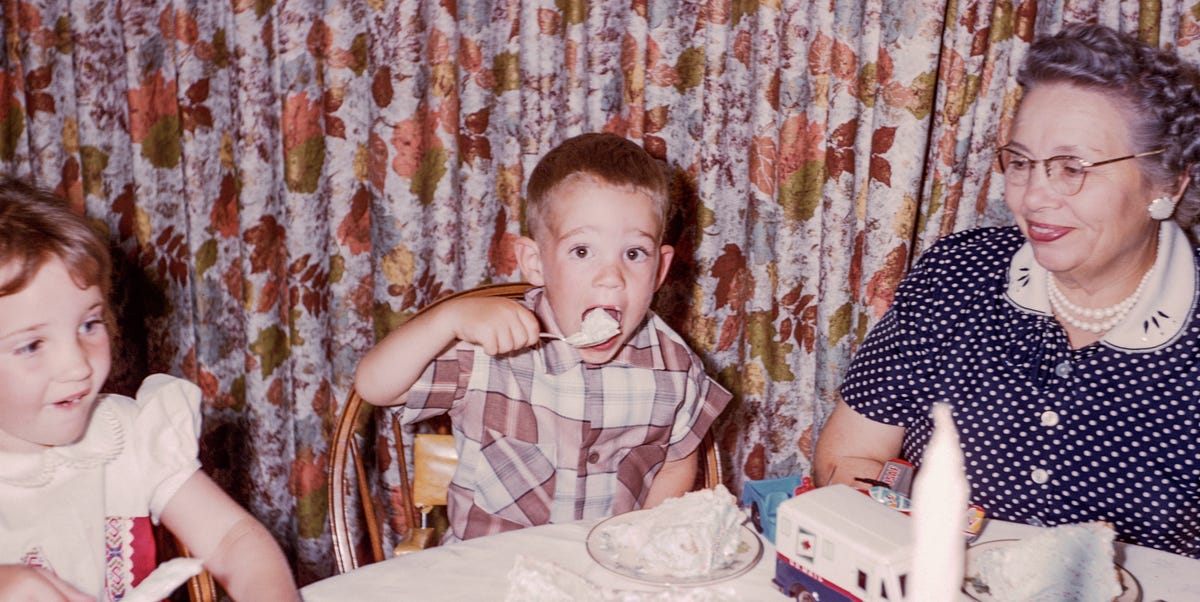
Grandma’s house has a special kind of magic. One minute you are looking for extra napkins, and the next you are holding a floral mixing bowl, a velvet jewelry box, or a dusty book that might be worth more than your entire streaming subscription history. Not every old item is valuable, of course. Some things are simply charming, sentimental, and slightly suspicious in smell. But certain vintage items from Grandma can surprise families with real market value.
The key is knowing what to look for. Collectors usually care about rarity, condition, maker, age, originality, provenance, and current demand. A chipped plate from a department store may not fund retirement, but a complete set of vintage Pyrex in a rare pattern, a signed first edition, sterling silver flatware, or an early designer handbag could be worth serious money. Before donating boxes from the attic, slow down, take photos, check maker’s marks, compare sold prices, and consider a professional appraisal for anything that looks unusual.
Below are 20 vintage items from Grandma that could be worth a lot of money, plus practical tips for spotting hidden treasure without accidentally using a $900 bowl for popcorn night.
1. Fine Jewelry and Antique Diamonds
Old jewelry boxes are one of the first places to check. Gold chains, platinum rings, antique diamonds, cameos, brooches, lockets, and gemstone pieces may carry value based on metal content, stone quality, craftsmanship, age, and designer name. Pieces from well-known makers such as Tiffany & Co., Cartier, Van Cleef & Arpels, or David Webb can be especially desirable.
Do not judge jewelry by whether it looks fashionable today. Grandma’s “too fancy for Tuesday” brooch may be hand-set, signed, or made from precious materials. Look for stamps such as 14K, 18K, PT950, sterling, maker’s initials, or tiny hallmarks. For diamond and gemstone pieces, a certified jewelry appraisal is often worth the cost.
2. Sterling Silver Flatware and Tea Sets
That heavy box of forks no one wants to polish may deserve attention. Sterling silver flatware, trays, candlesticks, bowls, and tea services can be valuable because they combine metal value with pattern, maker, and collectible appeal. Sterling is usually marked “sterling” or “925,” while silverplate has only a thin layer of silver over another metal.
Popular American makers include Gorham, Reed & Barton, Towle, International Silver, and Wallace. Complete services, rare serving pieces, and desirable patterns often bring more than mismatched utensils. Even damaged sterling can have melt value, but do not rush to scrap it. Some pieces are worth more intact than by weight alone.
3. Vintage Watches
Vintage watches can be tiny treasure chests with straps. Mechanical watches from brands such as Rolex, Omega, Patek Philippe, Cartier, Longines, and Jaeger-LeCoultre may command strong prices, especially when they have original dials, cases, movements, boxes, papers, or service records.
Condition and originality matter enormously. A polished case, replaced dial, missing crown, or non-original bracelet can affect value. Even watches that do not run may be desirable if the model is rare. Before selling, photograph the front, back, movement if safely accessible, and any serial or reference numbers. Do not open a watch yourself unless you know what you are doing; this is not the moment to become a “YouTube-trained horologist.”
4. Designer Handbags, Scarves, and Accessories
Grandma’s closet may hold vintage fashion gold. Handbags from Hermès, Chanel, Louis Vuitton, Gucci, Fendi, and Coach can be collectible, especially if they are in good condition and include original dust bags, receipts, boxes, or authenticity cards. Vintage silk scarves from Hermès and designer costume belts can also bring strong resale interest.
Look carefully at stitching, hardware, lining, serial numbers, logos, and material quality. Counterfeits exist, so authentication matters. A bag does not need to look brand new, but major cracking, heavy odor, broken hardware, and stains reduce value. Still, a classic design in usable condition can be worth much more than an ordinary thrift-store purse.
5. Signed Costume Jewelry
Not all valuable jewelry is made of diamonds and gold. Vintage costume jewelry can be surprisingly collectible, especially signed pieces from designers such as Miriam Haskell, Trifari, Eisenberg, Weiss, Coro, Schreiner, and Chanel. Rhinestone necklaces, enamel brooches, charm bracelets, and bold mid-century pieces can attract collectors who love style without needing a bank vault.
Check the back of brooches, clasps, earring clips, and bracelet hinges for signatures. Condition is critical: missing stones, darkened rhinestones, broken clasps, and glue repairs can lower value. Complete sets, called parures, are often more desirable than single pieces.
6. First-Edition Books
Old books are not automatically valuable, but first editions of beloved classics, signed copies, limited editions, and books with original dust jackets can be worth investigating. The dust jacket can sometimes be as important as the book itself, especially for twentieth-century literature.
Open the book to the copyright page and look for phrases such as “first edition” or a number line that includes “1.” However, first-edition identification can be tricky because publishers use different systems. Condition, author popularity, scarcity, inscriptions, and printing history all matter. A dusty old book is not always a jackpot, but it should not be tossed into the donation bin without a quick check.
7. Vintage Comic Books
If Grandma saved your parent’s comic books, pay attention. Golden Age, Silver Age, and Bronze Age comics featuring first appearances, iconic superheroes, scarce issues, or high-grade condition can be valuable. Comics from the 1930s through the 1970s are especially worth reviewing, though later issues can matter too if they introduce major characters.
Collectors care about condition, page quality, first printing status, cover appeal, and whether a comic has been restored. Professional grading may make sense for valuable books, but grading every random comic is not always cost-effective. Store comics flat, dry, and protected. Please do not “improve” them with tape. Tape is where collectible dreams go to wheeze.
8. Baseball Cards and Sports Memorabilia
Old baseball cards, basketball cards, football cards, signed balls, pennants, programs, tickets, and jerseys can be worth serious money when connected to legendary athletes, historic games, or scarce print runs. Cards featuring players such as Mickey Mantle, Willie Mays, Hank Aaron, Roberto Clemente, Michael Jordan, or early Hall of Famers deserve careful research.
Condition drives value. Sharp corners, clean surfaces, good centering, and original color matter. Cards stored in shoeboxes may still have value, but creases, writing, trimming, and staining reduce prices. Autographs should be authenticated before sale. A signed ball from “some guy named Babe” is not something to casually hand to the dog.
9. Rare Coins and Paper Money
Grandma’s coin jar may include silver dollars, wheat pennies, buffalo nickels, mercury dimes, proof sets, mint errors, old banknotes, or commemorative coins. Coins can be valuable because of metal content, rarity, mint mark, condition, and collector demand.
Look for dates, mint marks, unusual errors, and coins that appear uncirculated. Never clean coins. Cleaning can scratch the surface and reduce value dramatically. If a coin looks rare, place it in a protective holder and consult a reputable coin dealer or grading service.
10. Vintage Pyrex and Colorful Kitchenware
Vintage Pyrex has become one of the brightest stars of Grandma’s kitchen. Patterns such as Butterprint, Gooseberry, Snowflake, Primary Colors, Atomic Starburst, and Lucky in Love are sought after by collectors. Complete nesting bowl sets, promotional pieces, original lids, and vivid color can increase value.
Condition matters more than nostalgia. Dishwasher damage, faded color, chips, scratches, missing lids, and incomplete sets can reduce prices. Look for older all-caps “PYREX” markings and compare the pattern carefully. A rare casserole dish hiding behind the flour can be more exciting than the flour, which has probably been there since 1998.
11. CorningWare, Fire-King, and Other Retro Bakeware
Beyond Pyrex, other kitchen classics can be collectible. CorningWare, Fire-King jadeite, Glasbake, Federal glass, and Anchor Hocking pieces can attract buyers, especially in popular colors or patterns. Jadeite mixing bowls, mugs, and restaurant ware are particularly recognizable for their soft green color.
Check for chips, cracks, cloudy glass, missing lids, and pattern wear. Some online listings exaggerate values, so compare sold prices rather than asking prices. A seller can ask $5,000 for a casserole dish; that does not mean the casserole dish has become real estate.
12. Cast Iron and Vintage Cookware
Old cast iron skillets, Dutch ovens, waffle irons, and griddles from brands such as Griswold, Wagner, and Lodge can be valuable, especially if they are smooth-bottomed, marked, rare in size, or in excellent condition. Vintage enameled cookware from Le Creuset and Dansk Kobenstyle can also be desirable.
Rust does not always destroy value, but cracks, warping, severe pitting, and missing lids can hurt it. Do not throw away a heavy pan just because it looks ugly. Some collectors enjoy restoring cast iron, and certain rare markings or sizes can sell well.
13. Fine China, Crystal, and Dinnerware Sets
Formal dinnerware has had ups and downs in demand, but certain patterns still sell. China from makers such as Lenox, Wedgwood, Royal Doulton, Spode, Noritake, and Herend can be valuable when patterns are rare, complete, or needed by buyers replacing broken pieces. Crystal from Waterford, Baccarat, Lalique, and Steuben may also be worth researching.
Pattern identification is essential. One plate may be ordinary, while another from a discontinued pattern can be desirable. Look for maker’s marks on the underside, count complete place settings, and check for chips. Soup tureens, serving platters, gravy boats, and covered dishes can be more valuable than common plates.
14. Art Pottery and Studio Ceramics
Vases, bowls, planters, and lamps from pottery makers such as Rookwood, Roseville, Weller, McCoy, Van Briggle, and Newcomb can be collectible. Studio pottery signed by regional artists may also have value, especially if the artist has a strong market.
Turn pieces over and look for marks, signatures, numbers, labels, or impressed stamps. Condition is important, but some age-related crazing may be acceptable depending on the piece. Avoid assuming every brown vase is worthless. Mid-century and Arts and Crafts pottery often prefers quiet confidence over screaming “I am expensive!”
15. Quilts, Samplers, and Handmade Textiles
Handmade quilts, embroidered samplers, lace, hooked rugs, and early textiles can hold both family history and market value. Collectors often look for age, pattern, regional origin, craftsmanship, color, condition, and provenance. A nineteenth-century quilt in excellent condition can be far more valuable than a modern machine-made blanket.
Textiles are vulnerable to light, moisture, insects, and poor storage. Do not wash an old quilt in a regular washing machine before appraisal. Store it in breathable cotton, away from attics and basements. If the textile has family history, write it down. Provenance can add meaning and sometimes value.
16. Mid-Century Modern Furniture
Grandma’s “old” furniture may be exactly what designers want now. Mid-century modern chairs, credenzas, dining sets, lamps, and side tables from designers and makers such as Herman Miller, Knoll, Eames, George Nelson, Heywood-Wakefield, Lane, and Broyhill Brasilia can be valuable.
Look for labels, stamps inside drawers, distinctive hardware, dovetail joints, solid wood, and original finishes. Refinishing can help some pieces but harm others, especially if originality is part of the value. Before painting a vintage dresser mint green for a weekend project, check whether collectors are already hunting for it.
17. Tiffany-Style Lamps and Quality Lighting
Old lamps can be surprisingly valuable, especially art glass, bronze, slag glass, reverse-painted, and signed examples. Authentic Tiffany Studios lamps are in a different league, but even quality vintage lighting from other makers can sell well.
Look for marks on the base, shade, sockets, and metalwork. Weight, materials, glass quality, patina, and construction can offer clues. Be careful: many reproductions exist. A lamp can be beautiful without being Tiffany, but a genuine example should be evaluated by a specialist before anyone rewires, scrubs, or “modernizes” it.
18. Vintage Toys and Train Sets
Old toys can bring big nostalgia money. Lionel trains, tin wind-up toys, cast-iron vehicles, Barbie dolls, Star Wars figures, G.I. Joe, early LEGO sets, model cars, and board games can be valuable when rare, complete, and in good condition. Original boxes can multiply interest.
Completeness matters. Missing accessories, replaced parts, broken mechanisms, and repainting can reduce value. Do not throw away packaging, instruction sheets, or tiny accessories. Collectors love tiny accessories with the intensity normal people reserve for finding their phone after losing it in the couch.
19. Vinyl Records and Vintage Audio Gear
Grandma’s record cabinet may include collectible vinyl, especially first pressings, rare jazz, blues, rock, soul, punk, private press albums, sealed records, and records with unusual cover art. Condition is everything: scratches, warping, writing, water damage, and noisy playback can reduce value.
Vintage audio gear can also be desirable. Turntables, receivers, tube amplifiers, speakers, and microphones from respected brands may attract collectors and musicians. Do not plug in old electronics without checking safety first. A valuable amplifier is wonderful; a smoky living room is less wonderful.
20. Holiday Decorations and Antique Ornaments
Vintage Christmas ornaments, Halloween decorations, paper ephemera, ceramic trees, mercury glass, German ornaments, Shiny Brite boxes, blow molds, and early holiday figures can be worth more than expected. Halloween collectibles, especially early paper decorations and rare candy containers, have a passionate collector base.
Original boxes, bright color, intact hooks, and recognizable makers can help value. Fragile ornaments should be handled carefully and stored in acid-free materials. Before tossing that box labeled “old Christmas stuff,” open it gently. It may contain family memories, collectible decorations, or at least proof that Grandma understood sparkle on a professional level.
How to Tell Whether Grandma’s Vintage Items Are Valuable
Look for Maker’s Marks, Labels, and Signatures
Marks are the fingerprints of antiques. Check the bottom of pottery, backs of frames, jewelry clasps, furniture drawers, watch cases, silver handles, book copyright pages, and toy boxes. A name, logo, pattern number, or country of origin can turn a mystery item into a researchable object.
Condition Can Make or Break the Price
Collectors usually pay more for items that are clean, complete, original, and well preserved. Chips, cracks, missing parts, odors, fading, repairs, and heavy wear can reduce value. That said, do not repair items before getting advice. Amateur restoration can lower value faster than you can say, “I used super glue.”
Compare Sold Prices, Not Asking Prices
Online marketplaces are useful, but asking prices can be wildly unrealistic. Sold prices show what buyers actually paid. Compare items with the same maker, pattern, size, age, condition, and completeness. A similar-looking object may not be the same object.
Get a Professional Appraisal for High-Value Items
If an item might be worth hundreds or thousands of dollars, consider a qualified appraiser, auction house estimate, or category specialist. This is especially important for jewelry, watches, art, rare books, coins, and designer goods. A professional opinion can help with insurance, estate planning, donation, or sale decisions.
Real-World Experience: Lessons from Sorting Grandma’s Things
Anyone who has helped clean out a grandparent’s home knows the process is emotional, messy, and occasionally hilarious. You open one drawer expecting napkins and find thirteen batteries, three mystery keys, a church cookbook, a broken watch, and a note that says “good ribbon.” Somehow, the ribbon is not good. But mixed into those ordinary things may be items with financial, historical, or family value.
The first lesson is to move slowly. Families often make the mistake of sorting too fast because the task feels overwhelming. Boxes get labeled “donate,” “trash,” and “keep” in a single afternoon, and valuable items can disappear before anyone researches them. A better approach is to create a “check later” box for anything old, signed, unusually heavy, well-made, boxed, or unfamiliar. This box buys you time and prevents regret.
The second lesson is that sentimental value and market value are different, but both matter. Grandma’s everyday mixing bowl may not be the rarest Pyrex pattern, but if she used it every Thanksgiving, it may be priceless to the family. On the other hand, a bracelet no one remembers may turn out to be gold, signed, or set with valuable stones. The goal is not to treat the house like a treasure hunt and forget the person who lived there. The goal is to honor the stories while making smart decisions.
The third lesson is to keep sets together. A single cup, saucer, lid, box, or instruction booklet may look unimportant until you learn it completes a valuable set. This is especially true for toys, china, silver, watches, handbags, holiday decorations, and kitchenware. Original packaging may feel like clutter, but collectors often love boxes because they prove age, authenticity, and completeness.
The fourth lesson is to document before dividing. Take clear photos, write down where items were found, and record family stories. If Aunt Linda says the quilt came from a great-grandmother in Pennsylvania, write that down. If a watch belonged to a veteran, note the name and dates. Provenance can matter, and even when it does not increase price, it preserves family history.
The fifth lesson is to avoid “cleaning enthusiasm.” People naturally want to polish silver, scrub pottery, wash quilts, or repair broken items before selling. Sometimes that helps, but often it hurts. Coins should not be cleaned. Old textiles should not be tossed into a washing machine. Antique furniture should not be painted before research. When in doubt, photograph first, research second, clean last.
Finally, remember that value changes. Trends shift. Mid-century furniture, vintage Pyrex, sterling silver, vinyl records, and designer handbags have all had waves of renewed interest. Something that seemed outdated ten years ago may be desirable today. Grandma may not have called herself a collector, but she lived through decades of changing design, fashion, and culture. Her home may hold more than stuff; it may hold a small museum with better snacks.
Conclusion
Vintage items from Grandma can be worth a lot of money, but the real trick is learning to recognize potential before it leaves the house. Jewelry, sterling silver, watches, designer handbags, Pyrex, rare books, comics, coins, quilts, furniture, lamps, toys, records, and holiday decorations all deserve a second look. The most valuable pieces usually have a combination of rarity, condition, authenticity, maker, completeness, and demand.
Before selling or donating, slow down and research. Check marks, preserve packaging, compare sold prices, and ask specialists when needed. Some items will turn out to be ordinary. Some will be sentimental treasures. And a few may be the reason everyone suddenly becomes very interested in Grandma’s attic.












