
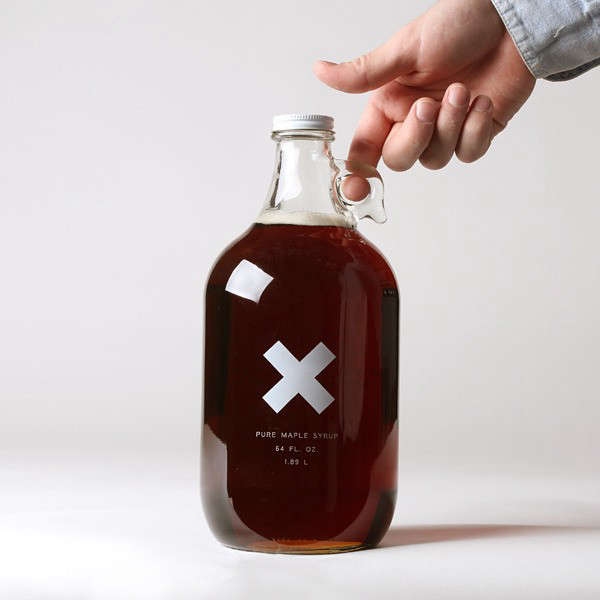
There are ordinary pantry staples, and then there is the “big jug” of organic maple syrup: the golden-brown, breakfast-saving, recipe-rescuing container that makes a kitchen feel prepared for pancakes, oatmeal, roasted vegetables, holiday baking, and sudden emotional emergencies involving French toast. A small bottle says, “I enjoy maple syrup.” A big jug says, “I have a plan.”
Organic maple syrup is more than a sweet topping. It is a concentrated product made from maple tree sap, cooked until the water evaporates and the flavor becomes rich, woodsy, caramel-like, and unmistakably maple. Unlike pancake syrup, which is often made with corn syrup and artificial flavoring, pure maple syrup is a single-ingredient sweetener. When the label says organic, it also points to certified production practices involving forest management, approved inputs, and careful handling.
This guide explains what makes a big jug of organic maple syrup worth buying, how to choose the right grade, how to store it safely, and how to use it in everyday cooking without turning every meal into dessert wearing a tiny lumberjack hat.
What Is a “Big Jug” of Organic Maple Syrup?
A “big jug” usually refers to a larger household-size container of maple syrup, commonly a quart, half-gallon, or gallon jug. The appeal is simple: better value per ounce, fewer emergency grocery runs, and enough syrup to use beyond the breakfast table. If your household makes pancakes twice a month, sweetens oatmeal, bakes muffins, glazes salmon, or adds maple syrup to coffee, a larger jug can make practical sense.
The key phrase is organic maple syrup. Pure maple syrup is made by collecting sap from maple trees and boiling or concentrating it until it reaches syrup density. Organic certification does not mean the syrup is magically calorie-free or harvested by woodland fairies with tiny clipboards. It means the sugarbush and production process must follow organic standards, including restrictions on prohibited substances and documentation of approved practices.
Organic Maple Syrup vs. Regular Maple Syrup
Pure conventional maple syrup and pure organic maple syrup can taste very similar. Both should come from maple sap and both can be excellent. The main difference is not a dramatic flavor transformation; it is the production system behind the jug.
What Organic Certification Typically Covers
For maple syrup, organic certification focuses on how the maple woods are managed, what materials are used, and how the syrup is processed. Producers generally need to document the history of the sugarbush, avoid prohibited synthetic inputs, use approved processing aids, and follow a certified organic system plan. Certified organic syrup must be certified before it is marketed as organic.
That matters because maple syrup is deeply tied to the health of the forest. A productive sugarbush is not just a row of taps; it is an ecosystem of mature maples, young trees, understory growth, soil, wildlife, and careful stewardship. Organic practices encourage producers to think beyond one season’s yield and toward long-term tree health.
Does Organic Maple Syrup Taste Better?
Sometimes yes, sometimes no, and sometimes your pancakes are too busy being thrilled to comment. Flavor depends on the maple species, weather, sap timing, boiling process, filtration, grade, and storage. Organic certification is more about verified practices than a guaranteed flavor profile. A well-made conventional syrup may taste fantastic, and a well-made organic syrup may taste fantastic. The real shopping goal is to choose a certified product from a reputable producer in the grade you enjoy most.
Understanding Maple Syrup Grades
In the United States, maple syrup sold for retail is commonly labeled as Grade A with a color and flavor descriptor. These descriptors help shoppers choose syrup based on taste rather than guessing from color alone.
Grade A Golden Color, Delicate Taste
This is the lightest style. It has a gentle maple flavor, often with buttery or floral notes. It is lovely over yogurt, vanilla ice cream, fresh fruit, crepes, and desserts where you want sweetness without a maple megaphone.
Grade A Amber Color, Rich Taste
Amber is the crowd-pleaser. It has enough maple personality for waffles, pancakes, oatmeal, and coffee, but it still plays nicely in recipes. If you are buying one big jug for general family use, amber is usually the safest bet.
Grade A Dark Color, Robust Taste
Dark syrup brings a stronger maple flavor. It is excellent in baking, marinades, barbecue sauce, roasted carrots, baked beans, granola, and maple butter. This is the grade for people who want the maple flavor to walk into the room wearing boots.
Grade A Very Dark Color, Strong Taste
Very dark syrup is bold, intense, and especially useful for cooking. It can stand up to smoke, spice, vinegar, mustard, and oven heat. If you are making maple-glazed bacon, maple barbecue sauce, or a deeply flavored autumn dessert, very dark syrup is not shy.
Why Buying the Big Jug Can Be Smart
The big jug of organic maple syrup is not just about having more syrup. It is about using maple syrup as an ingredient instead of treating it like a rare potion that must be guarded by a tiny dragon.
Better Cost Per Ounce
Large containers often cost less per ounce than small glass bottles. That can be helpful if your household uses maple syrup regularly. Organic maple syrup is not the cheapest sweetener, so buying in bulk can make it feel less like a special-occasion splurge and more like a normal pantry choice.
Less Packaging Waste
One larger jug may use less packaging than several small bottles. If you refill a smaller table bottle from the big jug, you can keep the convenience of a manageable pour while reducing repeat packaging.
More Cooking Freedom
When you only have a tiny bottle, every tablespoon feels dramatic. With a big jug, you are more likely to experiment: maple vinaigrette, maple-roasted squash, maple granola, maple mustard glaze, maple whipped cream, maple coffee, and maple-sweetened cornbread. Suddenly the jug is not just a breakfast accessory; it is a kitchen tool.
How to Store Organic Maple Syrup Safely
Pure maple syrup does not behave exactly like imitation pancake syrup. Many pancake syrups contain preservatives and are designed to sit in the pantry after opening. Pure maple syrup is different. Once opened, it should be refrigerated to help prevent mold growth.
If you buy a big jug, do not leave it open on the counter because it “looks sturdy.” Maple syrup may look like liquid amber confidence, but it still needs care. After opening, keep the jug tightly sealed in the refrigerator. For easier everyday use, pour a smaller amount into a clean glass bottle and keep that bottle refrigerated too.
Can You Freeze Maple Syrup?
Yes. Freezing is a useful strategy for a large jug, especially if you will not use it quickly. Maple syrup may not freeze rock-solid because of its sugar concentration, but freezer storage helps preserve quality. Divide the syrup into clean, freezer-safe containers, leave headspace for expansion, label the date, and thaw portions as needed. Once thawed, keep the syrup refrigerated.
What If You See Mold?
If mold appears, the safest move is to discard the syrup. Older kitchen advice sometimes suggested skimming and reheating, but current food-safety guidance is more cautious because mold-related toxins may remain. It is painful to throw away maple syrupemotionally, financially, spirituallybut it is better than gambling with a questionable jug.
How to Choose the Best Big Jug of Organic Maple Syrup
Before you buy, scan the label. A good jug should make its identity clear without requiring a detective board and red string.
Look for “100% Pure Maple Syrup”
The phrase “maple flavored” is not the same as pure maple syrup. “Pancake syrup” may contain corn syrup, artificial flavors, caramel color, or preservatives. That does not make it evil; it simply makes it a different product. If you want the real thing, look for “100% pure maple syrup.”
Check for Organic Certification
If organic matters to you, the label should indicate certified organic status. In the U.S., organic claims must be backed by certification. Vague phrases like “natural,” “farm fresh,” or “made with love by trees who meditate” are not substitutes for certification.
Choose the Grade Based on Use
For pancakes and general use, amber is a reliable choice. For baking and sauces, dark or very dark gives more flavor. For delicate desserts, golden can be beautiful. If your big jug will be used for everything, amber or dark usually offers the best balance.
Consider Container Size and Material
Plastic jugs are common for larger sizes because they are lighter and less breakable. Glass bottles feel premium and are excellent for table use, but a gallon of glass syrup would be heavy enough to qualify as light strength training. A smart setup is simple: buy the large jug, then refill a smaller clean bottle for daily serving.
Nutrition: Sweet, Natural, Still Sugar
Organic maple syrup contains small amounts of minerals such as manganese, calcium, potassium, and zinc, depending on the product and serving size. It also has a more complex flavor than white sugar, which means a little can go a long way. However, maple syrup is still an added sugar in the diet. It should be used mindfully, not poured with the confidence of a fire hose.
A tablespoon of maple syrup contains roughly 52 calories and about 13 grams of carbohydrate. That is perfectly workable in a balanced diet, but the math climbs quickly when pancakes become syrup rafts. The best approach is to use maple syrup where its flavor matters. If you cannot taste the difference, save it for a place where it can shine.
Best Ways to Use a Big Jug of Organic Maple Syrup
The obvious use is breakfast, and there is no shame in that. Pancakes, waffles, French toast, oatmeal, and yogurt all welcome maple syrup like an old friend. But the big jug earns its shelf space when it moves into cooking.
Maple in Breakfast
Stir maple syrup into oatmeal with cinnamon and chopped apples. Add a teaspoon to plain Greek yogurt with walnuts. Mix it into coffee or cold brew for a softer sweetness than granulated sugar. Brush it on bacon during the last few minutes of cooking for a glossy, salty-sweet finish. Breakfast becomes less routine and more “small-town inn with excellent reviews.”
Maple in Baking
Maple syrup works beautifully in muffins, quick breads, baked oatmeal, granola, cookies, and cakes. As a general rule, you can substitute about three-quarters cup of maple syrup for one cup of granulated sugar in many recipes, though you may need to reduce other liquids slightly and adjust baking time. Dark maple syrup is especially good in pumpkin bread, banana bread, pecan pie, and spice cake.
Maple in Savory Cooking
Maple syrup loves savory ingredients. Whisk it with Dijon mustard for salmon glaze. Combine it with soy sauce, garlic, and ginger for tofu or chicken. Stir it into vinaigrette with apple cider vinegar and olive oil. Drizzle it over carrots, Brussels sprouts, or sweet potatoes before roasting. Add it to chili or barbecue sauce when you want sweetness with depth instead of flat sugariness.
Maple in Drinks
Use maple syrup in hot coffee, iced lattes, matcha, chai, cocktails, mocktails, and lemon water. Because it is already liquid, it dissolves easily. That makes it especially useful for cold drinks, where granulated sugar tends to sit at the bottom like it is protesting.
Simple Recipe Ideas for Organic Maple Syrup
Maple Mustard Salmon
Mix 2 tablespoons maple syrup, 1 tablespoon Dijon mustard, 1 teaspoon soy sauce, and a little garlic. Brush over salmon and bake until the fish flakes easily. The result is sweet, tangy, savory, and impressive enough to pretend you planned dinner all week.
Maple Roasted Sweet Potatoes
Toss cubed sweet potatoes with olive oil, salt, pepper, smoked paprika, and a tablespoon of maple syrup. Roast until browned at the edges. Add pecans in the last few minutes for crunch.
Maple Cinnamon Yogurt Bowl
Stir a teaspoon or two of maple syrup into plain yogurt. Top with berries, granola, and cinnamon. It tastes like dessert but still knows how to behave at breakfast.
Maple Vinaigrette
Whisk together 1 tablespoon maple syrup, 2 tablespoons apple cider vinegar, 1 teaspoon Dijon mustard, 4 tablespoons olive oil, salt, and pepper. Use on kale salad, roasted squash salad, or a fall grain bowl.
Common Mistakes to Avoid
The first mistake is buying a big jug and then treating it like a shelf-stable decoration. Opened pure maple syrup belongs in the refrigerator. The second mistake is choosing the lightest grade for heavy cooking, then wondering why the maple flavor disappeared. For baking and sauces, go darker.
The third mistake is assuming organic maple syrup is a health food you can pour without limits. It is a better-flavored sweetener, not a permission slip. Use it intentionally. Let the flavor do the work.
The fourth mistake is confusing “maple flavored” with “pure maple.” If the ingredient list includes corn syrup and artificial flavor, it is not the same product. Again, no judgmentsometimes nostalgia wants what nostalgia wantsbut it is not organic pure maple syrup.
Experience Notes: Living With a Big Jug of Organic Maple Syrup
A big jug of organic maple syrup changes the mood of a kitchen. The first thing you notice is psychological: abundance. A small bottle makes you ration syrup like it was discovered in a treasure chest under a covered bridge. A big jug invites generosity. You pour a little into oatmeal without calculating the household budget. You glaze carrots on a Tuesday. You make granola because suddenly you are the kind of person who makes granola. Congratulations. The jug has promoted you.
One of the best practical habits is decanting. Keep the big jug in the refrigerator, then fill a smaller glass bottle for the table. This prevents sticky chaos, reduces the chance of dropping a heavy container, and makes breakfast feel more civilized. Without decanting, someone eventually tries to pour from the large jug directly onto pancakes, and breakfast becomes a slow-motion engineering failure.
The second lesson is that dark syrup is underrated. Many people buy amber because it is familiar, but dark organic maple syrup is a secret weapon. It makes roasted vegetables taste deeper, turns plain yogurt into something café-worthy, and gives homemade barbecue sauce a warm, smoky sweetness. In baking, dark syrup survives the oven better than delicate syrup. It does not whisper maple; it speaks clearly.
Another experience: maple syrup is excellent for rescuing boring food. Plain oatmeal? Maple syrup, cinnamon, and toasted nuts. Leftover roasted squash? Maple vinaigrette. Basic chicken thighs? Maple mustard glaze. Tofu that looks like it is questioning its life choices? Maple soy marinade. The big jug becomes less like a condiment and more like a quiet problem-solver.
Storage habits matter. After opening, refrigeration is non-negotiable. If your refrigerator shelves are crowded, divide the syrup into smaller jars and freeze what you will not use soon. Label them, because mystery jars in the freezer have a way of becoming family folklore. “Is this broth?” “Is this syrup?” “Why does the broth taste amazing on waffles?” Avoid the drama.
The final experience is emotional: organic maple syrup makes everyday food feel intentional. A teaspoon in coffee feels cozy. A drizzle over cornbread feels rustic. A spoonful in salad dressing feels like you know what you are doing, even if the rest of dinner is assembled from leftovers and optimism. That is the charm of the big jug. It is useful, delicious, and just fancy enough to make ordinary meals feel cared for.
Conclusion
A “big jug” of organic maple syrup is a smart buy for households that use maple syrup beyond the occasional pancake breakfast. It offers better value, more flexibility, and a delicious way to sweeten both sweet and savory dishes. The best jug is 100% pure, certified organic, properly graded, and stored correctly after opening.
Choose amber for all-purpose use, dark for cooking and baking, golden for delicate desserts, and very dark when you want bold maple flavor. Keep opened syrup refrigerated, freeze extra portions when needed, and treat maple syrup as a flavorful added sugar rather than a free-for-all. Used wisely, that big jug can become one of the most hardworking ingredients in your kitchenright up there with olive oil, salt, and the emergency frozen pizza nobody admits buying.












