
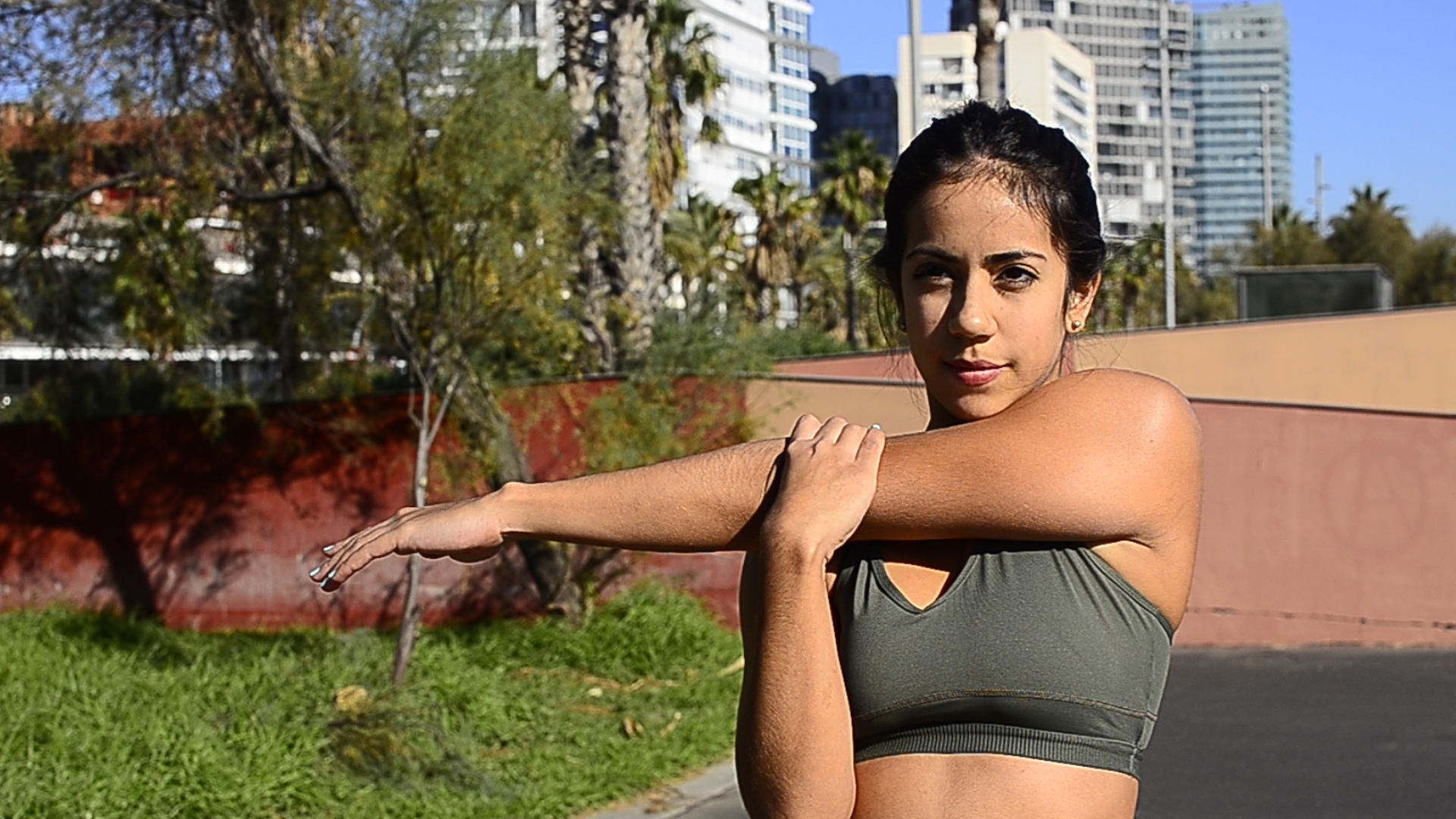
Your elbow is a small joint with a big personality. It helps you eat soup, swing a tennis racket, carry groceries, type aggressively during deadline panic, and point dramatically at things for emphasis. But when it gets stiff, tight, or cranky, even simple tasks can feel like negotiating with a tiny door hinge that forgot its job.
The good news? You do not need a gym membership, fancy equipment, or the flexibility of a circus performer to improve elbow mobility. Most elbow stretches are gentle movements that target the elbow joint, forearm muscles, wrists, biceps, and triceps. These areas work together like a very opinionated team. When one part is tight, the elbow often gets the complaint letter.
This guide explains simple elbow stretches in 13 practical steps. You will learn how to warm up, stretch safely, improve range of motion, and avoid common mistakes. Whether your elbow feels stiff after typing, lifting, gardening, gaming, or sports, these beginner-friendly techniques can help you move more comfortably.
Important note: If you have severe pain, swelling, bruising, numbness, tingling, a recent fracture, a suspected dislocation, or pain after a fall, do not try to “stretch it out.” See a healthcare professional first. Your elbow is useful. Let’s not turn it into a science experiment.
Why Elbow Stretching Matters
The elbow is more than a simple bend-and-straighten joint. It works with the forearm so your hand can turn palm up and palm down. It also depends on muscles that cross the wrist and attach near the elbow. That is why many effective elbow stretches actually involve the wrist, forearm, upper arm, and shoulder position.
Common reasons for elbow tightness include repetitive gripping, typing, lifting, racket sports, throwing sports, carrying heavy bags, and long periods with the elbow bent. Conditions such as tennis elbow and golfer’s elbow often involve overworked forearm tendons. Stretching alone may not fix every problem, but it can support mobility, reduce stiffness, and help you return to daily activities more comfortably when done correctly.
Simple Ways to Stretch Your Elbow: 13 Steps
Step 1: Check for Warning Signs Before You Stretch
Before you start, ask yourself: does the elbow look swollen, red, bruised, or deformed? Did the pain begin after a fall, direct hit, or sudden pop? Do you feel numbness, tingling, or weakness in your hand? If yes, pause the stretching plan and get medical advice.
Stretching should feel like mild tension, not sharp pain. Think “gentle pull,” not “my elbow is filing a complaint with management.” If symptoms worsen during or after stretching, stop and reassess.
Step 2: Warm Up the Arm for 3 to 5 Minutes
Cold muscles do not love surprise stretching. Before working on elbow flexibility, warm up with light movement. Walk around while swinging your arms, open and close your hands, roll your shoulders, or gently bend and straighten your elbows.
A warm towel around the elbow or forearm for a few minutes may also help if the area feels stiff rather than inflamed. Avoid heat if the elbow is swollen or freshly irritated. In that case, rest and professional guidance are smarter than pretending you are a microwave burrito.
Step 3: Set Your Posture First
Sit or stand tall with your shoulders relaxed. Keep your neck loose and avoid shrugging. Many people stretch the elbow while secretly tensing the shoulder, jaw, and eyebrows. That defeats the purpose and makes you look like you are solving taxes.
Use slow breathing. Inhale before the stretch, exhale as you ease into it, and keep the movement smooth. A useful rule is to stretch at a discomfort level of about 2 or 3 out of 10. You should be able to hold a conversation while stretching, not compose a farewell letter.
Step 4: Do a Gentle Elbow Bend-and-Straighten
This basic elbow range-of-motion stretch is a great starting point. Hold your arm by your side with your palm facing up. Slowly bend your elbow as if bringing your hand toward your shoulder. Then straighten the arm as comfortably as possible without locking or forcing the joint.
Repeat 10 to 15 times. Move slowly and keep your wrist relaxed. This exercise helps remind the elbow how to move through flexion and extension. It is simple, but simple works. So does drinking water and not checking email at midnight, but here we are.
Step 5: Try a Supported Elbow Extension Stretch
Sit beside a table and place a folded towel under your upper arm or elbow for comfort. Let your forearm rest on the table with your palm facing up. Slowly allow the elbow to straighten until you feel a mild stretch in the front of the elbow or upper forearm.
Hold for 15 to 30 seconds, then relax. Repeat 2 to 4 times. Do not push down aggressively on the joint. The goal is to invite movement, not evict stiffness with a crowbar.
Step 6: Stretch the Wrist Extensors
The wrist extensor stretch is one of the most useful elbow-related stretches, especially for people with tightness on the outside of the elbow or forearm. Extend one arm in front of you with the elbow straight and palm facing down. With your other hand, gently bend the wrist downward so your fingers point toward the floor.
You should feel a stretch along the top of the forearm and possibly near the outside of the elbow. Hold for 15 to 30 seconds. Repeat 2 to 4 times on each side. Keep the elbow straight but not painfully locked.
Step 7: Stretch the Wrist Flexors
Now flip the script. Extend your arm in front of you with the palm facing up. Use your other hand to gently pull your fingers downward and back toward your body. This should create a stretch along the inside of the forearm.
Hold for 15 to 30 seconds and repeat 2 to 4 times. This stretch is especially helpful for people who grip tools, lift weights, garden, cook, or carry bags as if every grocery trip is an Olympic event.
Step 8: Add Forearm Rotation
Your elbow also helps your forearm rotate. Sit with your elbow bent at 90 degrees and tucked close to your side. Slowly turn your palm up, then slowly turn your palm down. Move only as far as comfortable.
Repeat 10 to 15 times. If this feels too easy, hold a light object such as a pencil or small spoon, but skip weights if you are sore. Smooth rotation helps with everyday tasks like opening doors, turning keys, using a screwdriver, and flipping pancakes with confidence.
Step 9: Use the “Prayer” Forearm Stretch
Place your palms together in front of your chest, fingers pointing upward, like you are politely asking your elbows to behave. Slowly lower your hands toward your waist while keeping the palms together. Stop when you feel a stretch through the wrists and forearms.
Hold for 15 to 20 seconds. Repeat 2 to 3 times. Keep your shoulders relaxed. This stretch targets the wrists and forearms, which can reduce tension around the elbow area.
Step 10: Stretch the Triceps Overhead
The triceps run along the back of the upper arm and attach near the elbow. To stretch them, raise one arm overhead, bend the elbow, and let your hand reach toward the upper back. Use your other hand to gently guide the elbow backward or downward until you feel a stretch along the back of the upper arm.
Hold for 20 to 30 seconds. Repeat 2 to 3 times per side. Avoid arching your back. If your shoulder does not like this position, skip it or use a towel behind your back for support.
Step 11: Stretch the Biceps Gently
The biceps help bend the elbow, so tightness in the front of the upper arm can affect elbow extension. Stand beside a wall. Place your palm lightly against the wall with your arm straight and thumb pointing upward or slightly back. Slowly turn your body away until you feel a mild stretch in the front of the arm.
Hold for 15 to 25 seconds. Repeat 2 times per side. Do not force the shoulder backward. This stretch should feel subtle, not heroic.
Step 12: Stretch After Repetitive Activities
If your elbow gets stiff from typing, gaming, lifting, painting, cooking, or sports, stretch after the activity rather than waiting until the joint feels like rusty furniture. A quick routine can include elbow bends, wrist extensor stretches, wrist flexor stretches, and forearm rotations.
Try this mini-routine: 10 elbow bends, 20 seconds of wrist extensor stretch, 20 seconds of wrist flexor stretch, and 10 slow palm-up/palm-down rotations. It takes less time than finding your phone after you just had it in your hand.
Step 13: Cool Down and Track Your Response
After stretching, move your arm gently and notice how it feels. Mild stretching sensation is normal. Sharp pain, increasing soreness, numbness, or swelling is not. If the elbow feels irritated, use rest, avoid the aggravating activity, and consider cold therapy for short periods.
Keep a simple log for one week. Write down which stretches you did, how long you held them, and how your elbow felt later. This helps you find the sweet spot between “not enough” and “why did I challenge my elbow to a duel?”
How Often Should You Stretch Your Elbow?
For general stiffness, one or two short stretching sessions per day may be enough. If you are dealing with a specific elbow condition, follow the plan from your doctor, physical therapist, or occupational therapist. Many rehab programs use frequent gentle stretching, but the exact amount depends on your diagnosis, pain level, and stage of recovery.
A safe beginner routine may look like this:
- Warm up for 3 to 5 minutes.
- Choose 3 to 5 stretches from the list.
- Hold each stretch for 15 to 30 seconds.
- Repeat each stretch 2 to 4 times.
- Stop if pain becomes sharp, intense, or unusual.
Common Mistakes to Avoid
Forcing the Joint
More pressure does not mean better results. Elbows are not stubborn pickle jars. Stretch slowly and respect your current range of motion.
Ignoring the Wrist and Forearm
Many elbow problems involve forearm muscles and tendons. If you only bend and straighten the elbow, you may miss the tight tissues that are contributing to discomfort.
Stretching Through Sharp Pain
Sharp pain is a stop sign. Mild tension is fine. Burning, stabbing, electric, or worsening pain means your body is not impressed with your plan.
Doing Too Much Too Soon
If your elbow has been stiff for weeks, do not expect one dramatic stretching session to fix everything. Consistency beats intensity. Tiny daily progress is still progress.
When to See a Professional
See a healthcare professional if elbow pain lasts more than a few days, keeps returning, limits your grip, wakes you at night, or comes with swelling, redness, warmth, numbness, tingling, or weakness. You should also get checked if pain started after trauma or if you cannot fully bend or straighten the arm.
A physical therapist or occupational therapist can assess your range of motion, strength, posture, work habits, and sport technique. They may recommend stretching, strengthening, activity modification, bracing, or a gradual return-to-activity plan.
Extra Experience Section: What Elbow Stretching Feels Like in Real Life
Elbow stretching sounds simple until you actually need it. Most people do not wake up thinking, “Today I shall honor my elbow mobility.” They notice the problem when something ordinary becomes annoying. A coffee mug feels heavier than usual. A laptop bag tugs in a weird way. Turning a doorknob feels like your forearm has been replaced by old rope. That is usually when the elbow finally gets attention.
For desk workers, elbow tightness often shows up gradually. Hours of typing, mouse use, and phone scrolling can keep the wrist and forearm muscles lightly contracted all day. The elbow may not scream; it may simply grumble. A good experience-based approach is to attach stretching to something already in the day. Stretch after sending a batch of emails, after lunch, or before shutting down the computer. The routine does not need to be dramatic. A few wrist flexor and extensor stretches can make the arm feel less compressed and more awake.
For people who lift weights, elbow stretching is often about balance. Heavy curls, presses, pull-ups, and rows can leave the biceps, triceps, and forearms tight. The mistake is stretching aggressively right before loading the joint again. A smarter habit is to warm up with light movement before training and save longer static stretches for afterward. Lifters often find that gentle triceps and biceps stretches reduce that “tight hinge” feeling after upper-body workouts.
Gardeners, cooks, hairstylists, mechanics, and DIY fans have another version of the same story: gripping. Pruners, knives, brushes, screwdrivers, pans, and tools ask the forearm muscles to work repeatedly. Over time, the elbow may complain even though the real workload is happening through the hand and wrist. That is why forearm rotation and wrist stretches can feel surprisingly helpful. The elbow is basically saying, “Thank you for finally talking to my coworkers.”
Athletes may experience elbow tightness after tennis, pickleball, baseball, golf, climbing, or throwing sports. In these cases, stretching should be paired with technique checks and gradual training loads. If the same activity keeps causing pain, the answer is not to stretch harder forever. The better solution may involve equipment changes, rest days, strengthening, coaching, or professional evaluation.
The most useful lesson from real-life elbow stretching is patience. Comfortable mobility improves through repeated gentle practice, not one heroic session. Stretching should leave the arm feeling looser, warmer, and more cooperative. If it leaves you wincing, guarding, or bargaining with the universe, scale back. Your elbow may be small, but it has excellent negotiation skills.
Conclusion
Learning how to stretch your elbow is really about learning how your arm works as a team. The elbow, wrist, forearm, biceps, triceps, and shoulder all influence comfort and range of motion. A good stretching routine starts with safety, uses gentle pressure, includes the forearm and wrist, and respects pain signals.
Use these 13 steps as a practical starting point: check for warning signs, warm up, move slowly, stretch the wrist flexors and extensors, rotate the forearm, include the upper arm, and track how your elbow responds. With consistency, smart pacing, and a little kindness toward your hardworking joints, elbow stretching can become a simple habit that supports better movement in daily life.
And remember: the goal is not to become a human pretzel. The goal is to pick up your coffee, open a door, type, cook, lift, play, and live without your elbow acting like it has a personal vendetta.











