
Choosing between a cat ramp and cat stairs sounds simple until your cat looks at your thoughtful purchase like it is a suspicious spaceship from another planet. One minute you are proudly setting up a soft, non-slip staircase beside the bed. The next, your cat is walking around it with the dramatic caution of a tiny detective investigating a crime scene.
Still, ramps and stairs can make a huge difference for cats who struggle with jumping, climbing, or landing comfortably. Senior cats, cats with arthritis, kittens, small breeds, overweight cats, cats recovering from surgery, and cats with vision or balance problems may all benefit from easier access to favorite spots. The goal is not to spoil your catalthough that ship probably sailed years agobut to protect their joints, reduce fall risk, and help them keep enjoying the couch, bed, window perch, or cat tree without turning every jump into an Olympic event.
This guide walks you through 12 practical steps for choosing the best ramp or stairs for your cat, including when to choose each option, what materials matter, how to measure height and space, and how to help your cat actually use the thing instead of pretending it does not exist.
Why Your Cat Might Need a Ramp or Stairs
Cats are famous for hiding discomfort. That majestic leap onto the windowsill may look effortless until one day your cat hesitates, misjudges the landing, or stops going there altogether. Mobility changes can be subtle: less jumping, slower stair climbing, avoiding high furniture, reduced grooming, stiffness after naps, irritability, or spending more time on the floor.
Older cats commonly develop degenerative joint disease or arthritis, which can make jumping up and down painful. But age is not the only reason to consider cat stairs or a pet ramp. A young cat recovering from injury, a short-legged breed, a kitten still learning coordination, or a cat with limited vision may need safer pathways too.
A good ramp or stair setup gives your cat independence. Instead of waiting for you to lift themor worse, launching themselves from a height like a furry bowling ballthey can move around with more confidence.
How to Choose a Ramp or Stairs for Your Cat: 12 Steps
1. Watch How Your Cat Moves Before You Buy Anything
Before clicking “add to cart,” observe your cat for a few days. Notice which places they still try to reach and which ones they avoid. Do they hesitate before jumping onto the bed? Do they climb up but struggle coming down? Do they prefer one side of the body? Do they pause on stairs, land heavily, or choose lower resting spots?
This matters because ramps and stairs solve slightly different problems. A cat who can still step comfortably but cannot jump high may do well with stairs. A cat with joint pain, weakness, balance trouble, or severe stiffness may prefer a ramp with a gentle incline. Your cat’s behavior is the first product review you should read.
2. Choose a Ramp for Cats With Significant Mobility Issues
A ramp is usually the better choice for cats with arthritis, hip discomfort, neurological weakness, vision problems, or difficulty lifting their legs. Because a ramp creates one continuous walking surface, it can reduce the repeated joint flexion required by stairs. Think of it as replacing “step, step, step” with “smooth stroll to the royal cushion.”
Look for a cat ramp that feels stable, has a wide walking path, and includes a high-traction surface. Carpet, textured fabric, rubberized material, or secure tread can help your cat grip. Avoid slick wooden or plastic ramps unless you plan to add a non-slip covering. Cats may be graceful, but even they do not appreciate surprise indoor skiing.
3. Choose Stairs for Cats Who Still Step Comfortably
Cat stairs can work beautifully for cats who are still fairly mobile but need help reaching higher furniture. Stairs often take up less floor space than ramps, which makes them useful beside beds, sofas, window seats, and low cat trees.
The best cat stairs have shallow steps, wide treads, and a soft but supportive surface. Foam stairs may be comfortable for small or lightweight cats, while heavier cats may need sturdier wooden or plastic stairs with carpeted treads. If the steps wobble, sink, slide, or make strange noises, your cat may file an official complaint by never using them again.
4. Measure the Height of the Destination
Measure from the floor to the top of the surface your cat wants to reach: bed, couch, chair, windowsill, or platform. This height determines whether stairs are tall enough or whether a ramp would need to be too steep.
For example, a low couch may only need two or three shallow steps. A tall bed may need a longer staircase or a ramp with enough length to keep the incline gentle. If the ramp is too short for a high surface, the slope becomes steep, and your cat may reject it. A ramp should feel like a walkway, not a mountain rescue mission.
5. Check the Incline of a Ramp
Ramp angle is one of the biggest comfort factors. A steep ramp can be intimidating and may increase strain, especially for senior cats. A longer ramp creates a gentler slope, but it also takes up more space. That is the eternal design problem: your cat wants comfort, your living room wants its floor back.
As a general rule, choose the gentlest incline your space allows. For cats with arthritis or weakness, prioritize a lower slope even if the ramp is longer. If you cannot fit a long ramp, consider a combination design such as a short ramp leading to a low platform, or staggered steps with very shallow risers.
6. Look for Non-Slip Surfaces Everywhere
Traction is not optional. Whether you choose pet stairs or a cat ramp, the walking surface should help your cat grip securely. Carpeted treads, textured fabric, rubber strips, or washable traction pads can make movement safer.
Also check the floor around the ramp or stairs. If the product sits on hardwood, tile, or laminate, make sure the base has rubber feet or another anti-skid feature. You can also place a rug or yoga mat underneath to prevent sliding. The ramp should not move when your cat steps on it. A shifting ramp teaches a cat one lesson very quickly: “Never trust furniture with ambition.”
7. Choose the Right Width for Your Cat’s Body and Confidence
Some cats are fearless acrobats. Others need a walking surface that feels more like a safe hallway than a tightrope. Wider ramps and deeper stair treads are usually better, especially for large cats, senior cats, anxious cats, or cats with balance concerns.
A narrow ramp may work for a confident young cat, but an older cat may feel unsafe turning around or adjusting footing. If your cat is broad-bodied, fluffy, overweight, or simply dramatic, choose a wider design. Side rails can also help some cats feel more secure, particularly on ramps leading to higher surfaces.
8. Match the Material to Your Cat’s Weight and Habits
Not all cat stairs and ramps are built the same. Foam options are lightweight, soft, and easy to move, but they may compress under heavier cats. Plastic designs are easy to clean and often affordable, but they need good traction. Wood ramps and stairs tend to be sturdier and more furniture-like, though they may be heavier and more expensive.
Think about your cat’s habits. Does your cat scratch everything with the enthusiasm of a tiny carpenter? Choose durable fabric or replaceable carpet. Does your cat shed enough fur to build a second cat? Pick washable covers. Does your cat occasionally have accidents or hairballs? Avoid materials that absorb moisture and odors.
9. Consider Where the Ramp or Stairs Will Live
Location can decide whether your cat uses the ramp or ignores it. Place the ramp or stairs exactly where your cat already approaches the furniture. If your cat always jumps onto the left side of the bed, do not place the stairs on the right side and expect gratitude. Cats are creatures of habit, not interns waiting for new workflow instructions.
Keep the area quiet, uncluttered, and easy to access. Avoid placing stairs near loud appliances, swinging doors, slippery rugs, or busy walkways. If the goal is a window perch, make sure the landing area is stable and wide enough. If the goal is a bed, make sure the top step or ramp edge meets the mattress securely without a scary gap.
10. Think About Cleaning and Maintenance
A cat ramp or stair set becomes part of your home, which means it will collect fur, dust, litter crumbs, and possibly the occasional mysterious stain that no one wants to discuss. Choose a design that is easy to clean.
Removable, machine-washable covers are helpful. Carpeted surfaces should be vacuum-friendly. Plastic and sealed wood can be wiped down, but they still need non-slip material on top. If the product has removable traction pads, check whether replacements are available. A ramp that looks adorable but requires a full engineering degree to clean may not be your long-term friend.
11. Introduce the New Ramp or Stairs Slowly
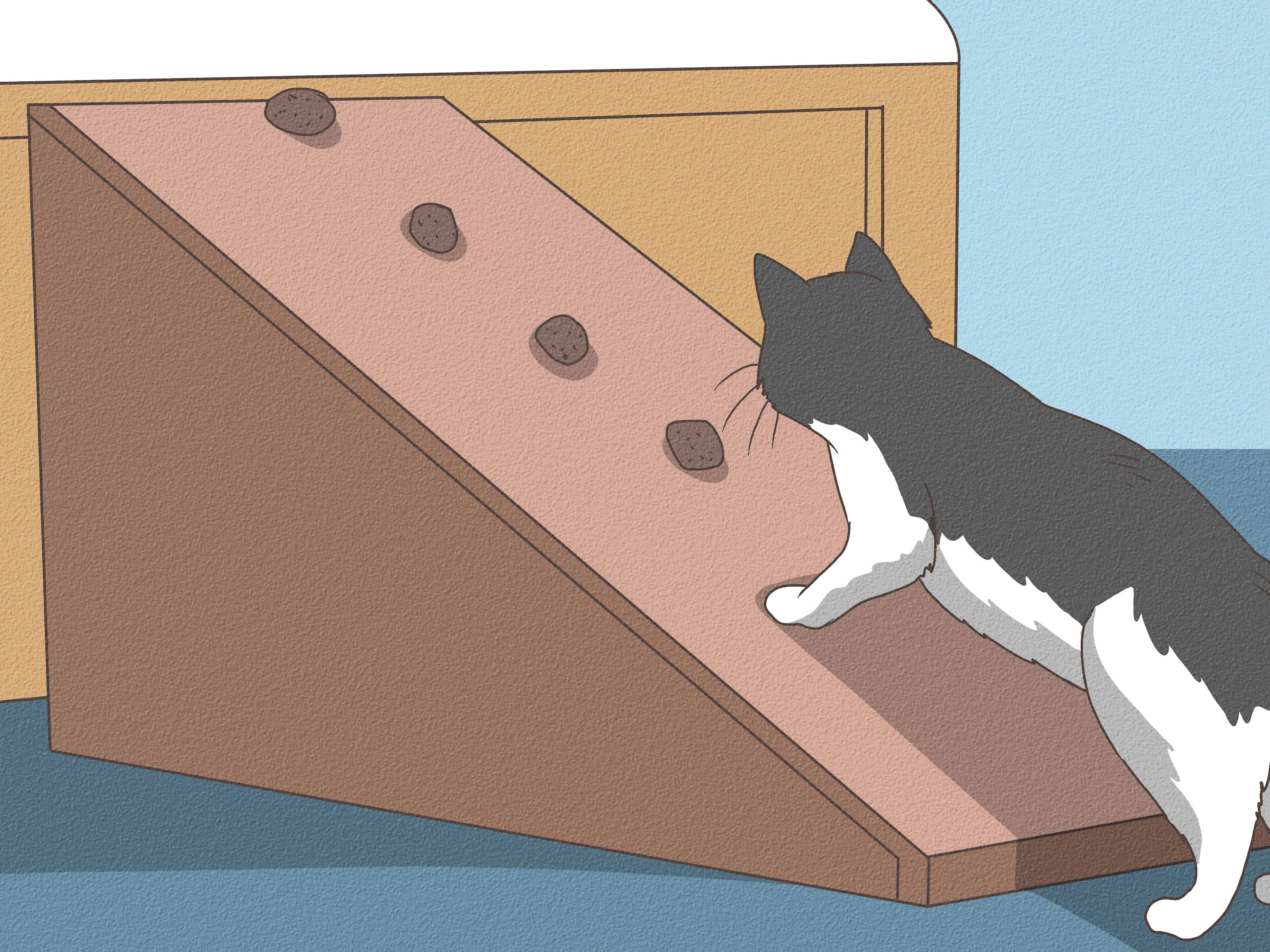
Many cats need time to accept new furniture. Set the ramp or stairs in place and let your cat investigate without pressure. You can sprinkle treats on the lower steps, place a familiar blanket nearby, or use gentle praise when your cat sniffs or steps on it. Keep sessions short and calm.
Never force your cat onto the ramp or stairs. Forcing creates fear, and fear creates avoidance. Instead, reward curiosity. Some cats use the new setup within hours; others need several days. A suspicious cat is not being stubborn. They are simply performing a thorough safety audit, and yes, the audit may include glaring at you from across the room.
12. Reassess as Your Cat’s Needs Change
The right choice today may not be the right choice next year. A cat who uses stairs easily at age eight may need a ramp at age fourteen. A cat recovering from surgery may need temporary help and later return to normal movement. A cat with progressive arthritis may need shorter routes, more traction, and easier access to food, water, litter boxes, and resting spots.
If your cat suddenly stops jumping, avoids stairs, slips, cries, hides, limps, or changes grooming or litter box habits, schedule a veterinary visit. A ramp can improve access, but it does not diagnose pain. Mobility changes are often your cat’s quiet way of saying, “Something feels different.” Listen early.
Ramp vs. Stairs: Which Is Better for Your Cat?
Choose a Ramp If:
- Your cat has arthritis, joint pain, or stiffness.
- Your cat struggles to lift their legs onto steps.
- Your cat has balance, vision, or neurological concerns.
- Your cat is recovering from surgery or injury.
- You can fit a longer, gentler incline in your space.
Choose Stairs If:
- Your cat can still climb small steps comfortably.
- You have limited floor space.
- The destination is a couch, chair, or bed of moderate height.
- Your cat prefers stepping up rather than walking on an incline.
- You need a portable option that is easy to move around.
For many homes, the best solution is not “ramp or stairs forever.” It is “what helps this cat reach this spot safely right now?” You may use stairs beside the sofa and a ramp near the bed. Your cat will not mind the variety, as long as each option passes the official feline standards: stable, comfortable, familiar, and not embarrassing.
Common Mistakes to Avoid
Buying Based on Looks Alone
A stylish ramp is nice, but your cat does not care if it matches your mid-century modern coffee table. Safety comes first: traction, stability, height, width, and comfort matter more than color.
Choosing Steps That Are Too Tall
High steps defeat the purpose of pet stairs. If your cat has to hop from one step to the next, the stairs may still be too demanding. Choose shallow steps that allow smooth, low-effort movement.
Ignoring the Landing Area
The top of the ramp or stairs should meet the furniture securely. If there is a gap, wobble, or height mismatch, your cat may lose confidence. Check the entire path, not just the product.
Moving It Around Too Often
Cats love routine. Once your cat learns where the ramp is, keep it there. Constantly relocating it can confuse senior cats, especially those with vision changes or cognitive decline.
Extra Experience-Based Tips for Choosing Cat Ramps and Stairs
After helping cats adjust to ramps and stairs, one lesson becomes obvious: the “best” product is the one your cat will actually use. A ramp can have perfect reviews, premium materials, and a surface softer than a luxury bathrobe, but if it feels unstable or appears in the wrong place, your cat may treat it like cursed furniture.
One practical experience is to test the path from the cat’s point of view. Get low and look at the route. Is the ramp facing a wall? Is the top landing crowded with pillows? Does the bottom start on a slippery floor? Is there enough room for your cat to approach straight on? Cats prefer predictable movement. A ramp placed at an awkward angle may be technically usable but emotionally unacceptable to a cautious cat.
Another helpful trick is to use scent and familiarity. Place a small blanket your cat already likes on or near the new stairs. You can also rub the surface lightly with a clean cloth that has your cat’s scent from their bedding. This makes the item smell less like a warehouse box and more like part of their territory. Do not overdo treats if your cat has dietary restrictions, but tiny rewards can help create a positive connection.
For senior cats, bigger is often better. Wider steps, deeper treads, and a broader ramp surface can make a nervous cat feel secure. Many people buy the smallest option because it fits the room, then discover their cat refuses it because each step feels too narrow. Space matters, but confidence matters too. If you must compromise, choose stable and wide over cute and tiny.
Noise is another underrated factor. Some plastic stairs click, creak, or shift when a cat steps on them. A confident cat may ignore this. A cautious cat may decide the stairs are haunted. Before introducing the product, press on each step with your hand. If it moves or sounds unstable, add grip pads underneath or consider a sturdier option.
For multi-cat households, placement becomes even more important. A ramp should not create a trap where one cat can block another at the top or bottom. If one cat is older and another is energetic, make sure the senior cat has peaceful access to resting spots. Sometimes a ramp to a quiet windowsill is more valuable than a ramp to the busiest sofa in the house.
Finally, remember that ramps and stairs are part of a bigger comfort plan. Non-slip rugs, low-entry litter boxes, accessible water bowls, soft bedding, night-lights, and regular veterinary checkups all support mobility. A ramp is not just a piece of furniture. It is a small bridge back to the places your cat loves: the sunny window, the warm blanket, the forbidden chair, and your side of the bedbecause apparently your side has better vibes.
Conclusion
Choosing a ramp or stairs for your cat is really about choosing comfort, safety, and independence. Start by watching your cat’s movement, then match the product to their mobility level, body size, favorite destinations, and confidence. Ramps are often best for cats with arthritis, stiffness, weakness, or balance concerns, while stairs can work well for cats who still step comfortably but need help reaching furniture.
Whatever you choose, prioritize stability, non-slip surfaces, shallow movement, easy cleaning, and a familiar location. Introduce the new setup slowly, reward curiosity, and keep an eye on changes over time. Your cat may not send a thank-you cardbecause cats have staff for thatbut their easier movement, safer landings, and return to favorite cozy spots will say plenty.












