
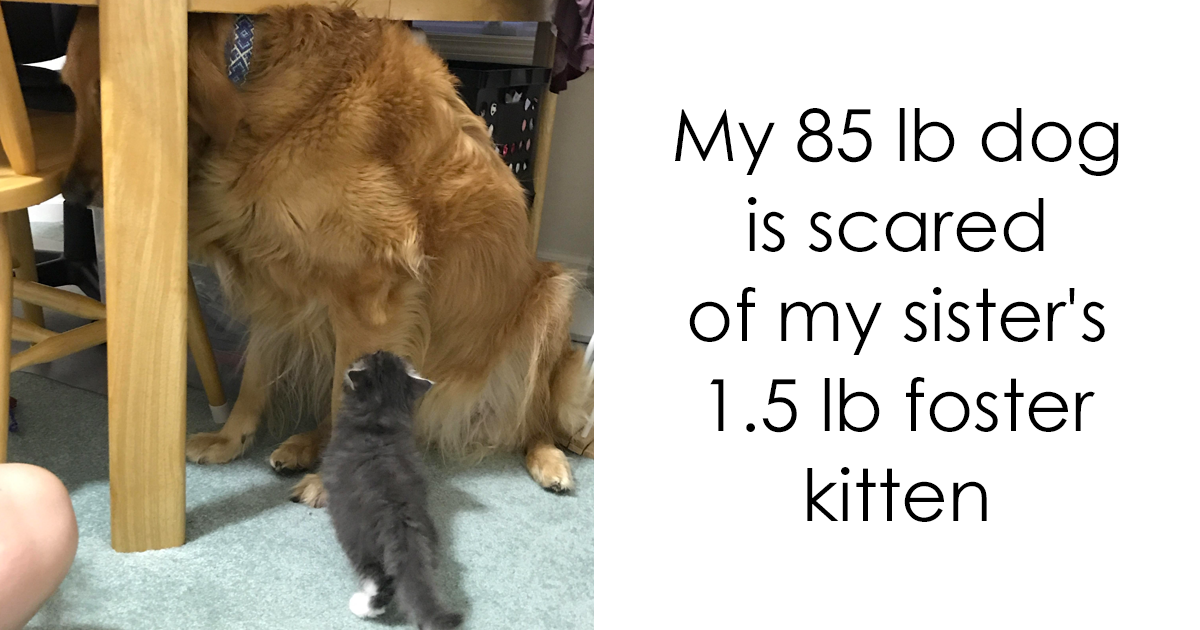
Every dog has a personality. Some are brave enough to bark at a delivery truck as if it owes them rent. Others are deeply suspicious of a cucumber, a trash bag, a laundry basket, or that one decorative garden gnome who, to be fair, does look like he knows too much. Welcome to the wonderfully dramatic world of dogs who are afraid of ridiculous things, where a 70-pound shepherd may protect the house from burglars but require emotional support to pass a helium balloon.
The title says “156 dogs,” but this is not just a gallery of goofy reactions. It is a celebration of the strange, funny, and surprisingly understandable fears dogs can have. Behind every dramatic side-eye at a vacuum cleaner is a real canine brain trying to interpret sound, movement, smell, memory, and safety. Dogs do not see the world the way humans do. They hear more, smell more, notice motion differently, and sometimes decide that an innocent mop is obviously a haunted floor octopus.
This article explores the funniest things dogs are scared of, why those fears happen, what signs owners should watch for, and how to help a scared dog without making the situation worse. Expect laughter, practical advice, and a respectful reminder that even the silliest dog fear feels real to the dog experiencing it.
Why Dogs Get Scared Of Things That Look Ridiculous Scared Of Things That Look Ridiculous To Us
To humans, a plastic bag blowing across the yard is just litter with ambition. To a dog, it may be a noisy, unpredictable creature with no legs and suspicious timing. Dogs rely heavily on patterns. When something moves strangely, makes an unfamiliar sound, smells unusual, or appears suddenly, the dog’s brain may file it under “possible danger” before logic has a chance to clock in.
Many common dog fears come from three broad causes: limited early exposure, one bad experience, or natural sensitivity. Puppies who are gently and positively introduced to many people, surfaces, sounds, objects, and environments often grow into more confident adults. Dogs who miss those safe early experiences may become wary of everyday things later. That does not mean they are “bad dogs.” It means their internal safety system is working overtime, wearing a tiny hard hat, and yelling, “Everybody stay alert!”
Past experiences also matter. If a dog once slipped on a shiny floor, got startled by a falling broom, or had a scary moment near a loud appliance, the fear can stick. Dogs are excellent at remembering associations. Unfortunately, they are not always excellent at context. A dog may not think, “That one broom fell once.” He may think, “All brooms are unstable wooden villains.”
The Funniest Ridiculous Things Dogs Are Afraid Of
Some dog fears are common, such as thunderstorms, fireworks, strangers, or veterinary visits. Others are so oddly specific that owners start wondering whether their dog has a private mythology. Below are some of the most ridiculous things dogs may fear, along with the very real reasons behind the comedy.
1. The Vacuum Cleaner: The Domestic Dragon
The vacuum cleaner is a classic enemy. It roars, rolls, changes direction without permission, eats crumbs, and sometimes comes with a hose attachment that looks like a mechanical snake. Many dogs bark at it, flee from it, or try to herd it into submission. From a dog’s perspective, the vacuum is loud, strange-smelling, and unpredictable. It is not ridiculous to them; it is a weekly monster invasion with a power cord.
2. Balloons: Floating Orbs Of Betrayal
Balloons are silent until they are not. They float, bob, follow air currents, and occasionally pop with the confidence of a tiny thunderstorm. A dog who distrusts balloons is not being silly. The balloon breaks normal object rules. Chairs stay on the ground. Balls roll. Balloons hover like they are judging everyone’s choices.
3. Laundry Baskets: Plastic Caves With Handles
Some dogs treat laundry baskets as harmless household items. Others see them as suspicious cages that move when pushed and smell like socks, detergent, and human chaos. A basket carried at chest height can look especially strange because it changes a person’s outline. To a nervous dog, Mom carrying laundry may briefly become “large rectangular creature with legs.”
4. Their Own Reflection
A mirror can confuse young or inexperienced dogs. There is suddenly another dog in the room, and that dog copies every move with unsettling accuracy. Some dogs bark. Some bow. Some run behind the mirror to expose the fraud. Most eventually learn to ignore reflections, but the first encounter can be pure canine theater.
5. Cardboard Boxes
Boxes shift, scrape, collapse, and sometimes hide surprises. A package left by the door may smell like a warehouse, a delivery truck, rain, tape, and a stranger’s hands. Humans see “online order.” Dogs smell “mystery cube from the outside world.” Naturally, investigation may require barking from a safe distance.
6. The Kitchen Floor
Shiny tile, hardwood, or laminate can be scary for dogs who have slipped before. The fear may look ridiculous when a dog refuses to cross three feet of flooring like it is a lava field. But slipping can be frightening, especially for puppies, senior dogs, or breeds with long bodies and short legs. Adding rugs or runners can transform the forbidden ice rink back into a normal kitchen.
7. Statues, Yard Decorations, And Holiday Inflatables
A statue looks like a person but does not move like one. A Halloween skeleton sits still all day and then rattles in the wind. A giant inflatable snowman waves cheerfully while making motor noise. Dogs are experts at noticing when something is “almost normal but not quite.” That category is deeply suspicious. Frankly, dogs may be onto something.
8. The Hair Dryer
The hair dryer combines heat, wind, sound, and direct aim. For a dog who dislikes sudden air movement, it is basically a personal weather attack. Grooming tools can become fear triggers if a dog is rushed, restrained harshly, or not introduced gradually. Slow, positive handling matters.
9. Citrus Fruit, Cucumbers, And Other Produce Villains
Some dogs dislike the smell of citrus. Others startle at vegetables placed suddenly near them. The internet has made entire comedy careers out of pets reacting to cucumbers, but intentionally scaring animals for views is not kind. A funny moment is one thing; setting up a dog to panic is another. The best dog humor happens when the dog is safe, not when the dog is trapped in a prank.
10. Tiny Dogs, Big Dogs, And Dogs Wearing Sweaters
Dogs can be afraid of other dogs for many reasons: poor socialization, bad past encounters, pain, leash frustration, or simply being overwhelmed. Sometimes the fear looks absurd, like a Great Dane hiding behind a person because a Chihuahua gave him “the look.” Size does not determine confidence. A tiny dog can have the energy of a retired boxing coach, and a huge dog can have the soul of a nervous poet.
Common Signs A Dog Is Actually Scared
Not every funny reaction is harmless. Dogs show fear through body language, and owners should learn the difference between playful surprise and real distress. A scared dog may tremble, tuck the tail, pin the ears back, hide, pant, drool, pace, bark, whine, freeze, avoid eye contact, lick the lips, yawn repeatedly, or show the whites of the eyes. Some dogs move closer to their favorite person. Others try to escape. A few may growl or snap if they feel cornered.
Growling is not “bad manners.” It is communication. A dog who growls is saying, “I need more space.” Punishing that warning can make a dog more dangerous because it teaches the dog to skip the warning next time. The better response is to calmly create distance, reduce the scary stimulus, and help the dog feel safe.
Why “Ridiculous” Dog Fears Should Still Be Taken Seriously
It is okay to laugh gently at the situation. It is not okay to laugh at the dog’s panic. Fear is not a choice, and dogs do not understand that their reaction is meme-worthy. When a dog is scared of a broom, stroller, umbrella, or squeaky toy, the fear is real in that moment. The object may be harmless, but the emotional response is not imaginary.
Repeated fear can also grow. If a dog is forced too close to a scary object, the dog may become more sensitive instead of braver. This is called sensitization. In simple terms, the brain learns, “I was right to panic.” That is why patient, reward-based training works better than dragging, scolding, or flooding a dog with the thing they fear.
How To Help A Dog Who Is Afraid Of Weird Things
Start Below The Fear Line
The key is to work at a distance or intensity where the dog notices the object but does not panic. If your dog is afraid of the vacuum, do not start by turning it on next to the dog’s bed. Start with the vacuum across the room, turned off. Reward calm behavior. Let the dog choose to approach. Make the scary object boring and safe before adding movement or noise.
Pair The Scary Thing With Something Wonderful
Counterconditioning means changing the dog’s emotional response. Scary object appears, amazing treat appears. Scary object disappears, treats stop. Over time, the dog may begin to think, “Oh, the umbrella predicts chicken. Perhaps the umbrella is not my enemy.” This is not bribery. It is emotional education, and chicken is a very persuasive professor.
Move Slowly And Watch Body Language
If the dog starts panting, backing away, barking intensely, freezing, trembling, or trying to leave, the training is too hard. Make it easier. Increase distance, reduce sound, slow the movement, or take a break. Progress may take days, weeks, or longer depending on the dog and the fear. Confidence is built in small deposits, not one dramatic bank transfer.
Never Punish Fear
Punishment can make fear worse because it adds another unpleasant experience to an already stressful moment. Instead of learning “the balloon is safe,” the dog learns “balloons appear and my human gets scary.” Calm support, distance, and rewards are far more effective.
Call A Professional When Needed
If your dog’s fear is intense, sudden, worsening, or linked with aggression, talk to a veterinarian or a qualified behavior professional. Pain, illness, aging changes, or sensory decline can make dogs more fearful. A dog who suddenly becomes afraid of stairs, floors, handling, or normal household activity may need a medical check, not just training.
156 Ridiculous Dog Fear Ideas Owners Commonly Recognize
To honor the title, here is a playful mega-list of things dogs might decide are unacceptable. Not every dog fears these, of course. Some dogs will fear none. Some will fear five. Some will fear one very specific blue bucket and carry that grudge for life.
Vacuum cleaners, balloons, umbrellas, cardboard boxes, plastic bags, trash cans, laundry baskets, mops, brooms, hair dryers, ceiling fans, floor fans, air vents, robot vacuums, statues, garden gnomes, Halloween decorations, Christmas inflatables, mirrors, sliding doors, shiny floors, stairs, ramps, baby gates, strollers, skateboards, scooters, bicycles, wheelchairs, suitcases, tape measures, bubble wrap, wrapping paper, remote-control cars, drones, musical toys, squeaky toys, talking dolls, hats, sunglasses, raincoats, boots, masks, costumes, balloons shaped like animals, flags, wind chimes, automatic doors, elevators, car washes, sprinklers, hoses, puddles, waves, bath tubs, nail clippers, grooming tables, thunder, fireworks, doorbells, smoke alarms, coffee grinders, blenders, microwaves, ice makers, garage doors, leaf blowers, lawn mowers, snow blowers, motorcycles, buses, delivery trucks, garbage trucks, trains, sirens, cheering crowds, sports whistles, school bells, fireworks on television, barking dogs on screens, their own reflection, shadows, flashlights, laser dots, cats, kittens, tiny puppies, large dogs, dogs in coats, people with beards, people carrying boxes, people using umbrellas, people in uniforms, mail carriers, balloons tied to mailboxes, pumpkins, watermelons, cucumbers, lemons, oranges, bananas, pinecones, feathers, falling leaves, blowing newspapers, tarps, tents, camping chairs, folding chairs, exercise balls, yoga mats, foam rollers, hula hoops, pool floats, pool noodles, life jackets, bicycles with baskets, statues of animals, stuffed animals, rocking horses, mannequins, traffic cones, construction signs, wet floor signs, garden hoses shaped like snakes, empty food bowls that move, metal bowls that clang, automatic feeders, water fountains, new rugs, moving blankets, closet doors, basement stairs, attics, dark hallways, holiday lights, musical greeting cards, phone vibrations, printer noises, paper shredders, electric toothbrushes, clapping, sneezes, hiccups, coughing, laughter that gets too loud, dancing, balloons rubbing together, squeaky shoes, rain on the roof, hail, wind at the window, curtains moving, kites, beach umbrellas, picnic coolers, folding tables, car ramps, vet scales, exam tables, cones of shame, bandages, harnesses, new collars, rain puddles reflecting light, and that one completely harmless chair that was moved two feet to the left.
What These Funny Dog Fears Teach Us About Our Pets
Ridiculous dog fears are funny because they reveal how differently dogs experience the world. Humans are visual thinkers. Dogs are scent detectives, sound analysts, motion experts, and emotional readers. A small environmental change may feel huge to them. A chair in a new place, a familiar person wearing a hat, or a quiet object suddenly making noise can interrupt their expectations.
These fears also remind us that dogs are not machines programmed for obedience. They are living animals with histories, preferences, memories, sensitivities, and moods. A dog can be brave in one situation and nervous in another. That does not make the dog stubborn. It makes the dog normal.
Experience Section: Living With Dogs Who Fear The Weirdest Things
Anyone who has lived with dogs long enough eventually collects a few stories that sound fake until another dog owner nods and says, “Oh yes, mine once refused to enter the room because of a banana.” One of the funniest parts of caring for dogs is discovering their private list of household enemies. You may adopt a dog expecting normal challenges like leash training or house manners, only to learn that the true villain of your home is a blue recycling bin.
A common experience is the “new object crisis.” You buy a simple item, such as a floor lamp or a storage basket, place it in the living room, and suddenly your dog behaves as if a portal has opened. The dog stretches forward, back legs planted in another ZIP code, nose twitching, ears undecided. Maybe there is a bark. Maybe there is a brave retreat. Maybe the dog looks at you as if to say, “You saw that, right?” In that moment, the owner has two choices: rush the dog and make it worse, or let curiosity do its slow little dance.
The best results often come from acting casual. Sit near the object. Drop a few treats several feet away. Do not push. Do not make a big dramatic speech. Dogs read our emotions quickly, and if we turn the laundry basket into a major family meeting, the dog may become even more convinced that something important is happening. Calm energy helps. So does patience. So does pretending the suspicious object is boring, because boring is safe.
Another familiar situation is the sound fear that sneaks up over time. A puppy may ignore the vacuum for months, then suddenly decide it is unacceptable. Or a senior dog may become more sensitive to thunder, fireworks, or appliances. Owners sometimes feel confused when a dog develops a fear “out of nowhere,” but there is usually a reason. The dog may have had a startling experience, developed pain, become less confident with age, or begun connecting certain sounds with stressful events. Keeping notes can help: When does the fear happen? What changed in the environment? Is the dog also eating, sleeping, walking, or interacting differently?
One surprisingly helpful habit is creating “confidence moments” outside the scary event. Teach your dog easy games: touch a hand target, step onto a mat, find treats in a towel, walk across different safe surfaces, or investigate a new object at their own pace. These games are not just tricks. They teach the dog, “I can try things, and good stuff happens.” Confidence built during calm times can support a dog during weird times.
Owners also learn humility. You may think you run the household, but then you spend ten minutes encouraging a Labrador to pass a cardboard cutout. You may buy an expensive enrichment toy, only for your dog to fear it and fall in love with the box it came in. You may discover that your fearless squirrel chaser is deeply concerned about a towel hanging over a chair. Dogs keep us honest. They remind us that courage is not the absence of fear; sometimes courage is taking one step toward a suspicious pumpkin because someone placed cheese nearby.
The most important experience is this: when owners respond with kindness, dogs usually become more trusting. Maybe the fear disappears. Maybe it only shrinks. Maybe the dog never becomes best friends with the vacuum, but can relax in another room while it runs. That still counts as progress. Helping a scared dog is not about forcing bravery. It is about becoming the safe person your dog can rely on when the world gets weird, loud, floaty, shiny, or shaped like a garden gnome.
Conclusion
Dogs who are afraid of ridiculous things give us some of the funniest pet stories on earth, but their reactions also deserve empathy. A balloon, box, broom, or banana may look harmless to us, yet it can trigger real fear in a dog who does not understand what it is, why it moves, or whether it is safe. The good news is that owners can help. With patience, positive reinforcement, gradual exposure, and attention to body language, many dogs can learn that the household monster is just a vacuum cleaner and the suspicious floor fruit is not plotting anything.
The next time your dog bravely protects you from a plastic bag, laugh gently, offer reassurance, and remember: in your dog’s world, courage sometimes has four paws, a tucked tail, and a treat waiting on the other side of the laundry basket.












