
Note: This article is based on publicly reported entertainment and television industry information available as of June 2026. It contains no embedded source links and is written for web publication.
Kelly Clarkson’s Fan Request Arrives During a Bittersweet Talk Show Chapter
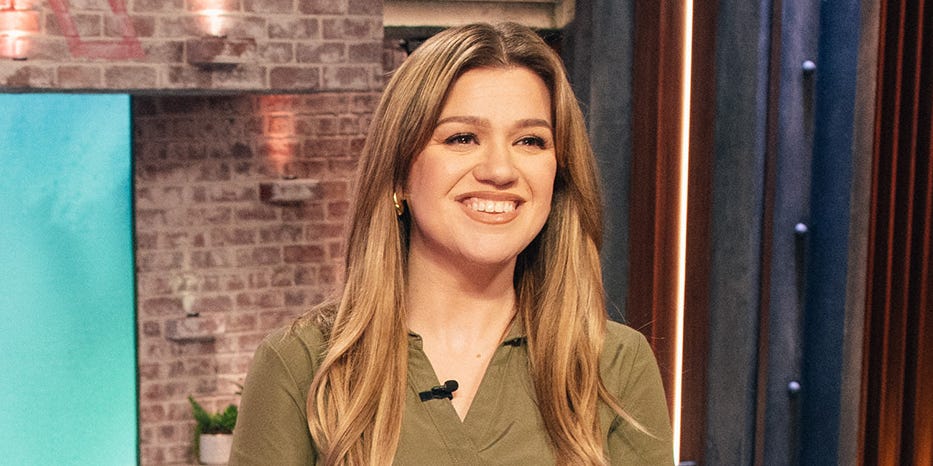
Kelly Clarkson has never been the kind of celebrity who simply waves from a glittery balcony and lets the crowd do all the emotional labor. She talks, laughs, cries, sings, overshares in the most charming way possible, and then somehow makes it feel like everyone in the room has been invited over for coffee. So when Clarkson called on fans for support amid the latest news surrounding The Kelly Clarkson Show, the moment landed with extra meaning.
The support request was tied to the show’s digital recognition and awards-season momentum, particularly its Webby Awards nominations and fan-voting push. But it also arrived in a larger emotional context: The Kelly Clarkson Show is preparing to end after its seventh season, with final episodes expected to air in fall 2026. In other words, fans were not just being asked to click a voting button. They were being invited to help celebrate a daytime television era before the curtain comes down.
For viewers who have followed Clarkson from American Idol champion to Grammy-winning powerhouse to one of daytime TV’s most approachable hosts, the news feels personal. The show has become more than a celebrity-interview stop. It has been a place for “Kellyoke,” surprise generosity, emotional reunions, everyday heroes, goofy couch conversations, and enough high notes to make your Wi-Fi feel underqualified.
Now, with the talk show ending and fans rallying online, Clarkson’s latest call for support highlights something important: audiences do not just watch her. They root for her. And when Kelly asks, the internet often responds like a very enthusiastic group chat with better harmonies.
What Happened With The Kelly Clarkson Show?
The Kelly Clarkson Show launched in 2019 and quickly carved out a warm, music-driven lane in daytime television. The format blended celebrity interviews, human-interest stories, games, performances, and Clarkson’s now-signature “Kellyoke” covers. That opening musical segment became one of the show’s strongest identity markers, allowing Clarkson to turn familiar songs into mini-events while reminding everyone that, yes, she can still casually sing circles around most of us before lunch.
In February 2026, Clarkson announced that Season 7 would be her final season hosting the show. NBCUniversal confirmed that the daytime program would conclude after the current season, with episodes continuing through fall 2026. Clarkson described the decision as personal, explaining that stepping away from the daily schedule would allow her to prioritize her children and family life.
That explanation matters because a daily daytime show is not a light hobby. It is not “let me pop in, ask two questions, and go make soup.” It is a demanding production machine involving writers, producers, musicians, guests, live audiences, rehearsals, digital clips, promotional shoots, and the emotional energy required to remain present on camera day after day. Clarkson’s choice reflects a reality many working parents understand: success can be wonderful and still ask too much at the wrong time.
Why Fans Are Being Asked to Support Kelly Clarkson Now
The phrase “Kelly Clarkson calls on fans for support” may sound dramatic, but in this case, the request was celebratory rather than crisis-driven. Clarkson and her team encouraged fans to vote for The Kelly Clarkson Show during its Webby Awards recognition cycle. The show’s social-media projects, including fan-centered and music-driven content, earned nominations that reflected its strong digital presence.
That is not a small thing. Daytime TV used to live mostly in the living room, somewhere between morning coffee and laundry folding. Today, a talk show also has to survive on Instagram, YouTube, TikTok, Facebook, and every other platform where attention spans go to sprint. The Kelly Clarkson Show has done that unusually well by turning performance clips, backstage moments, celebrity chats, and fan interactions into shareable digital content.
For fans, voting is a simple way to say, “We see the work.” For the show’s team, it is recognition of the digital producers, social editors, musicians, writers, and crew members who help turn each episode into an online conversation. Clarkson’s fan request, then, was also a shoutout to the people behind the scenes. Daytime magic may look effortless, but there is usually a very tired production team standing just outside the camera frame with coffee, cue cards, and heroic under-eye concealer.
How the Talk Show Changed Daytime Television
One reason the latest talk show news has stirred such a strong reaction is that Clarkson’s program genuinely changed the mood of daytime entertainment. It arrived after an era shaped by big personalities, celebrity interviews, lifestyle segments, and panel discussions. Instead of copying any one formula, Clarkson leaned into her own strengths: music, honesty, humor, and emotional connection.
Music Was Not a Gimmick; It Was the Engine
“Kellyoke” became more than a catchy segment name. It was a daily reminder that Clarkson’s musical talent remained central to her public identity. Whether she was covering pop, rock, country, soul, or Broadway, the segment gave viewers a reason to tune in beyond the guest list. It also gave the show endless digital life because a strong Kelly Clarkson cover can travel online faster than a rumor at a family reunion.
The Show Made Room for Everyday People
Another key ingredient was the show’s emphasis on everyday heroes. Clarkson regularly spotlighted teachers, community organizers, small-business owners, volunteers, parents, young performers, and people doing meaningful work outside Hollywood. That helped the show feel less like a celebrity parade and more like a big, slightly chaotic community bulletin board with better lighting.
Clarkson’s Relatability Became a Brand Asset
Clarkson’s appeal has always included a rare combination: superstar talent with neighbor-next-door energy. She can belt a power ballad, win awards, interview A-list celebrities, and then make a self-deprecating joke that sounds like something a friend would text after spilling coffee on their shirt. In daytime television, that kind of warmth is valuable. Viewers return not just for content, but for company.
Why the Ending Feels Emotional for Fans
The end of The Kelly Clarkson Show feels emotional because the program became part of many viewers’ routines. Daytime shows often become background companions during lunch breaks, work-from-home afternoons, sick days, school pickups, and quiet moments when people just need something friendly on the screen. When a show like that ends, it can feel like a familiar voice is leaving the house.
Fans have also watched Clarkson navigate major life transitions during the show’s run. She moved production from Los Angeles to New York, celebrated career milestones, addressed personal challenges, and continued building her music and television career while raising her children. That public journey made the show feel unusually connected to Clarkson’s real life.
Recent emotional moments on the program, including heartfelt praise from guests, have underlined just how much the show has meant to people inside and outside the industry. When someone tells Clarkson that she changed the daytime landscape, it does not sound like empty celebrity flattery. It sounds like a fair summary of what the show accomplished: it made daytime TV more musical, more emotionally open, and more digitally fluent.
Kelly Clarkson Is Not Disappearing
Fans may be saying goodbye to the daily talk show, but they are not saying goodbye to Kelly Clarkson. That distinction is important. Clarkson has made clear that stepping away from the show does not mean stepping away from entertainment entirely. Her music career, live performances, and television work remain part of her future.
She has also been connected to continuing work on The Voice, where her mix of technical music knowledge, humor, and coach energy has made her a fan favorite. That platform gives Clarkson a less daily, more flexible television presence while keeping her connected to rising singers and music competition audiences.
In a way, the end of the talk show may help Clarkson return to a healthier rhythm. A syndicated daytime program is a marathon wearing tap shoes. Music projects, specials, coaching, touring, or selective TV appearances may allow her to stay creative without the relentless pace of a daily show.
The Bigger Daytime TV Shift Behind the News
Clarkson’s departure also comes during a wider shift in daytime television. Several syndicated and daytime programs have faced cancellations, endings, or format changes as local stations rethink programming strategies. Streaming, social media, local news expansion, and changing viewer habits have all altered the value of traditional daytime slots.
That does not mean daytime TV is dead. People have been declaring television formats “dead” for decades, usually while watching them on a different device. But it does mean the business is changing. Shows now need to work not only as full episodes but also as clips, social posts, podcasts, newsletters, and short-form moments that can travel beyond the broadcast schedule.
The Kelly Clarkson Show was one of the better examples of that hybrid model. Its performances and emotional interviews often performed well online, helping the show reach people who may never have watched a full episode on traditional TV. That is why its Webby nominations matter. They show that the program was not just a daytime show with social accounts; it became a digital entertainment brand with a loyal fan community.
What Fans Can Learn From Clarkson’s Career Move
One of the most refreshing parts of Clarkson’s decision is that it does not frame stepping back as failure. In celebrity culture, people are often expected to keep expanding forever: more shows, more albums, more tours, more interviews, more everything. Clarkson’s move says something different. Sometimes success gives you the ability to choose what matters next.
That message resonates beyond entertainment. Many people reach points in life where an opportunity still looks good on paper but no longer fits the season they are in. A job can be prestigious and exhausting. A schedule can be impressive and unsustainable. A dream can come true and still need an ending. Clarkson’s choice gives fans a public example of setting priorities without apologizing for having them.
It also reflects a more modern view of ambition. Ambition does not always mean saying yes. Sometimes it means protecting your energy, your family, your health, and your ability to enjoy the work you still choose to do. That may be less flashy than a red-carpet quote, but it is much more useful in real life.
Why Fan Support Still Matters
When fans vote, comment, share clips, or send supportive messages, they help shape the final chapter of the show. Awards are nice, but public appreciation can be even more meaningful when a project is ending. For the crew, it validates years of work. For Clarkson, it reinforces that the show’s impact will not vanish when the final episode airs. For viewers, it gives them a way to participate instead of simply watching the goodbye happen from the couch.
Fan support also helps preserve the show’s legacy online. Clips, performances, interviews, and memorable segments will continue circulating long after the finale. The more fans engage with that content, the more likely new viewers are to discover what made the show special. In that sense, every share is a tiny digital thank-you note.
Experiences Related to “Kelly Clarkson Calls on Fans for Support Amid Talk Show News”
There is something familiar about the way fans respond when a beloved show approaches its final stretch. Even if viewers have never met Clarkson, they may feel connected to the routine she created. That is the strange magic of daytime television: it sneaks into ordinary life. A viewer might remember folding towels while Clarkson sang a Whitney Houston cover, eating lunch while she interviewed a movie star, or catching a sweet surprise segment after a difficult morning. These small moments build emotional loyalty over time.
For many fans, Clarkson’s request for support probably felt less like a promotional campaign and more like a chance to return the warmth they had received. That is a powerful lesson for anyone building an audience, whether in television, blogging, music, social media, or a local community project. People support what makes them feel seen. Clarkson’s show succeeded because it did not treat viewers as passive numbers. It invited them into stories, songs, jokes, and celebrations.
From a content creator’s perspective, the show is also a case study in turning a personal strength into a repeatable format. Clarkson did not need to reinvent herself as a polished, distant host. She built the program around what people already loved about her: the voice, the humor, the honesty, and the “I can’t believe I just said that on TV” charm. That authenticity made fan engagement easier because audiences could sense that the brand matched the person.
Another experience connected to this topic is the way endings can strengthen communities. When a show is running normally, fans may enjoy it quietly. But when an ending is announced, people suddenly become more vocal. They post favorite clips, revisit old interviews, recommend segments to friends, and talk about what the show meant to them. The final season becomes a shared memory project. Everyone starts gathering the best moments before the lights dim.
For publishers covering this story, the human angle matters more than the headline alone. Yes, there is talk show news. Yes, there are Webby nominations and fan-voting campaigns. But the emotional center is bigger: Kelly Clarkson built a show that made people feel good, and now those people want to show up for her. That is why the story has staying power. It is not only about a celebrity asking for votes. It is about a relationship between a performer and an audience that has lasted through music, television, personal change, and a very crowded media landscape.
The experience also reminds marketers and writers that calls to action work best when they are rooted in genuine connection. “Vote for us” is ordinary. “Help us celebrate this team and this community before the show ends” feels different. Clarkson’s fans understand the difference, which is why their support has felt so enthusiastic. People do not want to be treated like traffic. They want to feel like they are part of the story.
Conclusion: A Thank-You Note Disguised as Talk Show News
Kelly Clarkson’s call for fan support arrives at a turning point. The Kelly Clarkson Show is preparing to end after seven seasons, but its influence is still very much alive. The show helped bring music back to the center of daytime television, gave everyday people a national platform, and built a digital presence strong enough to earn major online recognition.
For fans, supporting Clarkson now is not just about awards. It is about honoring a program that offered humor, heart, big vocals, and a host who made fame feel surprisingly human. The final episodes may be approaching, but the show’s best moments will continue to travel online, in playlists, clips, memories, and the occasional fan comment typed in all caps because emotions are hard and keyboards are available.
Clarkson may be leaving the daily talk show schedule, but she is not leaving the audience that has followed her for more than two decades. If anything, this chapter proves why that audience is still there: Kelly Clarkson has always made people feel like they are singing along, even when she is the one hitting the impossible notes.












