
Editor’s note: This article is for educational purposes only and does not replace care from an ophthalmologist, optometrist, or other qualified healthcare professional. If you have eye pain, light sensitivity, vision changes, pus-like discharge, or symptoms that do not improve, seek medical care promptly.
Introduction: When Your Eyelids Decide to Become Drama Queens
Meibomianitis may sound like a tiny dinosaur, but it is actually a common eyelid problem involving inflammation of the meibomian glands. These glands sit along the eyelid margins and release oil into your tears. That oil, called meibum, helps keep tears from evaporating too quickly. When the glands become irritated, clogged, inflamed, or unable to release healthy oil, your eyes can feel dry, gritty, sticky, watery, or tired. In other words, the eyelids stop doing their quiet behind-the-scenes job and begin demanding attention like a reality-show contestant with a ring light.
The term meibomianitis is often used when inflammation is emphasized. Eye-care professionals may also discuss meibomian gland dysfunction, commonly shortened to MGD. The two terms are closely connected. Meibomianitis focuses on inflamed glands, while MGD describes glands that do not produce or release oil properly. Both can contribute to evaporative dry eye, blepharitis, fluctuating vision, eyelid irritation, and that familiar “there is sand in my eye” feeling, even when the beach is nowhere nearby.
Understanding meibomianitis matters because early symptoms are easy to dismiss. Many people blame screen time, allergies, contact lenses, or “just being tired.” Those factors may play a role, but the real issue can be hidden at the eyelid margin. The good news is that diagnosis is usually straightforward during a comprehensive eye exam, and recognizing the condition early can help prevent chronic discomfort and protect the ocular surface.
What Is Meibomianitis?
Meibomianitis is inflammation of the meibomian glands, the small oil-producing glands located in the upper and lower eyelids. These glands open along the eyelid edges, close to the base of the eyelashes. Every time you blink, a thin layer of oil spreads across the tear film. This oil layer acts like a protective lid on a cup of hot coffee: it slows evaporation and keeps the surface stable.
When the meibomian glands become blocked or inflamed, the oil may become thick, waxy, cloudy, or reduced in amount. Instead of flowing smoothly, it may clog the gland openings. Tears then evaporate faster, leaving the eye surface exposed and irritated. This can lead to burning, redness, watering, blurred vision, and eyelid discomfort.
Meibomianitis vs. Meibomian Gland Dysfunction
Meibomianitis and meibomian gland dysfunction are not always identical terms, but they often overlap in real life. Think of meibomianitis as the “angry and inflamed” version and MGD as the broader mechanical and functional problem. A person can have clogged glands, poor oil quality, gland dropout, inflammation, or all of the above. Eye doctors often evaluate the entire picture rather than relying on one label alone.
Meibomian gland problems are also linked with posterior blepharitis, a type of eyelid inflammation affecting the inner eyelid margin. Because the eyelids, tear film, eyelashes, skin, and ocular surface all work together, one irritated part can easily invite the others to join the party. Unfortunately, this is not the fun kind of party. Nobody brings snacks. Everybody brings redness.
Causes of Meibomianitis
Meibomianitis usually develops from a combination of gland blockage, inflammation, altered oil quality, and eyelid-margin changes. There is rarely one single villain twirling a mustache. More often, several small triggers team up and make the glands misbehave.
1. Blocked Meibomian Glands
The most common pathway begins with obstruction. The tiny gland openings along the eyelid margin become plugged, and oil cannot flow normally. Over time, trapped oil can thicken. The gland may swell, become irritated, and produce less useful oil. This leads to an unstable tear film and dry eye symptoms.
2. Thick or Poor-Quality Meibum
Healthy meibum should spread easily. In meibomianitis, it may become toothpaste-like, cloudy, granular, or difficult to express. When the oil layer is poor quality, tears evaporate faster. The eye may respond by producing more watery tears, which sounds helpful until you realize those tears may still lack enough oil to stay put. That is why some people with dry eye complain of watery eyes. The eye is trying to help, but it is basically mopping the floor while the faucet is still leaking.
3. Blepharitis and Eyelid Inflammation
Blepharitis is inflammation of the eyelid edges. It can involve flakes, crusting, redness, itching, and irritation near the lashes. When blepharitis affects the posterior eyelid margin, it often overlaps with meibomian gland dysfunction. Inflammation around the gland openings can worsen blockage and discomfort.
4. Skin Conditions Such as Rosacea and Seborrheic Dermatitis
People with rosacea, especially ocular rosacea, may be more likely to develop inflamed eyelid margins and blocked meibomian glands. Seborrheic dermatitis can also contribute to oily scales and eyelid irritation. If facial flushing, sensitive skin, dandruff, or chronic eyelid redness appear together, the eyes may be part of a larger skin-and-inflammation pattern.
5. Aging and Hormonal Changes
Meibomian gland function can decline with age. Glands may shrink, produce less oil, or lose structure over time. Hormonal changes, particularly those affecting androgen levels, may also influence oil production and inflammation. This helps explain why dry eye and meibomian gland problems become more common in older adults.
6. Medications
Certain medications may contribute to dry eye or meibomian gland changes. These can include some glaucoma drops, retinoids such as isotretinoin, hormone-related treatments, antihistamines, antidepressants, and other drugs that affect tear production or oil quality. Never stop a prescribed medicine on your own, but do mention eye symptoms to both your eye doctor and prescribing clinician.
7. Screen Use and Reduced Blinking
Long sessions at a computer, phone, or tablet can reduce blink rate and blink completeness. Blinking is not just a cute reflex; it is the pump that spreads oil from the meibomian glands across the tear film. When people stare at screens, they may blink less often or only partially. The result can be faster tear evaporation and more gland stagnation.
8. Contact Lenses, Cosmetics, and Environmental Stress
Contact lens wear can disrupt the tear film, especially if lenses are worn too long or cleaned improperly. Eye makeup, heavy eyeliner near the waterline, old mascara, and incomplete makeup removal can irritate the eyelid margin or block gland openings. Dry air, smoke, wind, air conditioning, heating systems, pollution, and low humidity can also worsen symptoms.
Symptoms of Meibomianitis
Meibomianitis symptoms can range from mildly annoying to “why do my eyes feel like they attended a desert festival without sunglasses?” The condition may affect one eye or both, though both eyes are commonly involved.
Common Symptoms
- Dry, gritty, sandy, or scratchy feeling in the eyes
- Burning or stinging
- Red eyelid margins
- Swollen or tender eyelids
- Watery eyes despite dryness
- Crusting or stickiness around the lashes, especially in the morning
- Fluctuating blurry vision that improves temporarily after blinking
- Light sensitivity
- Eye fatigue, especially during reading or screen work
- Contact lens discomfort or reduced wearing time
One classic clue is vision that comes and goes. You may blink and suddenly see more clearly, then a few seconds later things blur again. This happens because the tear film is unstable. A smooth tear film helps light enter the eye properly. When it breaks up too quickly, vision may fluctuate even if your glasses prescription is correct.
What the Eyelids May Look Like
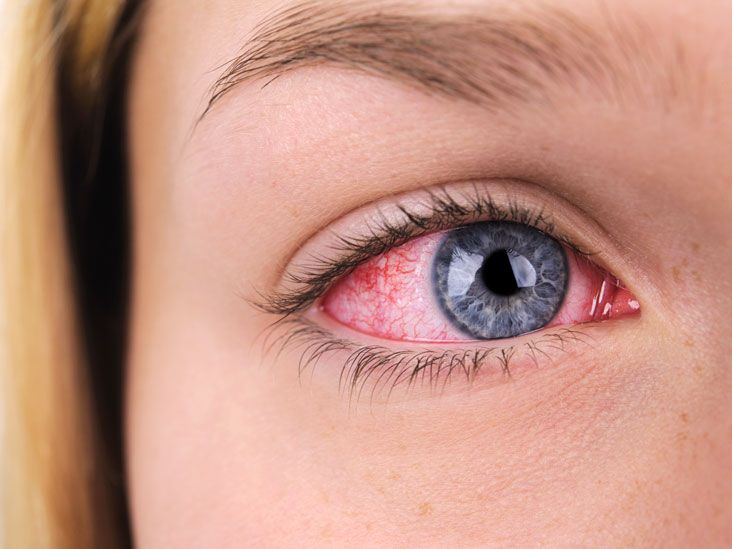
The eyelid margins may appear red, thickened, shiny, or irritated. The gland openings may look capped or plugged. Some people have foamy tears along the lower lid margin. Others notice flakes at the eyelashes, similar to dandruff. In more advanced cases, glands may become less visible or show signs of dropout, meaning some gland tissue is no longer functioning well.
Symptoms That Need Prompt Medical Attention
Meibomianitis is common, but not every red or painful eye is simple eyelid inflammation. Seek urgent eye care if you have severe eye pain, sudden vision loss, significant light sensitivity, injury, chemical exposure, a painful contact lens-related red eye, pus-like discharge, a new white spot on the cornea, or symptoms that worsen quickly. Eyes are small, important, and inconveniently located in the face, so they deserve respect.
How Meibomianitis Is Diagnosed
Diagnosis usually starts with a detailed history and a comprehensive eye exam. Your eye-care professional will ask about symptoms, screen habits, contact lens use, medications, skin conditions, allergies, prior eye surgery, and whether symptoms are worse in the morning, evening, or during specific activities.
Slit-Lamp Examination
A slit lamp is a microscope with a bright light that lets the doctor examine the eyelids, lashes, tear film, conjunctiva, and cornea in detail. During this exam, the clinician may look for redness, swelling, crusting, blocked gland openings, thickened secretions, foamy tears, eyelid-margin irregularity, and signs of ocular surface irritation.
Meibomian Gland Expression
The doctor may gently press on the eyelid margin to see whether oil comes out of the glands and what it looks like. Clear, easy-flowing oil is generally healthier. Thick, cloudy, yellowish, waxy, or absent secretion suggests gland dysfunction. This part of the exam may feel a little strange, but it gives valuable information. It is basically asking the glands, “Are you working today?” and waiting for their tiny oily answer.
Tear Film Evaluation
Because meibomianitis affects the oil layer of the tear film, the doctor may check tear stability. One common approach is tear breakup time, which measures how quickly the tear film breaks apart after a blink. A short breakup time suggests unstable tears. The doctor may also use dyes to highlight dry or damaged areas on the eye surface.
Checking for Related Conditions
Diagnosis may include looking for blepharitis, Demodex-related eyelid changes, rosacea, allergic eye disease, conjunctivitis, aqueous-deficient dry eye, medication-related dryness, and contact lens complications. This matters because treatment depends on the cause. Treating every irritated eye the same way is like using a hammer for every home repair. Sometimes you need a screwdriver, sometimes you need a plumber, and sometimes you need to stop touching the thermostat.
Imaging and Advanced Testing
Some eye clinics use meibography, an imaging technique that shows the structure of the meibomian glands. It can reveal gland shortening, distortion, or dropout. Other tests may evaluate tear osmolarity, inflammation markers, lipid layer thickness, or blink patterns. Not everyone needs advanced testing, but it can be useful for chronic, severe, or unclear cases.
Why Diagnosis Matters
Meibomianitis can be easy to underestimate because symptoms may come and go. However, untreated or chronic gland dysfunction can contribute to ongoing dry eye disease, recurrent eyelid inflammation, styes, chalazia, contact lens intolerance, and ocular surface damage. In some cases, gland changes can become long-lasting. Early diagnosis helps guide eyelid hygiene, environmental adjustments, medication review, and appropriate professional treatment when needed.
Diagnosis also helps avoid confusion. Many eye conditions share symptoms: allergies itch, infections discharge, dry eye burns, and contact lens problems can cause redness or pain. A proper exam separates meibomianitis from other causes and helps prevent people from using random eye drops like they are seasoning soup. More is not always better, especially when preservatives or the wrong medication irritate the eye further.
Real-Life Examples of How Meibomianitis Can Show Up
The Screen-Worker Pattern
A person works at a laptop all day and notices burning eyes by late afternoon. Vision blurs during spreadsheets but clears after blinking. The eyes water outdoors, yet still feel dry indoors. During an exam, the doctor sees capped gland openings and thick oil. The likely issue is not simply “too much computer.” It is reduced blinking plus meibomian gland dysfunction creating evaporative dry eye.
The Makeup-and-Morning-Crust Pattern
Another person wakes with sticky eyelids, mild redness, and irritation near the lash line. They wear eyeliner close to the waterline and sometimes sleep in mascara. The doctor finds eyelid debris and inflamed gland openings. Better eyelid hygiene and makeup habits may be an important part of care.
The Rosacea Pattern
A patient with facial flushing and sensitive skin develops chronic red eyelids, burning, and recurring chalazia. The eyelids show inflammation and meibomian gland blockage. In this case, ocular rosacea may be contributing to meibomianitis, and management may require a broader approach than artificial tears alone.
Experience-Based Notes: What Living With Meibomianitis Can Feel Like
People often describe meibomianitis as a condition that sneaks into daily life rather than arriving with a dramatic entrance. It may begin with a small annoyance: a gritty feeling after a long workday, mild burning while reading, or the sense that an eyelash is trapped in the eye even after checking the mirror five times. At first, many people blame lack of sleep, allergies, or screen brightness. They buy artificial tears, blink dramatically at their monitor like a confused owl, and hope the problem disappears.
One common experience is frustration with watery eyes. It seems contradictory. How can eyes be dry if they keep watering? But with meibomian gland problems, the tears may be missing enough quality oil to remain stable. The eye responds to irritation by producing watery tears, but those tears evaporate quickly or spill over. The result is the strange combination of dryness and tearing, which feels like the body submitted the wrong maintenance request.
Another familiar pattern is fluctuating vision. People may think their glasses prescription has changed because words blur on a screen or road signs look hazy at night. Then they blink, and the image sharpens for a moment. This can be especially annoying for students, office workers, drivers, gamers, and anyone who spends hours focusing. The problem is not always the lens prescription; sometimes the tear film is breaking up too quickly between blinks.
Contact lens wearers may notice that lenses feel comfortable in the morning but unbearable by afternoon. The eyes may feel sticky, hot, or tired. Some people reduce wearing time or switch brands repeatedly before discovering that the eyelid oil glands are part of the issue. When the tear film is unstable, even a technically well-fitted contact lens can feel like a tiny plastic guest overstaying its welcome.
Meibomianitis can also affect routines. People may become more aware of air conditioning, ceiling fans, smoky environments, airplane cabins, and dry offices. A room that once felt normal suddenly feels like a wind tunnel designed by someone who personally dislikes corneas. Makeup habits may change too. Removing eye makeup thoroughly, replacing old mascara, and avoiding eyeliner on the inner lid margin can become practical steps rather than beauty-blog trivia.
The emotional side is real as well. Chronic eye irritation is distracting. It can make work feel harder, reading less pleasant, and screen time exhausting. Because the eyes may look only mildly red, others may not understand why the symptoms are so bothersome. That is why diagnosis can feel validating. Having a name for the problem helps people stop guessing and start managing the condition with guidance from an eye-care professional.
The biggest lesson from patient experiences is that meibomianitis is often manageable, but it rewards consistency. Eyelid care, blinking habits, environmental changes, and professional treatment plans work best when they become routine. The glands did not become irritated overnight, and they usually do not calm down after one heroic warm compress performed while half-asleep. Small, steady habits often matter more than dramatic one-day efforts.
Conclusion: Small Glands, Big Feelings
Meibomianitis is inflammation of the eyelid oil glands, and it can have an outsized impact on comfort, tear stability, and vision quality. Because the meibomian glands help protect the tear film from evaporation, blocked or inflamed glands can cause dry eye symptoms, burning, redness, watery eyes, crusting, fluctuating blur, and contact lens discomfort.
The main causes include gland blockage, thickened oil, blepharitis, rosacea, aging, hormonal influences, certain medications, reduced blinking, cosmetics, contact lenses, and dry or irritating environments. Diagnosis usually involves a careful history, slit-lamp exam, eyelid-margin evaluation, gland expression, and tear-film testing. In some cases, imaging or advanced dry eye testing may be useful.
If your eyes often feel gritty, tired, watery, or irritated, do not assume you simply need stronger coffee or fewer emails. Your eyelids may be trying to tell you something. A proper eye exam can identify whether meibomianitis or meibomian gland dysfunction is part of the problem and help guide the next steps.












