
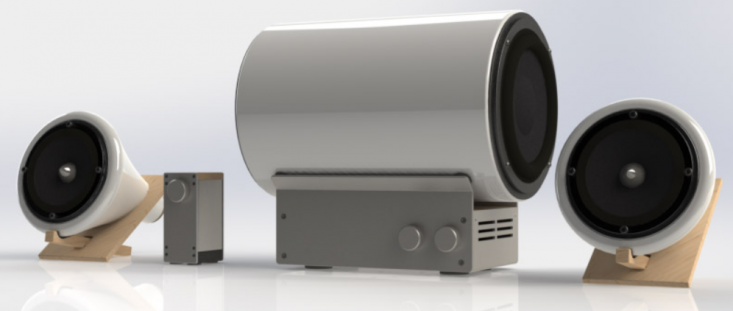
Most desktop speakers look like they were designed during a committee meeting in a windowless office. Joey Roth Ceramic Speakers, thankfully, did not get that memo. They sit on a desk like tiny porcelain megaphones from a parallel universe where audio gear is allowed to be beautiful, materials are allowed to matter, and plastic is politely asked to wait outside.
Created by industrial designer Joey Roth, these ceramic speakers became a cult object because they blur the line between audio equipment, sculpture, and furniture. They are not just “speakers that happen to look nice.” Their whole personality comes from a disciplined design idea: reduce the speaker system to its essential parts, use honest materials, and let the object feel calm even while it is doing something as energetic as throwing music into a room.
That combination made Joey Roth Ceramic Speakers especially appealing to design lovers, desktop audio fans, vinyl listeners, and anyone who has ever looked at a black plastic speaker cube and thought, “Surely we can do better than this.”
What Are Joey Roth Ceramic Speakers?
Joey Roth Ceramic Speakers are minimalist desktop speakers made with materials more commonly associated with craft and furniture than consumer electronics. The original system used porcelain speaker enclosures, cork, Baltic birch or maple wood stands, an external amplifier, and carefully visible connections. Instead of hiding every part behind a glossy plastic shell, the design celebrates the relationship between material, signal, and sound.
The most recognizable feature is the white ceramic horn-like speaker body. It has a soft, sculptural shape that feels closer to handmade tableware than typical audio hardware. That is part of the charm. The speakers look gentle, almost quiet, before they even play anything. Then you connect them to a laptop, turntable, phone, or music player, and suddenly the tiny porcelain cones start acting like they own the desk.
The system was originally known as a wired desktop speaker setup, but later versions and related releases added Bluetooth options and expanded the ecosystem with a ceramic subwoofer and tall tower-style upgrades. Over time, the product became less of a one-off design curiosity and more of a small audio universe built around Roth’s design language.
The Design Philosophy: Audio Gear With a Soul
The magic of Joey Roth Ceramic Speakers is not only in how they sound. It is in how they make the act of listening feel intentional. Many speakers disappear visually because their makers assume audio equipment should be invisible. Roth goes the other way. His speakers are meant to be seen, touched, arranged, and lived with.
This fits Roth’s broader approach as an industrial designer. His work often focuses on tools for temporary experiences: drinking tea, listening to music, making something, navigating the outdoors. These moments do not last forever, but the objects connected to them can collect memory. A speaker is not just a machine; it becomes part of the ritual of the room.
That may sound poetic for a pair of desktop speakers, but it is exactly why the design has lasted. A mass-market speaker often ages like a forgotten router. Joey Roth Ceramic Speakers age more like a favorite ceramic mug or a well-used wooden chair. They have physical presence, not gadget anxiety.
Materials: Porcelain, Cork, Birch, Metal, and Almost No Plastic
One reason these speakers stand out is the material palette. Porcelain is the star of the show. It gives the speakers their clean, bright, sculptural body. Cork appears as an acoustic and visual detail, softening the connection between the enclosure and cable. Wood gives the system warmth and stability. The amplifier brings in metal, usually stainless steel or aluminum details depending on version, plus a weighty base that makes the system feel more like a permanent object than a disposable accessory.
The use of porcelain and cork is more than visual theater. Both materials are valued for their relatively inert acoustic behavior. In plain English: they are less likely to add unwanted vibration or coloration. Instead of a cheap box buzzing along with your music like an uninvited tambourine, the enclosure aims to stay quiet and let the driver do the talking.
The wood stands also matter. They do not just hold the speakers in place; they give the whole setup its visual balance. The contrast between glossy ceramic, textured cork, and natural wood creates a calm, almost gallery-like presence. Place them next to a laptop and they instantly make the laptop look like it should sit up straighter.
Sound Character: Warm, Detailed, and Honest
The original Joey Roth Ceramic Speakers use small full-range drivers, which means they aim to reproduce a wide span of sound without relying on separate tweeters and woofers. This gives the speakers a simple signal path and a coherent sound. Vocals, acoustic instruments, podcasts, jazz, folk, indie rock, classical chamber music, and quieter electronic tracks tend to suit them well.
Listeners and reviewers have often described the sound as clear, warm, crisp, and detailed. The speakers are particularly good at making a desktop feel intimate. They are not trying to turn your room into a nightclub at 2:00 a.m. They are more like a well-dressed friend who brings a small record collection and somehow knows exactly where to sit.
That said, physics remains undefeated. Small speakers in small enclosures have limits, especially in deep bass. The original system can sound lovely, but it will not shake the floor with hip-hop, movie explosions, or bass-heavy electronic music. If your main test track involves making furniture vibrate, the speakers may politely decline and offer you a tasteful acoustic guitar instead.
The Bass Question: Beautiful, But Not a Thunder Machine
The most common criticism of the original Joey Roth Ceramic Speakers is their low-end performance. The published frequency response of the classic model reached down to around 70 Hz, which is respectable for a compact desktop speaker but not enough for deep sub-bass. This is why some reviewers loved the design and midrange clarity but wanted more weight from drums, bass guitar, and cinematic effects.
This does not make the speakers bad. It simply defines their personality. They are excellent for near-field listening, design-focused rooms, and music where texture and tone matter more than brute force. They are less ideal for people who judge every speaker by whether it can scare the cat from three rooms away.
Joey Roth later addressed this limitation with a matching ceramic subwoofer. The subwoofer extended the system’s low-frequency reach and turned the delicate desktop setup into something fuller and more room-capable. For listeners who loved the ceramic design but wanted more body, the subwoofer was the obvious upgrade.
The Amplifier and Signal Path
Part of the original appeal was the separate amplifier. Rather than burying controls inside a speaker, Roth created an external amp that felt like part of the design system. The amplifier typically used a compact T-amp approach, with a short analog signal path, straightforward inputs, and quality connection points.
This simplicity matters. A lot of modern audio gear is stuffed with processing, wireless layers, apps, menus, and mysterious blinking lights. Joey Roth Ceramic Speakers lean toward a more direct experience: source, amplifier, cable, driver, sound. No tiny app asking for a firmware update while you are just trying to listen to Miles Davis.
The result is a system that rewards better source material. Lossless files, well-mastered digital tracks, and vinyl setups can reveal more texture than compressed, low-quality audio. The speakers are not ruthlessly analytical studio monitors, but they are transparent enough to remind you that not all music files are created equal.
Who Are Joey Roth Ceramic Speakers For?
These speakers are best for people who care about both sound and the objects they live with. They make sense for a design-conscious home office, a minimalist apartment, a creative studio, a reading room, or a desktop listening station. They also appeal to people who like audio gear but do not want their home to look like a spaceship repair bay.
They are especially good for listeners who sit fairly close to their speakers. Near-field placement lets the system shine without needing huge volume. Set them on a desk, angle them toward your ears, and give them space to breathe. The recommended arrangement for some versions has been around a few feet apart, which suits a desktop or small-room environment well.
They are not the most practical choice for everyone. If you want maximum loudness per dollar, a studio monitor pair may outperform them. If you want booming bass out of the box, you will want a subwoofer. If you want an all-in-one smart speaker that answers questions, controls lights, and possibly judges your playlist, this is not that product.
Why Designers Still Talk About Them
The reason Joey Roth Ceramic Speakers keep appearing in design conversations is simple: they feel resolved. Every visible part appears considered. The speaker body, the stand, the cable, the amplifier, and the materials all belong to one idea. That is rare in consumer electronics, where many products are designed like the front, back, and cable were handled by three separate teams who communicated only by sighing.
The speakers also arrived at a time when desktop audio was often either cheap and ugly or expensive and aggressively technical. Roth created something that did not fit neatly into either category. It was premium, but not in a chrome-and-blue-LED way. It was artistic, but still functional. It was minimalist, but not cold.
That balance helped the product become a reference point for material honesty in audio design. The ceramic speaker body became a visual shorthand for a different idea of technology: slower, warmer, more personal, and less disposable.
Joey Roth Ceramic Subwoofer and Ceramic Towers
The original desktop speakers were only the beginning. Roth later introduced a ceramic subwoofer designed to complement the speakers and fill in the lower frequencies. Visually, it followed the same family language: ceramic form, refined materials, and a system that looked like it belonged in a thoughtful interior rather than under a gamer desk surrounded by energy drink cans.
The ceramic subwoofer helped solve the biggest practical issue with the original speakers: bass depth. By extending the system lower, it made the speakers more versatile for movies, electronic music, and larger rooms. The subwoofer turned the ceramic setup from a beautiful desktop companion into a more complete listening system.
Then came the Ceramic Towers, a more ambitious upgrade that elevated the original speakers into a floor-standing system. These towers used aluminum and wood construction to physically raise the ceramic speakers while improving room-filling performance. The towers showed how Roth’s original idea could evolve without losing its identity. The small porcelain speakers remained the visual heart of the system, but the setup gained height, presence, and stronger low-end support.
Price, Value, and the “Art Object” Argument
Joey Roth Ceramic Speakers have never been positioned as bargain-bin desktop speakers. Their price reflects small-scale design, unusual materials, careful production, and the fact that they are as much a design object as an audio product. That naturally creates debate.
From a pure performance-per-dollar perspective, some conventional speakers offer more volume, deeper bass, or flatter frequency response for the money. Audiophiles who measure value strictly with graphs and specs may see the Joey Roth system as expensive. They are not entirely wrong.
But that is not the whole story. People do not buy an Eames chair because a folding chair can technically hold a human body. They buy it because form, material, comfort, and meaning matter. Joey Roth Ceramic Speakers live in that same category. They deliver sound, but they also change the atmosphere of a room.
For the right buyer, that combination is the value. You are paying for audio performance, yes, but also for a daily object that makes the listening ritual feel special. The speakers are not trying to be invisible. They are trying to earn their place on the desk.
How to Get the Best Experience From Joey Roth Ceramic Speakers
Place Them Carefully
These speakers work best when treated like serious near-field monitors. Place them at roughly ear level if possible, with the drivers aimed toward your listening position. Avoid shoving them against a wall or trapping them behind stacks of books, coffee mugs, or that one cable you keep meaning to organize.
Use Better Audio Sources
Because the speakers are detailed enough to reveal differences in source quality, use lossless or high-quality files when you can. A good turntable setup, a clean DAC, or well-mastered streaming tracks will help the speakers show their strengths.
Consider a Subwoofer for Full-Range Listening
If your music collection includes bass-heavy genres, movie soundtracks, or electronic music, pairing the speakers with a compatible subwoofer makes the system feel more complete. The original speakers are charming and clear, but the subwoofer adds the floorboards-and-drum-kick department.
Let the Design Breathe
Do not hide these speakers. They are designed to be part of the visual environment. Give them space, keep the setup clean, and let the materials do their quiet little design monologue.
Real-World Experience: Living With Joey Roth Ceramic Speakers
Using Joey Roth Ceramic Speakers is different from using ordinary desktop speakers because they change the mood before the music starts. The first experience is visual. You set them on a desk and immediately notice how different they feel from standard audio gear. The porcelain catches light softly. The wood brings warmth. The cork makes the cable connection feel handmade rather than industrial. Even before sound comes through, the setup suggests that listening should be slower and more deliberate.
In daily use, the speakers are especially satisfying for morning music, writing sessions, design work, and quiet evenings. They do not shout for attention. Instead, they create a focused listening bubble. Put on a well-recorded acoustic track and vocals sit nicely in the room. Play jazz and the cymbals feel crisp without becoming harsh. Try a podcast and voices sound natural enough that you may forget the speaker is a ceramic object and not a tiny, polite broadcaster living on your desk.
The experience becomes even better when the surrounding space matches the speakers’ personality. A clean desk, a wooden table, a few books, a plant, and soft lighting all make the system feel at home. These speakers are not just about audio; they are about environment. They reward the listener who cares about the entire setup. Throw them into a cluttered corner with tangled cables and they still work, of course, but it feels a bit like wearing a linen suit to mow the lawn.
The limitations also become clear with use. If you play bass-heavy music at high volume, the original speakers may feel polite when you want them to become dangerous. Kick drums have shape, but not huge physical force. Synth bass is present, but not chest-thumping. For apartment living, that may actually be a benefit. Your neighbors will not form a committee. But listeners who want cinematic low-end should consider a subwoofer or tower setup.
Another real-world pleasure is how tactile the system feels. The amplifier, cables, and speaker placement all make the user more aware of the listening process. In a world where many devices disappear into wireless convenience, Joey Roth Ceramic Speakers bring back a bit of ceremony. You adjust volume, choose a record or playlist, sit down, and listen. That may sound old-fashioned, but it is also refreshing.
For creative professionals, the speakers can become part of the workspace identity. They signal taste without screaming luxury. They are elegant, slightly nerdy, and serious about materials. Visitors notice them. Some ask if they are speakers. Others assume they are art. Both reactions are understandable, and both are part of the fun.
After extended use, the biggest takeaway is that Joey Roth Ceramic Speakers are not trying to win every technical contest. They are trying to make music feel connected to a physical object worth keeping. They are best appreciated by people who value ritual, craft, and design as much as raw specification. If your ideal speaker is invisible, automated, and voice-controlled, this system may feel too deliberate. If your ideal speaker makes you want to sit down, choose better music, and enjoy your room a little more, Joey Roth Ceramic Speakers make a surprisingly persuasive case.
Conclusion: A Speaker System for People Who Listen With Their Eyes Too
Joey Roth Ceramic Speakers remain memorable because they solve a problem most audio brands ignore: speakers do not only make sound; they occupy space. They sit in our rooms, on our desks, beside our books, near our hands, and in our daily routines. Roth understood that a speaker could be both an acoustic tool and a meaningful object.
The ceramic body, cork details, wood stands, and minimal amplifier create a system that feels calm, honest, and beautifully edited. The sound is warm, clear, and intimate, especially for near-field listening. The bass is limited in the original version, but the subwoofer and tower upgrades show how the system can grow into a fuller audio experience.
These speakers are not for everyone, and that is part of their appeal. They are for listeners who want technology with texture, design with function, and music gear that does not look like it escaped from a budget electronics aisle. Joey Roth Ceramic Speakers are proof that audio equipment can be useful, emotional, sculptural, and just a little bit charmingly weird. In other words, exactly what a great design object should be.
Note: This article is written for web publication and synthesized from real product information, historical design coverage, and long-term review perspectives. It does not copy source text and contains no embedded source links.












