
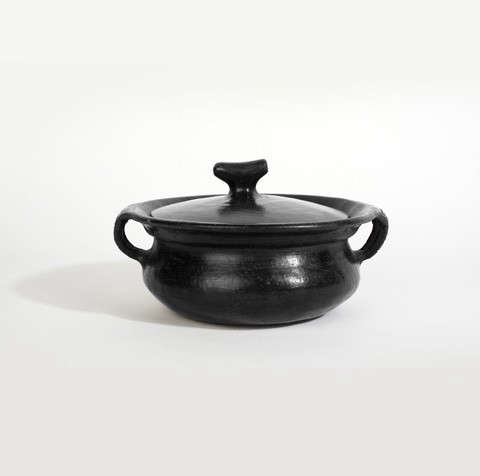
Some kitchen pieces walk into a room quietly. Others arrive with a tiny drumroll, a wink, and the mysterious confidence of a person who knows exactly where the good salt is kept. Le Mill Accessories’s Cooking Pot : Small belongs to that second group. It is not the giant stockpot you drag out for holiday soup. It is not the heroic Dutch oven that requires two hands and a motivational speech. This small black pottery cooking pot is the compact, stylish, quietly useful kitchen companion that makes everyday cooking feel a little more intentional.
Originally listed as part of Le Mill’s black pottery collection, this small cooking pot reflects the brand’s larger design identity: a mix of global taste, Indian craft influence, and homeware that looks like it has a story even before you cook your first spoonful of dal, rice, oats, sauce, or midnight noodles in it. And yes, a small pot can absolutely have main-character energy. In fact, in many kitchens, the smallest pot is the one that gets the most action.
This guide explores what makes the Le Mill Accessories’s Cooking Pot : Small appealing, how to use a small pottery cooking pot well, what to know about care and safety, and why compact cookware deserves more respect than it usually gets. Because frankly, the little pot has been doing the work while the big pot has been taking all the credit.
What Is Le Mill Accessories’s Cooking Pot : Small?
The Le Mill Accessories’s Cooking Pot : Small is best understood as a compact black pottery cooking vessel designed for small-batch cooking and stylish kitchen presentation. Public product listings describe it as a small cooking pot from Le Mill’s black pottery collection, originally offered in black and positioned under kitchenware, pots, and pans.
Le Mill itself is known as a Mumbai-based luxury concept store with a curated approach to fashion, homeware, furniture, accessories, and lifestyle objects. That context matters because this pot is not simply a utilitarian kitchen item. It is part of a design-forward home collection where function and aesthetics sit at the same table, politely passing the chutney.
Why Small Cooking Pots Are Secretly Essential
Large cookware gets a lot of attention because it looks impressive. Big pots say, “I host dinner parties.” Small pots say, “I actually cook on a Tuesday.” For everyday meals, a small cooking pot can be more practical than a larger pan because it heats faster, takes up less space, and handles modest portions beautifully.
A small cooking pot is ideal for warming soup, simmering sauce, cooking a single serving of grains, making tea, melting butter, heating milk, boiling eggs, preparing baby food, or serving a small stew at the table. It also helps reduce waste because the size encourages right-sized cooking. Not every meal needs to feed a wedding party. Sometimes dinner is just you, a ladle, and a very confident bowl of lentils.
Best Uses for a Small Pottery Cooking Pot
The Le Mill Accessories’s Cooking Pot : Small is especially suited to slow, gentle cooking tasks where heat control and presentation matter. Depending on the manufacturer’s current instructions, it may work well for dishes such as:
- Single-serving dals, lentils, or bean stews
- Small portions of rice, porridge, or congee
- Warm dips, chutneys, and sauces
- Spiced milk, chai, or hot cocoa
- Table-ready side dishes
- Leftover reheating when you do not want to dirty a huge pot
The “small” size is not a limitation. It is the point. Small cookware creates a closer relationship with the food. You notice the texture of onions softening, the way spices bloom, the moment a sauce thickens. It is less industrial, more intimate. Your stove feels less like a command center and more like a tiny stage.
The Beauty of Black Pottery in the Kitchen
Black cookware has a timeless quality. It works in rustic kitchens, modern apartments, minimalist spaces, and eclectic homes where the shelves contain olive oil, hand-thrown bowls, three kinds of chili flakes, and at least one mug nobody is allowed to use because it is “too special.”
A black pottery cooking pot brings visual depth to the kitchen. It contrasts nicely with wood, marble, brass, stainless steel, cream walls, open shelving, woven linens, and fresh herbs. It looks good even when it is not being used, which is more than we can say for that plastic container drawer currently plotting against you.
From Stove to Table
One of the strongest appeals of a small pottery pot is its ability to move from cooking space to serving space. Instead of transferring food into another bowl, you can often serve directly from the pot if the material and finish are table-safe. A small black pot filled with lentils, roasted vegetables, spiced rice, or warm dip looks considered and cozy. It says, “I made this,” without needing to announce that you also washed three dishes while cooking.
For casual entertaining, this is gold. Small pots allow you to create a layered table: one pot for dal, one bowl for rice, one dish for pickles, one plate for flatbread. The result feels relaxed but curated. It is the opposite of dumping everything into one giant serving bowl and hoping parsley can save the day.
Material Matters: What to Know About Pottery Cookware
Pottery and ceramic cookware have been used across cultures for centuries. Clay-based cooking vessels are valued for their ability to hold and distribute heat gently, making them useful for simmered dishes, braises, stews, and slow-cooked foods. Many cooks also love the earthy, traditional feel that pottery brings to the kitchen.
However, pottery cookware should be used thoughtfully. Always check whether a pot is labeled safe for direct heat, oven use, microwave use, or serving only. Some ceramic or pottery pieces are designed for cooking; others are decorative or intended for presentation. This distinction matters. A pot may look like it could handle fire, but looking brave is not the same as being heat-safe. Many people also look brave before assembling flat-pack furniture. We know how that ends.
Food Safety and Glaze Considerations
When buying pottery cookware, especially handmade or imported items, food safety should be part of the decision. The safest approach is to buy from reputable sellers, confirm that the item is food-safe, and follow the care instructions closely. If a pot has a glaze, that glaze should be suitable for food contact. If the item is unlabeled, chipped, cracked, or suspiciously vague about its intended use, it is better used as decor than cookware.
For acidic foods such as tomato sauce, vinegar-based dishes, citrus-heavy marinades, or tamarind-rich stews, extra caution is wise unless the pot is clearly approved for those uses. Acidic ingredients can interact with certain materials and finishes. A good cooking pot should inspire confidence, not turn dinner into a science fair with consequences.
How to Cook with a Small Pottery Pot
Cooking with pottery often rewards patience. Unlike thin metal pans, pottery may heat more gradually and retain warmth longer. That makes it wonderful for gentle simmering, but it also means you should avoid sudden temperature shocks.
Start with low to medium heat unless the manufacturer says otherwise. Let the pot warm slowly. Avoid placing a cold pottery pot onto high heat, and do not move a hot pot directly onto a cold stone counter or into cold water. Thermal shock can cause cracking. In plain English: pottery does not enjoy dramatic temperature plot twists.
Simple Cooking Method for Everyday Use
For a small lentil dish, begin by warming the pot gently. Add a small amount of oil or ghee if the pot is suitable for stovetop cooking. Stir in aromatics such as garlic, ginger, cumin, or onion. Add cooked lentils or soaked split lentils with enough liquid to simmer. Keep the heat moderate, stir occasionally, and let the flavors blend. Finish with salt, herbs, lemon, or a spoonful of yogurt if desired.
For a sauce, use the same principle: low heat, steady stirring, and patience. A small pot is excellent for reducing sauces because the surface area and volume are manageable. You can watch the texture change without needing to hover over a huge pan like a nervous weather reporter.
Care and Cleaning Tips
A small pottery cooking pot should be cleaned gently. Avoid harsh metal scrubbers unless the maker specifically allows them. Warm water, mild dish soap, and a soft sponge are usually the safest starting points. If food sticks, soak the pot briefly rather than attacking it like it owes you money.
For stubborn residue, a paste of baking soda and water may help lift food without scratching many surfaces. Still, always test gently and follow the product’s care directions. If the pot is unglazed clay, it may require special handling and may absorb flavors, oils, and aromas over time. That can be part of its charm, but it also means you may not want to make garlic-heavy curry one night and delicate vanilla custard the next. Unless your dessert brand is “surprise onion.”
Storage Advice
Because pottery can chip, store the pot with a little breathing room. If stacking is necessary, place a soft cloth or paper towel between pieces. In small kitchens, a beautiful black pot can also live on an open shelf, where it doubles as decor. This is the rare storage solution that says, “Yes, I organized,” even when all you did was put one attractive object where people can see it.
Design Appeal: Why This Pot Works Beyond Cooking
The Le Mill Accessories’s Cooking Pot : Small has strong styling potential because it fits into several home aesthetics. In a modern kitchen, its black finish adds contrast. In a rustic kitchen, pottery brings warmth and handmade character. In a minimalist home, the simple form can feel sculptural. In a maximalist home, it becomes one more charming object in the delicious visual buffet.
Small kitchen accessories are powerful because they are easy to move, easy to style, and easy to use. A large appliance dominates a room. A small black cooking pot quietly improves it. Place it beside a wooden spoon, linen napkin, spice jar, or stack of handmade bowls, and suddenly your kitchen looks less like a place where toast happens and more like a place where recipes have memories.
Who Should Consider Le Mill Accessories’s Cooking Pot : Small?
This pot is best for people who appreciate cookware that is both functional and beautiful. It suits home cooks who make small portions, design lovers who care about table presentation, apartment dwellers who need space-conscious cookware, and anyone who enjoys kitchen pieces with a crafted look.
It may be less suitable for people who want dishwasher-proof, indestructible, high-speed cookware for large family meals. If your cooking style involves aggressive boiling, metal utensils, and tossing pans into the sink from across the room, pottery may not be your soulmate. It likes a gentler relationship.
Great for Small-Space Living
For small apartments, dorm-style kitchens, tiny homes, and compact urban spaces, a small pot makes sense. It takes less room in cabinets and is easier to clean in a small sink. It also supports a more intentional kitchen setup: fewer pieces, better pieces, more frequent use. Instead of owning ten average pots, you may find yourself reaching again and again for one small pot that simply works.
Cooking Ideas to Try
If you own a small pottery cooking pot like this one, use it for dishes that benefit from gentle heat and cozy presentation. Try a single-serving tomato rasam, a small batch of coconut rice, ginger tea, miso soup, saffron milk, herbed butter sauce, or warm chocolate ganache. The pot’s size encourages experimentation because the stakes are low. If the dish works, congratulations. If it does not, at least you did not ruin six quarts of anything.
It is also excellent for reheating thoughtfully. Instead of blasting leftovers in the microwave until one side is lava and the other side is emotionally unavailable, use a small pot with a splash of water or broth. Warm slowly, stir often, and bring leftovers to a safe, steaming temperature before serving.
Value: Is a Small Pot Worth It?
A small cooking pot earns its place when it is used often. The value is not only in capacity, but in convenience. A compact pot is easier to lift, clean, store, and style. It makes modest cooking feel complete rather than improvised.
Le Mill’s version has the added appeal of design identity. It is not just a pot; it is a home accessory with culinary purpose. That makes it attractive for people who love objects that do more than one thing. It cooks, serves, decorates, and occasionally makes your kitchen shelf look like it has its life together.
Buying Checklist Before You Choose
Before buying the Le Mill Accessories’s Cooking Pot : Small or any similar pottery cooking pot, confirm a few details. Check the current price and availability, because older product listings may not reflect today’s stock. Confirm the exact dimensions, capacity, material, glaze, and heat compatibility. Look for clear care instructions. If you plan to use it on a gas stove, electric cooktop, induction surface, oven, or microwave, make sure the pot is approved for that specific use.
Also consider your cooking habits. If you mostly cook for one or two people, a small pot can become indispensable. If you batch-cook gallons of soup every Sunday, this pot will still be lovely, but it will play a supporting role. Think of it as the character actor of your kitchen: not always the biggest name on the poster, but often the reason the whole scene works.
Final Thoughts
The Le Mill Accessories’s Cooking Pot : Small is a reminder that kitchen tools do not need to be oversized to be useful. With its black pottery look, compact proportions, and design-forward character, it sits at the intersection of cookware and home styling. It is practical for small meals, attractive enough for serving, and charming enough to leave on display.
Its appeal depends on mindful use. Treat it gently, confirm its heat safety, clean it properly, and let it shine in the kinds of cooking tasks small pots do best: simmering, warming, serving, and making ordinary food feel a little more special. In a kitchen full of loud gadgets and oversized cookware, this little pot proves that small can be powerful, stylish, and surprisingly hardworking.
Experience Notes: Living with a Small Pot Like This
Using a small cooking pot changes the rhythm of a kitchen in ways that sound minor until you experience them. The first thing you notice is convenience. You do not hesitate to cook a small portion because the pot does not make the task feel bigger than it is. Heating a cup of soup, simmering a quick sauce, or making a small bowl of oats suddenly feels easy instead of mildly annoying. Nobody wants to wash a giant pot after making one serving of anything. That is not cooking; that is dishwashing with a side quest.
The second thing you notice is control. A smaller pot lets you watch food more closely. When making chai, you can see the milk rise before it stages a dramatic escape. When melting butter, you can catch the moment it turns nutty and fragrant. When reheating rice with a splash of water, you can stir gently and bring it back to life instead of creating a dry rice brick suitable for home construction.
A small black pottery pot also changes how food feels at the table. Serving directly from a beautiful vessel makes even simple food feel cared for. A basic lentil stew looks warmer. A spoonful of chutney looks more intentional. A small portion of soup feels restaurant-like, even if you are eating it while wearing socks that do not match. The pot adds ceremony without demanding formality.
In a small kitchen, the experience is even better. Compact cookware is easier to keep within reach. You can place it on an open shelf, near spices, or beside a stack of bowls. Because it looks attractive, it does not need to hide in a cabinet. That matters when cabinet space is already occupied by mixing bowls, containers, and that one mysterious lid that belongs to absolutely nothing.
The learning curve is mostly about patience. Pottery-style cookware asks you to slow down. Use lower heat. Avoid sudden temperature changes. Let food warm gradually. At first, that may feel fussy if you are used to fast metal pans. But after a few uses, the slower pace becomes part of the pleasure. It encourages cooking by attention rather than autopilot.
The best experience comes from matching the pot to the right job. Do not expect a small pottery pot to replace every pan in your kitchen. Let it do what it does beautifully: small portions, gentle simmering, cozy serving, and visual charm. Used that way, Le Mill Accessories’s Cooking Pot : Small becomes more than a product. It becomes one of those kitchen objects you reach for because it makes cooking feel calmer, prettier, and a little more personal.
Note: Product availability, price, dimensions, and heat-use instructions may change over time; verify current specifications with the retailer before purchasing or cooking with the pot.












