
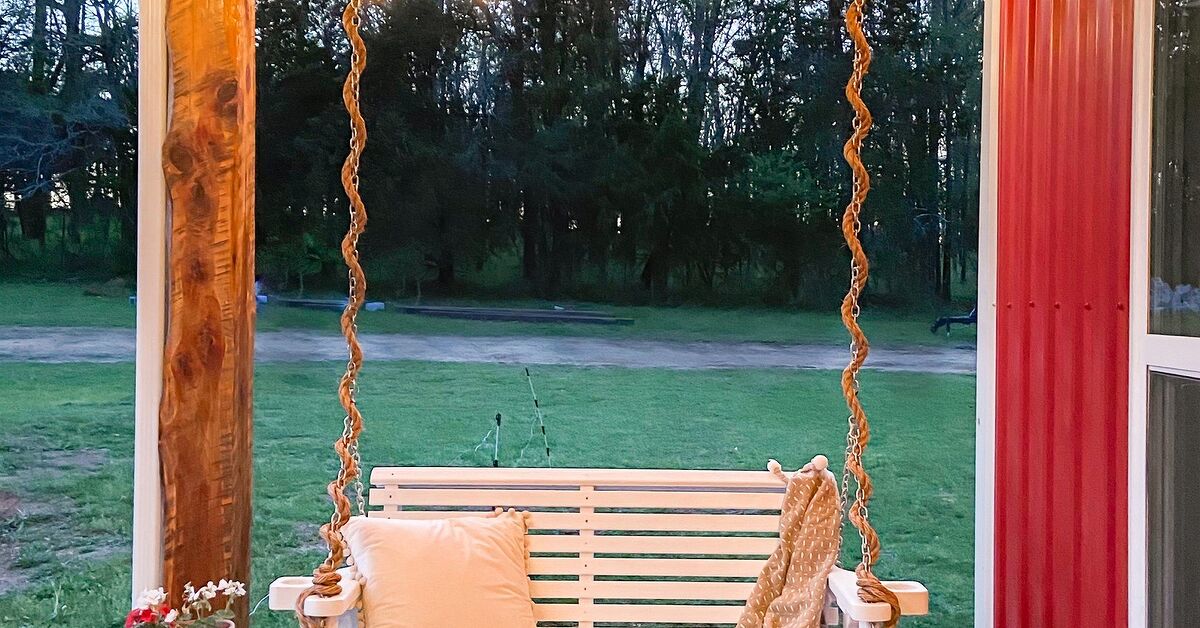
Adding rope to the chain on a porch swing is one of those small upgrades that can make a porch look warmer, softer, and more custom without rebuilding the entire swing. Chain is practical. Rope is charming. Put them together correctly, and you get the best of both worlds: the strength and adjustability of metal with the relaxed, coastal, farmhouse, or cottage-style look of rope.
But there is a catchand it is a big one. Rope should never be treated like porch jewelry if it changes how the swing is supported. A porch swing is not a picture frame. It holds people, moves under dynamic force, and depends on every link, hook, joist, knot, connector, and fastener doing its job. In other words, this is not the place for mystery rope from the garage, decorative twine, or a “looks strong enough” philosophy. That philosophy belongs in a sitcom, not above your favorite chair.
This guide explains how to add rope to the chain on a porch swing safely, stylishly, and realistically. We will cover when rope should be decorative, when it can be load-bearing, what materials work outdoors, how to wrap chain with rope, how to avoid common mistakes, and how to maintain the finished swing so your porch remains peaceful instead of becoming a physics lesson with cushions.
Why Add Rope to a Porch Swing Chain?
Most porch swings are hung with steel chains because chains are durable, easy to adjust, and widely available in rated kits. They also handle outdoor exposure well when made from galvanized steel, zinc-coated steel, or stainless steel. The downside is appearance. Bare chain can look industrial, especially on a cozy front porch filled with rocking chairs, planters, lanterns, and the kind of outdoor pillows that somehow multiply every spring.
Rope softens that look. It can make a new swing appear more handcrafted or help an older swing blend with rustic wood, painted beadboard, coastal décor, or farmhouse-style trim. Rope also feels better to the hand than bare chain, especially if people grab the side supports when sitting down.
There are three common ways to add rope to a chain porch swing:
- Decorative rope wrap: Rope wraps around the chain while the chain remains the real support.
- Rope sleeve or cover: Rope, fabric, or outdoor-rated covers hide the chain for a cleaner look.
- Hybrid support system: Rope and chain are both part of the hanging assembly, but only when all components are properly rated and installed.
For most homeowners, the safest and easiest method is decorative wrapping. The chain keeps doing the heavy lifting, while the rope does the looking pretty. It is basically the porch swing version of wearing a nice jacket over work clothes.
Safety Comes First: What Must Not Change
Before adding rope, inspect the entire swing system. The rope should not hide rust, cracked wood, loose eye bolts, bent hooks, worn chain links, or questionable ceiling hardware. If something looks tired, corroded, undersized, or improvised, fix that before making it attractive. A beautiful weak point is still a weak pointit just has better lighting.
Check the Ceiling Structure
A porch swing should be attached to solid structural framing, not thin ceiling material, beadboard, plywood, vinyl soffit, or decorative trim. The support beam or joist must be strong enough for the swing, the people using it, and the additional motion created when the swing moves. Many installation guides recommend substantial ceiling joists, often 2×6 or larger, with blocking or reinforcement when the joists do not align with the swing hardware.
If you cannot see the joists because the porch ceiling is covered, do not guess. Use attic access, a stud finder suitable for the material, or remove a small section if necessary. When in doubt, call a contractor or carpenter. Paying for a professional opinion is less dramatic than discovering your porch ceiling was mostly decorative after Uncle Dave sits down with iced tea.
Use Rated Hardware
Every load-bearing part should have a working load rating appropriate for the swing. That includes ceiling hooks, swing hangers, eye bolts, quick links, chains, springs if used, and any rope that is actually carrying weight. Outdoor-rated hardware is important because porch swings live where rain, humidity, temperature changes, and sun exposure quietly attack materials over time.
Look for galvanized, zinc-coated, powder-coated, or stainless steel components designed for outdoor use. Avoid open S-hooks unless the manufacturer specifically includes them and they are properly rated and closed or secured. Quick links and locking carabiners can be useful, but only if they are load-rated and installed according to instructions.
Should the Rope Be Decorative or Load-Bearing?
This is the most important decision. If your existing porch swing already hangs safely from chains, the simplest upgrade is to add rope as a decorative wrap around the chain. In this method, the chain remains responsible for the load. The rope only changes the appearance and texture.
Load-bearing rope is a different project. It requires the right rope diameter, material, knots or splices, attachment method, hardware compatibility, and load rating. It also requires regular inspection because rope can wear, stretch, shrink, fade, stiffen, or degrade depending on material and weather exposure.
For many homeowners, decorative rope wrap is the smarter choice because it reduces risk. You do not need to redesign the suspension system, recalculate lengths, or trust knots with your afternoon nap. The chain keeps the swing secure, and the rope gives it personality.
Best Rope Types for Wrapping Porch Swing Chains
Outdoor rope should be chosen for durability, weather resistance, grip, and appearance. Natural rope looks beautiful, but synthetic rope often performs better outside. The best choice depends on whether the rope is purely decorative or part of the support system.
Polyester Rope
Polyester rope is one of the best choices for outdoor decorative wrapping. It resists UV exposure better than many other rope materials, does not stretch as much as nylon, and holds up well in moisture. It also keeps its shape nicely, which matters when you want a clean wrap around chain.
Nylon Rope
Nylon rope is strong and has some elasticity, which can make it useful in certain applications. However, that stretch is not always ideal for a porch swing wrap because it can loosen over time. Nylon may also absorb water and can become less pleasant to handle if it stays damp frequently.
ProManila or Synthetic Manila Rope
Synthetic manila-style rope is popular because it looks like traditional natural fiber but handles outdoor conditions better. It gives the porch swing a classic rope look without some of the rot, shrinkage, and mildew concerns of true natural manila. For homeowners who want “old dock by the lake” charm without “old dock by the lake” maintenance, synthetic manila is a strong candidate.
Natural Manila Rope
Natural manila rope looks authentic and rustic, but it requires more care. It can shrink when wet, become rougher with age, and degrade faster outdoors. It may be fine for a decorative wrap in a covered porch with limited weather exposure, but it is not the lowest-maintenance option.
Tools and Materials You May Need
The exact supply list depends on your swing, but most decorative rope wrap projects require only basic materials.
- Outdoor-rated rope, usually 3/4 inch to 1 inch for a substantial look
- Measuring tape
- Sharp utility knife or rope cutter
- Painter’s tape or masking tape for marking cuts
- Outdoor-rated whipping twine, waxed cord, or stainless wire
- Heat source for sealing synthetic rope ends, used carefully
- Work gloves
- Step ladder
- Zip ties or temporary clamps for layout
- Optional: exterior adhesive, clear heat-shrink tubing, or rope clamps
If you are replacing any load-bearing parts, add properly rated chain, quick links, swing hangers, eye bolts, lag screws, washers, or ceiling brackets according to the swing manufacturer’s instructions. Do not mix random parts just because they fit. A porch swing is not a junk drawer collaboration.
How to Add Rope to the Chain on a Porch Swing
Step 1: Inspect the Swing Before You Decorate It
Start with a full inspection. Look at the swing seat, arms, back, underside, chain connections, ceiling hooks, and joists. Wiggle the hardware gently. If the swing creaks because wood is moving where it should not, or if a chain link is rusted thin, stop and repair the structure first.
Also check the swing height. Many porch swings feel comfortable when the seat is roughly chair height, often around 17 to 19 inches from the floor. The swing should have enough space in front and behind to move without hitting railings, walls, planters, or people carrying snacks.
Step 2: Decide Where the Rope Will Go
You do not have to wrap every inch of chain. In fact, leaving some chain exposed near quick links or adjustment points can make maintenance easier. A good approach is to wrap the visible vertical sections of chain while leaving connectors accessible.
If your swing uses a Y-shaped chain setup, decide whether to wrap the upper single chain, the lower two chains, or both. Wrapping the upper section gives the biggest visual effect. Wrapping the lower sections can make the swing look more finished, especially from the front.
Step 3: Measure Generously
Rope wrapping uses more material than people expect. A chain that is five feet long may require far more than five feet of rope because the rope spirals around the chain. Measure the chain length, then test-wrap a small section to estimate how much rope is needed per foot.
As a practical rule, buy extra. Rope is one of those materials that disappears quickly, like painter’s tape, cookies, and free weekends. Extra rope can be used for matching knots, decorative bands, or future repairs.
Step 4: Remove the Swing or Secure It
The cleanest method is to remove the swing chains from the ceiling hooks and work on a flat surface. This makes wrapping easier and safer. If removing the swing is not practical, support the seat from below with blocks or a sturdy platform so the chain is not under full tension while you work.
Never loosen or alter load-bearing hardware while the swing is occupied. That sentence should not need to exist, but the internet has taught us many things.
Step 5: Anchor the First End of the Rope
Start at the top or bottom of the chain section. Secure the rope end with a tight whipping wrap, stainless wire, or a neat knot that does not interfere with chain movement or hardware. If using synthetic rope, seal the cut end to reduce fraying. Be careful with flame or heat near painted surfaces, cushions, dry wood, or anything that would prefer not to become a campfire.
Step 6: Wrap Evenly Around the Chain
Wrap the rope around the chain in a consistent spiral. Keep the tension firm but not so tight that the rope distorts or traps water deeply between rope and metal. Each wrap should sit close to the previous one for a full-cover look, or slightly spaced for a more casual nautical style.
As you wrap, check that the rope is not forcing the chain to twist awkwardly. The chain still needs to hang naturally. If the rope makes the chain kink, bunch, or pull sideways, unwrap that section and adjust.
Step 7: Secure the Final End
When you reach the end of the section, secure the rope with another whipping wrap, cord, clamp, or hidden tie. Trim excess neatly. Do not place bulky knots where they will rub against the swing arm, ceiling hook, or quick link.
For a cleaner finish, you can create matching bands at the top and bottom of each wrapped section. This small detail makes the project look intentional instead of like the chain wandered through a rope factory and got caught.
Step 8: Rehang and Test Carefully
After wrapping, rehang the swing and test it without anyone sitting on it. Pull down gently on each side, check for even height, and watch how the wrapped chains move. Then sit carefully and shift weight slowly. Listen for unusual creaks, metal rubbing, or movement in the ceiling hardware.
The swing should move smoothly, hang level, and feel stable. If it leans, twists, or binds, correct the issue before regular use.
Design Ideas for a Better-Looking Rope and Chain Swing
Rope wrapping can be subtle or bold. For a coastal porch, use light synthetic manila rope with white cushions and blue accents. For farmhouse style, pair tan rope with a black chain and a painted wood swing. For a modern rustic look, use dark rope over stainless or black hardware.
You can also coordinate the rope with other porch details. Match it to hanging planters, lantern handles, outdoor rugs, or natural wood tones. The goal is not to make the swing scream, “I have rope now!” The goal is to make it look like it always belonged there.
Common Mistakes to Avoid
Using Decorative Rope as Support Without Rating
Decorative rope is not automatically safe rope. If the rope does not have a clear strength rating and is not intended for load-bearing outdoor use, do not rely on it to hold the swing.
Covering Damaged Chain
Rope can hide problems. Before wrapping, replace rusted, bent, cracked, or worn chain. After wrapping, inspect regularly by sliding or opening sections when possible.
Wrapping Too Tightly
A very tight wrap can trap moisture against the chain and accelerate corrosion. Use outdoor-rated chain and allow the assembly to dry after rain or heavy humidity.
Blocking Adjustment Points
Leave quick links, hooks, and adjustment points accessible. Future you will appreciate this when the swing needs leveling, inspection, or seasonal maintenance.
Maintenance Tips for Rope-Wrapped Porch Swing Chains
Inspect the swing at least once every season and more often if it is used heavily. Look for fraying rope, mildew, discoloration, loose wraps, rust bleeding through, worn connectors, or changes in swing height. Clean the rope gently with mild soap and water, then let it dry fully.
If the rope becomes stiff, slippery, moldy, brittle, or badly faded, replace it. Decorative rope is usually affordable compared with the swing itself, and replacing it can refresh the whole porch in an afternoon.
Also check the ceiling hardware. A perfect rope wrap does not matter if the lag screw above it is loosening. The swing system is only as strong as its weakest part, and weak parts are rude enough not to announce themselves politely.
When to Call a Professional
Call a professional if you are unsure about the ceiling structure, joist size, load capacity, hidden framing, or hardware installation. You should also get help if your porch ceiling is finished and you cannot confirm what is behind it, if the swing will hold multiple adults, or if you are installing a large swing bed.
A contractor can add blocking, sister joists, install a support beam, or recommend better hardware. That may not sound as exciting as buying rope, but it is the part that lets the pretty rope do its job without becoming part of a cautionary tale.
Real-Life Experience: What Adding Rope to a Porch Swing Chain Actually Feels Like
The first thing people usually notice after adding rope to a chain porch swing is not the technical improvement. It is the mood. A bare chain says, “This swing is functional.” A rope-wrapped chain says, “Someone here owns a lemonade pitcher and possibly says ‘y’all’ even if they are from Ohio.” The change is visual, tactile, and surprisingly satisfying.
In practice, the project feels simple at the start and more detailed halfway through. Measuring the chain is easy. Buying rope is fun. The first few wraps look fantastic. Then you realize consistency matters. If one side is wrapped tighter than the other, the difference shows. If the spiral spacing changes, the eye catches it. This is when patience becomes the secret tool. Not a drill. Not pliers. Patience.
One useful experience-based tip is to work from the same direction on both sides of the swing. If you wrap the left chain from top to bottom, do the same on the right chain. This keeps the spiral direction visually balanced. Another helpful trick is to mark the rope every few feet with small pieces of tape while wrapping. These marks help you notice whether you are using more rope on one side than the other before the difference becomes obvious.
Another lesson: leave the hardware accessible. It is tempting to cover every connector because the finished look is cleaner, but porch swings need adjustment. Chains stretch slightly under use, hardware settles, and wood can shift with humidity. If you bury the quick links under a heroic amount of rope, you may later have to undo your own masterpiece just to raise one side by a single chain link. That is the kind of tiny inconvenience that somehow becomes a Saturday.
Rope texture also matters more than expected. A rough natural rope looks charming but can shed fibers and feel scratchy on bare arms. A smooth synthetic rope is easier to clean and usually more comfortable to touch. On a covered porch, either can work decoratively. On an exposed porch, synthetic rope usually wins because it handles sun and moisture better. The best choice is the one that matches both the style of the home and the reality of the weather.
Color is another practical detail. Light rope looks fresh and coastal, but it shows dirt faster. Dark rope hides stains but can visually disappear against dark chain. Tan synthetic manila is a popular middle ground because it looks natural without demanding constant attention. If the porch has white trim, wood floors, black lanterns, and green plants, tan rope often ties everything together without trying too hard.
The finished swing usually feels more inviting. The chain no longer looks cold or purely mechanical. Guests notice the detail, especially when the wrap is even and the ends are finished cleanly. It gives the impression of a custom swing, even if the original was a standard store-bought model. That is the magic of small outdoor upgrades: they do not need to be expensive to feel thoughtful.
Still, the biggest experience lesson is this: beauty should never outrank safety. The rope is the outfit; the chain, hardware, and framing are the skeleton. Inspect first, wrap second, admire third. When done in that order, adding rope to the chain on a porch swing becomes one of the most rewarding porch projects you can tackle without turning your weekend into a full renovation saga.
Conclusion
Adding rope to the chain on a porch swing is a smart way to blend strength with style. The chain provides proven support, while the rope adds warmth, texture, and character. For most homeowners, the safest method is to wrap outdoor-rated rope around existing, properly installed chains rather than replacing the chain with rope. Choose durable rope, keep hardware accessible, inspect the structure first, and never cover up damage just to improve the look.
A porch swing should feel relaxing before, during, and after the project. When the rope is installed thoughtfully, the finished swing looks custom, feels comfortable, and gives your porch the kind of charm that makes people sit down “for just a minute” and then mysteriously stay until sunset.











