
Losing weight while breastfeeding can feel like trying to fold laundry during a baby nap: possible, but mysteriously interrupted every seven minutes. One moment you are planning a beautiful balanced lunch, and the next you are eating cold toast over the sink while holding a tiny human who has very strong opinions about everything.
The good news? You do not need a punishing diet, a complicated meal plan, or a fitness routine that requires a babysitter, a personal trainer, and the emotional strength of a superhero. The safest way to lose weight while breastfeeding is usually slow, steady, nourishing, and realistic. Your body is recovering from pregnancy and birth, producing milk, managing sleep disruption, and doing the invisible work of keeping a baby alive. That deserves respect, not a crash diet with a cute name.
This guide explains how to lose weight while breastfeeding using 15 easy, practical tips that support milk supply, energy, recovery, and long-term health. The goal is not to “bounce back.” The goal is to move forward feeling stronger, better fueled, and a little less like your snack cabinet is running your life.
Can You Lose Weight While Breastfeeding?
Yes, many breastfeeding parents can lose weight safely, but the key word is safely. Breastfeeding uses energy, but it also increases your need for nutrients. That means the best approach is not to eat as little as possible. It is to eat well enough that your body can produce milk, recover, and still gradually use stored energy over time.
A slow pace is usually best. Many experts recommend gradual weight loss rather than rapid changes, especially in the early postpartum months. Losing weight too quickly may affect energy, mood, recovery, and, for some people, milk production. Think of it less like a dramatic makeover montage and more like a long, practical walk with snacks.
How Soon After Birth Should You Try to Lose Weight?
In the first few weeks after birth, your priority should be healing, feeding your baby, resting when possible, and adjusting to a new routine. Your body has just completed a major physical event. Whether you had a vaginal birth, C-section, tearing, complications, or a smooth delivery, recovery matters.
Many healthcare professionals suggest waiting until your milk supply is more established before actively focusing on weight loss. For some parents, this may be around six to eight weeks postpartum, but every situation is different. If you had a C-section, heavy bleeding, pelvic floor symptoms, severe fatigue, dizziness, or supply concerns, check with your OB-GYN, midwife, lactation consultant, or healthcare provider before changing your eating or exercise routine.
15 Easy Tips to Lose Weight While Breastfeeding
1. Start With a “Nourish First” Mindset
The biggest mistake many new moms make is treating food like the enemy. Food is not the enemy. Food is the fuel that helps you make milk, heal tissue, stabilize mood, and survive nights when the baby wakes up as if they are hosting a tiny podcast at 3 a.m.
Instead of asking, “What can I cut?” ask, “What can I add that helps me feel full and energized?” Add protein, fiber, healthy fats, and colorful produce. A bowl of oatmeal with Greek yogurt and berries will usually support your body better than a lonely cracker and wishful thinking.
2. Avoid Crash Diets and Very Low-Calorie Plans
Crash diets are not a shortcut; they are usually a boomerang. Severe restriction can lead to fatigue, intense cravings, irritability, and difficulty staying consistent. While breastfeeding, very low-calorie plans may also be risky because your body needs extra energy and nutrients to support milk production.
Skip anything that promises dramatic results in a few days. If a diet sounds like it was invented by someone who hates breakfast, it probably does not belong in your postpartum life. A gentle calorie deficit, guided by a professional if needed, is much safer than extreme restriction.
3. Build Every Meal Around Protein
Protein helps you feel satisfied, supports muscle repair, and makes meals more filling. Breastfeeding parents often do better when they include protein at breakfast, lunch, dinner, and snacks instead of saving it all for one meal.
Easy protein options include eggs, Greek yogurt, cottage cheese, chicken, turkey, salmon, tuna in safe amounts, tofu, tempeh, beans, lentils, lean beef, edamame, and nut butters. A simple lunch might be a turkey and avocado wrap with baby carrots. A quick breakfast could be scrambled eggs with whole-grain toast and fruit. Nothing fancy, just food that does its job.
4. Eat More Fiber Without Making It Complicated
Fiber helps with fullness, digestion, and blood sugar balance. It can also be very helpful postpartum, when digestion may be slower than usual. The trick is to increase fiber gradually and drink enough fluids, unless your provider has told you otherwise.
Good fiber-rich foods include oats, berries, apples, pears, beans, lentils, chia seeds, vegetables, sweet potatoes, brown rice, and whole-grain bread. Try adding one fiber boost at a time: spinach in eggs, beans in soup, berries in yogurt, or a side salad with dinner. Your digestive system appreciates a polite invitation, not a surprise party.
5. Drink to Thirst and Keep Water Nearby
Breastfeeding can make thirst feel dramatic. One minute you are fine, and the next you need water with the urgency of someone crossing a desert. Keeping a bottle near your nursing spot, bed, stroller, and desk can make hydration easier.
You do not need to force huge amounts of water unless advised by your provider. A practical rule is to drink when thirsty and check that your urine is generally pale yellow. Water, milk, smoothies, soups, herbal teas approved by your provider, and water-rich foods like fruit can all contribute to hydration.
6. Choose Smart Snacks Before Hunger Gets Loud
Postpartum hunger can go from “I could eat” to “why is the cereal box empty?” very quickly. Planning snacks helps prevent random grazing and makes weight loss easier without strict dieting.
Try snacks that combine protein, fiber, or healthy fat. Examples include apple slices with peanut butter, Greek yogurt with berries, hummus with vegetables, cheese with whole-grain crackers, trail mix in a small portion, hard-boiled eggs, avocado toast, or a smoothie with fruit and protein. Snacks are not a failure; they are a strategy.
7. Do Not Fear Healthy Fats
Healthy fats help meals taste better and feel more satisfying. They also support overall nutrition. The goal is not to pour olive oil on everything like you are blessing the kitchen, but to include moderate portions.
Good options include avocado, olive oil, nuts, seeds, nut butter, eggs, and low-mercury fatty fish such as salmon or sardines. Pair healthy fats with protein and fiber for meals that keep you full longer. For example, a salmon bowl with brown rice, vegetables, and avocado is much more satisfying than a plain salad that leaves you negotiating with cookies an hour later.
8. Make Half Your Plate Fruits and Vegetables
Fruits and vegetables add volume, nutrients, flavor, and color without requiring complicated tracking. They are also helpful for creating satisfying meals while supporting gradual weight loss.
Use frozen vegetables, prewashed greens, bagged salads, baby carrots, apples, bananas, berries, oranges, and steam-in-bag options if convenience matters. This season of life is not about culinary perfection. If microwaved frozen broccoli gets vegetables on your plate, congratulations: you are winning.
9. Pick Whole Grains Most of the Time
Whole grains offer fiber and steady energy, which can be especially helpful when you are breastfeeding and sleep is unpredictable. Good choices include oats, brown rice, quinoa, whole-wheat pasta, barley, farro, whole-grain bread, and corn tortillas.
This does not mean white rice or regular pasta are forbidden. No food needs to wear a villain cape. But choosing whole grains more often can help you feel full and support better appetite control throughout the day.
10. Watch Sugary Drinks and “Little Extras”
You do not need to eliminate treats. In fact, a life without dessert during postpartum recovery sounds unnecessarily dramatic. But sugary drinks, frequent specialty coffees, large juices, soda, and constant bites of sweets can add up quickly without making you feel full.
Try swapping some drinks for water, sparkling water, unsweetened tea, milk, or coffee with less added sugar. Enjoy desserts intentionally instead of eating them while half-standing in front of the pantry. A cookie eaten on a plate while sitting down is emotionally superior to three cookies inhaled during a diaper emergency.
11. Move Your Body Gently, Then Build Up
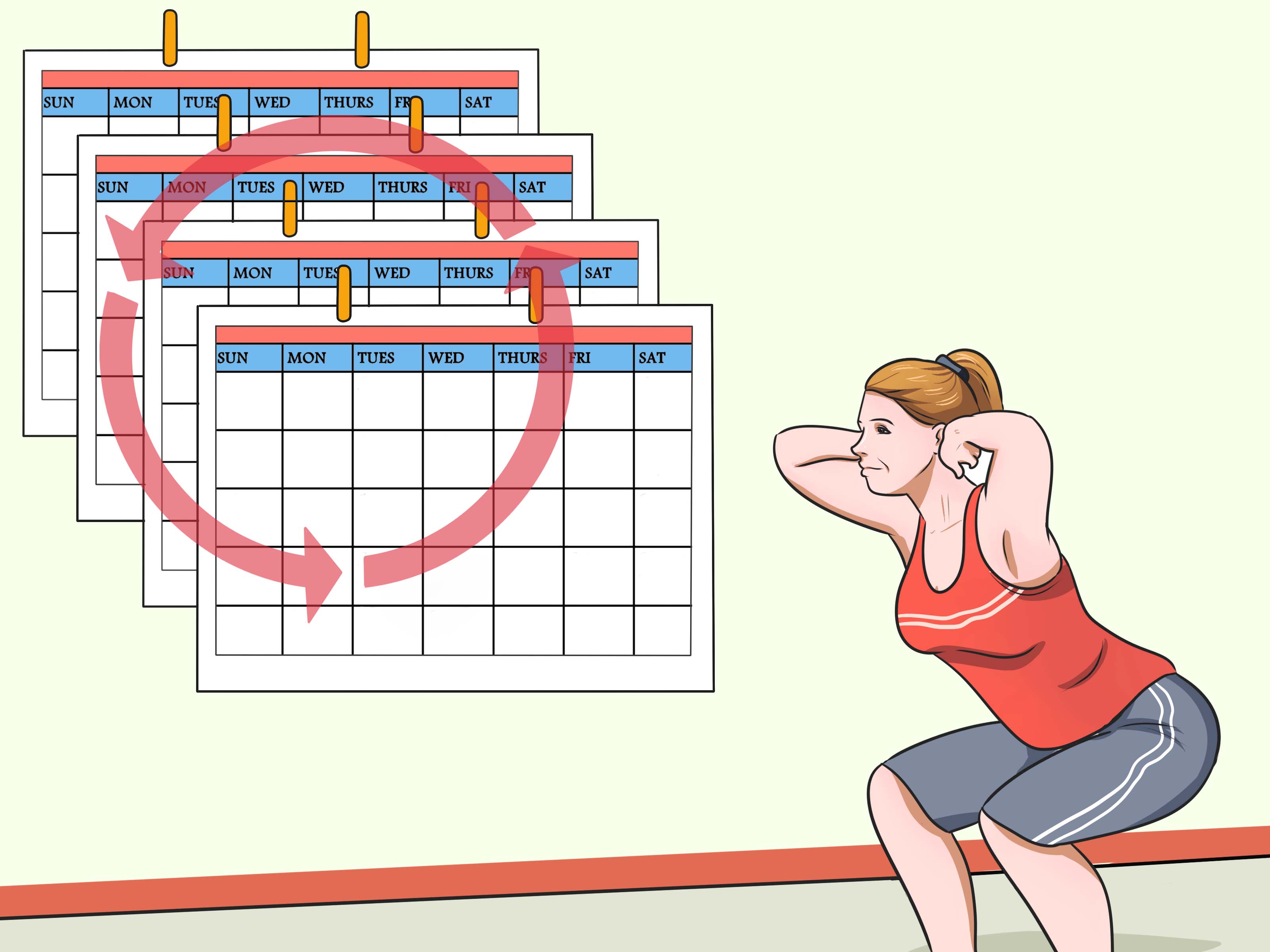
Exercise after pregnancy does not have to mean intense workouts. Walking is a powerful place to start. Gentle movement can support mood, circulation, energy, and gradual weight loss. Once your provider clears you, aim for consistency before intensity.
Start with short walks, gentle stretching, pelvic floor-friendly movement, or postpartum recovery exercises. Over time, many parents can work toward about 150 minutes of moderate aerobic activity per week, divided into manageable sessions. Ten minutes here and there counts. A stroller walk around the block absolutely counts. Dancing while the baby watches you like a confused tiny judge also counts.
12. Add Strength Training When You Are Ready
Strength training helps rebuild muscle, support metabolism, and make daily parenting tasks easier. Babies become heavier. Car seats appear to be designed by people testing human character. Your back, arms, and legs deserve backup.
Start with bodyweight moves such as squats to a chair, wall push-ups, glute bridges, light resistance band rows, and gentle core rehab exercises if appropriate. If you have diastasis recti, pelvic pain, leaking, heaviness, or C-section discomfort, work with a pelvic floor physical therapist or qualified postpartum fitness professional before increasing intensity.
13. Protect Sleep as Much as Real Life Allows
“Sleep when the baby sleeps” sounds simple until the baby naps for 18 minutes on your chest and the laundry looks like it has formed a government. Still, sleep matters for appetite regulation, mood, cravings, and recovery.
You may not be able to get perfect sleep, but you can protect small opportunities. Go to bed earlier when possible, share night duties if you have support, keep nighttime feeding supplies ready, reduce late-night scrolling, and accept help with chores. Weight loss is harder when exhaustion is driving the snack bus.
14. Track Habits, Not Just Weight
The scale can be noisy postpartum. Hormones, fluid shifts, milk volume, sleep, constipation, and timing can all affect weight. Instead of obsessing over daily numbers, track habits you can control.
Useful habits include eating protein at breakfast, drinking water during nursing sessions, walking three times a week, prepping snacks, adding vegetables to lunch, or stopping when comfortably full. These small wins create momentum. The scale is only one data point; it is not the boss of your worth.
15. Get Support Before You Feel Stuck
If weight loss feels impossible, milk supply changes, hunger feels extreme, or you feel overwhelmed, get help early. A lactation consultant can help with feeding and supply questions. A registered dietitian can help you build a realistic meal plan. Your OB-GYN, midwife, or primary care clinician can check for issues such as thyroid changes, anemia, mood disorders, or recovery complications.
Support is not a sign that you are failing. It is a sign that you are doing a hard thing with backup. Even professional athletes have coaches. You are feeding a baby with your body; you are allowed to have a team.
Foods That Help With Weight Loss While Breastfeeding
The best breastfeeding weight loss foods are not magic foods. They are nutrient-dense, filling, and easy to repeat. Your meals should be realistic enough for a tired parent and nourishing enough for a body doing overtime.
Easy Meal Ideas
Breakfast: Oatmeal with peanut butter and berries, eggs with whole-grain toast, Greek yogurt with fruit and granola, or a smoothie with milk, banana, spinach, and protein.
Lunch: Chicken salad wrap, lentil soup with whole-grain bread, salmon rice bowl, turkey avocado sandwich, tofu stir-fry, or a bean and vegetable burrito bowl.
Dinner: Sheet-pan chicken with sweet potatoes and broccoli, turkey chili, shrimp tacos with slaw, whole-wheat pasta with vegetables and lean protein, or a simple rice bowl with eggs, greens, and avocado.
Snacks: Cottage cheese with fruit, hummus and vegetables, nuts with an apple, hard-boiled eggs, cheese and crackers, or yogurt with chia seeds.
What to Avoid When Trying to Lose Weight While Breastfeeding
Avoid extreme diets, detox teas, appetite suppressants, unapproved weight loss supplements, and any plan that tells you to ignore hunger while nursing. Also be cautious with intermittent fasting if it leaves you lightheaded, exhausted, overly hungry, or worried about milk supply.
Limit alcohol and be mindful of caffeine, especially if your baby seems sensitive or your sleep is already fragile. Choose low-mercury seafood and follow current food safety recommendations. Most breastfeeding parents do not need to avoid entire food groups unless there is a medical reason, allergy concern, or advice from a healthcare professional.
Sample One-Day Breastfeeding Weight Loss Meal Plan
This sample is not a strict prescription. It is simply an example of how balanced eating can look when the goal is gradual weight loss while breastfeeding.
Morning
Oatmeal cooked with milk, topped with blueberries, chia seeds, and a spoonful of peanut butter. Coffee or tea if desired, plus water.
Midday
A turkey and avocado wrap with lettuce, tomato, and a side of carrots or fruit. Add Greek yogurt if you need more staying power.
Afternoon Snack
Apple slices with almond butter or hummus with whole-grain crackers and cucumbers.
Dinner
Salmon, chicken, tofu, or beans with brown rice or quinoa, roasted vegetables, and olive oil-based dressing.
Evening Snack
Cottage cheese with berries, a banana with peanut butter, or warm milk with whole-grain toast if you are hungry after a nursing session.
How to Know If You Are Losing Weight Too Fast
Slow progress is usually safer and more sustainable. Signs that you may need to eat more or slow down include dizziness, unusual fatigue, mood swings, intense hunger, headaches, reduced workout tolerance, constipation, feeling cold often, or a noticeable dip in milk supply.
Also pay attention to your baby’s feeding patterns, diaper output, and growth, and contact your pediatrician or lactation consultant if you have concerns. Your body is not a machine. It is a living system, and breastfeeding adds another layer of feedback.
Experience-Based Tips From Real Postpartum Life
Advice is easy to write when the kitchen is clean and nobody is crying. Real postpartum life is different. Losing weight while breastfeeding often depends less on perfect discipline and more on designing a routine that survives chaos. Here are practical experience-based lessons that many breastfeeding parents find useful.
First, the nursing station matters. Keep water, burp cloths, a phone charger, and one or two shelf-stable snacks nearby. When hunger hits during a long feeding session, you are much more likely to choose something helpful if it is within reach. A small basket with nuts, whole-grain crackers, dried fruit, or protein bars can prevent the classic “I forgot to eat until 2 p.m.” problem.
Second, breakfast can change the whole day. Many parents notice that when they eat a protein-rich breakfast, cravings later feel less intense. A fast breakfast does not have to be glamorous. Try overnight oats, egg muffins, Greek yogurt bowls, or a peanut butter banana smoothie. The goal is not to impress the internet. The goal is to avoid becoming so hungry that lunch turns into a dramatic event.
Third, leftovers are postpartum gold. Cook once, eat twice. If you make chicken, rice, roasted vegetables, soup, chili, or pasta, portion leftovers before cleaning up. Future-you, holding a baby and operating on four hours of broken sleep, will be grateful. Batch cooking is not about being perfect; it is about reducing decisions when your brain is full of feeding schedules and diaper math.
Fourth, walking works because it is simple. Many parents start with short stroller walks or baby-carrier walks. Ten minutes after breakfast, ten minutes after lunch, and ten minutes in the evening can feel more realistic than one long workout. Movement also helps many people feel mentally clearer, even when the scale is moving slowly.
Fifth, the scale may not tell the full story. Some weeks you may feel stronger, sleep better, snack less, and still see no change in weight. That does not mean nothing is happening. Clothes may fit differently, digestion may improve, energy may rise, and habits may become easier. Progress during breastfeeding is often uneven. Your body may hold onto weight during certain phases and release it later.
Sixth, support changes everything. Ask a partner, family member, or friend to help with food prep, grocery pickup, dishes, or baby care while you walk or rest. Many new parents feel pressure to do everything themselves, but weight loss is easier when basic needs are covered. You cannot build healthy habits on an empty tank forever.
Finally, patience is not laziness. Postpartum weight loss can take months, and that is normal. Your body changed over pregnancy, birth, and breastfeeding. It deserves a plan that is kind. Focus on repeatable actions: eat enough protein, include vegetables, drink water, walk when you can, sleep when possible, and ask for help when needed. Small steps, repeated often, are far more powerful than a dramatic plan you can only follow for three days.
Conclusion
Learning how to lose weight while breastfeeding is really about learning how to care for two people at once: your baby and yourself. The safest approach is gradual, nourishing, and flexible. Eat enough, choose filling foods, move gently, protect sleep when possible, and avoid extreme diets that promise fast results but ignore real postpartum life.
You do not need to chase perfection. You need meals that keep you full, snacks that prevent chaos, movement that fits your recovery, and support when things feel heavy. Breastfeeding is already a full-time job with unpredictable hours and a very tiny boss. Give yourself a plan that works with your life, not against it.












