
Note: This article is written for publication and is based on real design history, preservation principles, vintage bathroom references, and the documented Bailey’s 1930s Bathroom Kit concept.
Introduction: A Bathroom Kit With Old-Soul Charm
Some bathrooms try very hard to look expensive. Others simply walk in wearing chrome taps, a pedestal sink, and the quiet confidence of a 1930s movie star. Bath: Bailey’s 1930s Bathroom Kit belongs to the second category. It is not about gold-plated drama, rainfall showers the size of weather systems, or a vanity so large it requires its own ZIP code. It is about the enduring beauty of practical pieces: a pedestal basin, simple chrome fittings, a toilet with a natural oak seat, and a classic steel bath.
The original Bailey’s 1930s Bathroom Kit was noted as an “instant” period-style bathroom package from Bailey’s Home & Garden, a British source loved by design-minded renovators. The idea was wonderfully straightforward: instead of hunting for every vintage-inspired fixture separately, the kit gathered the essentials into one coherent look. For homeowners, designers, and old-house fans, that concept still feels useful today. A period bathroom works best when its parts speak the same design language. When they do not, the room starts to feel like a group project where nobody read the brief.
Although the kit itself was a product snapshot from another time, the design lesson remains fresh: a good vintage bathroom is not just old-fashioned. It is balanced, durable, easy to clean, and visually calm. The 1930s bathroom style sits at a charming crossroads between sanitary practicality, Art Deco confidence, and modest domestic comfort. It can feel crisp and white, softly pastel, black-and-white, or gently rustic. Bailey’s version leaned toward farmhouse utility with a period wink, making it especially appealing for cottages, country houses, bungalows, cabins, and anyone who secretly believes a bathroom should age better than a smartphone.
What Was Bailey’s 1930s Bathroom Kit?
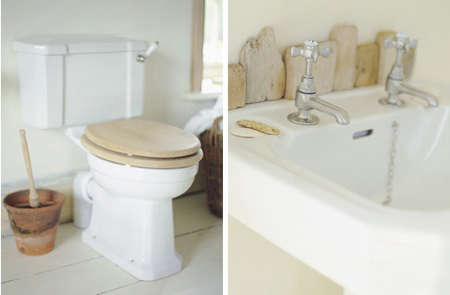
Bailey’s 1930s Bathroom Kit was described as a ready-made package of traditional bathroom fixtures: a pedestal sink, chrome faucets, a toilet with a natural oak seat, and a steel bath with chrome taps. The genius was not that any one piece was wildly unusual. The genius was in the pairing. Together, the fixtures created a bathroom that felt collected, not chaotic.
The Core Components
The pedestal sink is the visual anchor. Unlike bulky vanities, a pedestal basin keeps the room open and architectural. It gives even a modest bathroom a little breathing space. In small homes, especially older ones, that matters. A 1930s-style bath often has limited square footage, so every inch must work politely without elbowing the rest of the room.
The chrome faucets and bath taps add shine without shouting. Chrome was a natural match for early twentieth-century bathrooms because it looked clean, modern, and hygienic. It also pairs beautifully with white porcelain, black tile trim, pale green walls, or warm wood. In a vintage bathroom, chrome is the reliable supporting actor: never stealing the scene, always improving it.
The natural oak toilet seat softens the sanitary whiteness of the room. That one detail is important. Many modern bathrooms fail because they are too hard, too glossy, and too emotionally similar to an airport restroom. A wood seat introduces warmth, texture, and a human note. It says, “Yes, this bathroom is clean, but no, it is not judging your towel-folding skills.”
The steel bath completes the kit. Steel baths, often finished with enamel, offer the crisp, practical character that suits a period-inspired space. They feel more humble than a sculptural luxury tub and more historically believable in a simple 1930s-style room. With chrome taps, the look becomes classic rather than costume-like.
Why the 1930s Bathroom Look Still Works
The 1930s bathroom has survived decades of trends because it solves real problems. It is compact, clean-lined, durable, and easy to understand. The best examples do not depend on visual clutter. Instead, they use proportion, tile, simple fixtures, and a restrained palette to create a room that feels finished.
In the early twentieth century, bathrooms became increasingly associated with cleanliness, health, and modern living. White fixtures were popular because they looked sanitary and reflected light. By the late 1920s and into the 1930s, color entered the bathroom more confidently. Pastel fixtures, black accent tile, geometric borders, and Art Deco details began turning the bathroom from a purely functional washroom into a designed interior.
This is where Bailey’s kit becomes interesting. It does not chase the most glamorous Art Deco version of the 1930s. Instead, it captures a simpler, more rural or utilitarian interpretation. Think less “grand hotel powder room” and more “handsome cottage bath with good bones.” That makes it easier to adapt to modern homes without making the room look like a museum display guarded by a very stern docent.
Design Elements That Define the Style
1. The Pedestal Sink
A pedestal sink is one of the easiest ways to give a bathroom vintage character. It has a sculptural quality, but it is not fussy. The open base makes the floor visible, which helps small bathrooms feel larger. The trade-off is storage. There is no hidden drawer for hair dryers, extra toothpaste, or the mysterious collection of hotel shampoos nobody admits to keeping.
To make a pedestal sink work in daily life, add storage elsewhere. A recessed medicine cabinet, a narrow wall shelf, a small stool, or a vintage cabinet can solve the problem without ruining the period feeling. The goal is to avoid installing a massive modern vanity that visually crushes the room.
2. Chrome Fixtures
Chrome belongs naturally in a 1930s-inspired bathroom. It reflects light, looks clean, and works with both plain and decorative schemes. Cross-handle taps, exposed pipework, and simple bath fillers can all support the period look. For a modern renovation, choose fixtures that meet current plumbing standards while maintaining vintage proportions.
A common mistake is buying “vintage-style” fixtures that are too ornate. Not every old-looking faucet belongs in a 1930s bath. Heavy Victorian curves, oversized handles, and elaborate flourishes can push the room backward into the wrong decade. Bailey’s kit suggests a better route: simple, sturdy, and familiar.
3. A Steel Bath
The bath should feel honest. A steel or enamel-finished tub fits the Bailey’s concept because it has practical charm. It does not need claw feet or theatrical curves to feel vintage. In fact, the quiet shape of a plain bath can make the whole room feel more authentic.
If you are adapting this style today, consider the layout first. Older bathrooms often placed the tub along one wall to conserve space. A shower can be added above the tub, but the details matter. A simple curtain rail usually looks more appropriate than a bulky frameless glass panel, especially in a cottage or period home.
4. Natural Oak Details
The oak toilet seat in Bailey’s kit is a small detail with a big effect. Natural wood warms up white ceramics and chrome. It also introduces the rustic practicality that makes the kit feel approachable. A matching oak shelf, stool, mirror frame, or peg rail can repeat the material without overdoing it.
That said, wood in a bathroom must be chosen and maintained carefully. Moisture is not a polite guest. Use properly sealed wood, allow for ventilation, and avoid placing untreated timber where it will be splashed daily.
5. Tile With Period Character
Tile can make or break a 1930s bathroom. White subway tile, small hexagon floor tile, checkerboard floors, black pencil trim, and soft pastel accents all belong to the broader period vocabulary. The trick is restraint. One strong tile idea is usually enough. A black-and-white floor with white walls can look crisp and timeless. Add too many borders, colors, and patterns, and suddenly the bathroom resembles a very determined board game.
For a Bailey’s-inspired approach, keep the tile simple. White walls, a practical floor, and perhaps a dark border or soft green accent will support the fixtures without competing with them.
How to Recreate the Bailey’s 1930s Bathroom Kit Today
Start With the Sink and Tub
If you want the Bailey’s look, begin with the two largest fixtures: the pedestal sink and the bath. These pieces set the tone. Choose a pedestal sink with clean lines and a basin large enough for real use. Some reproductions are charming but too tiny for daily routines. A bathroom should not require circus-level handwashing precision.
For the tub, look for a simple steel, cast-iron, or enamel-look bath. A freestanding tub can work, but it should not be too glamorous if you are aiming for the Bailey’s mood. The charm lies in utility, not luxury theater.
Choose Chrome, Not Chaos
Use chrome consistently across taps, shower fittings, towel bars, and exposed pipes. Mixing finishes can work in modern design, but a small vintage bathroom often looks better with one clear metal finish. Chrome also helps bounce light around the room, which is useful if the bathroom has a small window or no natural light.
Add Wood Carefully
A natural oak toilet seat is the obvious nod to the original kit. To make it feel intentional, repeat wood once or twice. Try an oak mirror, a simple wall shelf, or a peg rail for towels. Avoid turning the bathroom into a sauna-themed cabin unless that is truly the plan.
Use Practical Storage
Because pedestal sinks do not provide vanity storage, plan alternatives early. A wall-mounted medicine cabinet keeps the sink area clean. A tall narrow cabinet can fit beside the door. A small antique chest may work if it is protected from moisture. Baskets are useful, but do not rely on them for everything. Too many baskets can make a bathroom look like it is preparing for a picnic.
Best Color Palettes for a 1930s-Inspired Bath
Classic White and Chrome
This is the cleanest version of the look. White fixtures, white tile, chrome fittings, and wood accents create a bathroom that feels bright and timeless. It is ideal for small rooms and rental renovations where bold colors may not be welcome.
Black, White, and Oak
Black trim or a checkerboard floor adds Art Deco confidence without making the room too formal. Oak warms the contrast. This palette works especially well in bungalows, cottages, and older city apartments.
Soft Green and White
Green was a popular bathroom direction in early and mid-century interiors, and it still feels fresh. A pale green wall above white tile can make the room feel calm, clean, and slightly nostalgic. Pair it with chrome and oak for a gentle Bailey’s-inspired finish.
Ivory, Cream, and Warm Wood
If pure white feels too clinical, use ivory or cream on the walls. This warmer palette pairs beautifully with oak and aged materials. It is especially good for country homes where bright white may feel too sharp against old plaster, stone, or timber.
Modern Comforts That Do Not Ruin the Vintage Mood
A 1930s-style bathroom should not require 1930s-level comfort. Nobody needs to suffer for authenticity. The smartest renovations combine period looks with modern performance.
Use modern plumbing valves, water-efficient toilets, safe electrical systems, proper ventilation, and durable waterproofing. Heated floors can be added under vintage-style tile. A modern shower valve can be paired with traditional trim. LED lighting can be hidden inside a period-appropriate fixture. The eye sees vintage charm; the body enjoys modern convenience. That is not cheating. That is civilization doing its job.
Common Mistakes to Avoid
Over-Theming the Room
A 1930s bathroom should feel inspired, not staged. Avoid filling the room with too many antique signs, fake vintage labels, and novelty accessories. One or two old objects are charming. Twenty-seven of them create a bathroom that appears to be auditioning for a period drama.
Ignoring Ventilation
Older-style bathrooms often use wood, plaster, and painted surfaces. Without good ventilation, moisture can damage finishes quickly. Install a quiet exhaust fan if possible, especially if the room includes a shower.
Buying Fixtures That Are Too Big
Many older bathrooms are compact. Measure carefully before buying a pedestal sink or tub. A fixture that looked elegant online may feel like a grand piano once installed in a six-by-eight-foot room.
Forgetting Storage
The Bailey’s look is lean and elegant, but modern life includes skincare, razors, towels, cleaning supplies, and at least one product nobody remembers buying. Plan storage from the beginning so the room stays beautiful after the first week.
Who Is This Bathroom Style Best For?
The Bailey’s 1930s Bathroom Kit style is ideal for homeowners who love vintage character but do not want a fussy room. It suits old houses, cottages, cabins, farmhouse renovations, and traditional apartments. It also works for new homes that need a little soul.
This style is especially useful for small bathrooms because the core pieces are visually light. A pedestal sink opens the floor. Chrome reflects light. A simple tub keeps the layout clear. Wood accents add warmth without bulk. The result feels designed, but not overdesigned.
500-Word Experience Section: Living With a Bailey’s 1930s Bathroom Kit Style
Using a bathroom inspired by Bailey’s 1930s Bathroom Kit feels different from using a typical modern bathroom. The experience is quieter. There is less visual noise. You do not walk in and see a wall of cabinetry, oversized mirrors, glowing niches, and seventeen competing materials. Instead, you notice the basics: the shape of the sink, the shine of the chrome, the smooth surface of the bath, and the warmth of the oak seat.
In daily life, the pedestal sink changes your habits. Because there is no countertop to bury under bottles, you become more selective. Toothbrush, soap, maybe a small cup. That is it. At first, this can feel inconvenient, especially if you are used to spreading out like a tiny bathroom empire. But after a while, it becomes refreshing. The sink area stays cleaner because it has no choice. Clutter has nowhere to hide, which is annoying for clutter but excellent for humans.
The bath also affects the mood of the room. A simple steel or enamel-style tub feels practical and honest. It does not scream “spa retreat.” It says, “Here is a good bath. Use it.” That simplicity can be surprisingly luxurious. Add a plain white shower curtain, a wooden bath brush, and a thick cotton towel, and the room feels complete without trying too hard.
The oak detail is one of the most memorable parts of the experience. Bathrooms are full of hard surfaces: tile, porcelain, metal, glass. A natural wood seat or shelf interrupts that coldness. It makes the room feel more domestic and less like a showroom. The same effect happens when you add a small wooden stool or an oak-framed mirror. The material reminds you that a bathroom is part of a home, not a laboratory for aggressively shiny objects.
Cleaning is straightforward, which may be the least glamorous sentence ever written about design but is still extremely important. Pedestal sinks are easy to wipe down. Chrome needs regular polishing if water spots bother you, but it rewards the effort by looking crisp. Tile floors are durable, especially when the grout is properly sealed. A simple layout means fewer awkward corners where dust and mystery fuzz gather for secret meetings.
The biggest challenge is storage. Living with this style requires discipline or clever planning. A recessed cabinet is almost essential. Hooks are better than towel bars in very small rooms. A narrow shelf above the sink can hold daily items, but it should not become a parking lot for half-used products. The best Bailey’s-inspired bathrooms use storage like a magician uses sleeves: present, useful, but not obvious.
Guests tend to respond warmly to this style because it feels familiar even if they cannot name the decade. They may say it feels “classic,” “cozy,” or “like it has always been there.” That is the real success of a 1930s-inspired bathroom. It should not look newly assembled from trend pieces. It should look settled, useful, and charmingly permanent.
Living with the Bailey’s 1930s Bathroom Kit style is ultimately about appreciating restraint. It proves that a bathroom does not need to be huge to be beautiful. It does not need rare marble, voice-controlled lighting, or a mirror that tells you the weather. It needs good proportions, honest materials, clean fixtures, and a little warmth. In a world of overcomplicated interiors, that feels almost rebellious.
Conclusion: Why Bailey’s 1930s Bathroom Kit Still Inspires
Bath: Bailey’s 1930s Bathroom Kit remains a compelling idea because it understands something many modern renovations forget: a bathroom should be practical first, beautiful always, and trendy only by accident. The combination of a pedestal sink, chrome faucets, oak detail, and steel bath creates a room that feels timeless because it is rooted in usefulness.
The 1930s bathroom style offers more than nostalgia. It offers a design framework. Keep the fixtures honest. Use tile with restraint. Add warmth through wood. Choose chrome for clarity. Plan storage carefully. Respect the room’s size. When those choices come together, the result is not merely vintage-inspired. It is livable, durable, and quietly elegant.
For homeowners renovating an old house, this look can preserve character without sacrificing comfort. For newer homes, it can add the kind of soul that cannot be downloaded from a trend report. Bailey’s kit may have been a simple package of bathroom essentials, but its lasting appeal comes from a larger lesson: when the basics are chosen well, the whole room works.











