
Big results rarely arrive wearing a cape. More often, they sneak in quietly: a five-minute walk after lunch, a glass of water before coffee, a two-sentence journal entry, a cleaner desk, a bedtime alarm that politely says, “Please stop negotiating with Netflix.” These tiny improvements may look unimpressive at first, but they are the quiet machinery behind lasting change.
The idea behind tiny improvements, big results is simple: small, repeatable actions compound over time. You do not need to rebuild your entire personality by Monday morning. You need one better choice, repeated often enough that it becomes part of your routine. That is where micro habits, small wins, and incremental progress become powerful.
Whether your goal is better health, stronger productivity, improved relationships, cleaner finances, or a calmer mind, the path usually starts smaller than expected. In fact, starting tiny is often the point. When an improvement is easy to do, it is easier to repeat. When it is repeated, it becomes familiar. When it becomes familiar, it stops feeling like a motivational speech and starts feeling like normal life.
Why Tiny Improvements Work So Well
Humans are not machines. We do not simply download a new routine, restart, and become flawless productivity robots with excellent posture. Behavior change is emotional, practical, and sometimes deeply inconvenient. That is why small changes work: they lower the resistance.
A huge goal can be inspiring, but it can also be intimidating. “Get in shape” sounds noble until your sneakers are hiding under the bed and your calendar looks like it was attacked by meetings. “Walk for ten minutes” feels possible. “Eat perfectly forever” sounds like punishment. “Add one vegetable to dinner” sounds like something a reasonable adult could do without writing a dramatic farewell letter to pizza.
Tiny improvements work because they create momentum. A small action gives you proof that change is possible. That proof builds confidence. Confidence makes the next action easier. Soon, the habit is no longer a heroic effort; it is just what you do.
The Science of Small Wins
Small wins matter because progress is motivating. When people can see that they are moving forward, even slightly, they are more likely to keep going. In work, learning, fitness, and personal growth, visible progress gives the brain a reason to stay engaged.
This is why checking off a tiny task feels oddly satisfying. Did you solve world peace? No. Did you finally reply to that email from three days ago? Yes, and frankly, that deserves a parade with a modest budget.
Small wins also help reduce the gap between intention and action. Many people intend to exercise, sleep better, spend less, read more, or eat healthier. The problem is not always knowledge. Often, it is execution. Tiny habits turn vague intentions into specific behaviors: stretch after brushing your teeth, save five dollars every Friday, write one paragraph before checking messages, or put your phone across the room at bedtime.
Micro Habits: The Building Blocks of Big Change
A micro habit is a behavior so small that it feels almost too easy to skip. That is exactly why it works. The goal is not to impress anyone on day one. The goal is to build consistency.
Examples of micro habits that create real results
- Drink one glass of water after waking up.
- Walk for five minutes after lunch.
- Write down the top three tasks for tomorrow.
- Put one item back where it belongs before leaving a room.
- Read one page before bed.
- Take three deep breaths before answering a stressful message.
- Save spare change or a small fixed amount each week.
None of these actions looks dramatic. That is their charm. They do not require a new identity, an expensive planner, or a sunrise routine filmed in slow motion. They simply make tomorrow a little easier than today.
Health: Small Changes Your Body Actually Notices
Health improvements do not always begin with a total lifestyle makeover. In many cases, the most sustainable changes are ordinary and repeatable. Moving more, sitting less, sleeping consistently, and improving food choices by small degrees can create meaningful benefits over time.
For physical activity, tiny improvements might mean taking the stairs, parking farther away, walking during a phone call, or doing a short stretch between work sessions. These actions may not feel like “exercise” in the movie montage sense, but they help reduce sedentary time and make movement part of daily life.
Food habits work the same way. Instead of declaring war on every snack in the pantry, start with one simple upgrade. Add fruit to breakfast. Choose whole grains more often. Put vegetables on half the plate. Replace one sugary drink with water. A small improvement repeated daily is often more useful than a strict plan abandoned by Thursday.
Sleep is another tiny-improvement gold mine
Better sleep often begins with environmental and routine changes: a consistent bedtime, less caffeine late in the day, a darker room, fewer screens near bedtime, or a wind-down ritual. These changes are not glamorous, but neither is wandering through the next day like a haunted lampshade. Sleep is one of the highest-return areas for small improvements because it supports mood, focus, energy, and decision-making.
Productivity: Make the Next Right Action Smaller
Productivity advice often sounds like it was written by a person who has never lost twenty minutes looking for a file named “final_FINAL_reallyfinal.docx.” Real productivity is not about doing everything. It is about making the next useful action easier to begin.
If a task feels too large, shrink it. “Write the report” becomes “open the document and write the first messy paragraph.” “Clean the house” becomes “clear the kitchen counter.” “Plan the project” becomes “write the next three steps.” The smaller the starting point, the less friction you face.
This approach works especially well for procrastination. Procrastination feeds on vague tasks. Tiny improvements defeat vagueness by creating a clear entry point. Once you begin, momentum often takes over. You may sit down intending to work for five minutes and end up making real progress. And even if you only do five minutes, congratulations: five is greater than zero, which is basic math and also emotional wisdom.
Money: Tiny Financial Habits That Add Up
Financial progress is another area where small actions can produce big results. Saving a small amount consistently, reviewing subscriptions, waiting twenty-four hours before impulse purchases, and planning meals before grocery shopping can all improve financial control.
The goal is not to become a spreadsheet wizard overnight. The goal is to create awareness. Many financial leaks are small: unused apps, delivery fees, forgotten renewals, convenience purchases, and “just this once” spending that happens every eleven minutes. Tiny improvements make money visible again.
Try these low-drama financial upgrades
- Set up an automatic weekly transfer to savings, even if it is small.
- Review one recurring charge every Friday.
- Create a simple “wait list” for nonessential purchases.
- Pack lunch one extra day per week.
- Track spending for three minutes at the end of the day.
These tiny financial habits build confidence. They also remind you that money management is not about shame. It is about choices, clarity, and occasionally asking, “Why am I paying for an app I downloaded during a very ambitious January?”
Relationships Improve in Small Moments
Relationships are built through repeated signals of care. Grand gestures are lovely, but daily micro-actions often matter more: listening without interrupting, sending a thoughtful message, saying thank you, apologizing quickly, asking a better question, or putting the phone down during dinner.
A tiny improvement in communication can change the tone of an entire relationship. Replace “You never help” with “Could you help me with this tonight?” Replace silent resentment with a calm request. Replace distracted nodding with eye contact. These actions are small, but they show respect.
The same applies at work. A manager who gives clear feedback, recognizes progress, or removes one unnecessary obstacle can dramatically improve team morale. A colleague who replies on time, documents decisions, or says “I appreciate your help” creates a better workplace without needing a conference keynote or a fog machine.
How to Choose the Right Tiny Improvement
Not every small change is the right small change. The best tiny improvements are specific, repeatable, and connected to something you actually value.
Use the “small but strategic” test
Before choosing a habit, ask three questions:
- Is it easy enough to do on a bad day? If not, shrink it.
- Does it connect to a bigger goal? A tiny habit should point somewhere meaningful.
- Can I attach it to an existing routine? Habits stick better when they have a clear cue.
For example, “meditate more” is vague. “Take three slow breaths after I sit at my desk” is specific. “Get organized” is huge. “Put tomorrow’s top task on a sticky note before closing my laptop” is doable. “Be healthier” is admirable but foggy. “Walk for five minutes after lunch” gives your shoes clear instructions.
Habit Stacking: Make Your Routine Do the Heavy Lifting
Habit stacking means attaching a new action to something you already do. This reduces the need for willpower because the existing habit acts like a reminder.
Here are simple habit stacks:
- After brushing my teeth, I will stretch for one minute.
- After pouring coffee, I will drink a glass of water.
- After opening my laptop, I will write my top priority.
- After dinner, I will take a ten-minute walk.
- After setting my alarm, I will place my phone away from the bed.
The beauty of habit stacking is that it respects real life. You are not inventing a completely new schedule. You are adding one small upgrade to a routine that already exists. It is behavioral recycling, and unlike sorting actual recycling, it does not require you to decode tiny plastic numbers.
Environment Beats Motivation
Motivation is helpful, but it is unreliable. Some mornings you wake up inspired. Other mornings you wake up convinced that your blanket has legal custody of you. That is why your environment matters.
Make good habits easier and bad habits harder. Put fruit where you can see it. Keep walking shoes near the door. Charge your phone outside the bedroom. Place a book on your pillow. Remove tempting distractions from your workspace. Prepare gym clothes the night before. These small environmental changes reduce decision fatigue.
When your surroundings support your goals, you do not need to win a willpower wrestling match every hour. The better choice becomes the easier choice.
The Compound Effect of Incremental Progress
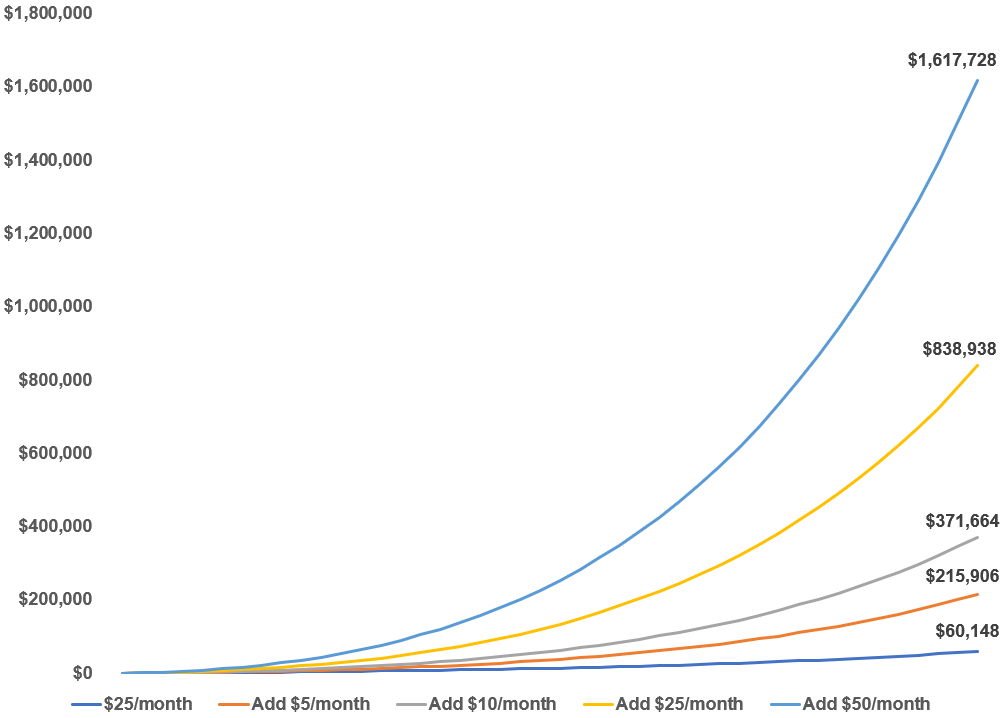
One tiny improvement may feel insignificant. But repeated over weeks and months, small actions compound. Ten minutes of daily reading becomes several books a year. A short daily walk becomes dozens of hours of movement. A small savings habit becomes a financial cushion. A nightly reset makes mornings less chaotic. A kind word repeated often strengthens trust.
Compounding is not magic. It is math with patience. The challenge is that results often lag behind effort. You may not notice better fitness after one walk, better sleep after one earlier bedtime, or better focus after one distraction-free work block. But the invisible work is still happening. Tiny improvements are like planting seeds: at first, it looks suspiciously like dirt. Then one day, growth appears.
Common Mistakes That Ruin Tiny Improvements
Trying to change everything at once
Ambition is wonderful, but too much change at once can overload your routine. Start with one or two habits. Let them become stable before adding more.
Making the habit too big
If you keep skipping the habit, it may not be a character flaw. It may simply be too large. Reduce the size until it feels almost laughably easy.
Expecting instant transformation
Tiny improvements are powerful, but they are not microwave popcorn. Give them time. The goal is sustainable progress, not overnight perfection.
Ignoring your real life
A routine that works only when you are calm, rested, rich in free time, and surrounded by scented candles is not a routine. Design habits for your actual life, including busy days, tired days, and “everything is weird” days.
A Practical 7-Day Tiny Improvement Plan
Here is a simple one-week plan to start building better habits without turning your life into a self-improvement boot camp.
Day 1: Pick one area
Choose health, productivity, money, relationships, sleep, or home organization. Do not choose all of them. You are improving your life, not launching a government agency.
Day 2: Shrink the habit
Make the action small enough to complete in under five minutes. If it sounds too easy, perfect.
Day 3: Attach it to a cue
Pair the habit with something you already do, such as brushing your teeth, eating lunch, starting work, or making coffee.
Day 4: Remove friction
Prepare your environment. Put the book out, fill the water bottle, set the shoes by the door, or block the distracting app.
Day 5: Track the win
Use a checkmark, note, calendar, or simple “done” list. Tracking makes progress visible.
Day 6: Celebrate lightly
Acknowledge the win. You do not need fireworks. A quick “Nice, I did it” helps reinforce the behavior.
Day 7: Review and adjust
Ask what worked, what got in the way, and how to make the habit easier next week. Improvement improves when you improve the improvement. Yes, that sentence is allowed.
Experiences Related to “Tiny Improvements, Big Results”
The most convincing thing about tiny improvements is that they rarely feel impressive while they are happening. In real life, the breakthrough usually begins with something so small it barely deserves a drumroll.
Consider the experience of someone trying to become healthier after years of inconsistent routines. A dramatic plan might begin with a strict diet, a gym membership, a new wardrobe, and a heroic promise to wake up at 5 a.m. forever. That plan feels exciting for about three days. Then life arrives with traffic, deadlines, family responsibilities, and a mysterious craving for nachos. The big plan collapses because it depends on perfect conditions.
A tiny-improvement approach looks different. The person starts by walking around the block after dinner. That is it. No transformation montage. No protein powder with a name that sounds like a spaceship. Just one loop around the block. After a week, the walk feels normal. After a month, it becomes twenty minutes. Soon, dinner feels incomplete without movement afterward. The result is not only more activity, but also better sleep, less stress, and a stronger sense of control.
The same pattern appears in productivity. Someone overwhelmed by work may not need a complicated system. They may need to spend two minutes each morning writing down the one task that matters most. This tiny action creates direction. Instead of reacting to every notification, they begin the day with a target. Over time, those focused mornings produce better work, fewer missed deadlines, and less end-of-day panic.
In relationships, tiny improvements can be even more powerful. A partner who begins saying “thank you” for ordinary things may change the emotional climate at home. A parent who gives a child ten minutes of undistracted attention each evening may build trust more effectively than an occasional expensive outing. A team leader who ends meetings by clarifying next steps may prevent confusion, frustration, and the corporate sport known as “reply-all archaeology.”
One of the best personal experiments is the nightly reset. Spend five minutes preparing tomorrow: clear a surface, choose clothes, write the first task, and place essentials by the door. It sounds almost too small to matter. But the next morning feels different. There is less scrambling, fewer forgotten items, and a calmer start. The improvement is not just a cleaner room; it is a quieter mind.
Tiny improvements also teach patience. They remind us that identity is built through repeated evidence. Every small promise kept says, “I am someone who follows through.” Every small action completed says, “I can trust myself.” That trust becomes the foundation for bigger goals. Big results do not always require big beginnings. Sometimes they require a humble start, repeated with stubborn kindness.
Conclusion: Small Is Not the Opposite of Powerful
The phrase tiny improvements, big results is not a motivational slogan stitched onto a throw pillow. It is a practical strategy for real life. Small changes reduce resistance, create momentum, build confidence, and compound over time. They help you move from wishing to doing.
You do not need to become a new person overnight. You need to make the next good action easier. Drink the water. Take the walk. Write the sentence. Save the small amount. Ask the kind question. Turn off the screen. Put the shoes by the door. These actions may look tiny, but they are the bricks of a better life.
Big change often begins quietly. Let it. Tiny is not weak. Tiny is how progress sneaks past your excuses, takes off its shoes, and makes itself at home.











