
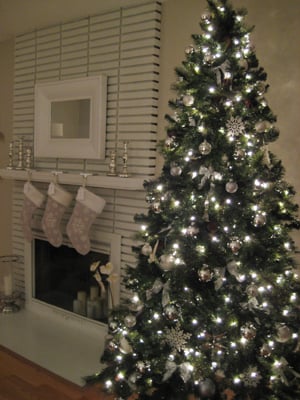
Some holiday symbols arrive with trumpets. The Christmas tree shows up quietly, sheds a few needles on the rug, drinks half a gallon of water when nobody is looking, and somehow becomes the emotional center of the season anyway. That is the magic of Oh Christmas Tree: it is not just a plant dragged into the living room for decoration. It is tradition, design, scent, memory, family diplomacy, and a yearly reminder that people will absolutely argue over whether multicolored lights are joyful or chaotic.
In American homes, the Christmas tree does a lot of heavy lifting. It brightens dark winter evenings, anchors family rituals, and turns an ordinary corner of the house into something theatrical. One minute it is a plain fir or spruce; the next, it is wearing lights, handmade ornaments, heirlooms, kindergarten crafts, and at least one decoration that looks like it lost a fight with glitter. That transformation is part of the charm.
This article explores the history, symbolism, care, safety, and everyday delight behind the Christmas tree. Whether you buy a fragrant Fraser fir every year, proudly assemble an artificial tree in seven minutes flat, or spend three weekends debating the perfect topper, the tree remains one of the most meaningful holiday traditions in the United States. And yes, it earns every dramatic sigh when the lights finally come on.
Why the Christmas Tree Still Matters
The Christmas tree lasts because it does something rare: it feels both public and personal. As a symbol, it is instantly recognizable. As a household tradition, it becomes wildly specific. One family cuts its own tree at a farm every December. Another unwraps the same artificial tree that has survived three homes, one basement flood, and a cat with unresolved authority issues. Some households decorate with elegant white lights and velvet ribbon. Others create a glorious masterpiece that looks like Santa partnered with a craft store and forgot to set a budget.
That flexibility is exactly why the tree remains powerful. It can be formal, rustic, sentimental, glamorous, minimalist, nostalgic, or cheerfully over-the-top. It works in city apartments, suburban living rooms, college dorms, churches, hotel lobbies, and town squares. The Christmas tree fits nearly any version of the holiday because it invites participation. You do not just look at it. You choose it, lift it, water it, decorate it, admire it, photograph it, and gather around it.
In other words, the Christmas tree is not background décor. It is the stage.
A Short History of the Christmas Tree in America
The story of the Christmas tree in the United States blends European custom, immigrant influence, commercial growth, and American enthusiasm for turning a tradition into a full seasonal production. Evergreen branches had long been associated with winter celebrations because they represented life during the coldest months of the year. Over time, decorated indoor trees became linked to Christmas observance in Europe, especially in German-speaking regions.
In the United States, the Christmas tree slowly evolved from an ethnic custom into a national tradition. By the mid-1800s, live Christmas trees were being sold commercially, and one of the earliest known retail tree lots opened in New York in 1851. From there, the practice spread, helped by urban markets, family celebrations, department-store holiday culture, and the simple fact that a decorated evergreen looks wonderful in December. Americans saw the tree and, in classic national fashion, said, “Excellent. Let’s add more lights.”
The tradition also gained visibility through famous public displays. The first known Christmas tree in the White House appeared in 1889 during the Benjamin Harrison administration. Over the decades, White House holiday decorations helped cement the Christmas tree as a recognizable symbol of the American season. Public tree lightings, city squares, and later television broadcasts turned the tree into a shared cultural icon, not just a private family custom.
As demand grew, so did tree farming. Today, Christmas trees are grown commercially across the United States, and tree farms have become an important part of the agricultural landscape in many states. Oregon and North Carolina are leading producers, though growers across the country raise a variety of species suited to different climates and consumer preferences. That means the humble holiday tree is not just festive. It is also agricultural, regional, and deeply tied to American farm culture.
Choosing the Right Christmas Tree
Picking the perfect tree is part science, part taste, and part family negotiation. Some people want a tree that smells like a holiday memory. Others want one sturdy enough to hold ornaments that appear to be made from small dumbbells. Some want soft needles. Some want dramatic color. Some just want a tree that fits through the front door without requiring geometry.
Popular Real Christmas Tree Types
Fraser fir is often considered the holiday celebrity. It has excellent needle retention, a pleasant fragrance, and strong branches that hold ornaments well. Its needles are usually dark green with silvery undersides, giving it a polished look. If Christmas trees had an awards season, Fraser fir would show up in formalwear.
Douglas fir remains a favorite because of its full, classic shape and soft needles. It has a lovely scent and a softer texture than some pricklier species. It can look wonderfully lush, which is great if you want your tree to say, “I woke up like this,” while clearly having excellent structure.
Noble fir is prized for strong branches, blue-green color, and a slightly more open shape that shows off ornaments beautifully. It is popular with people who enjoy decorating as an art form rather than a speed event.
Balsam fir is beloved for its fragrance and traditional appearance. Scots pine, white pine, blue spruce, and concolor fir also have loyal followings, each offering a different mix of scent, color, needle feel, and ornament support.
What to Look for When Buying
A fresh tree matters for both beauty and safety. Needles should bend rather than snap easily, and branches should feel flexible. Gently tapping the base on the ground should not produce a dramatic needle blizzard. If the tree instantly looks like it is molting for winter, keep walking.
Measure your space before shopping. Not after. Before. Ceiling height, tree stand height, topper allowance, and floor space all matter. Every year, optimistic people forget that an eight-foot tree becomes a very different creature when paired with a stand and a glittering star. Suddenly the ceiling fan becomes the enemy.
Also consider how you decorate. Heavy ornaments need strong branches. Small children and pets may benefit from a sturdier setup and less breakable décor. If fragrance matters, choose a species known for scent. If you want easier handling, softer needles may save your hands and your mood.
How to Keep a Real Tree Fresh and Happy
Once you bring a real Christmas tree home, care becomes crucial. A fresh cut at the trunk helps the tree absorb water efficiently. Many experts recommend removing about half an inch from the base before placing it in the stand. After that, the tree should go into water as soon as possible. This is not the moment for a snack break, a playlist debate, or a two-hour ornament strategy meeting.
Your stand should hold plenty of water. A common rule is about one quart of water capacity per inch of trunk diameter. Check the water level daily. Real trees can drink a surprising amount, especially in the first days indoors. Plain water is enough; despite generations of questionable advice, your tree does not need soda, sugar, aspirin, mystery syrup, or whatever your uncle swears worked in 1987.
Placement matters too. Keep the tree away from fireplaces, radiators, heating vents, and direct heat sources. Warm, dry air accelerates drying. A tree that dries out loses needles faster and becomes more hazardous. In other words, the tree may look cozy next to the heater, but the tree does not appreciate the spa treatment.
Christmas Tree Safety Tips
Safety is where holiday cheer needs a little grown-up supervision. If you use a real tree, keep it well watered. Use lights that are in good condition, discard frayed or damaged strands, and avoid overloading outlets. Do not use real candles on the tree. That is not vintage charm. That is a very bad idea dressed as nostalgia.
Turn off tree lights before leaving home or going to bed. Keep decorations that are sharp, fragile, or tempting to toddlers and pets placed thoughtfully. Make sure the tree is secure and stable in its stand. A beautifully decorated tree that topples over during dinner is memorable, yes, but not in the way anyone hopes.
When the season ends, remove the tree once it becomes dry. A fresh tree is festive; a brittle one is a warning label in disguise.
Real vs. Artificial: The Great Holiday Debate
The question returns every year: real or artificial? The answer depends on priorities. Real Christmas trees offer fragrance, tradition, and the ritual of choosing something grown on a farm. They are biodegradable and recyclable, and they support tree farmers and related local businesses. For many families, the experience of picking out a real tree is part of the holiday itself.
Artificial trees, on the other hand, are convenient, reusable, and easy to store if you have the space. They eliminate watering, reduce needle drop, and can be assembled with impressive efficiency once you understand which section is “middle” and which one is “definitely not middle.”
Environmentally, the conversation is more nuanced than internet arguments usually suggest. Real trees are farmed crops and are recyclable at the end of the season. Artificial trees reduce annual purchasing but are generally made from plastic-based materials and are not biodegradable. So the better choice depends on how long an artificial tree is used, whether a real tree is responsibly recycled, and which values matter most to the household.
In practical terms, either option can be a good one. The best Christmas tree is the one that fits your home, habits, budget, and traditions without making December feel like a logistics competition.
The Christmas Tree as a Memory Machine
More than almost any other seasonal object, the Christmas tree collects meaning. It becomes a visual timeline of family life. There is the ornament from the baby’s first Christmas, the souvenir from a favorite vacation, the handmade paper star with too much glue, the elegant glass ornament everyone is afraid to touch, and the weird one shaped like a taco that somehow feels indispensable.
That is what makes the tree emotionally powerful. It is not just decorated; it is layered with stories. Every ornament is a footnote. Every year adds another chapter. Even the imperfections become tradition. The crooked branch. The strand of lights that always misbehaves. The annual declaration that this year the wrapping paper will look sophisticated, followed immediately by cartoon reindeer and glitter explosions.
The Christmas tree is one of the few household objects that invites people to slow down and remember. Under its lights, ordinary evenings feel a little softer. The room changes. The season feels official. Winter becomes less about darkness and more about glow.
Experiences Related to “Oh Christmas Tree”
If you want to understand why the Christmas tree endures, do not start with economics or botany. Start with experience. Start with the moment someone opens the box of ornaments and a whole family gets transported by objects no bigger than a coffee mug. Start with the smell of evergreen hitting warm indoor air. Start with the low-level household debate over whether the lights should go on before the garland, and why everyone suddenly speaks like they are on a home-improvement reality show.
For many people, the experience begins outside. There is something unforgettable about walking through a Christmas tree lot or farm in cold weather, bundled in layers, searching row by row for the “right” tree. Children usually choose the largest one they can find. Adults usually choose the one that will fit in the car and not require a physics degree to install. That gap between dream and practicality is part of the fun.
Then comes the trip home, where the tree is tied to a roof, tucked into a truck bed, or somehow maneuvered through an apartment hallway with the grace of a giraffe in a revolving door. Once indoors, the tree stands there undecorated for a moment, a little plain and a little awkward, like a guest who arrived early. But then the lights go on, the ornaments appear, and the transformation is instant. The room begins to feel like the holidays.
Some of the best Christmas tree experiences are quiet ones. Waking up early before the rest of the house. Sitting in the dark except for the glow of the tree. Seeing reflected lights in a window. Hearing the small sounds of winter outside while the room feels warm and still. The tree has a way of turning ordinary time into reflective time. It asks nothing more complicated than your attention, and that may be one reason people love it so much.
There are funny experiences too, of course, because the Christmas tree is never only majestic. There is always the ornament box that contains at least one mystery item no one remembers buying. There is the annual test of patience while untangling lights that appear to have spent eleven months plotting revenge. There is the cat who sees the lower branches as a personal challenge. There is the dog who drinks from the tree stand like it is a luxury forest café. There is the tree topper that leans just enough to create emotional tension.
Yet even these ridiculous moments become part of the tradition. Families retell them year after year. The tree that was too tall. The year the lights failed five minutes before guests arrived. The ornament that broke, got glued, and returned the next December like a little glass warrior. These stories become part of what people really mean when they say they love Christmas.
“Oh Christmas Tree” is not just admiration for a beautiful evergreen. It is a reaction to everything the tree gathers around itself: laughter, nostalgia, ritual, style, family chaos, quiet wonder, and the hopeful feeling that a room can change when you add light. That is why the tradition survives. Not because the tree is perfect, but because it becomes the place where imperfect people make meaningful memories.
And maybe that is the best way to think about it. The Christmas tree is not the holiday itself. It is the meeting place. It is where gifts wait, where photos happen, where stories are told, where children stare, where adults pause, and where a home feels a little more alive. Long after the ornaments are packed away, people tend to remember not just how the tree looked, but how life felt around it. That is a pretty impressive job description for an evergreen.
Conclusion
The Christmas tree remains one of America’s most beloved holiday traditions because it blends beauty, ritual, history, and emotion in one simple object. It connects farm to home, public celebration to private memory, and decoration to meaning. Whether you prefer a real fir with rich fragrance or an artificial tree that appears every year like a dependable holiday superhero, the tree still serves the same purpose: it creates a center for celebration.
So when people say, “Oh Christmas Tree,” what they often mean is something bigger. They mean family. They mean tradition. They mean warmth in the middle of winter. They mean the annual chance to build joy out of lights, branches, and memory. Not bad for a tree that begins the season by standing in a bucket and waiting for instructions.
Note: This article is based on a synthesis of authoritative U.S. information about Christmas tree history, species, care, safety, recycling, and holiday traditions.











